The $800 Film Revolutionizing Windows by 2026
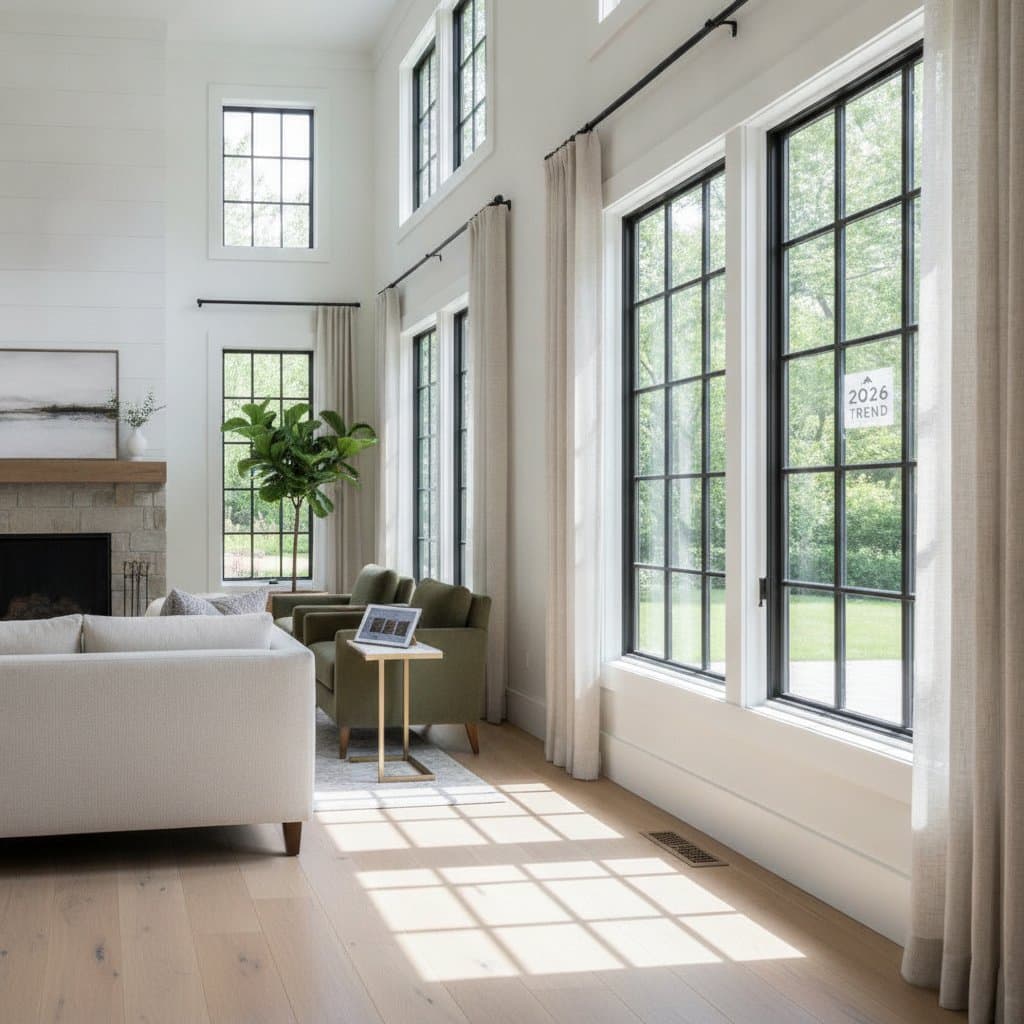
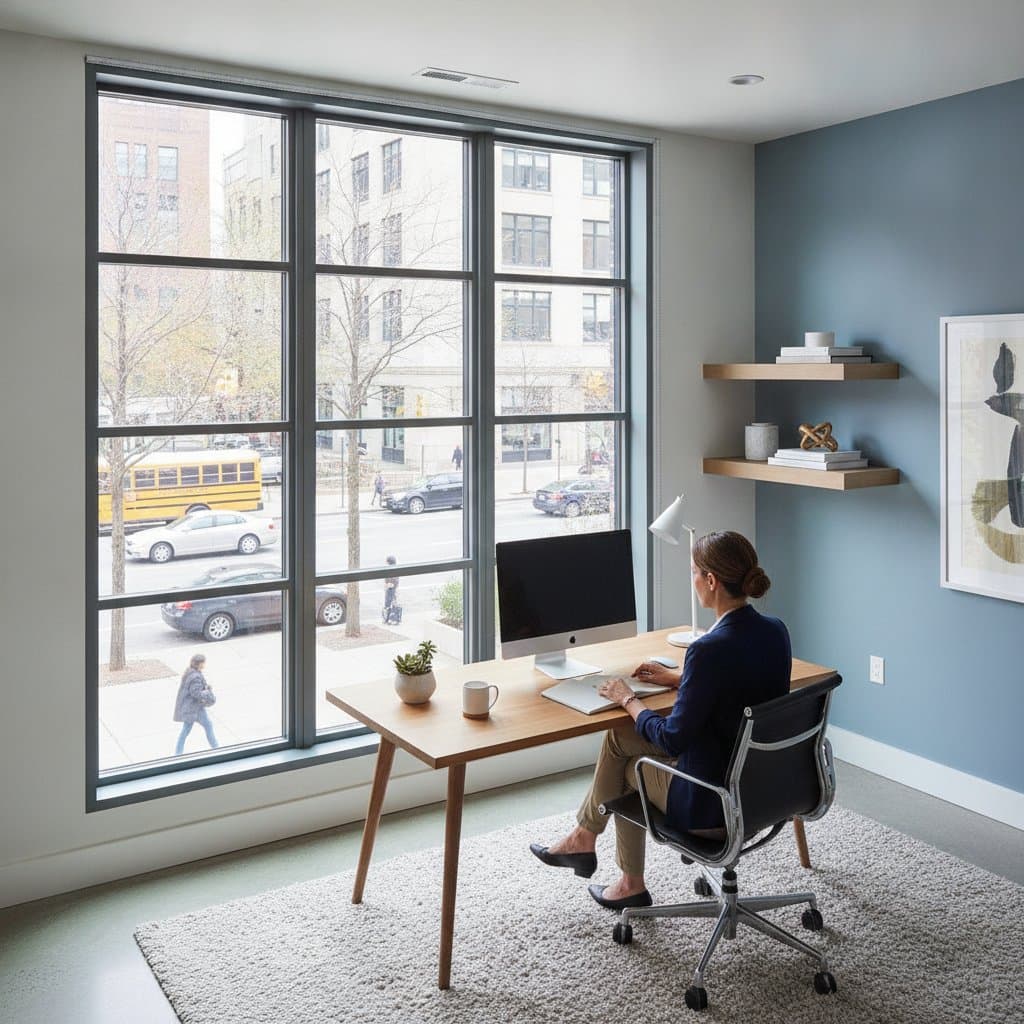
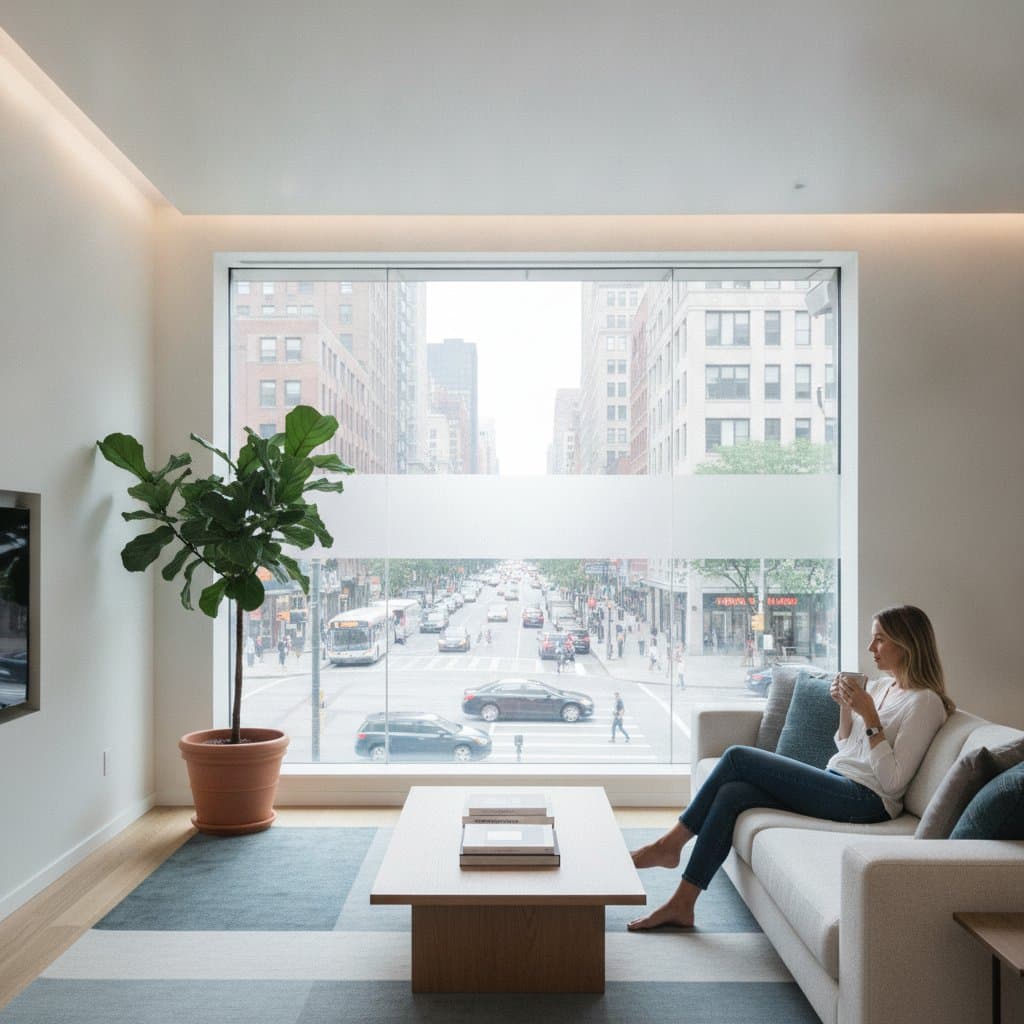
Homeowners have long searched for ways to control sunlight, manage heat, and maintain privacy without compromising style. The latest breakthrough in exterior design technology brings a sleek solution that achieves all three. A new generation of smart window films, priced around eight hundred dollars per installation, reshapes how people think about glass. These electrochromic films adjust tint automatically in response to sunlight, transforming ordinary windows into energy-saving, light-controlling surfaces that feel both modern and effortless.
The appeal lies in its subtlety. Unlike bulky blinds or reflective coatings, this film integrates seamlessly into existing glass. It delivers the clean, uninterrupted look prized in contemporary homes while keeping interiors comfortable through natural light management. As energy costs rise, the combination of style and savings makes this innovation especially timely.
Three Ways to Get This Look
Save Approach ($800 - $2,000)
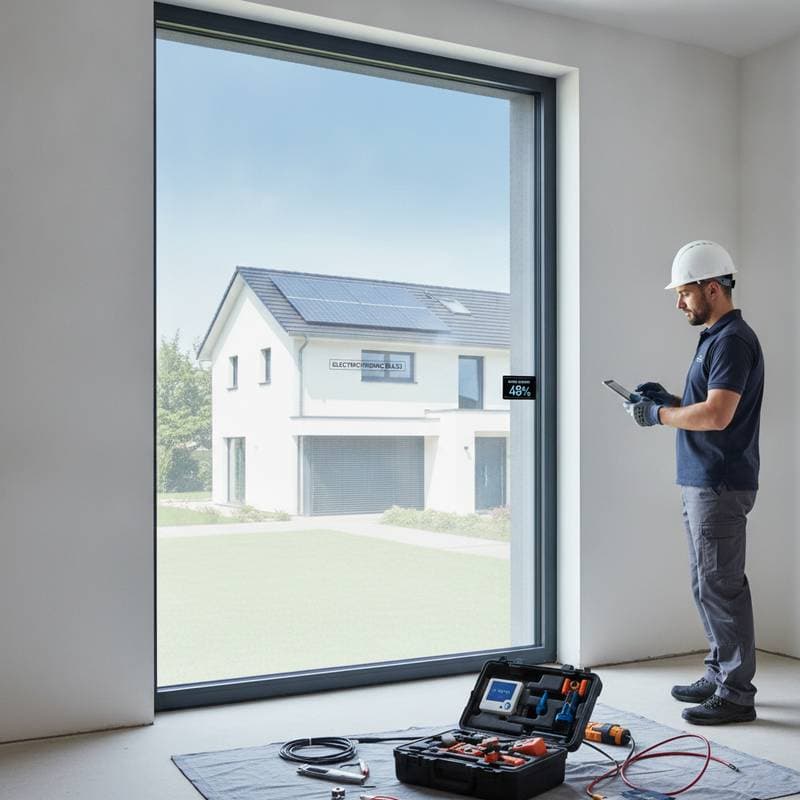
- Material Choices: Apply retrofit electrochromic film to existing windows. Choose peel-and-stick smart film kits that connect to standard outlets or solar-powered sensors.
- Cost-Saving Techniques: Target south- and west-facing windows first for maximum thermal benefit. Use standard glazing on shaded sides of the home.
- Where to Splurge: Invest in a high-quality control system that allows manual or app-based tint adjustments for greater flexibility.
Mid-Range Approach ($2,000 - $6,000)
- Balanced Material Selections: Replace outdated panes with insulated glass units featuring integrated smart-film layers. These provide improved clarity, energy performance, and a cleaner aesthetic.
- Performance Upgrades That Matter: Select films with UV protection and glare reduction to preserve interior finishes and furniture.
- Design Elements Worth the Investment: Pair smart glass with minimalist black or bronze window frames for a striking contrast that suits both modern farmhouse and contemporary minimalist exteriors.
Invest Approach ($6,000 - $12,000)
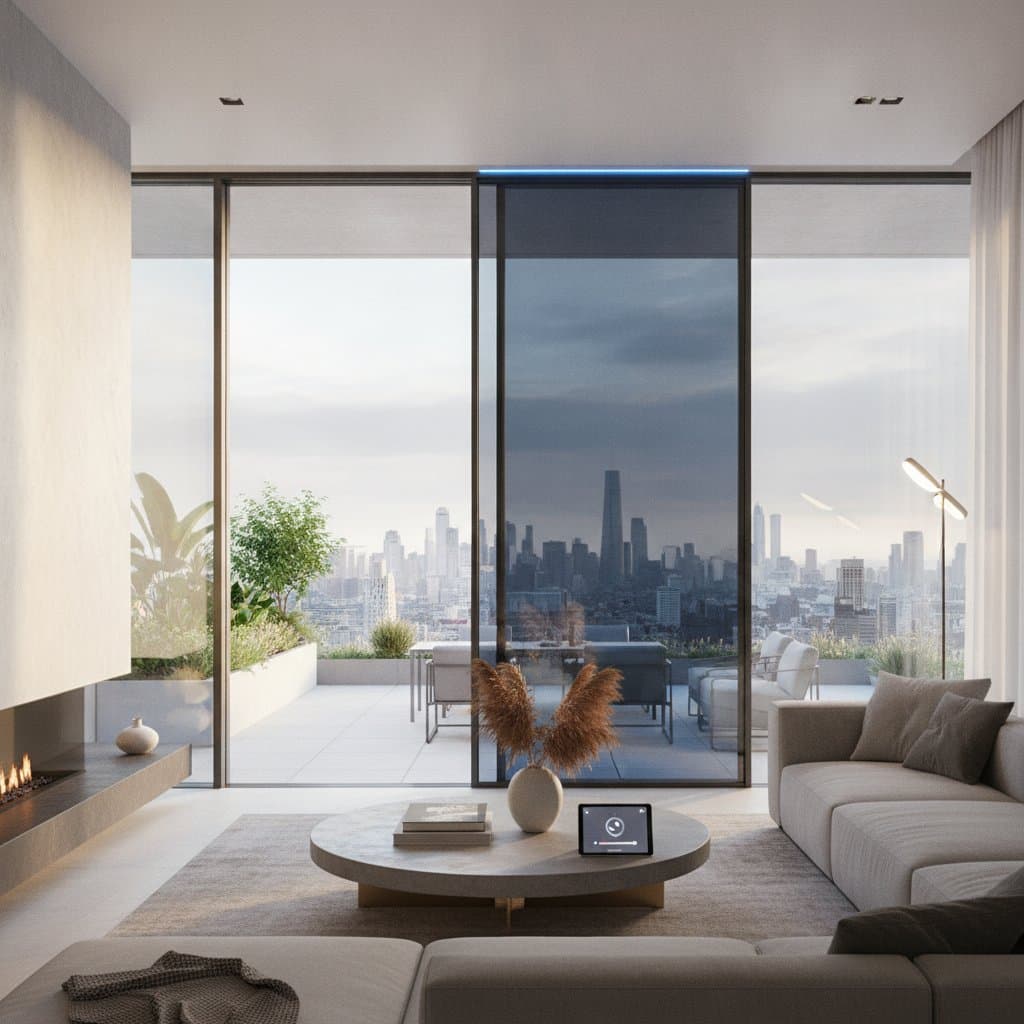
- Premium Material Choices: Install full electrochromic window systems with custom controls linked to home automation platforms. These systems adjust tint levels throughout the day based on light intensity.
- High-End Design Details: Include large-format picture windows or multi-panel sliders that use smart glass for an uninterrupted view. Combine with frameless corners to highlight architectural precision.
- Long-Term Value Considerations: Expect reduced HVAC costs and improved comfort year-round. The material can last more than a decade with minimal degradation when professionally installed.
Material and Finish Guide
- Windows: Electrochromic film works best on double-pane or laminated glass. Frame colors in charcoal, matte black, or deep bronze enhance its high-tech character. For traditional architecture, a warm gray frame tone keeps the look balanced.
- Doors: Pair with fiberglass or aluminum-clad doors that feature narrow glass inserts. Matching the tint of the door lite to the adjacent windows creates a cohesive façade. Smart glass sidelights offer both privacy and daylight.
- Siding: Smooth fiber cement or engineered wood siding complements the sleek surface of smart glass. For a softer style, use vertical board-and-batten layouts in pale gray or off-white.
- Trim and Accents: Keep trim minimal. Choose aluminum or PVC in neutral tones. Add matte black house numbers and understated exterior lighting to maintain visual consistency.
Maintenance Reality Check
Electrochromic films require less cleaning than untreated glass since they reduce interior dust exposure and sun fading. Routine window washing with mild soap keeps clarity intact. Avoid abrasive pads or ammonia cleaners that can weaken the film’s conductive layer. If connected to electrical controls, schedule annual system checks to ensure proper sensor calibration. Compared to mechanical blinds or exterior shutters, the upkeep is minimal and mostly preventive.
Avoid These Mistakes
- Over-Tinting Every Window: Applying smart film to all glass surfaces can make interiors feel dim. Start with the sunniest areas and evaluate comfort before expanding.
- Ignoring Frame Compatibility: Some older window frames cannot handle the wiring or mounting required for powered film. Always verify compatibility with a qualified installer.
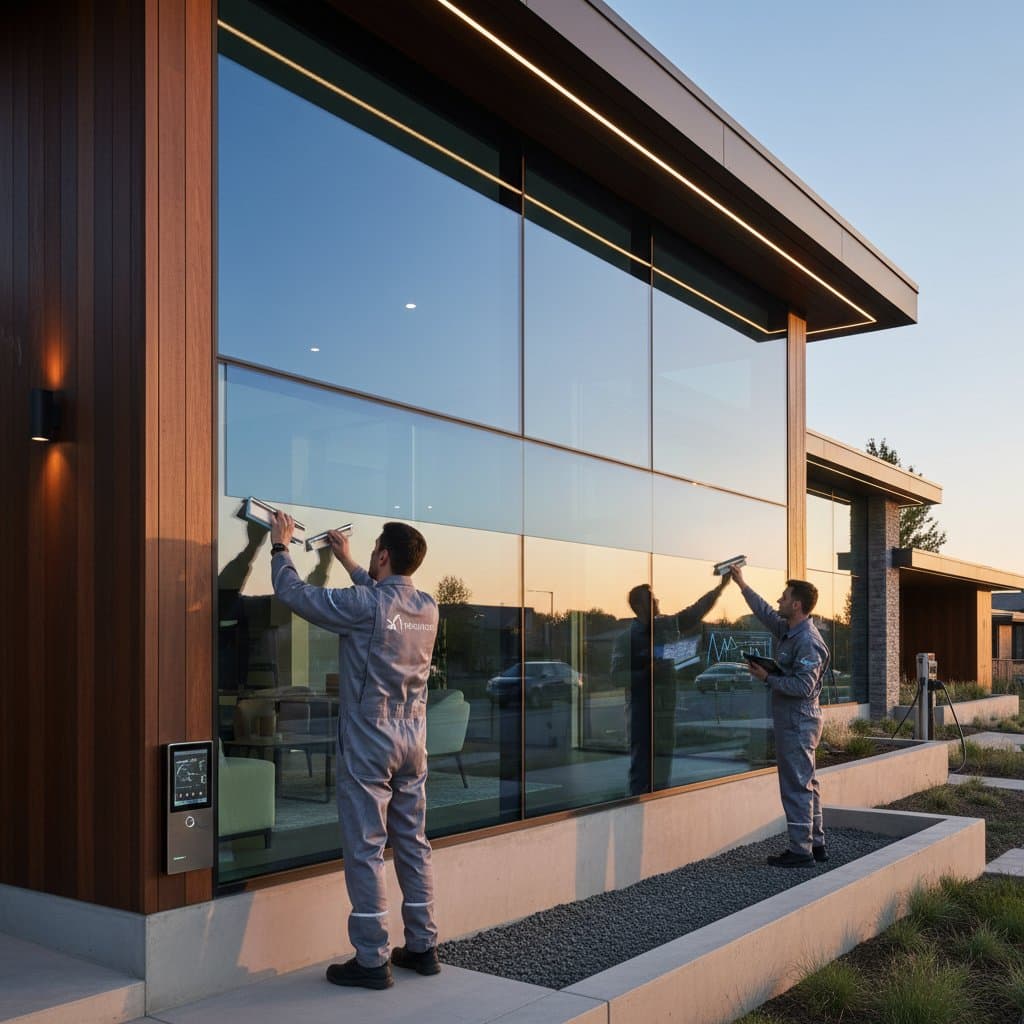
- Skipping Professional Installation: DIY kits may seem cheaper but can lead to uneven tinting or bubbles. A professional ensures smooth adhesion and correct electrical connections.
- Underestimating Electrical Needs: Even low-voltage films require power access. Plan wiring routes during siding or trim updates to avoid visible cords later.
Coordinating Color and Style
A smart window film works best when integrated into a unified exterior palette. Try one of these combinations for balanced curb appeal:
- Modern Minimalist: Charcoal frames, cool white siding, and brushed steel hardware.
- Warm Contemporary: Bronze frames, taupe siding, and walnut-stained doors.
- Coastal Calm: Soft gray-blue siding, crisp white trim, and silver hardware.
- Industrial Edge: Black metal accents, reclaimed wood siding, and dark glass tint.
- Classic Neutral: Beige or greige siding with deep espresso-colored window frames.
Each palette reinforces the smart film’s personality: clean, efficient, and adaptable to different architectural styles.
Planning Photography Checklist
Before selecting your film or scheduling installation, document your home’s current exterior. A clear visual record helps you and your contractor coordinate design choices effectively.
- Take photographs from multiple angles, including close-ups of windows, doors, and trim.
- Note architectural details that define your home’s character.
- Record neighborhood color patterns and any homeowner association rules.
- Consider how sunlight moves across your façade during morning and afternoon hours.
- Define your budget range and identify which areas need the greatest improvement in comfort or privacy.
Bringing It All Together
The new electrochromic window film brings together design and performance in a way that was once limited to luxury builds. Its ability to shift from clear to tinted in seconds gives homeowners direct control over light and heat. What sets it apart is its versatility. Whether layered onto existing panes or integrated into new window systems, the film delivers both energy savings and aesthetic refinement.
For many, the smartest approach begins with a phased plan. Start with key rooms that receive the harshest sunlight, then expand as savings accumulate. Coordinate the film’s tone with your door finishes and siding colors for a unified look. Keep maintenance simple by choosing quality materials and professional installation.
Exterior design trends continue to move toward simplicity, energy awareness, and integrated technology. The eight-hundred-dollar smart film represents more than an upgrade in comfort. It signals a shift toward responsive architecture that adapts to its environment.