Why Recycled Aluminum Windows Reduce Carbon Emissions by 70 Percent
Homeowners upgrading windows typically prioritize aesthetics, insulation, and affordability. Sustainability now ranks equally high. Recycled aluminum windows lead in eco-friendly choices by reducing carbon emissions up to 70 percent versus virgin aluminum or vinyl options. This guide explores benefits for your home, finances, and planet.
Environmental Benefits of Recycled Aluminum
Aluminum ranks among the most recyclable construction materials. It reprocesses endlessly without quality loss. Primary production from bauxite demands immense energy. Recycled aluminum uses just 5 percent of that energy, yielding substantial carbon savings.
Selecting recycled aluminum windows shrinks your project's carbon footprint. The Aluminum Association reports up to 70 percent lower greenhouse gas emissions from recycled content. This stems from skipping energy-heavy mining, refining, and smelting.
Performance Inside the Home
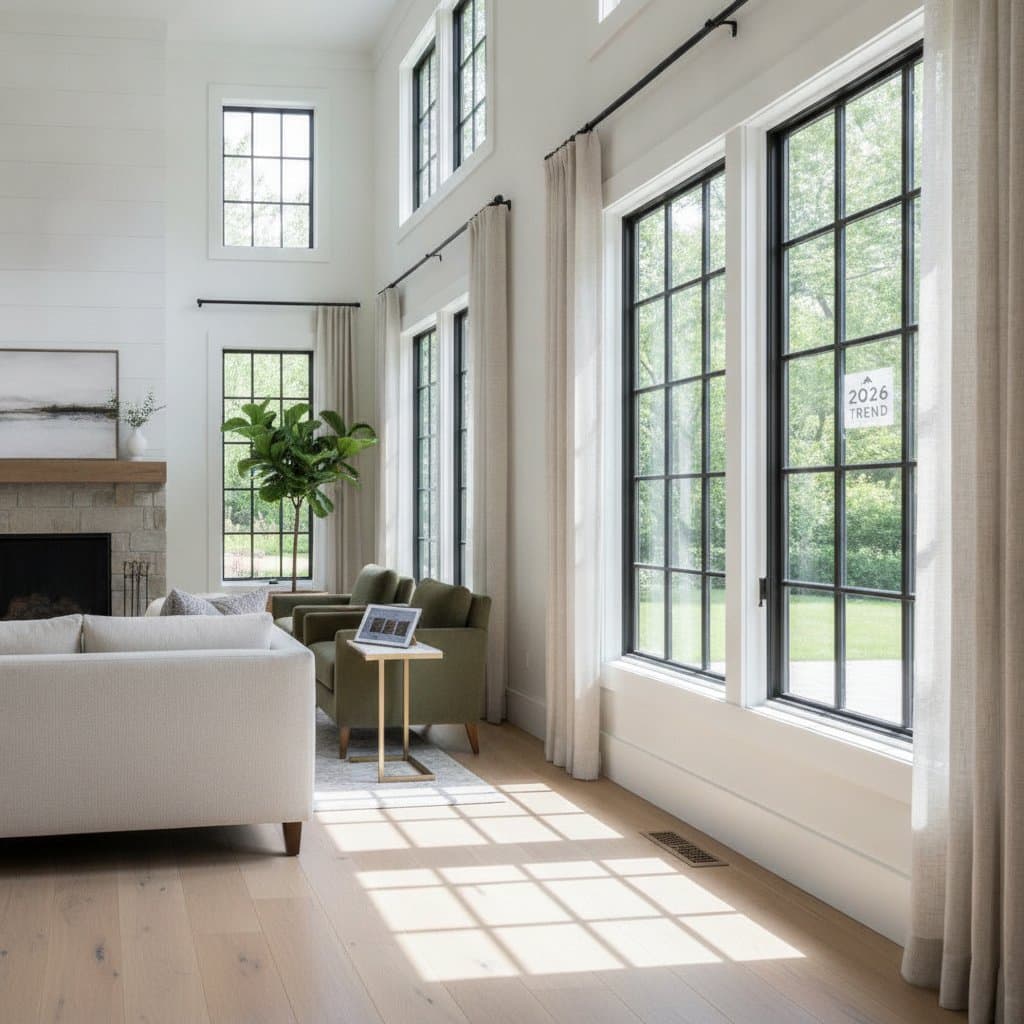
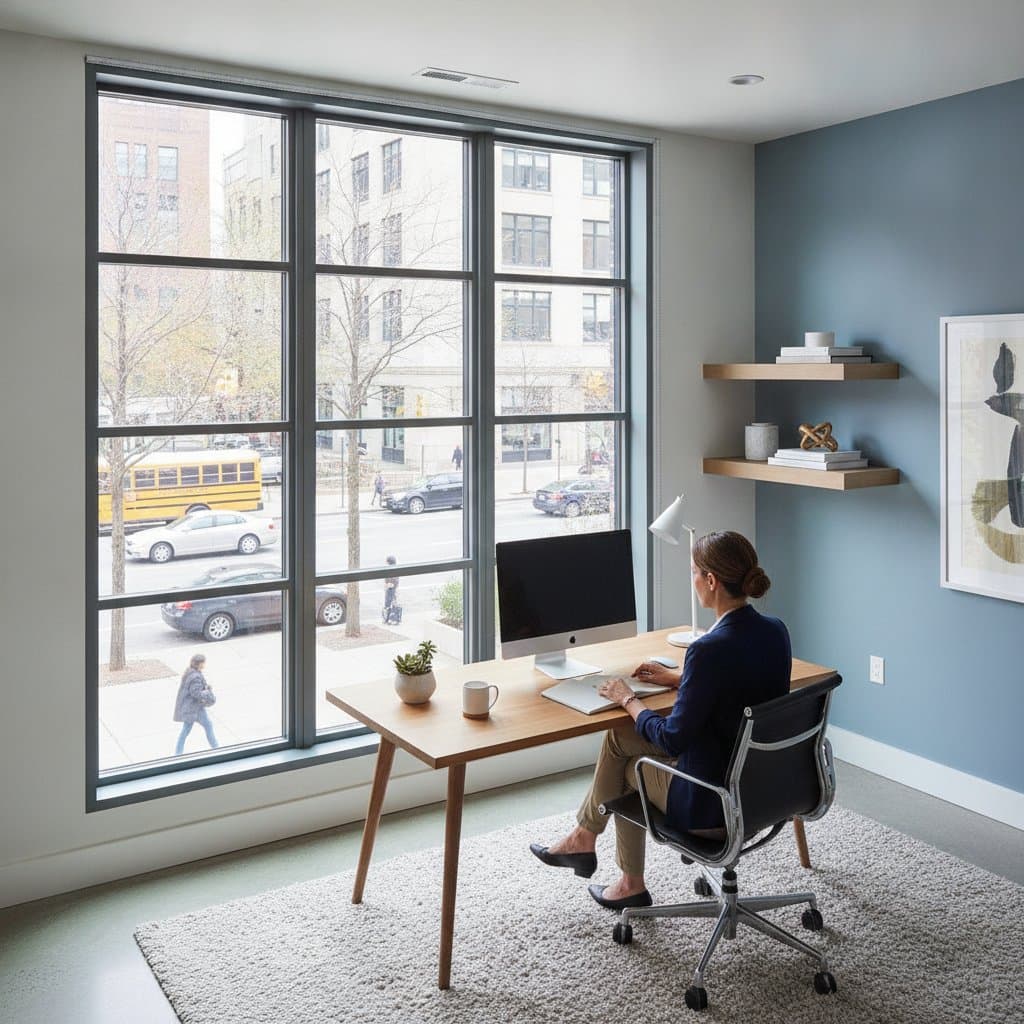
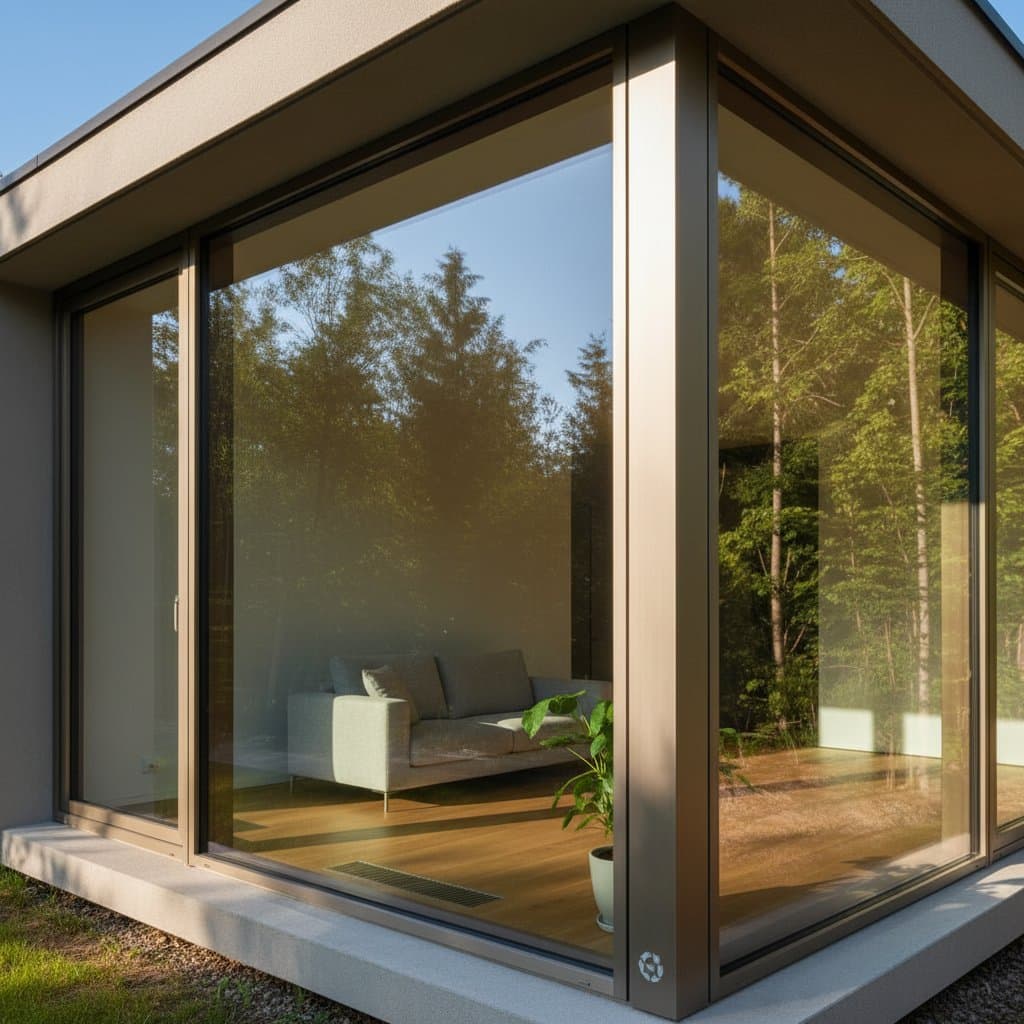
Beyond ecology, recycled aluminum excels in functionality. Its inherent strength enables slender frames for expansive glass areas. Expect brighter interiors, enhanced vistas, and contemporary lines.
Key advantages include:
- Durability against warping, cracking, and corrosion
- Minimal upkeep versus wood or vinyl
- Thermal breaks enhancing insulation
- Support for double or triple glazing to boost efficiency
Professionals favor aluminum's stability for oversized picture or sliding windows. Laura Benton, owner of GreenFrame Installations, notes, "Recycled aluminum frames match new ones in strength. Homeowners gain top performance plus sustainable manufacturing."
Cost Comparison: Recycled Versus Traditional Aluminum
Pricing for recycled aluminum windows fluctuates with dimensions, finishes, and glazing. Differences from standard aluminum remain modest, while environmental gains prove significant.
| Material Type | Average Installed Cost per Window | Carbon Reduction | Maintenance Level |
|---|---|---|---|
| Virgin Aluminum | $550 to $1,100 | Baseline | Low |
| Recycled Aluminum | $600 to $1,200 | Up to 70% | Very Low |
| Vinyl | $400 to $950 | Minimal | Low |
| Wood | $700 to $1,400 | Moderate | Medium |
Initial premiums for recycled options offset via reduced energy bills and upkeep. Aluminum's longevity further amplifies value over decades.
Key Factors Affecting Project Expenses
Multiple elements shape installation costs for recycled aluminum windows. Grasping them aids budgeting.
-
Frame Design and Dimensions
Standard double-hung or casement units cost less than large picture or bay styles, which demand extra materials and effort. -
Glazing Choices
Double or triple panes improve insulation at added expense. Low-E coatings enhance efficiency for about $50 to $100 extra per unit. -
Installation Demands
Retrofitting vintage homes might require framing reinforcements or seals. Labor runs $100 to $300 per window based on challenges. -
Finishes and Colors
Powder coating wards off fading and rust, increasing costs by 10 to 15 percent. -
Local Conditions
Regional codes, energy rules, and weather dictate selections and methods.
Sustainability Edge Over Other Materials
Aluminum surpasses rivals in recyclability and endurance. Vinyl, while budget-friendly, derives from PVC that resists recycling and emits toxins in production. Wood insulates well but demands ongoing care and treatments.
Recycled aluminum merges robustness, durability, and a near-complete recycling cycle. Scrap aluminum recirculates efficiently, avoiding waste. Each ton recycled conserves 14,000 kilowatt-hours otherwise needed for virgin metal.
Boosting Energy Efficiency and Comfort
Contemporary recycled aluminum windows feature thermal breaks, insulating inserts that curb heat flow. These resolve past aluminum insulation issues. Paired with advanced glass, they cut heating and cooling expenses by 10 to 25 percent.
The Window and Door Manufacturers Association states that thermal break aluminum achieves U-factors near 0.25, competing with premium vinyl and wood products. Such ratings suit diverse climates.
Installation and Upkeep Essentials
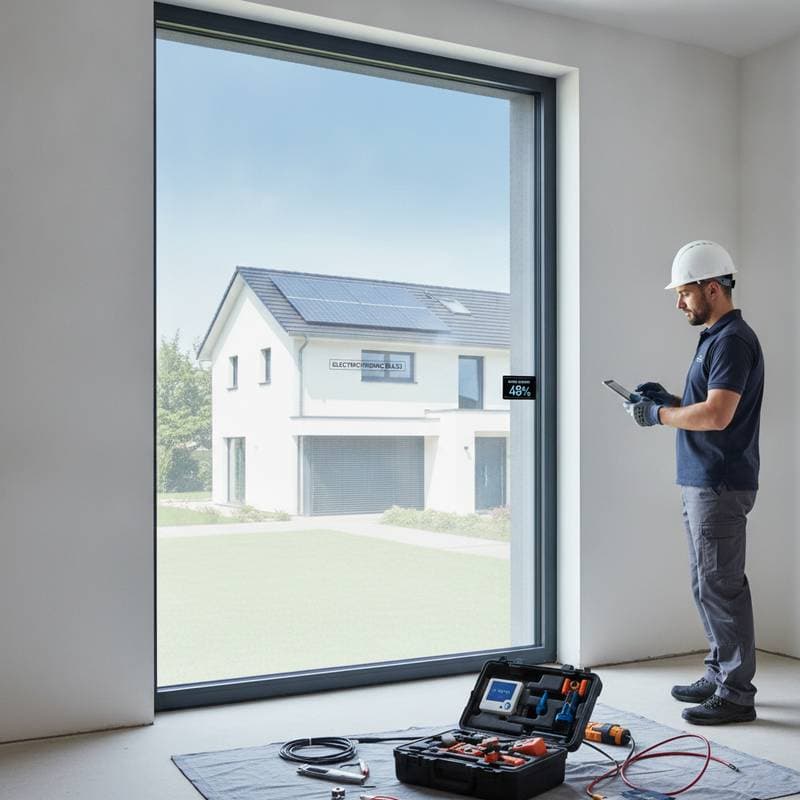
Window replacement with recycled aluminum mirrors conventional processes. Hire certified installers for precise seals and alignment. Poor fitting invites drafts and efficiency drops.
Upkeep stays simple. Wipe frames with soap and water routinely. Check seals and weatherstripping yearly. Corrosion resistance eliminates painting needs, even near water or in humidity.
Long-Term Value from Experts
Specialists highlight lifecycle economics of recycled aluminum. Mark Turner, certified energy auditor and window expert, observes, "Over 20 to 30 years, aluminum outperforms. Frames endure, energy use falls, and replacements dwindle."
Sustainable selections like these elevate property appeal. Prospective buyers prize features lowering bills and ecological harm.
Steps to Upgrade Sustainably
To pursue recycled aluminum windows, seek manufacturers transparent about recycled content. Prioritize LEED or ENERGY STAR certified items. Obtain bids from two or more qualified installers, reviewing labor and guarantees.
Pre-installation, evaluate current openings for rot or leaks. Fix issues upfront to secure efficiency. Recycled aluminum windows fuse superior function, design, and eco-impact for enduring home enhancement.