70% Carbon Reduction: The Rise of Recycled Aluminum Windows
Homeowners seeking sustainable upgrades often face choices between environmental benefits and practical costs. Recycled aluminum windows address this balance effectively. These frames reduce carbon emissions by up to 70 percent compared to traditional aluminum production, while offering durability and energy efficiency that appeal to builders and renovators alike.
This guide explores the performance of recycled aluminum windows, their pricing structure, and strategies for selecting the best options. Understanding these elements helps homeowners make informed decisions that align with long-term savings and ecological goals.
How Recycled Aluminum Reduces Carbon Emissions
Producing virgin aluminum starts with mining bauxite ore, a resource-intensive process that demands substantial electricity and emits high levels of greenhouse gases. In contrast, recycling aluminum uses existing material and requires just five percent of the energy needed for primary production.
The Aluminum Association reports that this recycling process saves over 90 percent of the energy typically consumed in extraction. As a result, manufacturers achieve approximately 70 percent lower carbon emissions when creating window frames from recycled sources.
James Holloway, a contractor with EcoFrame Installations, notes the dual advantages: Recycled aluminum windows lower utility bills and minimize environmental impact. They withstand extreme weather conditions and maintain performance for decades, making them a reliable choice for residential projects.
Key Factors Influencing Installation Costs
The total expense for installing recycled aluminum windows varies based on project specifics. Materials and labor combine to form the overall price, with several elements playing a central role.
Frame Dimensions and Design
Standard sizes for casement or double-hung windows keep costs lower, typically ranging from $450 to $800 per unit. Larger picture windows or custom configurations, such as arches or geometric shapes, increase expenses to $900 or more due to additional fabrication and precise fitting requirements.
Homeowners benefit from measuring existing openings accurately before purchasing. This step avoids unnecessary modifications during installation and helps control budget overruns.
Glass and Efficiency Features
Basic single-pane glass suits milder climates, but dual- or triple-pane options with low-emissivity coatings add $50 to $150 per window. Argon gas fills between panes further enhance insulation, reducing heat transfer and qualifying for potential energy rebates.
Selecting these upgrades pays off through decreased energy use. For instance, in colder regions, improved glazing can cut heating demands by 20 to 30 percent.
Labor and Installation Standards
Professional installers charge $150 to $400 per window, depending on complexity and location. They ensure airtight seals with weatherstripping and foam insulation, preventing drafts that undermine efficiency.
Opt for certified professionals who follow manufacturer guidelines. This approach extends the window's lifespan and maximizes return on investment.
Location-Based Variations
Costs rise in urban settings due to elevated labor rates and permitting processes, often adding 10 to 20 percent to the total. Rural areas might incur extra fees for material transport, though lower base labor can offset some increases.
Research local suppliers early to compare quotes. Bulk purchases for multiple windows frequently yield discounts of 5 to 15 percent.
Long-Term Environmental and Economic Returns
Initial investments in recycled aluminum windows range from $600 to $1,200 per unit, including installation. However, their 40-year durability and recyclability at end-of-life create significant value over time.
Energy Star data indicates annual savings of $125 to $340 on heating and cooling, varying by regional climate and home size. These reductions accumulate quickly, often recouping costs within 7 to 10 years.
Beyond finances, the material supports a circular economy by conserving resources. Recycled aluminum requires no quality loss in repeated cycles, reducing reliance on mining and landfill waste.
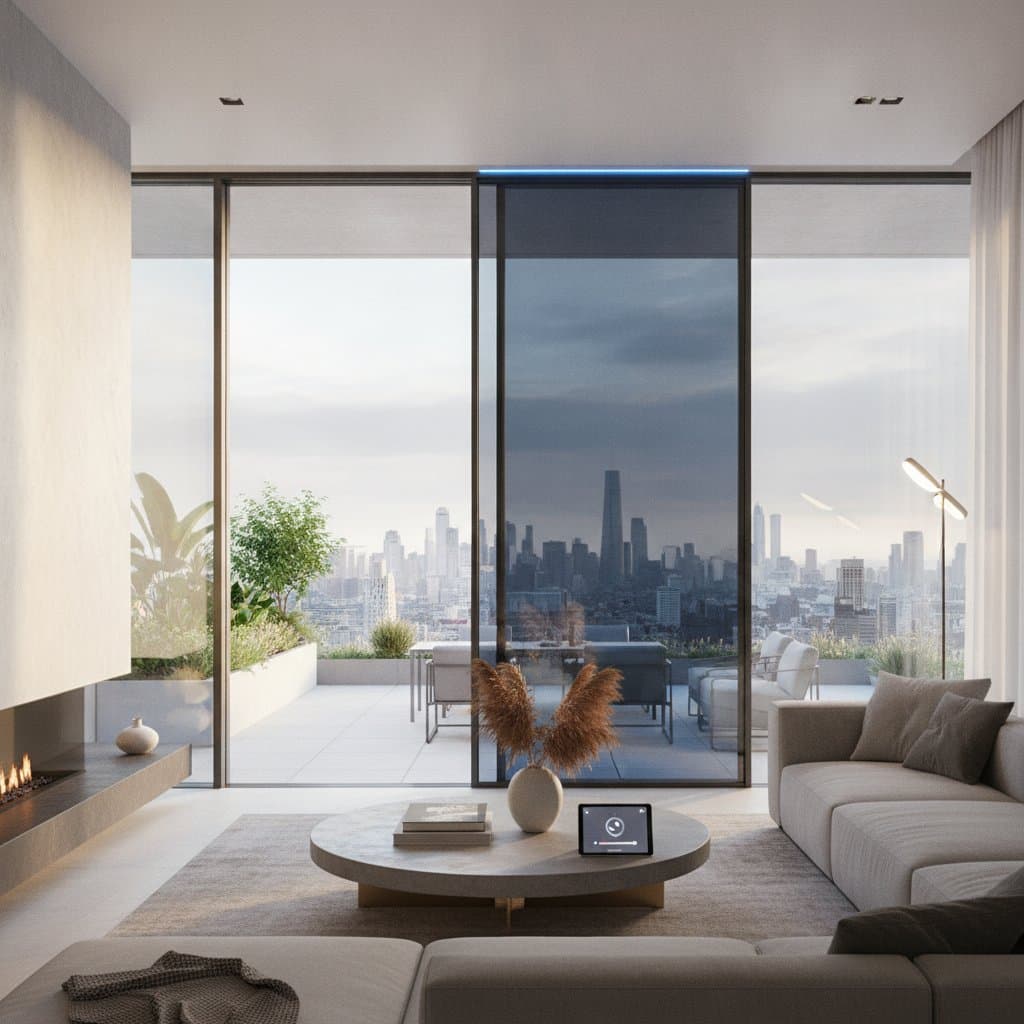
Pairing windows with smart thermostats or solar shading amplifies benefits. Such integrations can boost overall home efficiency by an additional 15 percent.
Material Comparison for Sustainable Choices
Evaluating frame options reveals the strengths of recycled aluminum in eco-friendly building.
| Frame Material | Recyclability | Average Lifespan | Carbon Output During Production |
|---|---|---|---|
| Recycled Aluminum | 100% | 40+ years | Very Low |
| Virgin Aluminum | 100% | 40+ years | High |
| Vinyl | Low | 20 to 30 years | Moderate |
| Fiberglass | Partial | 30 to 40 years | Moderate |
| Wood | Limited | 15 to 25 years | Variable |
This overview underscores recycled aluminum's edge in longevity and low-impact production. It combines metal strength with minimal ecological harm, ideal for forward-thinking renovations.
Selecting Reliable Suppliers and Installers
Verify that suppliers incorporate verified recycled content, often 75 percent or more from post-consumer sources. Request certificates from organizations like the Aluminum Association to confirm claims.
Choose installers with proven experience in aluminum systems. They should demonstrate techniques for moisture barriers and thermal breaks to avoid issues like fogging or energy loss.
Conduct site visits or review portfolios before committing. Established teams adhere to codes and offer warranties, providing peace of mind for your project.
Steps to Preserve Window Performance
Routine maintenance extends the life of recycled aluminum windows. Clean frames quarterly with mild soap and water to remove debris that could harbor moisture.
Inspect seals annually for wear, particularly around hinges and edges. Replace damaged weatherstripping promptly to sustain insulation levels.
In coastal or humid areas, apply protective coatings every five years. These measures prevent corrosion and ensure consistent energy performance, safeguarding your investment.
Realizing Sustainable Home Upgrades
Recycled aluminum windows deliver measurable gains in carbon reduction and cost efficiency. By prioritizing certified materials and skilled installation, homeowners achieve a resilient, green living space.
These upgrades not only lower emissions but also enhance comfort year-round. Consider starting with high-impact areas like south-facing exposures to see immediate improvements in light and temperature control.