Self-Dimming Glass: The Smart Window Trend Transforming Exterior Design
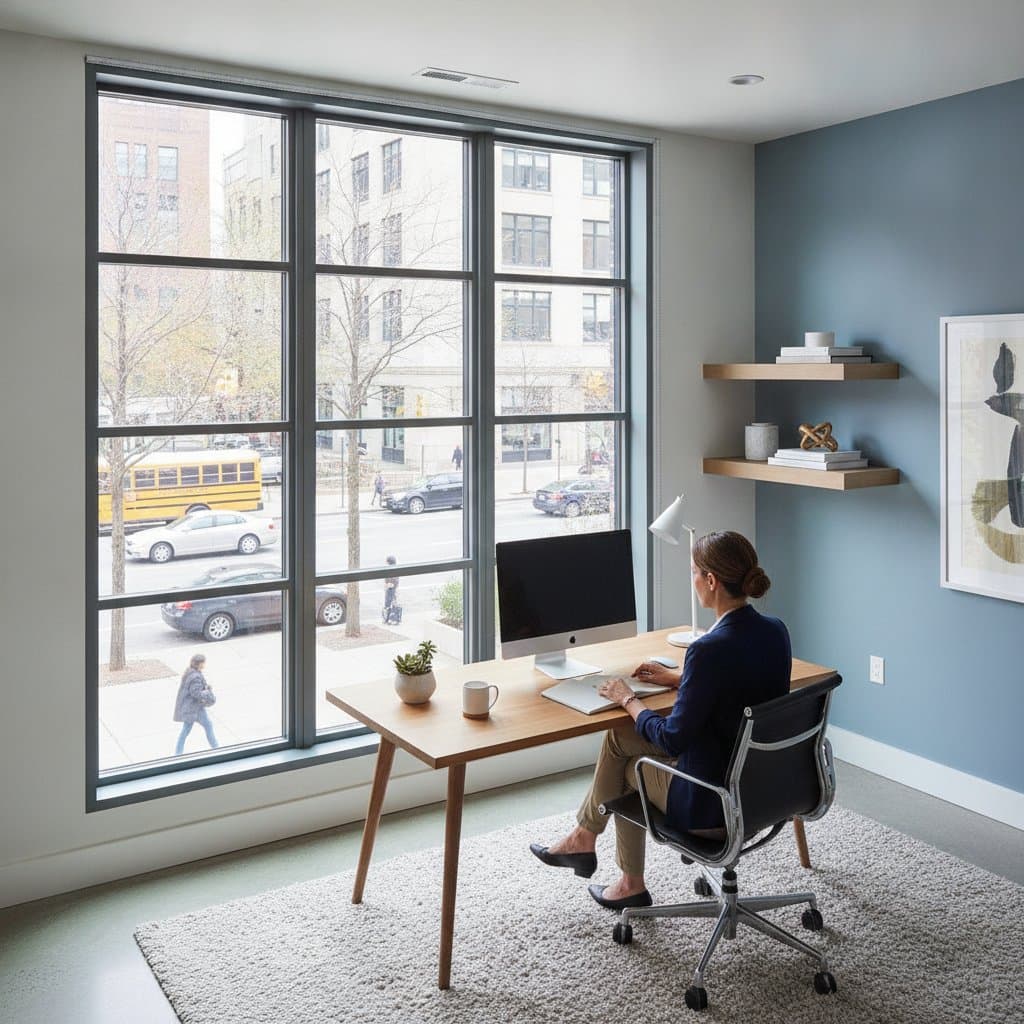
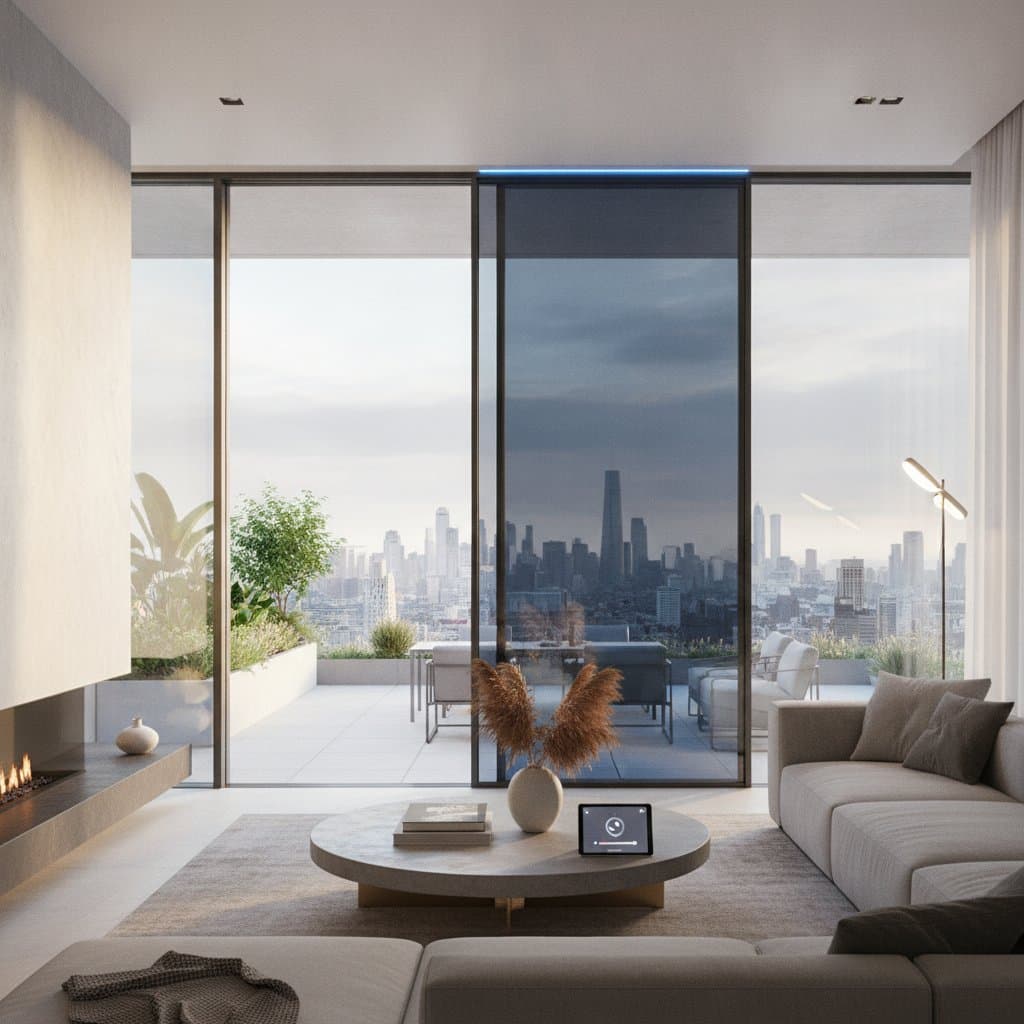
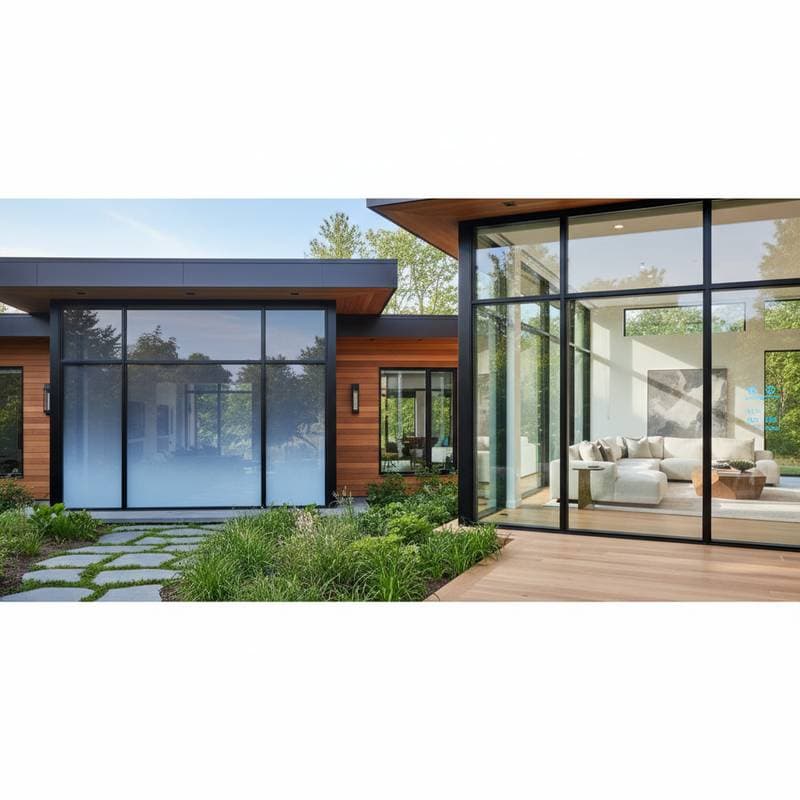
Smart technology has advanced from handheld devices to essential home features, now influencing window design in profound ways. Electrochromic glass, known for its self-dimming capabilities, drives a significant shift in exterior aesthetics. This material adjusts tint levels automatically to manage glare, heat gain, and privacy needs, all while preserving unobstructed views. The result is a streamlined, contemporary appearance that suits diverse architectural styles, from sleek urban residences to refreshed rural properties. Homeowners benefit from this integration of form and function, achieving enhanced visual appeal alongside practical daily improvements.
Three Ways to Achieve This Design
Budget-Friendly Option ($4,000 - $8,000)
- Apply electrochromic film directly to existing window panes to enable tint adjustments without replacing the entire unit.
- Target high-impact areas, such as south-facing exposures or expansive picture windows, to optimize performance and cost.
- Opt for manual controls or simple smartphone apps to manage tinting, avoiding the expense of advanced home automation systems.
Mid-Range Option ($10,000 - $18,000)
- Install hybrid smart-glass panels in new or replacement windows, featuring an electrochromic layer within standard double-pane setups.
- Upgrade to durable frames in black aluminum or composite materials, which provide a polished finish compatible with various exterior themes.
- Implement zone-specific tint controls across different home sections, promoting user convenience and balanced energy use.
Premium Option ($20,000 - $35,000)
- Equip the home with complete electrochromic window systems that include built-in sensors for automatic responses to sunlight and temperature changes.
- Incorporate advanced energy-efficient glazing and thermally broken frames to minimize ongoing costs for heating and cooling.
- Extend the design with coordinated smart-glass doors or sidelights, ensuring a unified and luxurious exterior presence.
Material and Finish Selection Guide
- Windows: Select narrow-profile frames to emphasize the glass surface. Finishes such as matte black, bronze, or subtle graphite coordinate effectively with common siding types. In traditional settings, add wood cladding to the frames for a blend of innovation and organic texture.
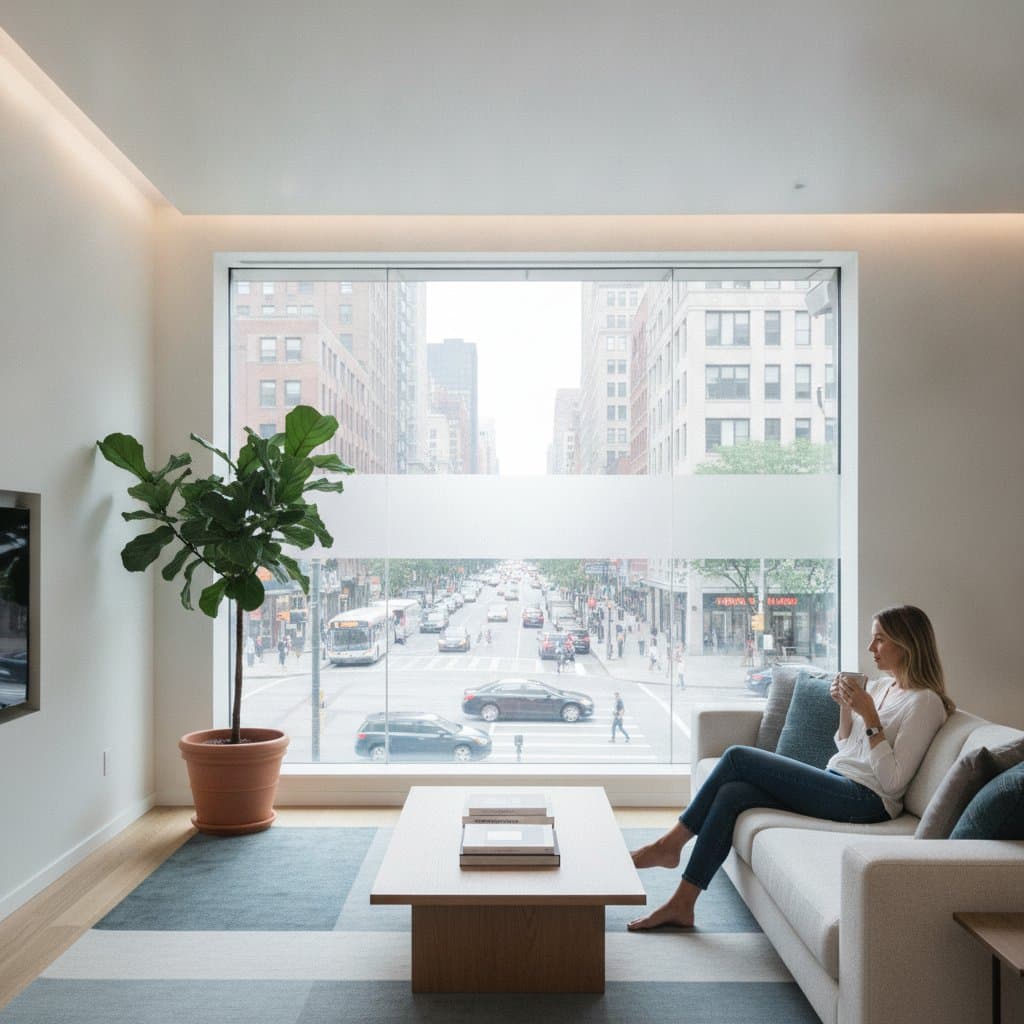
- Doors: Pair self-dimming windows with contemporary pivot or French doors that include smart-glass sections. Adjustable frosted tints support privacy without blocking natural light. Select hardware in brushed nickel or matte black to maintain design consistency.
- Siding: Use smooth fiber cement or vertical composite panels to accentuate the precise lines of smart glass. In regions with high temperatures, choose pale shades like cloud white or driftwood gray to aid in heat reflection and amplify the glass's efficiency.
- Trim and Accents: Employ understated trim in neutral shades to direct focus toward the windows. For emphasis, apply darker trim around prominent glass areas to form a bold architectural outline.
Maintenance Considerations
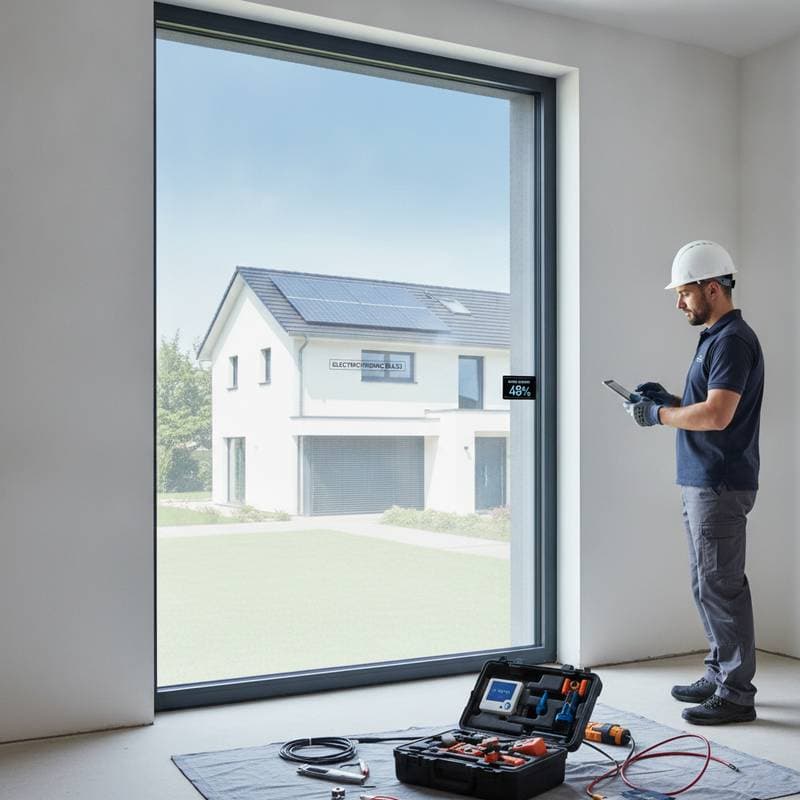
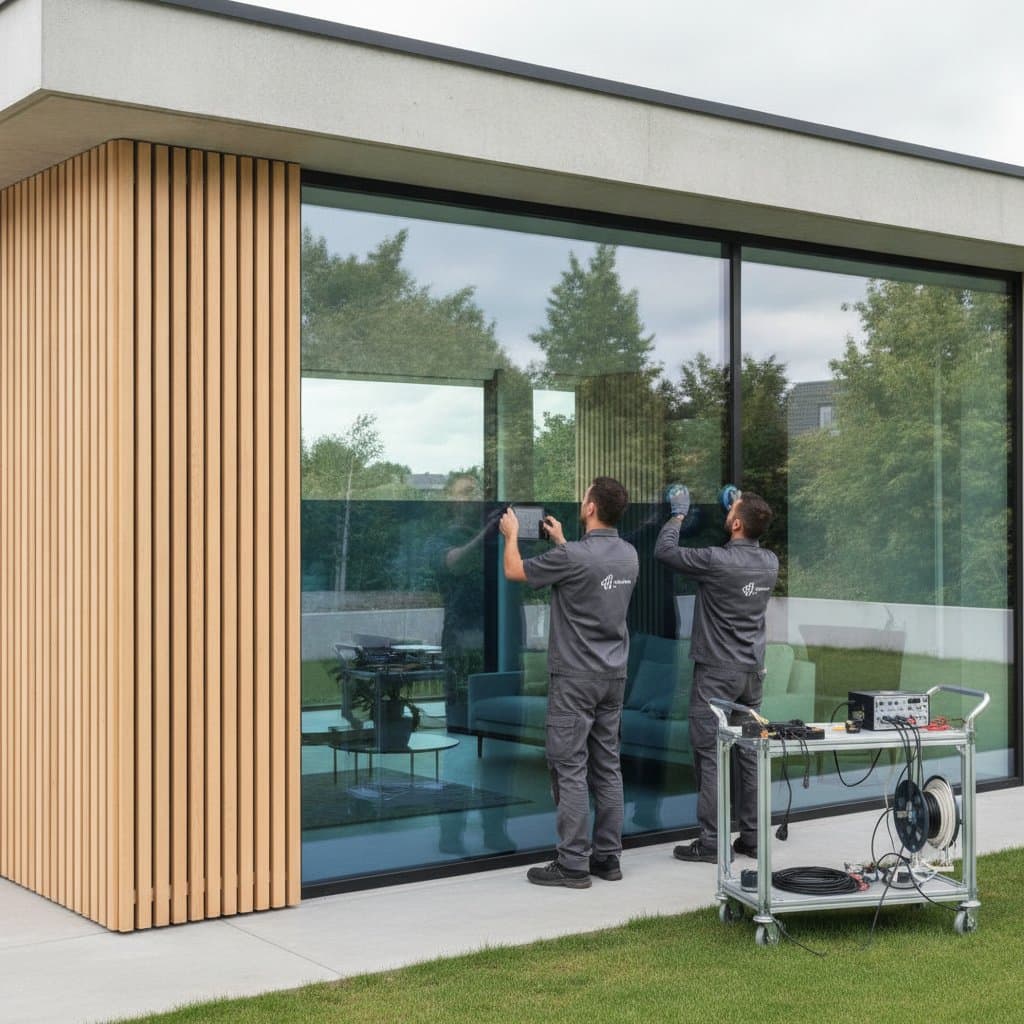
Electrochromic glass requires minimal upkeep relative to conventional tinted options. The sealed electrochromic layer within the pane resists weathering, fading, and everyday wear, allowing standard cleaning methods. Electrical elements that drive the tinting mechanism demand periodic attention. Schedule professional checks every two to three years to verify secure, dry connections. In humid or coastal environments, prioritize wiring with corrosion protection and fully sealed frames to withstand moisture and salt.
Common Pitfalls to Avoid
- Excessive Tinting: Overuse of dark or reflective surfaces may create a fortress-like feel. Balance smart glass with clear or low-tint panels to foster inviting light and varied visual dynamics.
- Mismatched Frames: Advanced glass paired with worn trim disrupts harmony. Align frame colors and materials with the broader exterior scheme for seamless integration.
- Neglecting Insulation: While electrochromic glass regulates light, frame quality determines thermal performance. Select materials with strong insulating properties to complement the glazing.
- Uneven Budget Allocation: Lavishing funds on glass alone, while ignoring doors or siding, leads to fragmented aesthetics. Distribute resources across key exterior components for balanced results.
Coordinating Colors and Styles
Effective exterior design hinges on unified light play, surface textures, and color harmony. The adaptive nature of self-dimming glass works well with subdued or organic finishes, creating subtle shifts in appearance. Consider this palette for a cohesive, modern exterior:
- Graphite Black for window frames and door hardware to ground the design.
- Soft White for siding or trim, providing clean contrast against tinted surfaces.
- Warm Cedar for soffits or porch elements, introducing natural warmth.
- Slate Gray for entry doors or garage panels, enhancing depth.
- Frosted Silver for exterior lighting, tying in reflective tones.
These selections build layered interest without dominating the structure. The glass's changing tint introduces vitality, evolving the home's facade with daily light cycles.
Pre-Installation Planning Checklist
Capture your home's current conditions and environmental influences to inform choices. This structured approach ensures selections enhance rather than clash with existing features:
- Exterior Photos: Take images from various viewpoints under morning, midday, and evening light to assess shadow patterns.
- Architectural Details: Note window shapes, trim profiles, rooflines, and siding textures for compatibility.
- Community Fit: Review neighboring styles and any association guidelines to maintain neighborhood cohesion.
- Environmental Data: Evaluate sun paths, local humidity levels, and temperature variations across seasons.
- Financial Focus: Rank priorities to allocate funds where they yield the greatest impact.
Integrating Smart Glass for Lasting Impact
Electrochromic glass merges advanced functionality with intuitive design, elevating everyday comfort through glare reduction and energy optimization. When combined with complementary doors, siding, and accents, it crafts a unified exterior that reflects contemporary priorities. View this upgrade as a strategic enhancement, delivering enduring efficiency and style to the home's front line.