Electrochromic Glass: The 2026 Smart Home Upgrade at $8,000
Smart homes continue to evolve with advanced technologies that enhance comfort and efficiency. Electrochromic glass stands out as a key innovation in residential design. This material, also known as smart glass or dynamic tinting glass, enables windows to adjust their tint manually or automatically in response to sunlight intensity.
Homeowners seeking energy-efficient and high-tech solutions find electrochromic glass increasingly viable. The technology integrates seamlessly into modern interiors, offering control over light, privacy, and temperature without traditional coverings like blinds or curtains. As adoption grows, understanding its benefits and costs becomes essential for informed decisions.
How Electrochromic Glass Functions
Electrochromic glass operates through a thin layer of electrochromic material sandwiched between glass panes. When a low-voltage electrical current passes through this layer, ions move to alter the glass transparency, shifting from clear to tinted states in minutes. This process blocks up to 99 percent of visible light and ultraviolet rays when activated.
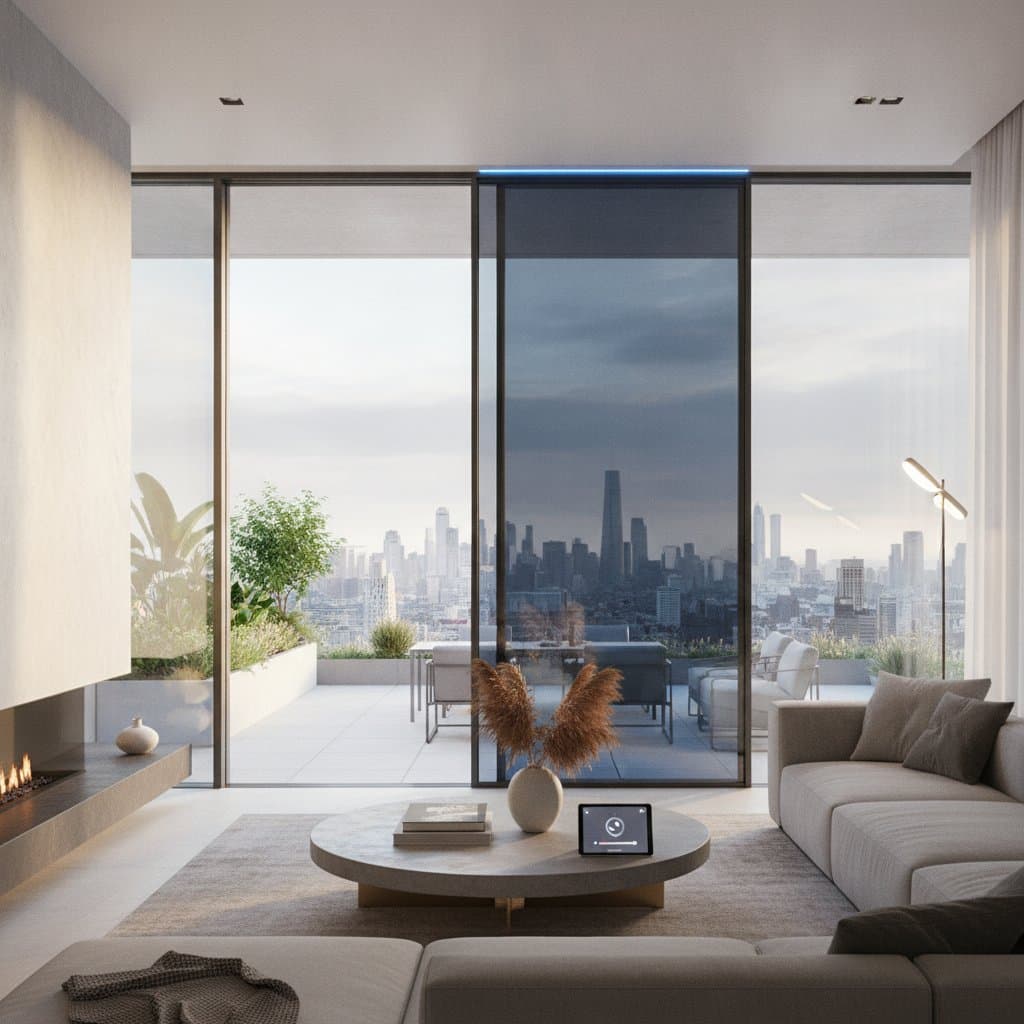
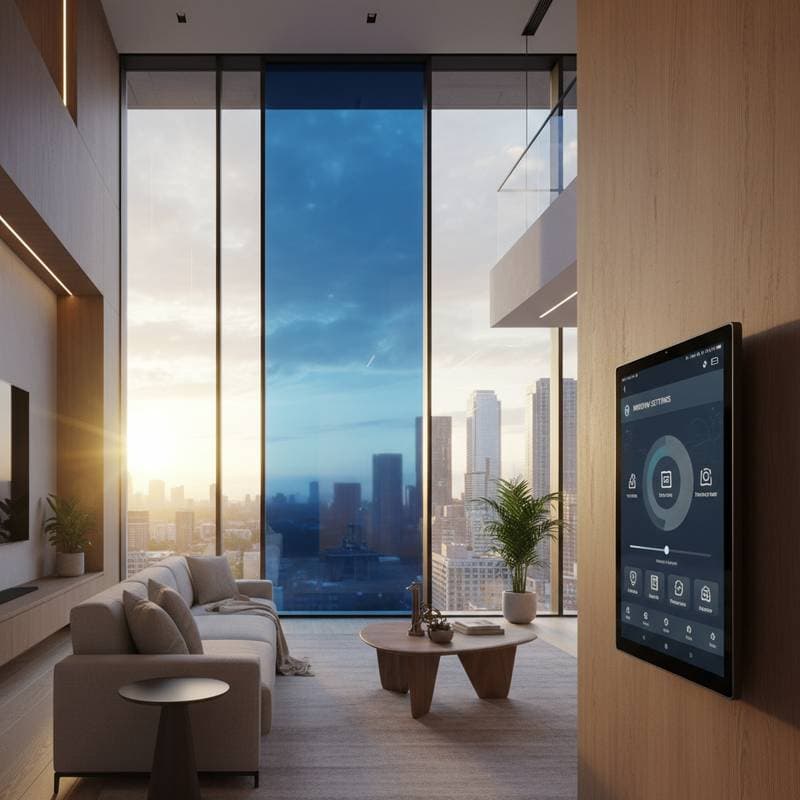
The system connects to sensors that detect sunlight levels, time of day, or user preferences. Integration with home automation platforms allows voice commands or app controls to manage tinting across multiple windows simultaneously. Such responsiveness not only improves aesthetics but also contributes to a healthier indoor environment by reducing glare and heat gain.
For example, in a sunlit living room, the glass tints automatically during peak afternoon hours, maintaining natural light while preventing overheating. This adaptability makes electrochromic glass suitable for various climates, from sunny deserts to temperate zones.
Detailed Cost Breakdown for Installation
The expense of electrochromic glass varies based on project scope, window dimensions, and additional features. Materials alone range from $75 to $150 per square foot, reflecting the advanced manufacturing process that embeds conductive films and control layers. Larger panels or custom shapes increase this base price.
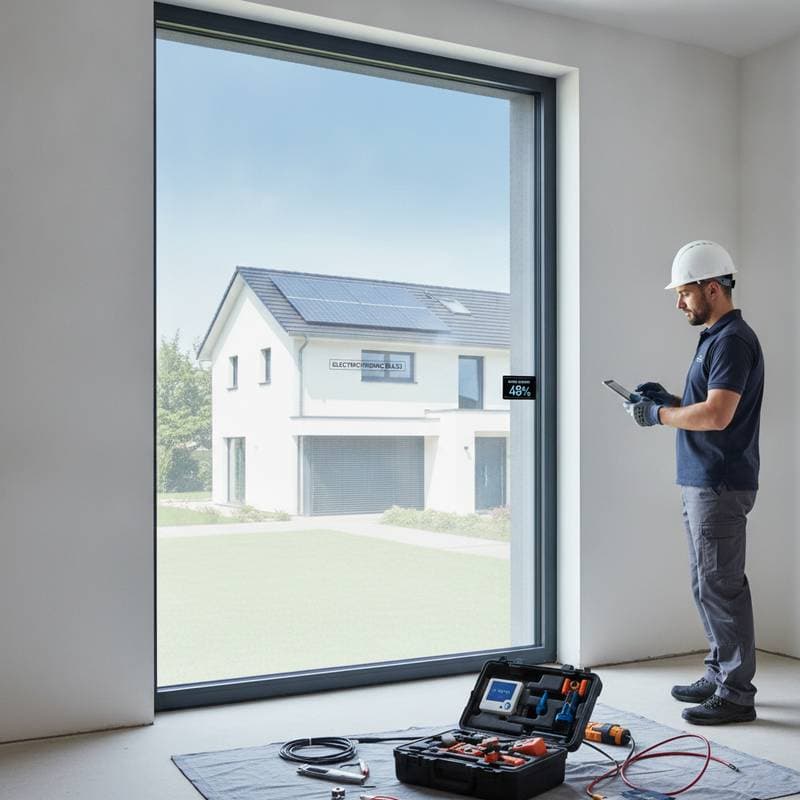
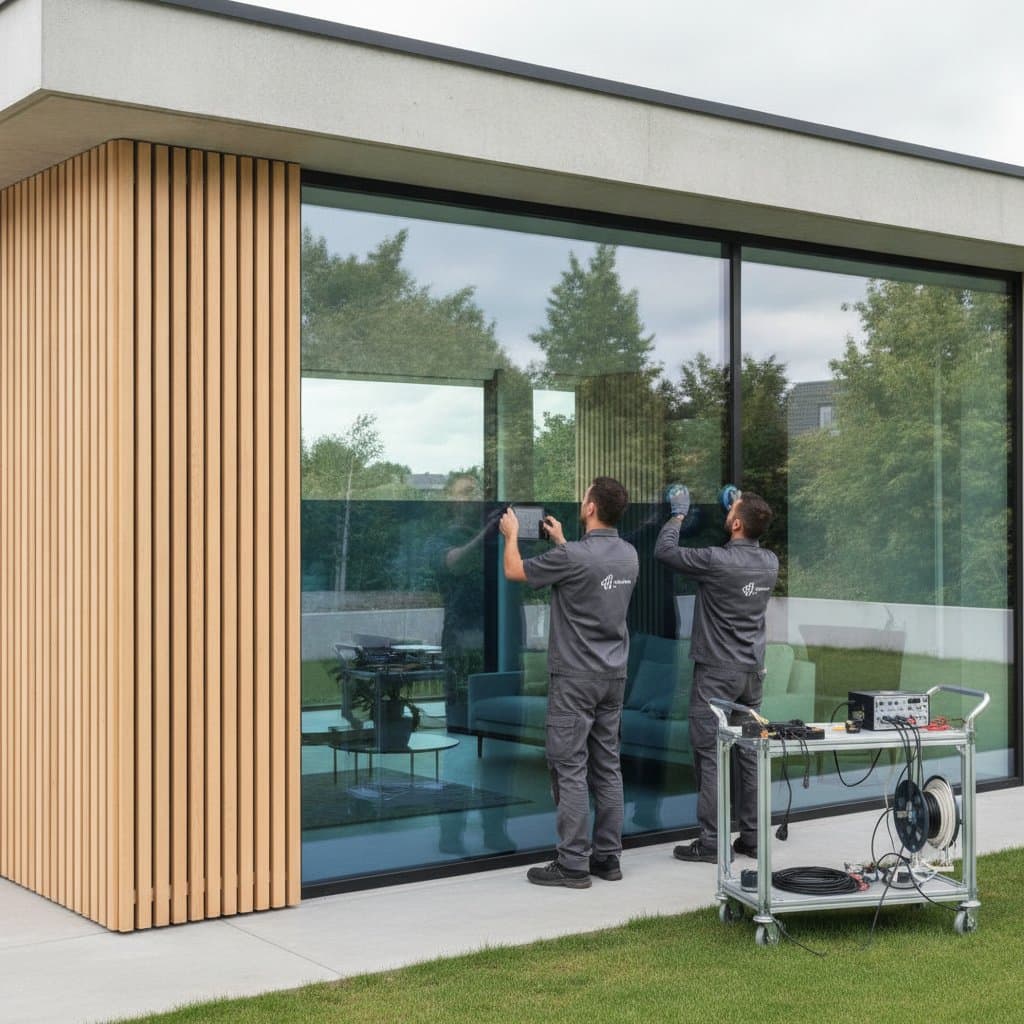
Installation demands skilled labor to ensure precise fitting and electrical integration. Labor costs typically span $1,500 to $3,000 for a standard project, covering removal of old windows, sealing, and testing. Professionals must calibrate the system to avoid operational issues.
Control systems add $800 to $2,000, depending on complexity. Basic options include wall-mounted switches, while advanced setups feature wireless connectivity for remote access. Power supply and wiring contribute $400 to $800, involving safe electrical routing compliant with building codes.
Optional integrations, such as linking to smart thermostats or security systems, range from $500 to $1,200. These enhancements enable coordinated responses, like tinting windows when the home alarm activates for added privacy.
The table below summarizes these elements for clarity:
| Material/Service | Cost Range | Key Features |
|---|---|---|
| Electrochromic Glass Panels | $75 to $150 per square foot | Adjustable tint levels, UV blocking, thermal insulation |
| Installation Labor | $1,500 to $3,000 total | Custom fitting, electrical setup, system calibration |
| Smart Control System | $800 to $2,000 | App integration, sensor automation, user interfaces |
| Power Supply and Wiring | $400 to $800 | Low-voltage connections, code-compliant installation |
| Optional Home Automation Integration | $500 to $1,200 | Voice control compatibility, multi-device syncing |
For a home with 8 to 10 standard windows, total costs average $7,000 to $9,000. Expansive projects, such as whole-house retrofits, may exceed $12,000, particularly in historic homes requiring specialized framing.
Perspectives from Industry Professionals
Mark Daniels, a licensed window installer based in Denver, observes that electrochromic glass appeals to homeowners desiring precise energy management without visible obstructions. He notes, “Electrochromic glass is becoming popular with homeowners who want energy control without bulky window coverings. It is not just about looks; it can reduce cooling costs by up to 20 percent in sunny regions.”
Emily Torres, a smart home consultant in California, emphasizes the technology's interoperability. She states, “Homeowners appreciate that they can link electrochromic windows with other systems, like smart thermostats or voice assistants. The automation potential is what really sets it apart from standard energy-efficient glass.”
These professionals underscore the value beyond initial investment. Energy savings often recoup costs over time, with rebates available in some regions for qualifying installations. The combination of durability and smart features positions electrochromic glass as a forward-thinking choice.
Upkeep and Expected Durability
Electrochromic glass demands minimal routine care, similar to standard double-pane windows. Use mild, glass-safe cleaners and microfiber cloths to avoid scratching the surface. Avoid abrasive materials that could damage the conductive coating.
The sealed design protects internal components from environmental factors like humidity or particulates. Annual checks for loose connections or unusual tinting behavior help maintain performance. Installers often provide warranties covering defects for 10 to 15 years.
With diligent maintenance, the glass sustains functionality for over 20 years. Switching cycles number in the millions without degradation, ensuring long-term reliability. In rare cases, panel replacement costs $500 to $1,000 per unit, far less than full system overhauls.
Steps to Implement Electrochromic Glass in Your Home
Begin the upgrade process with a consultation from certified installers. They assess your current window frames, energy needs, and layout to recommend optimal configurations. Request detailed quotes outlining materials, labor, and timelines.
Consider zoning options, where different rooms tint independently based on usage patterns. For instance, bedrooms might prioritize privacy modes, while offices focus on glare reduction. Budget for potential incentives, such as tax credits for energy-efficient home improvements.
Once installed, test the system thoroughly to confirm seamless operation. Electrochromic glass elevates living spaces by blending technology with design, delivering sustained comfort and efficiency that aligns with sustainable home goals.