Electrochromic Windows: The Smart Glass Revolution in Modern Homes
Electrochromic windows, commonly known as smart glass, alter how homeowners approach comfort, energy efficiency, and design. These advanced glazing systems feature a thin coating of materials that adjust tint in response to an electric current. As demand grows toward a multi-billion-dollar market, the technology transitions from commercial applications to residential settings, where it combines lifestyle enhancements with practical performance.
Homeowners upgrading windows discover that electrochromic glass delivers precise control over light, temperature, and privacy via an automated system that integrates function and style. To decide wisely, individuals must grasp the mechanics, pricing, and long-term performance of these windows.
How Electrochromic Windows Work
Each electrochromic window consists of a multi-layered glass assembly. Two panes enclose a thin layer of electrochromic material, typically metal oxides. A low-voltage electric charge prompts ions to shift within this layer, modulating the passage of light and heat; the process reverses to restore clarity.
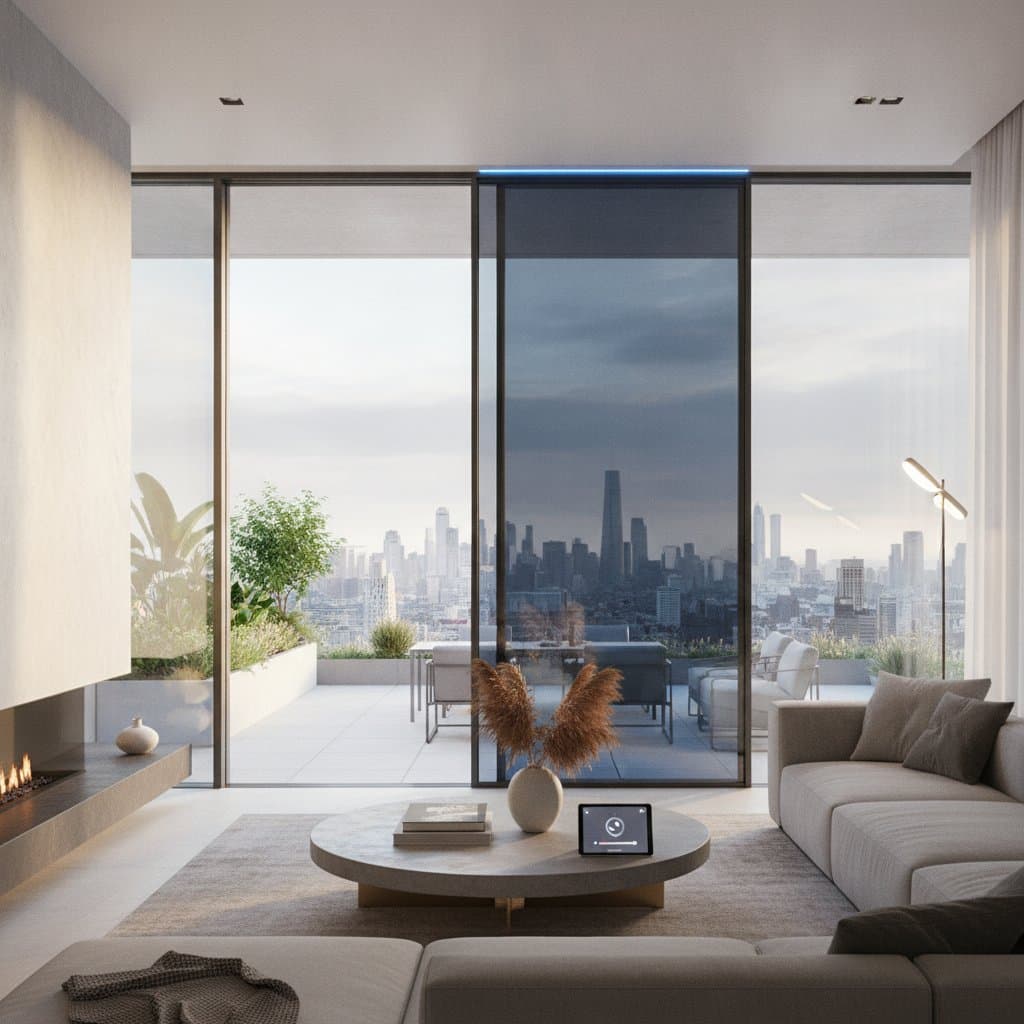
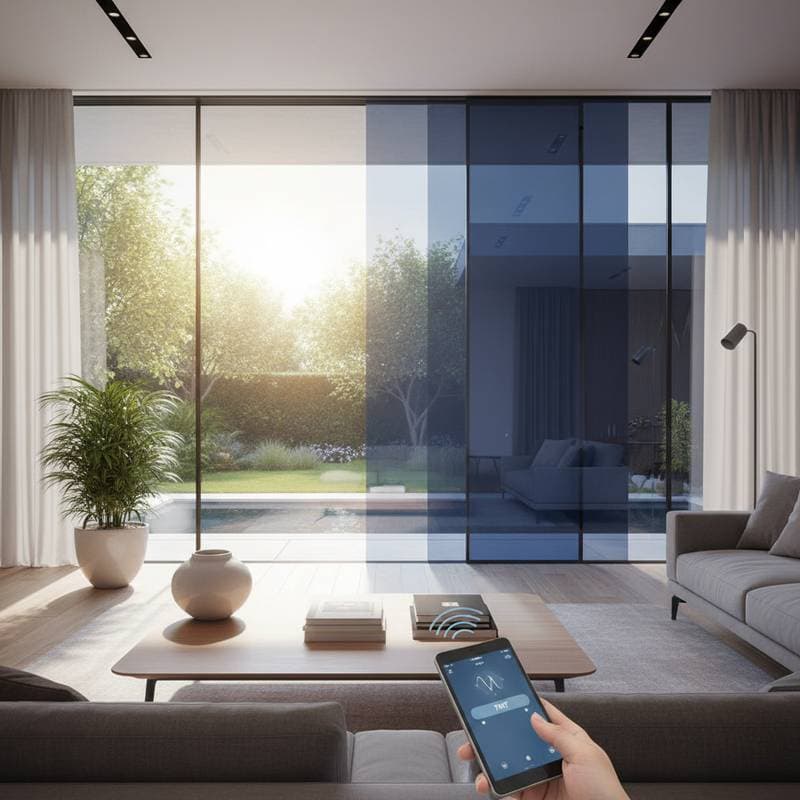
Users operate the tint change via a wall switch, remote control, or smart home integration. Advanced models incorporate sensors that respond to sunlight intensity for automatic adjustments. The shift occurs gradually and silently, mimicking natural light variations without mechanical noise.
Material and Technology Options
Electrochromic technology offers several variants to suit different needs. Common types include all-solid-state systems using inorganic materials for enhanced durability, polymer-based options that provide flexibility and rapid tinting, and hybrid models that balance performance across clarity, speed, and efficiency.
Homeowners select based on regional climate, sun exposure, and compatibility with existing setups. For instance, solid-state glass excels in high-traffic areas, while polymers suit curved or custom installations.
Cost and Long-Term Value
Electrochromic windows carry a higher initial price than standard double-pane glass, with costs varying by size, controls, and wiring. Installation for a typical home might range from moderate to substantial, depending on project scale.
Over the lifecycle, benefits emerge through reduced energy use. These windows block solar heat in summer and preserve warmth in winter, easing HVAC demands. They also minimize glare and UV rays, protecting furnishings and potentially lowering replacement costs.
Comparison Table
| Option | Initial Cost | Lifespan | Maintenance | Best For |
|---|---|---|---|---|
| Standard Low-E Glass | Moderate | 20+ years | Minimal | General energy efficiency |
| Electrochromic Glass | High | 20+ years | Minimal electronic checks | Smart control and comfort |
| Tinted or Reflective Glass | Low | 15+ years | Cleaning only | Budget projects in sunny regions |
Benefits and Drawbacks
Electrochromic windows present distinct advantages alongside considerations for implementation.
Benefits
- Energy efficiency through reduced heat transfer, which lightens HVAC loads.
- Comfort control via adjustable tint that optimizes daily lighting.
- Aesthetic flexibility that complements contemporary architecture.
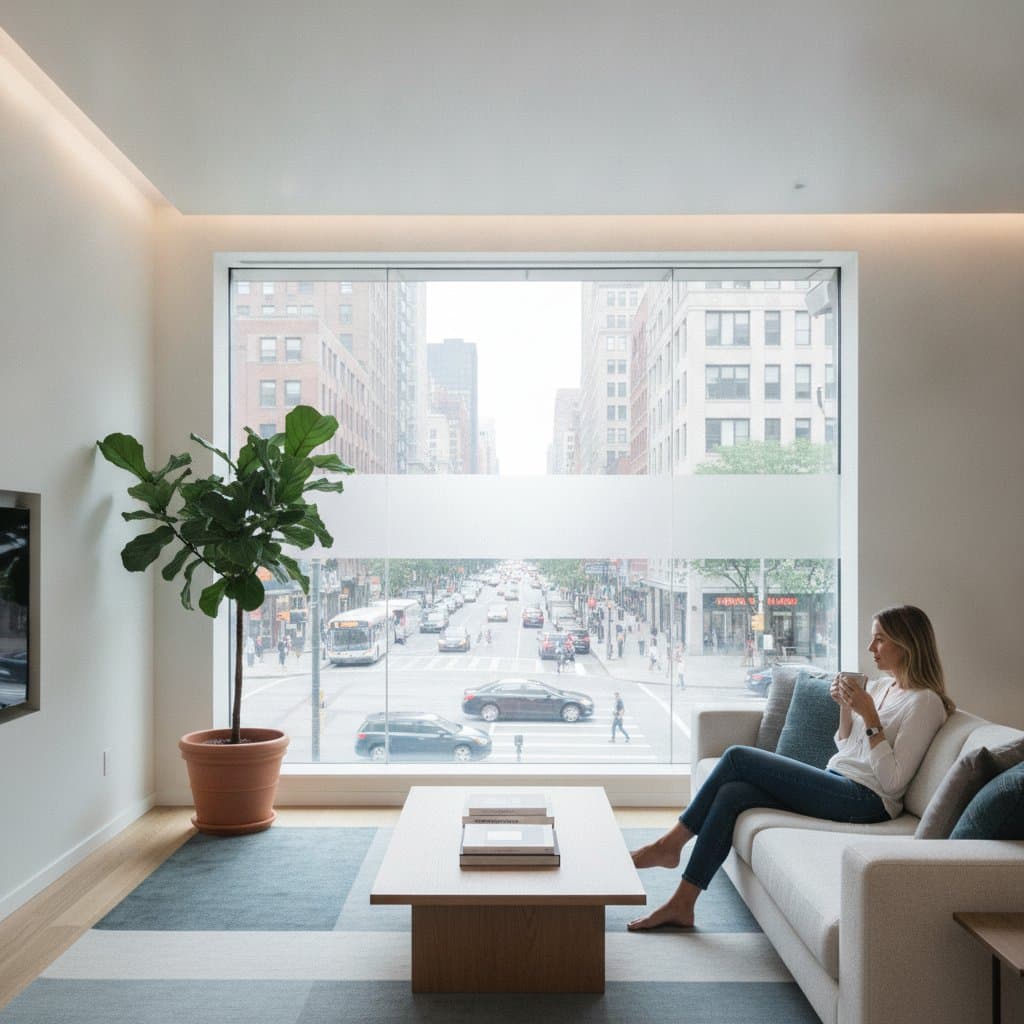
- On-demand privacy without the need for blinds or curtains.
- Seamless integration with smart home ecosystems for automated operation.
Drawbacks
- Elevated upfront expenses that challenge budgets for extensive installations.
- Complex setup requiring electrical expertise and professional handling.
- Regional limitations in installer availability.
- Tint transition times that vary from seconds to minutes in certain models.
Homeowners balance these elements against personal energy objectives and daily routines.
Installation Process Overview
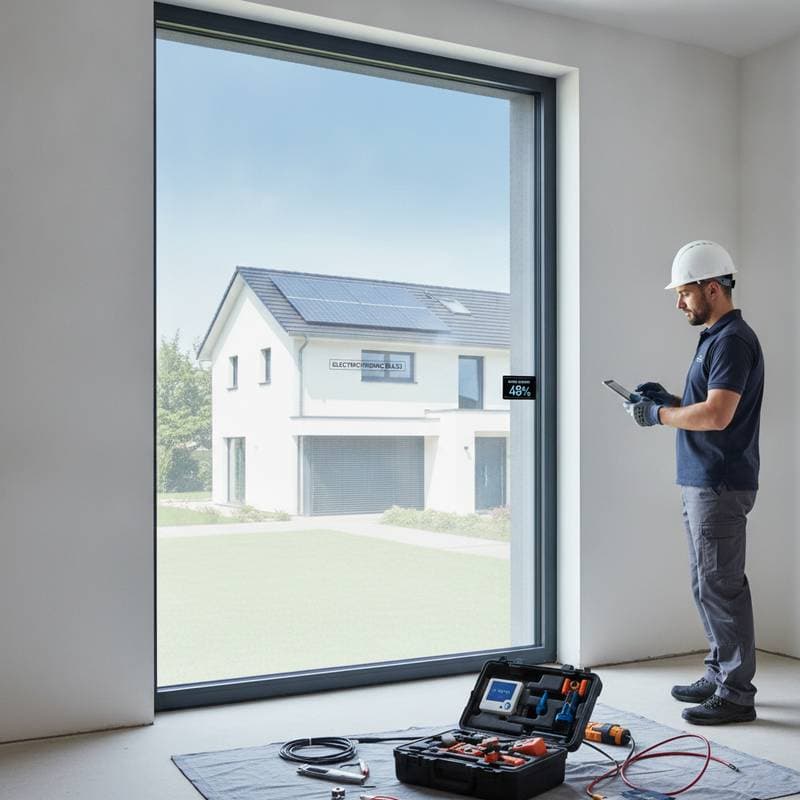
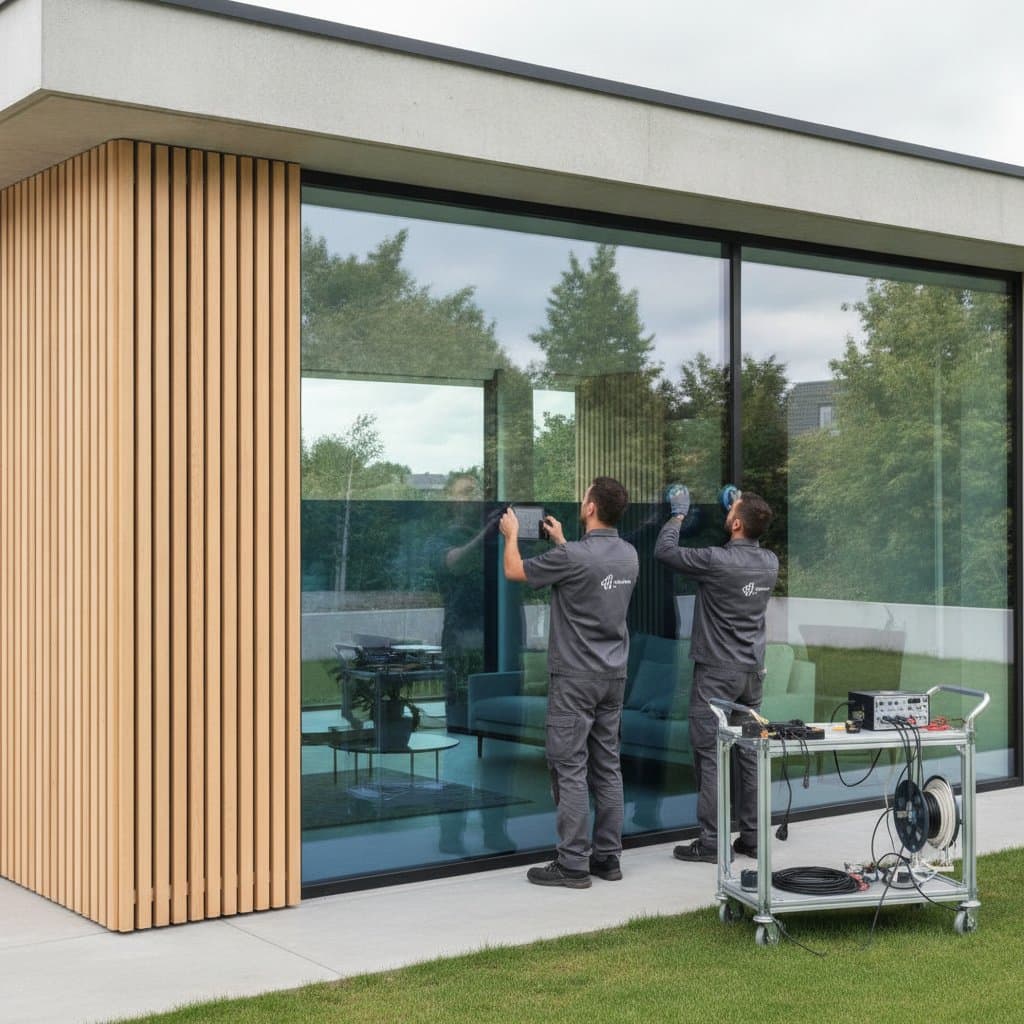
Electrochromic glass installation demands collaboration between glazing and electrical specialists. The process starts with site evaluation to review window placement, power sources, and automation compatibility.
Contractors measure frames, upgrade them if necessary for added thickness and wiring, then install the units with low-voltage connections. Post-installation testing verifies tint uniformity and responsiveness. Homeowners receive guidance on controls, from panels to apps, ensuring smooth operation.
This approach extends beyond pane replacement, typically spanning several days for larger projects, yet yields a reliable, integrated system.
Aligning Windows with Daily Routines
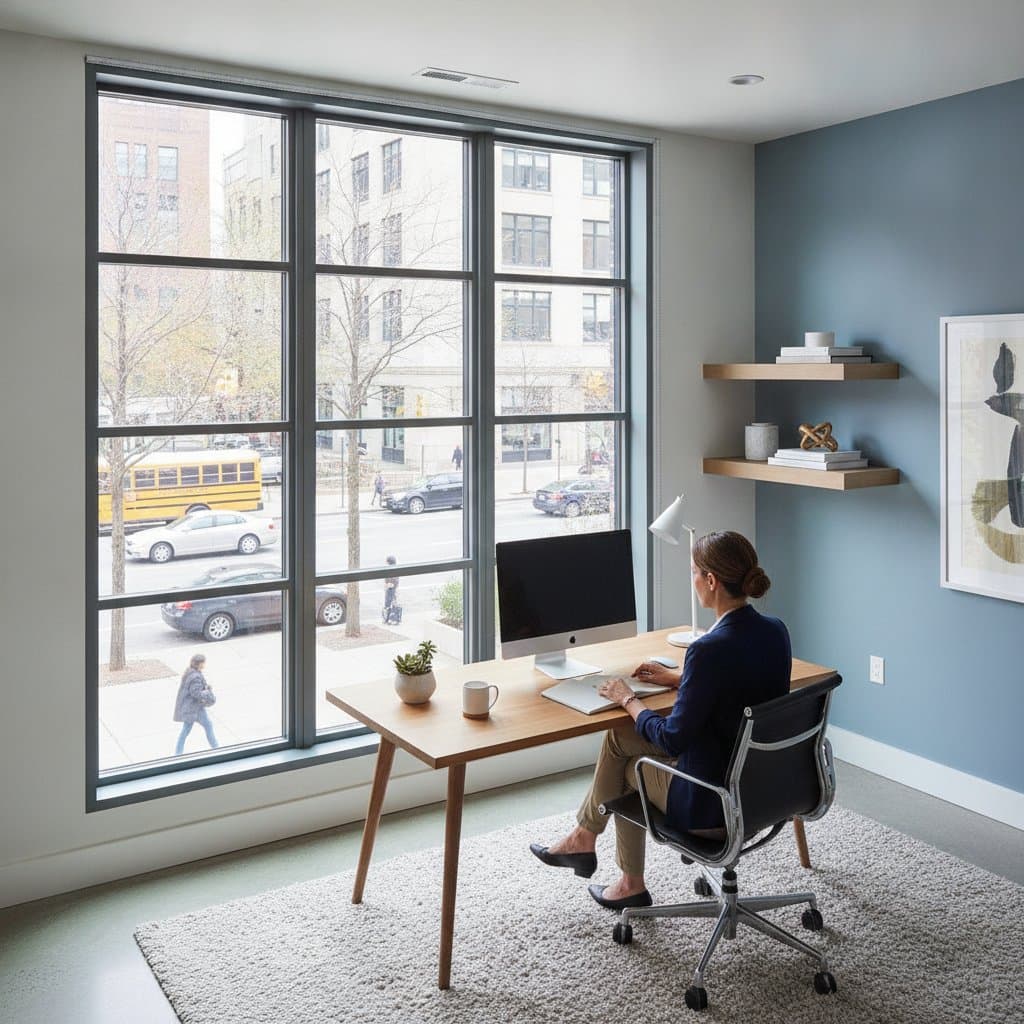
Technical capabilities matter, but alignment with lifestyle determines satisfaction. Remote workers gain from glare reduction that sharpens screen views without disrupting natural light.
Open-plan homes with expansive glass benefit from brightness management that preserves openness. Families eliminate blind cords for safer environments, while privacy seekers avoid bulky coverings. The fluid tint transitions foster a serene, modern ambiance that elevates living spaces.
Maintenance and Reliability
Routine care for electrochromic windows mirrors standard glass cleaning, with sealed electronics shielded from environmental factors. Annual checks of wiring and modules prevent issues.
Warranties often span decades for both glass and components; verify terms for panel-specific replacements. Proper setup and upkeep support performance over 20 years or more.
Regional and Climate Factors
Local conditions influence electrochromic window effectiveness. Sunny, warm areas maximize cooling savings via solar control, while cold regions leverage winter transparency for passive heating.
Factors like humidity or coastal exposure guide sealing choices. Engage local experts versed in codes to adapt installations for durability.
Smart Home Integration
Electrochromic windows pair effortlessly with automation platforms. Link them to sensors for tint adjustments tied to temperature or light, amplifying savings and ease.
Examples include auto-darkening at midday peaks or remote tweaks for absent owners. This connectivity transforms windows into proactive home elements.
Investment Outlook and Design Impact
Smart glass boosts property value amid rising energy standards, appealing to future buyers. Low power needs keep running costs minimal, with materials resisting wear.
Larger glass expanses become viable without comfort trade-offs, opening remodel opportunities. Homes gain adaptability, brightness, and openness tailored to seasons.
Steps to Select Ideal Windows
Start selection by clarifying priorities such as savings, ease, or style. Consult contractors to match goals with specs.
- Analyze sun exposure to prioritize dynamic features.
- Outline automation preferences, from manual to full integration.
- Map electrical paths to avoid major disruptions.
- Review warranty details and support networks.
- Project costs against savings for financial fit.
Pre-Installation Preparations
Streamline setup by inspecting frames for upgrades, verifying power access, and selecting tint and interface styles. Time installations with related projects like HVAC work for efficiency gains.
These steps minimize delays and ensure the system enhances overall home performance.
Realizing Enhanced Home Dynamics
Electrochromic windows deliver a responsive environment that adapts to needs, from energy optimization to serene privacy. By integrating this technology thoughtfully, homeowners create spaces that balance innovation with everyday comfort, securing lasting efficiency and appeal.