Cut HVAC Costs by 50 Percent with Electrochromic Smart Windows
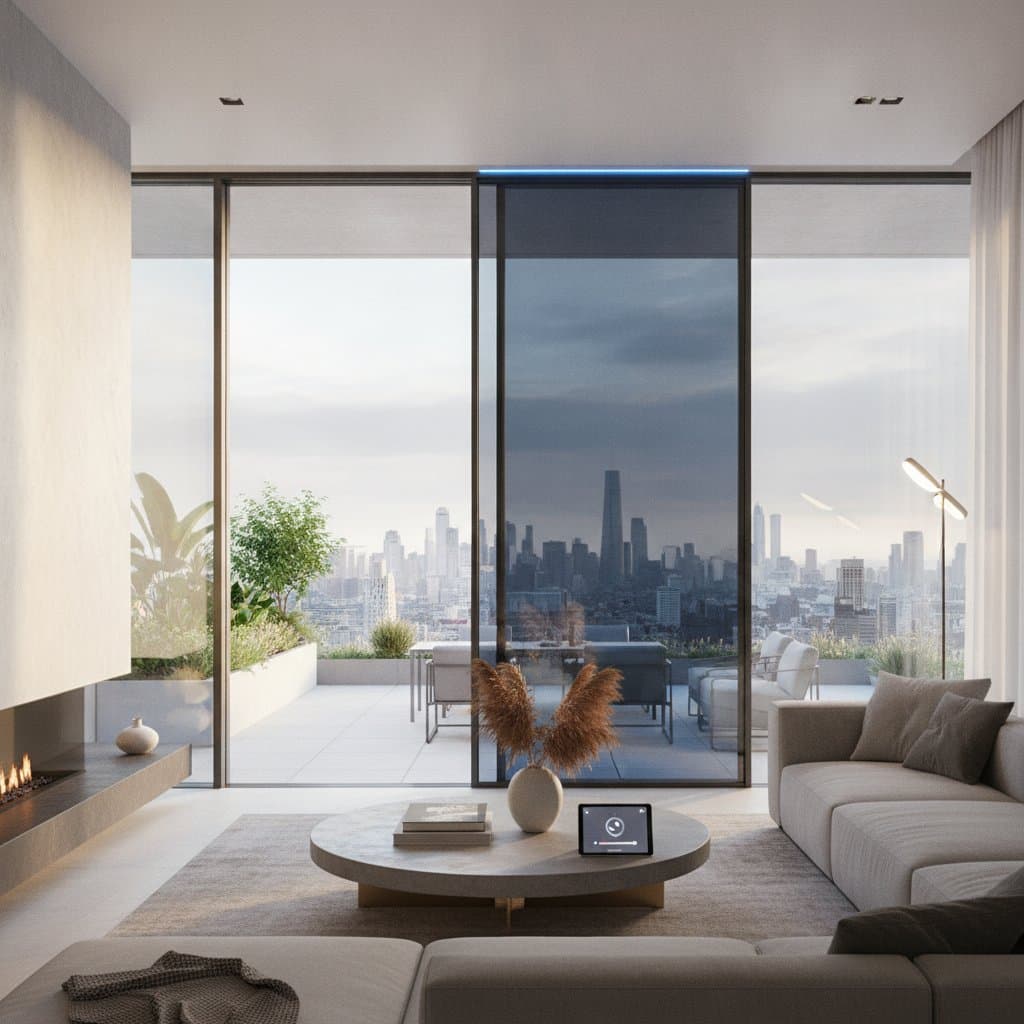
Heating and cooling represent nearly half of a typical home's energy consumption. If the HVAC system operates continuously during hot afternoons or cold mornings, windows often contribute to this inefficiency. Electrochromic smart windows, known also as dynamic glass or tint-on-demand systems, address this issue effectively. These windows adjust their tint automatically to manage sunlight and heat, which can reduce HVAC costs by up to 50 percent.
Homeowners benefit from understanding the mechanics of this technology, associated expenses, and investment value. This knowledge supports informed decisions for energy-efficient upgrades.
Average Cost of Electrochromic Smart Windows
Electrochromic windows qualify as a premium investment due to advanced technology. However, substantial energy savings over time position them as a strong option for major renovations or new builds.
| Project Type | Average Cost per Square Foot | Typical Total Installed Cost | Notes |
|---|---|---|---|
| Retrofit Installation | $90 to $150 | $1,800 to $7,500 per window | Includes removal of existing glass and electrical integration |
| New Construction | $60 to $110 | $1,200 to $5,000 per window | Lower labor costs due to planned electrical setup |
| Smart Glass Skylights | $100 to $160 | $2,000 to $6,000 total | Ideal for high-heat or high-glare areas |
| Commercial Grade Install | $70 to $120 | Varies by size and control system | Often integrated into building automation systems |
These estimates cover materials and labor. Factors such as window dimensions, manufacturer, and control system influence final pricing. Retrofitting demands higher costs because professionals must install low-voltage wiring through walls or frames.
To estimate personal costs, measure window areas and consult local contractors for quotes. Select systems with warranties exceeding 10 years to safeguard the investment.
Comparing Electrochromic Windows to Other Energy-Saving Options
Evaluating alternatives aids in selecting the best solution for specific needs. Electrochromic technology stands out for its adaptability compared to static options.
| Window Type | Cost per Square Foot | Energy Savings | Key Features |
|---|---|---|---|
| Double-Pane Low-E | $35 to $60 | 15% to 25% | Reflective coating, passive solar control |
| Triple-Pane Low-E | $45 to $80 | 20% to 30% | Extra insulation layer, heavier frame |
| Electrochromic Smart Glass | $60 to $150 | 25% to 50% | Dynamic tinting, automated solar control |
| Window Film or Tint | $8 to $15 | 10% to 20% | Simple retrofit, static shading |
| Solar Shades | $10 to $25 | 15% to 30% | Manual or motorized interior shading |
Electrochromic windows involve higher initial expenses yet deliver superior comfort through active control. They reduce reliance on additional shading devices, which lowers ongoing maintenance. For budgets under $50 per square foot, start with low-E options and upgrade selectively.
Climate and Orientation Considerations
Performance of electrochromic windows excels in sunny areas with significant temperature variations. South- or west-facing homes capture the most solar heat, maximizing cooling savings.
In cooler northern regions, benefits shift toward minimizing winter heat loss while permitting natural light to cut electricity for illumination. Shaded properties or those with limited sun exposure yield smaller returns. Focus installations on sun-exposed rooms like kitchens or patios to optimize efficiency.
Assess home orientation using a compass app or consult an energy auditor. This step identifies high-impact areas for targeted upgrades.
Professional Insight from the Field
Experts in smart window installations stress seamless system integration for optimal results.
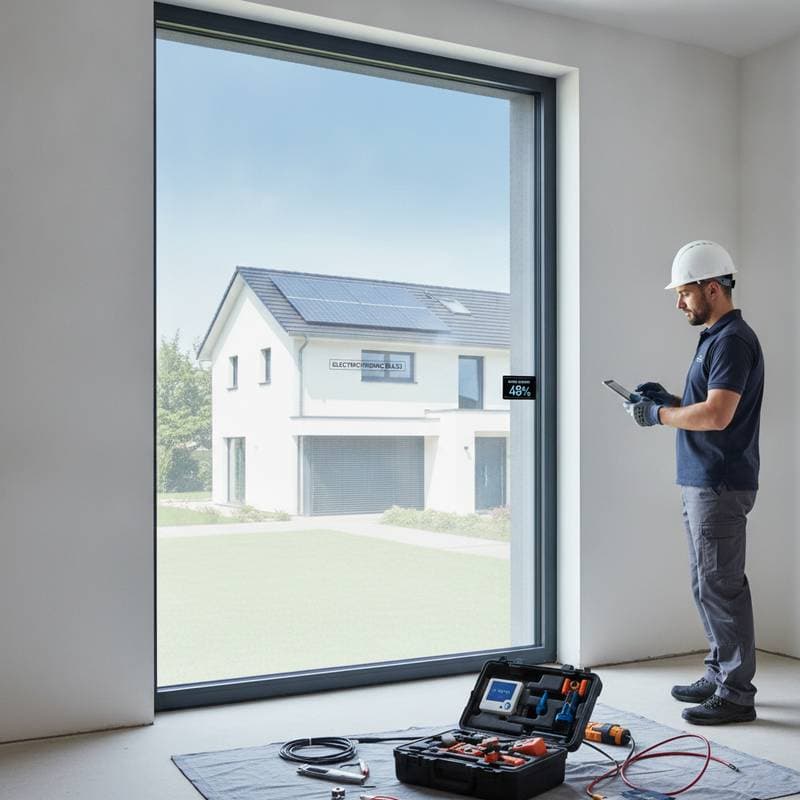
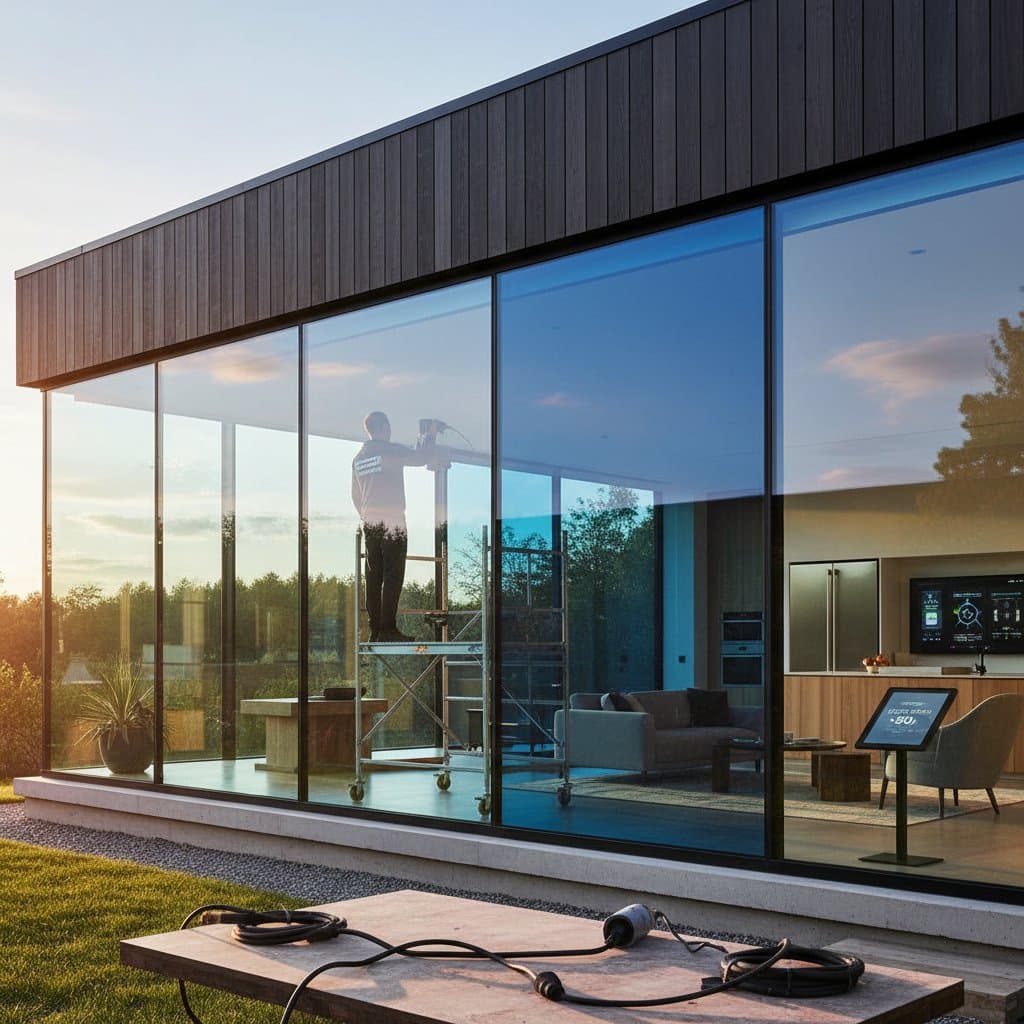
"Installing electrochromic glass requires more than basic replacement," stated James Rourke, a licensed contractor from Denver focused on energy-efficient modifications. "Professionals must include a glazier and an electrician familiar with wiring and controls. Proper execution yields exceptional performance, while shortcuts lead to failures."
Verify installer credentials through manufacturer certifications or past project portfolios. Reliable setups ensure even tinting and durable operation over decades.
When to Choose Electrochromic Windows
Certain scenarios justify the investment in electrochromic technology. Consider these applications where returns prove strongest:
- New Custom Homes: Wiring during construction simplifies integration, adding features with limited additional effort.
- Large Picture Windows or Expansive Glazing: Greater surface areas amplify energy reductions proportionally.
- Modern Remodels with Smart Systems: Pair with existing automated lighting or thermostats for cohesive home management via apps.
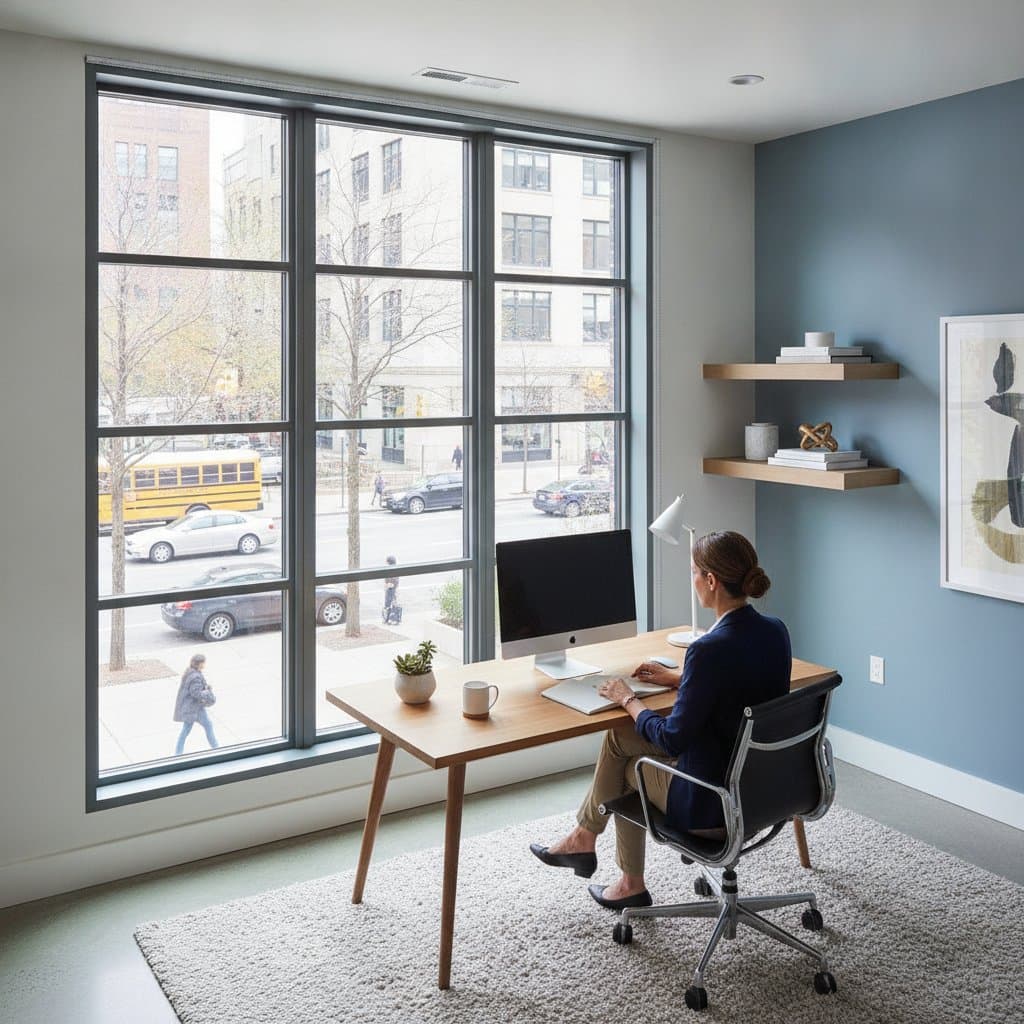
- High-Glare Spaces: Install in areas like home offices or media rooms to eliminate eye strain from intense sunlight.
For modest projects, adopt a phased approach. Equip shaded elevations with standard low-E glass and reserve smart windows for primary solar-facing zones.
Long-Term Benefits Beyond Energy Savings
Electrochromic windows extend value far past utility bill reductions. Enhanced comfort arises from consistent indoor temperatures without drafts or overheating.
Privacy improves as tinting obscures views from outside during activated modes, eliminating constant curtain adjustments. Aesthetic appeal rises with sleek, frameless designs that suit contemporary architecture. Property values increase, as energy-efficient features attract eco-conscious buyers and qualify for green certifications.
Maintenance remains minimal, with self-cleaning coatings and remote diagnostics via connected apps. Over 20 years, these windows often recoup costs through savings and added home equity.
Steps to Integrate Electrochromic Windows
Begin by evaluating current energy bills to quantify HVAC expenses. Engage a certified energy consultant to model potential savings based on local climate data.
Next, source quotes from at least three vetted installers, prioritizing those with smart home experience. Test sample panels in person to confirm tint speed and clarity. Finally, explore financing options like energy-efficient loans or rebates to ease upfront costs. This methodical process ensures a seamless transition to smarter, more efficient living.