Electrochromic Windows: Achieve $800 in Annual Energy Savings
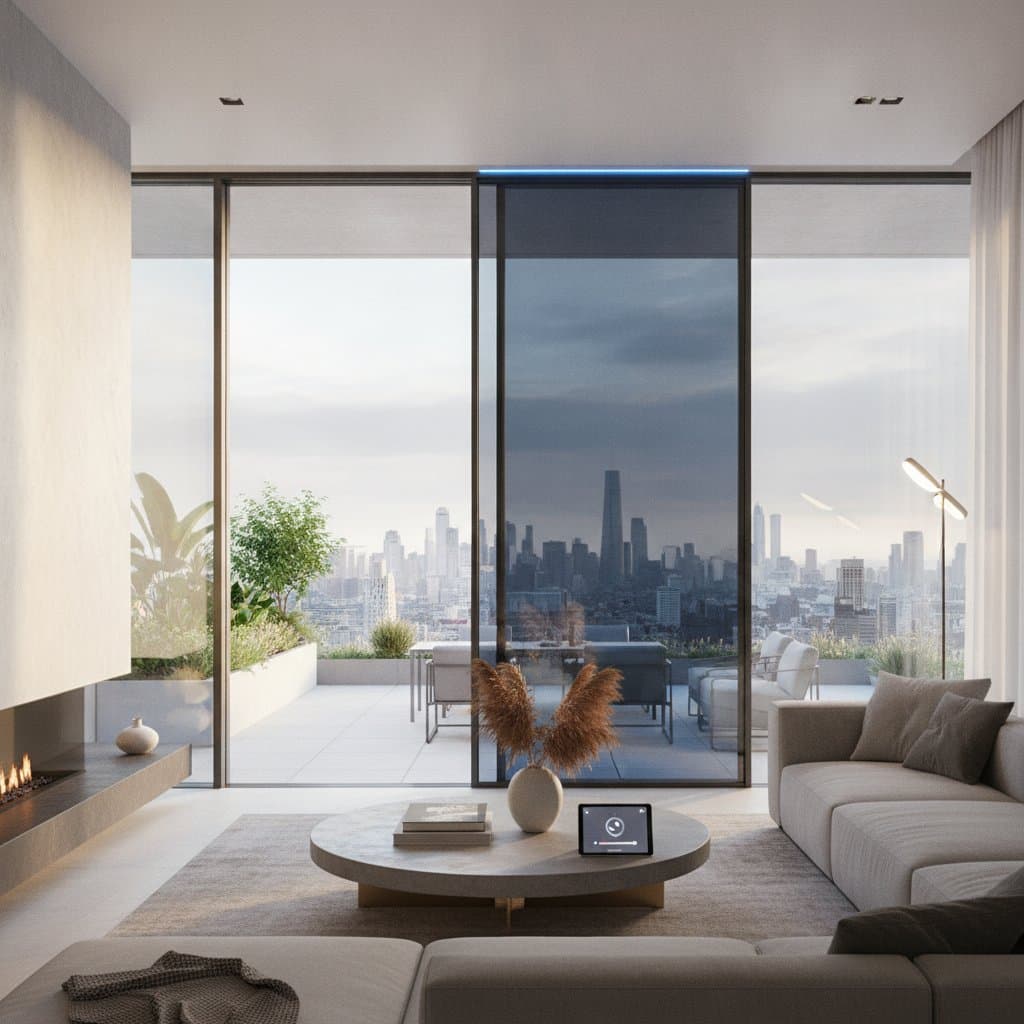
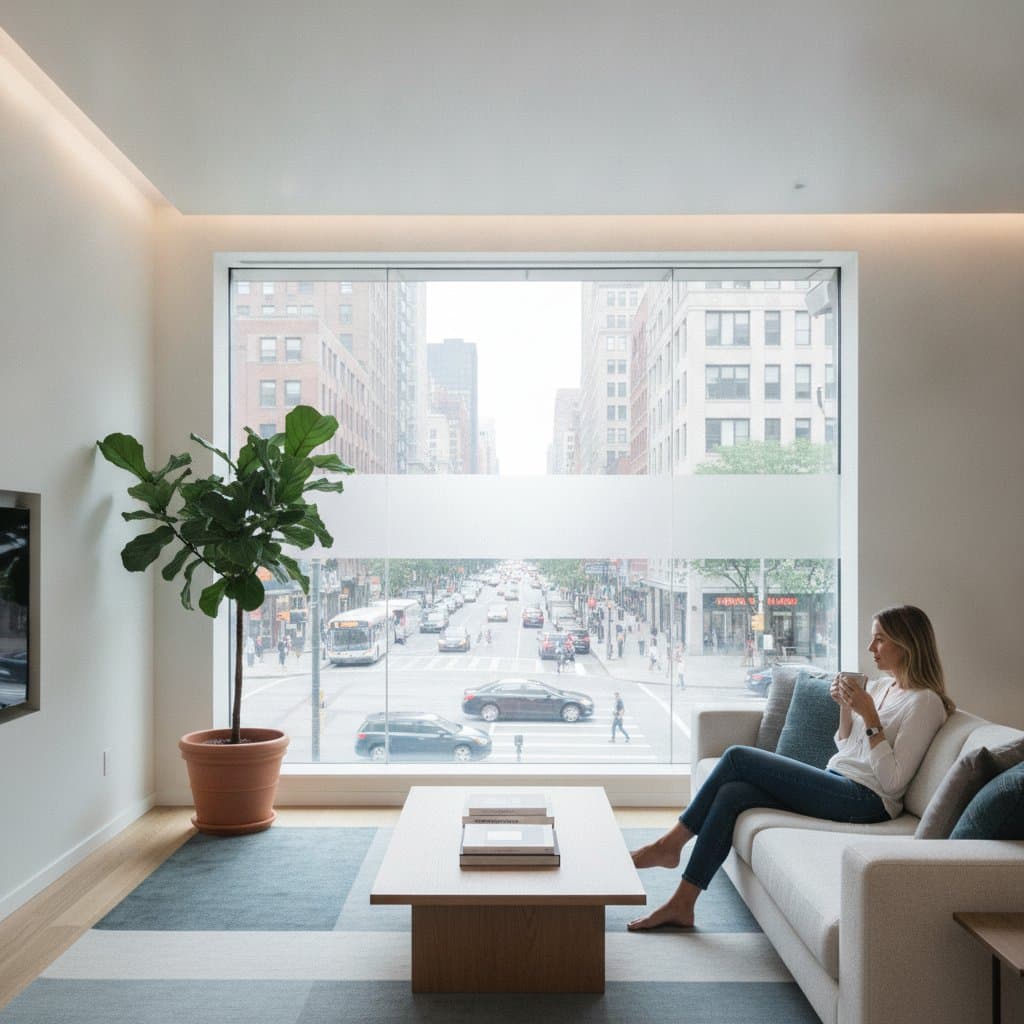
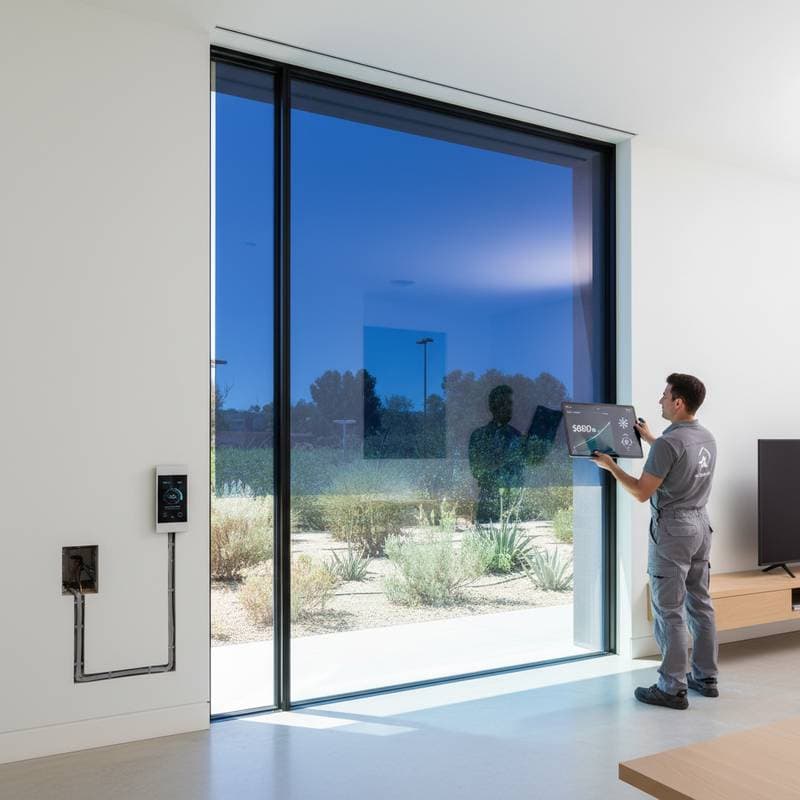
Advanced smart technologies now extend beyond personal devices into residential architecture, with electrochromic glass emerging as a standout feature in modern building design. This glass incorporates specialized coatings that alter tint levels upon application of an electric charge, thereby modulating incoming light and heat. Homeowners gain a more balanced indoor climate, decreased utility expenses, and an elegant appearance that integrates seamlessly with diverse architectural motifs.
Individuals pursuing upgrades that blend operational efficiency with visual refinement find electrochromic windows particularly suitable, as they deliver robust functionality alongside striking design elements.
Strategies for Implementation Across Budget Levels
Budget-Conscious Option ($3,000 to $7,000)
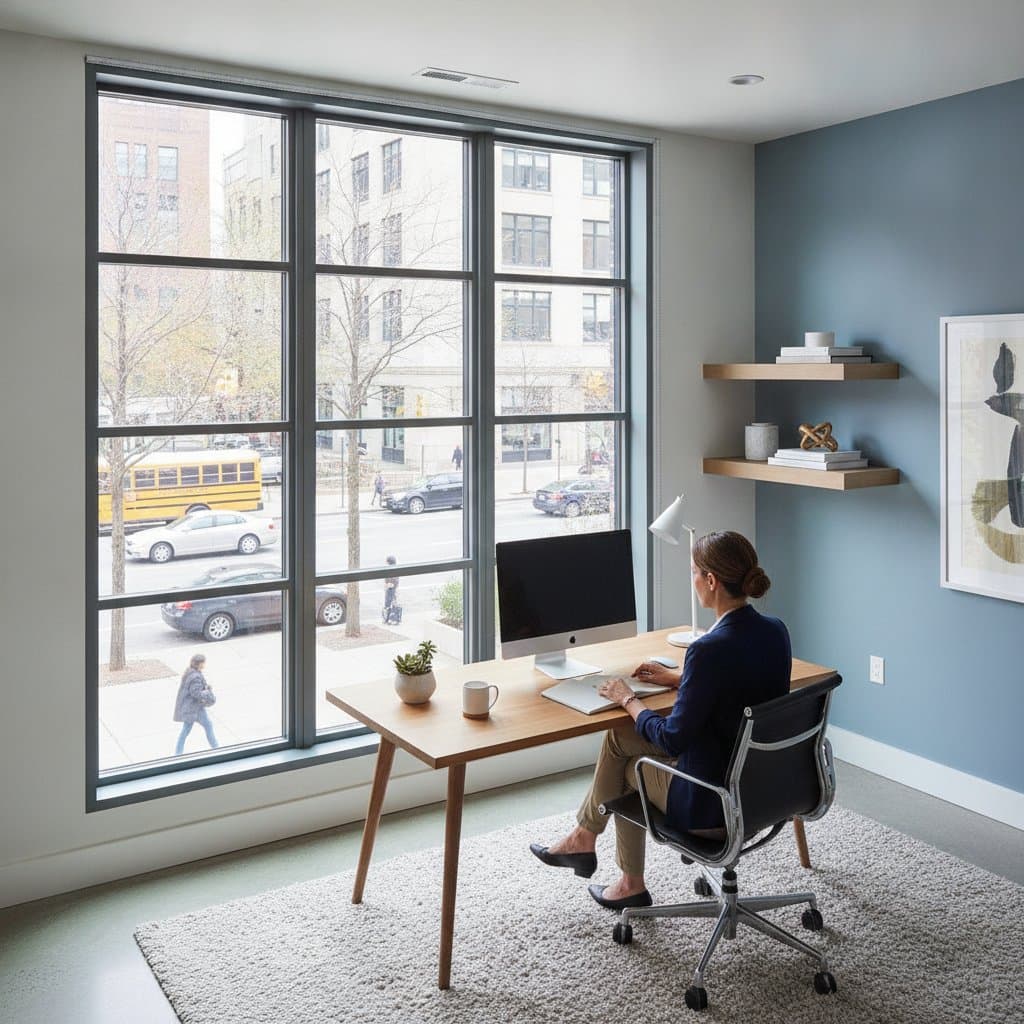
- Opt for installations on select windows or retrofit panels in areas prone to direct sunlight, such as kitchens, living areas, or office spaces.
- Integrate electrochromic panels with conventional double-glazed windows to manage expenses effectively.
- Target south-facing exposures to maximize thermal regulation benefits, while selecting frame colors that align with existing exteriors for uniform street presence.
Moderate Investment Option ($8,000 to $15,000)
- Replace complete window arrays in primary living spaces, including bedrooms and communal rooms.
- Incorporate automated controls that synchronize with home automation networks, providing effortless adjustments for user comfort.
- Choose frames crafted from durable aluminum or composite materials, which withstand thermal expansion and preserve their appearance over extended periods compared to wooden alternatives.
Premium Investment Option ($16,000 to $30,000)
- Deploy comprehensive electrochromic systems throughout the residence, featuring customizable tint settings and remote operation capabilities.
- Combine with triple-glazed configurations to improve acoustic isolation and thermal performance.
- Select upscale frame finishes in architectural bronze or matte black, which accentuate contemporary aesthetics and harmonize with minimalist or classic building styles.
Guidance on Materials and Finishes
-
Window Components: Electrochromic glass offers tint variations ranging from subtle blue hues to neutral grays. Deeper shades effectively minimize glare and heat influx, whereas lighter options preserve outward views and daylight penetration. Pair with slender frames in finishes such as matte black, anodized bronze, or brushed silver to achieve a sophisticated, contemporary profile.
-
Door Elements: Enhance entryways by incorporating complementary electrochromic sidelights or inserts in doors. Materials like fiberglass or aluminum-clad constructions ensure sustained energy performance and resistance to distortion. Select hardware in brushed nickel or matte black to reinforce the innovative character of the installation.
-
Exterior Cladding: For residences with modern or transitional designs, coordinate smart windows with fiber cement siding, engineered wood panels, or vertical composites. These selections amplify the streamlined, forward-thinking essence of the glass technology.
-
Trim and Detailing: Employ understated trim profiles finished in subdued tones like graphite, crisp white, or warm taupe, allowing the glass to serve as the primary visual element. Introduce metallic details in hardware or fixtures to mirror the glass subtle reflectivity.
Practical Maintenance Considerations
Electrochromic windows demand far less routine care than conventional shading solutions. Homeowners eliminate the tasks of cleaning, fixing, or substituting blinds and curtains. Routine surface cleaning involves mild, non-abrasive solutions applied with soft fabrics.
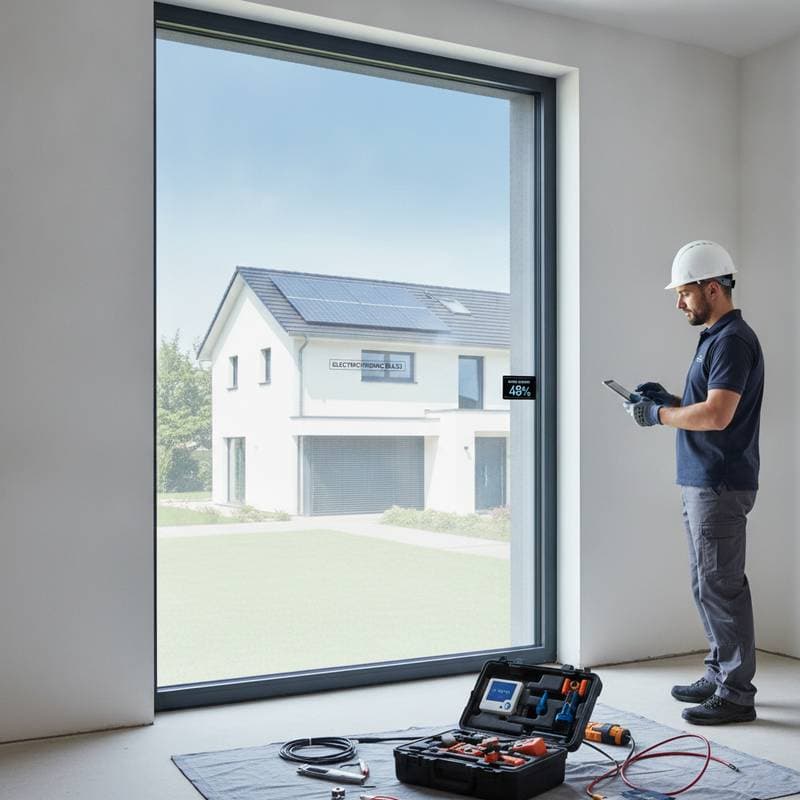
The embedded electronics remain encased within the glass assembly, shielded from environmental factors like moisture and particulates. While engineered for durability, schedule professional inspections in regions experiencing significant temperature variations. Low-voltage operation keeps power consumption negligible, yet regular verification of tint functionality supports ongoing reliability.
Common Pitfalls to Sidestep
-
Incompatible Frame Combinations: Pairing wooden and metallic frames on the same facade leads to differential aging and disrupted visual continuity. Commit to a single material category to foster cohesive appearance.
-
Excessive Interior Shading: Overly aggressive tinting may render spaces insufficiently illuminated. Configure adjustments to activate solely during intense solar exposure periods.
-
Neglecting Local Solar Dynamics: Uniform tinting across all windows overlooks opportunities for targeted efficiency. Emphasize facades with predominant sunlight to realize full energy optimization.
Harmonizing Colors and Styles
The dynamic reflectivity of electrochromic glass necessitates thoughtful color integration to maintain exterior balance and enduring appeal.
Recommended Color Schemes:
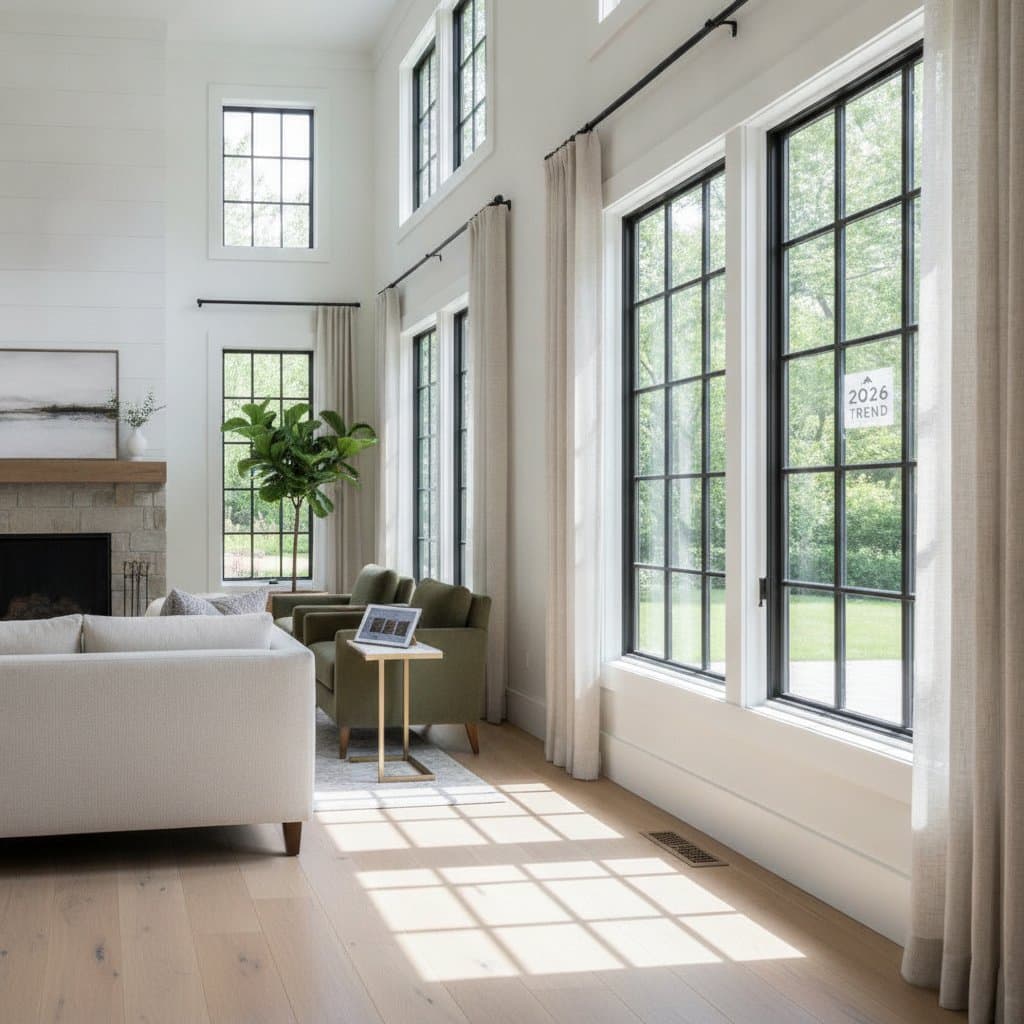
- Arctic white siding paired with matte black frames and cool gray trim creates a compelling modern farmhouse aesthetic.
- Slate blue fiber cement panels alongside silver aluminum frames evoke coastal contemporary elegance.
- Warm taupe stucco combined with bronze frames and walnut-toned doors yields a refined transitional exterior.
- Charcoal horizontal panels with dark graphite frames and soft white trim define a sleek minimalist modern vibe.
These palettes accommodate the glass evolving tones, preserving overall residential coherence amid daily light variations.
Insights on Energy Efficiency and Financial Returns
Electrochromic glass diminishes reliance on HVAC systems by precisely managing solar heat gain. The glass adapts to seasonal demands, blocking excess warmth in summer and admitting solar warmth during winter, potentially yielding savings of $800 annually in energy expenditures. Such reductions enhance occupant comfort and mitigate interior glare over the long term.
Budget-limited projects benefit from focused replacements in high-impact zones, delivering substantial returns in efficiency and livability without necessitating whole-home overhauls.
Steps for Effective Installation Planning
To inform consultations with designers and installers, compile the following information prior to commitment:
- Exterior images capturing multiple viewpoints to assess sunlight patterns and natural shading.
- Details on prevailing architectural style and current materials to align frame selections and scale.
- Local regulations or homeowners association guidelines regarding glass reflectivity and color choices.
- Climate specifics, encompassing humidity levels, coastal salt exposure, and temperature extremes.
- Defined budget boundaries, prioritizing aspects like thermal comfort, visual enhancement, or sustained cost reductions.
These preparations guarantee an outcome that aligns with the property unique identity while delivering quantifiable improvements.
Realizing Comprehensive Benefits
Electrochromic windows fuse aesthetic refinement with tangible energy advantages. Adaptive tint mechanisms obviate traditional coverings, protect interior surfaces from UV degradation, and elevate external presentation with a seamless modern finish.
Strategic choices in framing, coloration, and deployment enable year-round visual poise, coupled with unobtrusive reductions in operational and upkeep demands.