Save Up to $800 on Energy Bills by 2026 with UV Window Film
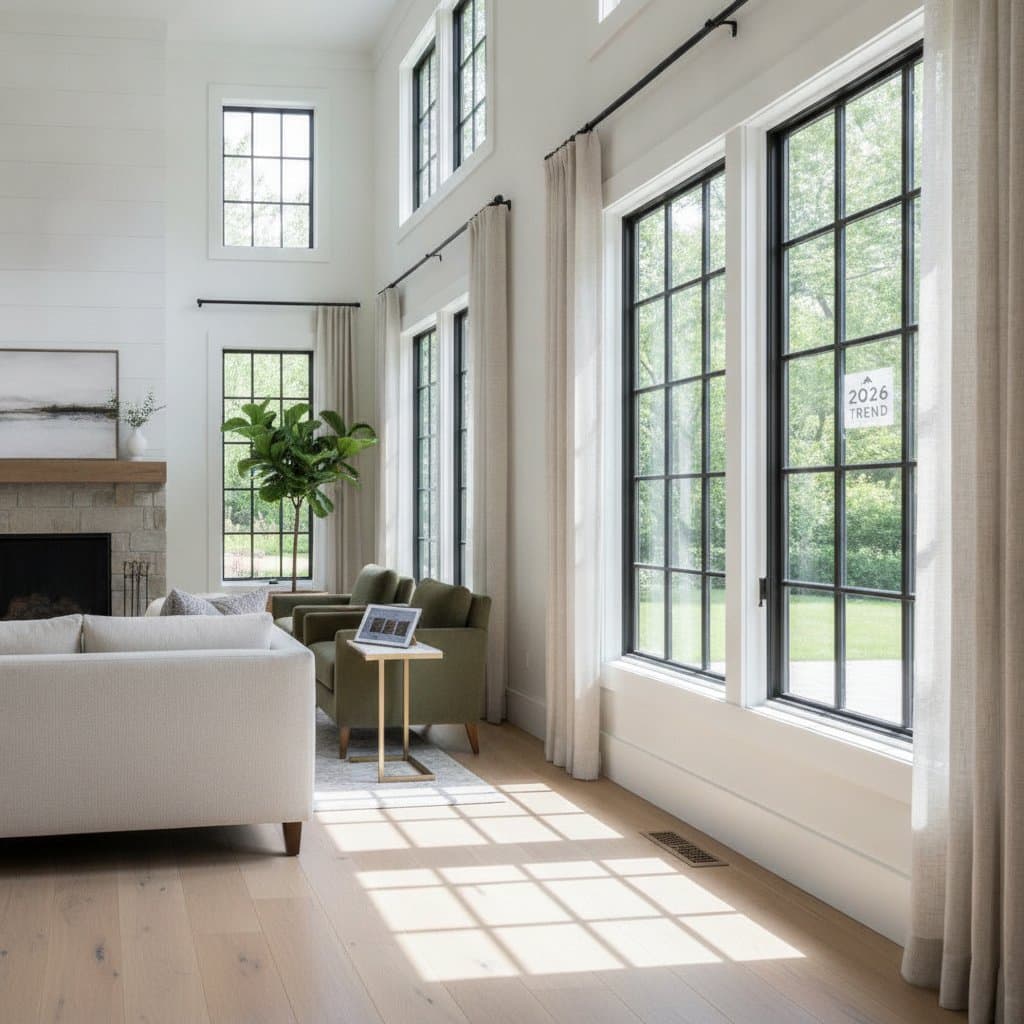
Homeowners often seek effective methods to lower energy costs while preserving comfort and visual appeal. UV window film emerges as a practical choice, consisting of a thin, resilient layer applied to interior glass surfaces. This film regulates heat transfer, blocks damaging ultraviolet rays, and safeguards interior elements. Proper installation yields substantial annual savings, often reaching hundreds of dollars, alongside enhanced indoor protection and stability.
What Is UV Window Film?
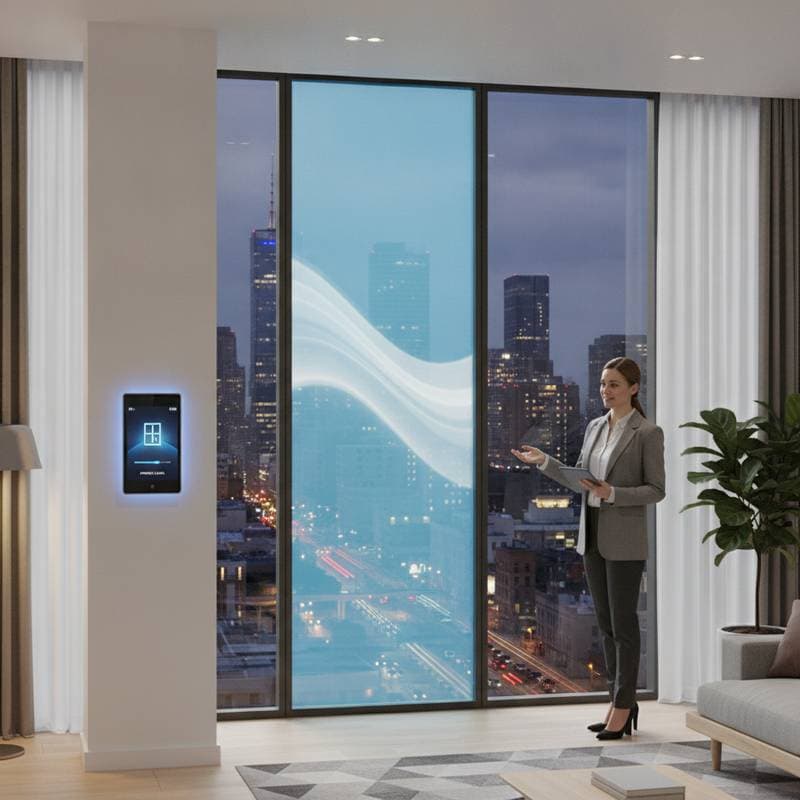
UV window film filters incoming sunlight to mitigate its effects on indoor spaces. Composed of layered materials, it reflects, absorbs, or disperses solar energy. These films block as much as 99 percent of ultraviolet rays, which contribute to fading of furnishings and accumulation of heat. Advanced formulations balance optical clarity with functional benefits, permitting ample natural light while minimizing glare and thermal variations.
Products typically divide into three categories: solar control films, security films, and decorative films. Solar control films excel in energy conservation by curbing heat influx in summer and aiding heat retention in winter. Security films offer shatter resistance for added safety. Decorative films emphasize privacy and design elements. Certain options integrate multiple features, delivering comprehensive protection and efficiency in one product.
Mechanisms for Energy Cost Reduction
Windows represent a major pathway for energy escape, compelling heating and cooling systems to operate excessively. UV window film functions as a subtle barrier, steadying indoor temperatures and easing the load on climate control units. Through heat modulation, it fosters a balanced environment throughout the home.
Significant reductions arise in residences featuring expansive south- or west-facing windows, which absorb intense solar radiation and trigger prolonged air conditioning cycles. The film intercepts a substantial share of this heat, thereby decreasing overall power usage. Even dated windows gain improved efficiency from this upgrade, avoiding the need for complete overhauls.
Evaluating Film Types and Their Benefits
Performance varies across film varieties, so informed selection proves essential. The following table outlines key options and their attributes.
| Film Type | Initial Cost per Square Foot | Expected Lifespan | Maintenance Needs | Ideal Application |
|---|---|---|---|---|
| Standard UV Film | $5 to $8 | 10 to 15 years | Occasional cleaning | Moderate sunlight exposure |
| Dual Reflective Film | $8 to $12 | 12 to 20 years | Low | Large west-facing windows |
| Spectrally Selective Film | $10 to $15 | 15 to 25 years | Very low | Premium interiors with clear views |
Selection hinges on factors such as window direction, local weather patterns, and personal priorities. Dual reflective films effectively diminish glare in sun-drenched settings. Spectrally selective films preserve views and true colors, suiting upscale environments.
Steps for Effective Installation
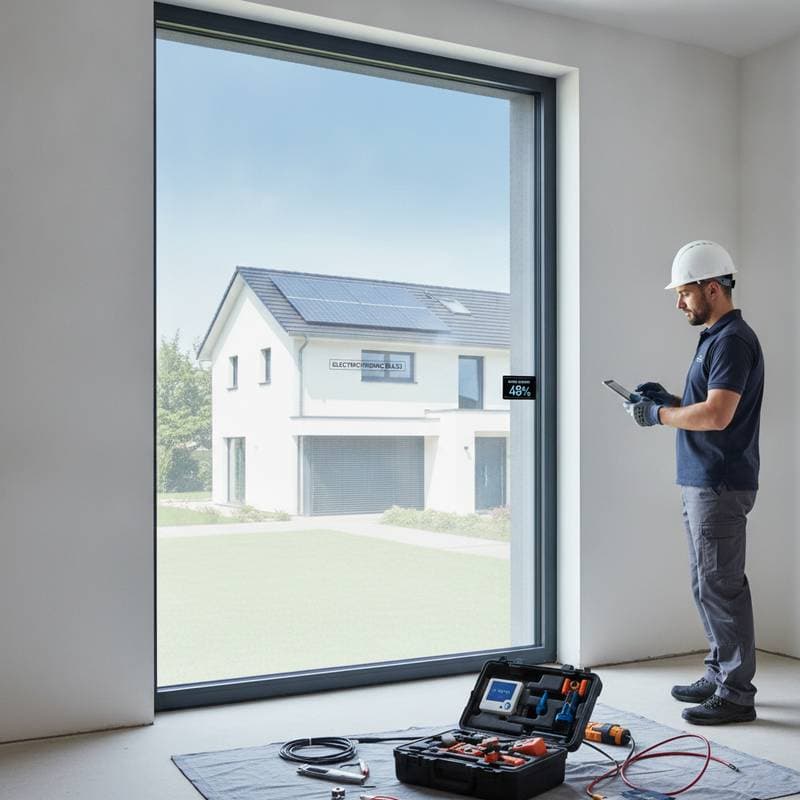
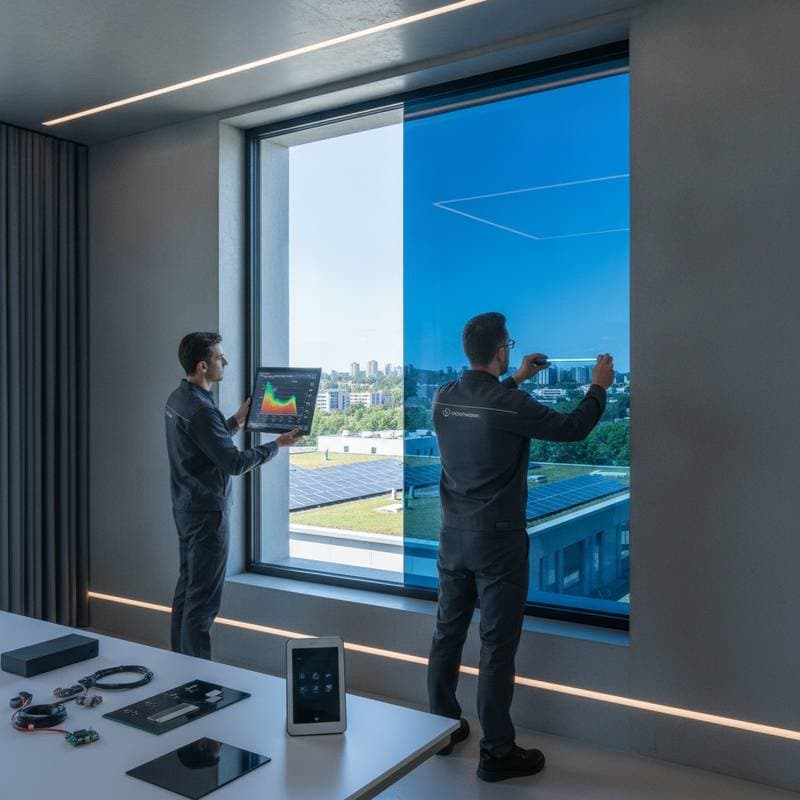
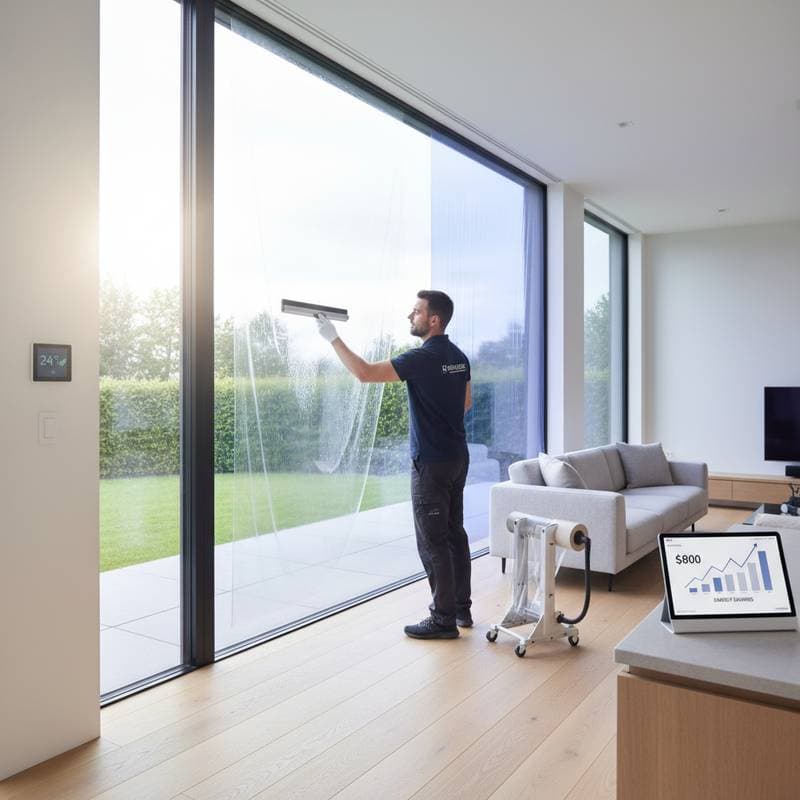
Successful application of UV window film demands precise measurements, thorough surface readiness, and skilled execution. Engaging professionals guarantees uniform adhesion and maximum durability. The procedure encompasses these phases:
- Initial Assessment: Identify windows exposed to peak sunlight and note issues like excessive glare or material degradation.
- Surface Preparation: Wipe glass meticulously to eliminate dirt, grease, and contaminants, preventing future bubbles or detachment.
- Application Phase: Trim film to exact dimensions, peel away the liner, and position it with a slip solution for adjustments prior to securing.
- Inspection: Check for bubbles, overlaps, or distortions to ensure flawless coverage.
- Finalization: Seal perimeters and supply care guidelines to the owner.
Although DIY efforts appeal to some, expert handling typically delivers superior outcomes. Faulty placement risks aesthetic flaws and diminished effectiveness.
Ensuring Quality and Ongoing Maintenance
Post-installation, permit the film to cure completely, a process influenced by ambient humidity and warmth. Temporary cloudiness or minor moisture pockets may form but resolve as adhesion strengthens. For cleaning, employ soft tools and ammonia-free cleaners to avoid surface degradation.
Routine checks form part of sustained upkeep. Monitor for edge lifts or frame discoloration. High-quality films endure for years with minimal intervention, though exposure to extreme humidity or salt air might accelerate wear in certain locales.
Aesthetic and Durability Factors
UV window films offer versatility in appearance, including neutral, shaded, or mirrored variants. Neutral options uphold the original window character. Shaded films enhance seclusion with a gentle reflective quality. Mirrored surfaces provide robust thermal control in illuminated areas, though they alter exterior views.
Upkeep stays straightforward, limited to light washing and periodic reviews. These films withstand abrasion, delamination, and color shifts under proper conditions. Their role in shielding carpets, upholstery, and artwork from ultraviolet harm yields indirect savings, complementing direct energy reductions.
Assessing Investment and Returns
Weigh the upfront outlay against enduring advantages when considering UV window film. Costs span from several hundred to thousands of dollars based on coverage area, yet payback through utility reductions occurs swiftly. Additional gains include lessened wear on HVAC components, prolonging their service life.
Compared to full window replacements, film application disrupts daily routines far less and completes rapidly without alterations to the building. As a non-permanent measure, it suits evolving home improvement plans.
Selecting and Preparing for Optimal Results
Optimal film choice requires aligning thermal properties, visual impact, and financial constraints. Residents in warmer regions favor high heat rejection. Those in temperate zones emphasize insulation alongside light passage. Collaborate with a qualified specialist to analyze window alignments, environmental influences, and energy usage patterns.
Examine samples in daylight to gauge transparency and shading. Inquire about guarantees against discoloration, blistering, or bond failure. Dependable providers disclose detailed specs on efficiency metrics and durability projections.
Advance preparation enhances outcomes. Gather quotes from multiple certified installers, review past projects, and confirm material sourcing. Schedule during mild weather to facilitate curing. This approach secures a seamless upgrade that delivers reliable, long-term energy efficiencies and home enhancements.