The Rise of Electrochromic Windows: $8 Billion Smart Glass Market by 2026
Home design now features glass that actively responds to needs, moving beyond static transparency. Electrochromic windows, a form of smart glass, adjust tint levels to manage light, temperature, and privacy with simple controls or automation. As the global market for this technology approaches $8 billion by 2026, homeowners can integrate these innovations into everyday spaces for lasting functionality.
Understanding Electrochromic Window Technology
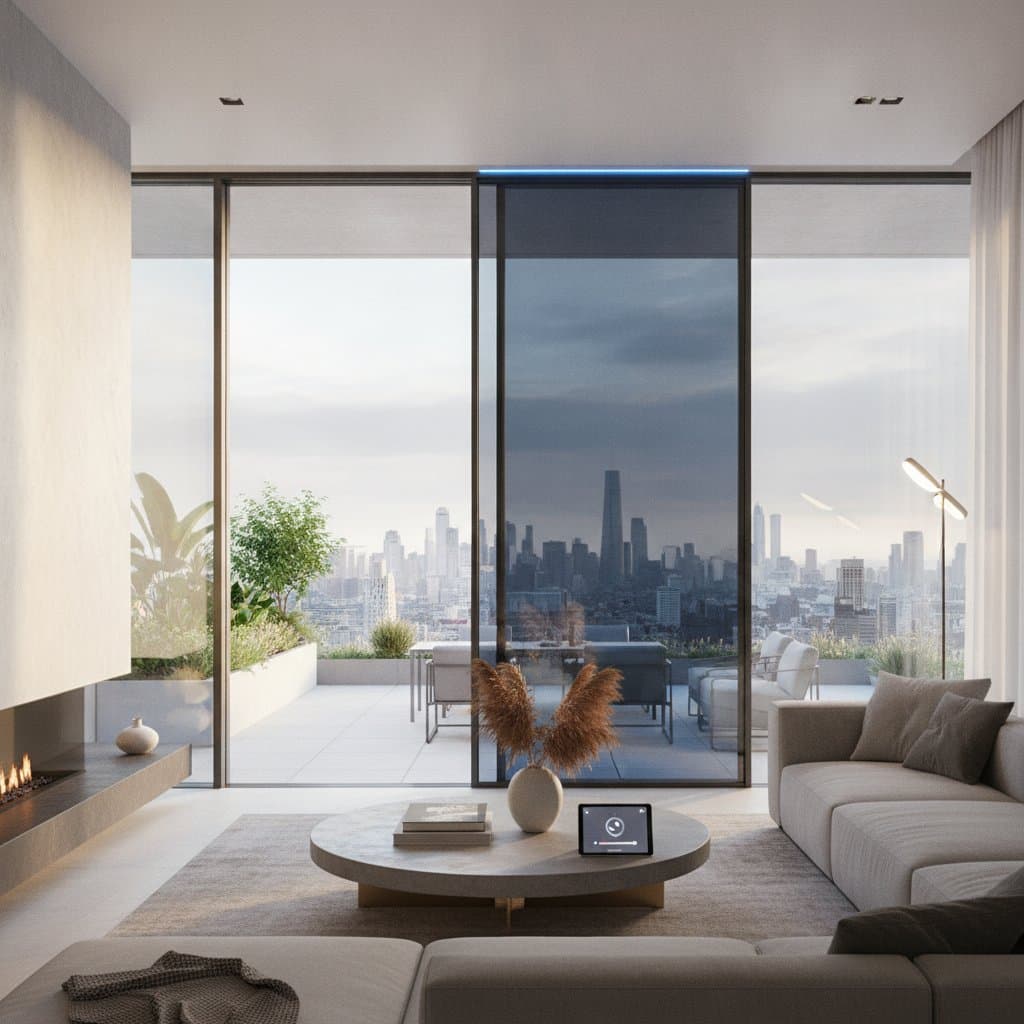
These windows use specialized materials that change light transmission properties under electrical voltage. Thin layers of metal oxides and conductive films enable the glass to switch from fully clear to deeply tinted states. This process blocks sunlight and heat without relying on traditional shades.
Integration with smart home ecosystems allows scheduling or sensor-based adjustments. For instance, windows can darken automatically during peak sun hours. Such adaptability ensures consistent indoor comfort and an unobstructed exterior appearance.
Material and Design Choices
Options range from complete electrochromic panels built into new windows to adhesive films applied over existing ones. Factory-integrated panels provide seamless performance and longevity, ideal for major renovations. Retrofit films offer a cost-effective way to upgrade without replacing frames.
Frame selections influence both durability and style. Aluminum frames deliver slim profiles and thermal efficiency, while wood frames add natural texture. Pairing smart glass with these materials preserves a home's architectural identity while introducing cutting-edge capabilities.
| Option | Initial Cost | Lifespan | Maintenance | Best For |
|---|---|---|---|---|
| Factory-integrated panels | High | Long | Minimal | New builds or full remodels |
| Retrofit electrochromic film | Moderate | Medium | Occasional recalibration | Upgrading existing windows |
Benefits and Trade-offs
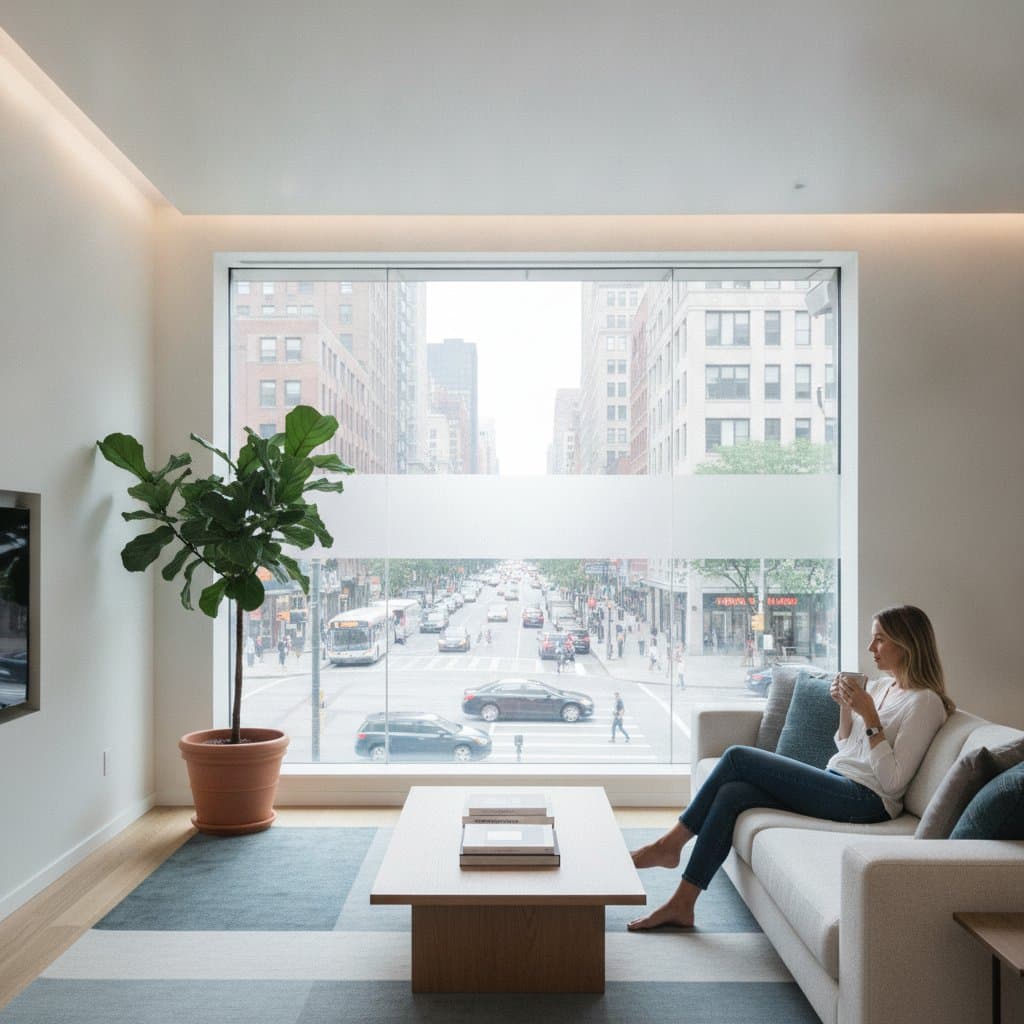
Energy efficiency stands out as a primary gain, with these windows minimizing solar heat to lower cooling demands in summer. They also retain indoor warmth during winter and filter UV rays to protect interiors from fading. Homes with expansive views benefit most from this balanced climate control.
Privacy features allow instant tinting for seclusion, eliminating the need for bulky coverings. This setup supports better sleep by dimming external lights at night. Overall, the technology fosters versatile living spaces.
Upfront expenses exceed those of standard glazing, including added wiring and controls. Installation complexity may require professional expertise. Yet, these investments yield savings on energy bills and reduced maintenance over time.
Installation Process and Quality Considerations
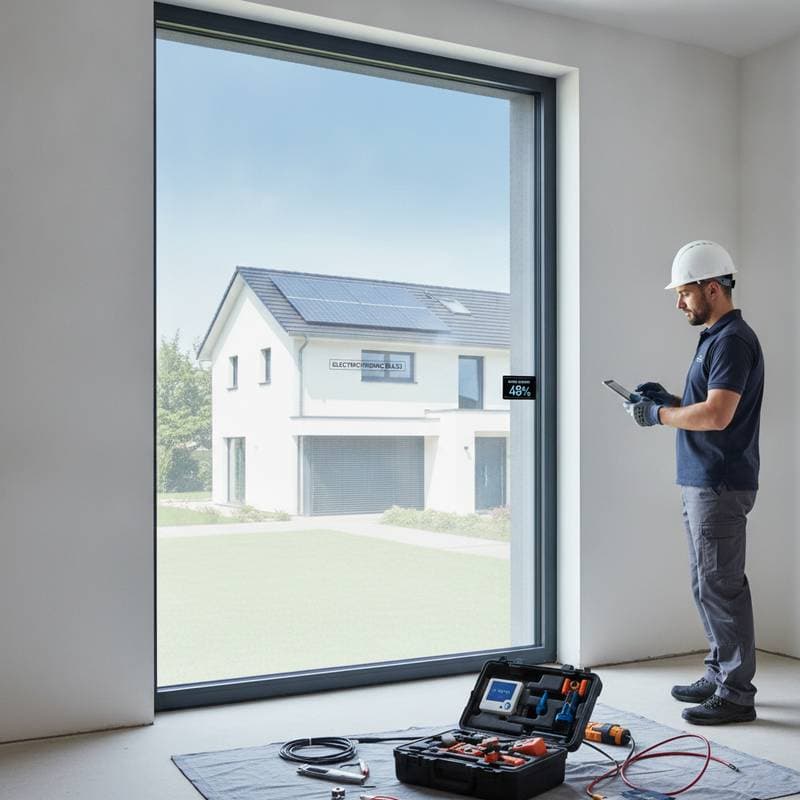
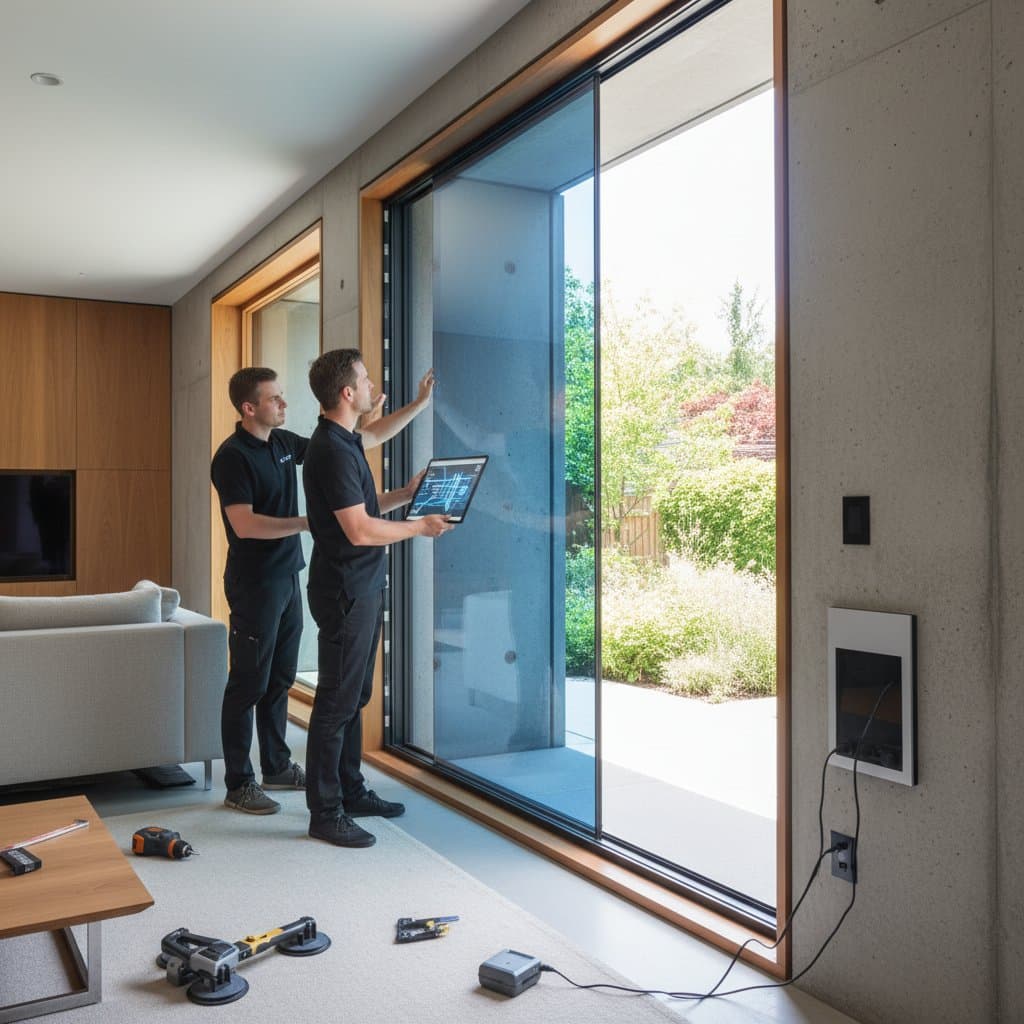
The process begins with a site assessment to evaluate window sizes, electrical access, and structural compatibility. Professionals map out wiring paths to integrate safely with home systems.
Preparation involves coordinating with electricians for power setup and precise measurements. For films, surfaces receive thorough cleaning to ensure adhesion.
Installation secures panels or applies films, followed by connections to control modules. Testing verifies even tinting and responsive operation across all units.
Final steps include user orientation on controls and automation setup. Periodic checks maintain optimal function, ensuring reliability for years.
Cost and Value Over Time
Initial outlays cover materials, labor, and electronics, often ranging higher than basic insulated glass. However, energy reductions can recoup costs within several years, particularly in sunny regions.
Fewer window treatments mean additional savings on purchases and upkeep. For market value, these features attract buyers seeking efficient, tech-savvy homes.
In upscale or modern properties, smart glass boosts appeal by combining elegance with practicality. Long-term returns include lower utility expenses and enhanced livability.
Maintenance and Lifespan
Routine care involves gentle cleaning with mild solutions to avoid scratching conductive layers. Control units occasionally require software updates from the manufacturer.
Most setups endure as long as conventional double-glazed units, backed by warranties on both glass and components. Protect wiring from moisture to sustain performance.
Avoid overlaying additional films, as they disrupt electrical functions. Simple habits ensure the system operates smoothly throughout its extended service life.
Lifestyle Integration and Aesthetic Appeal
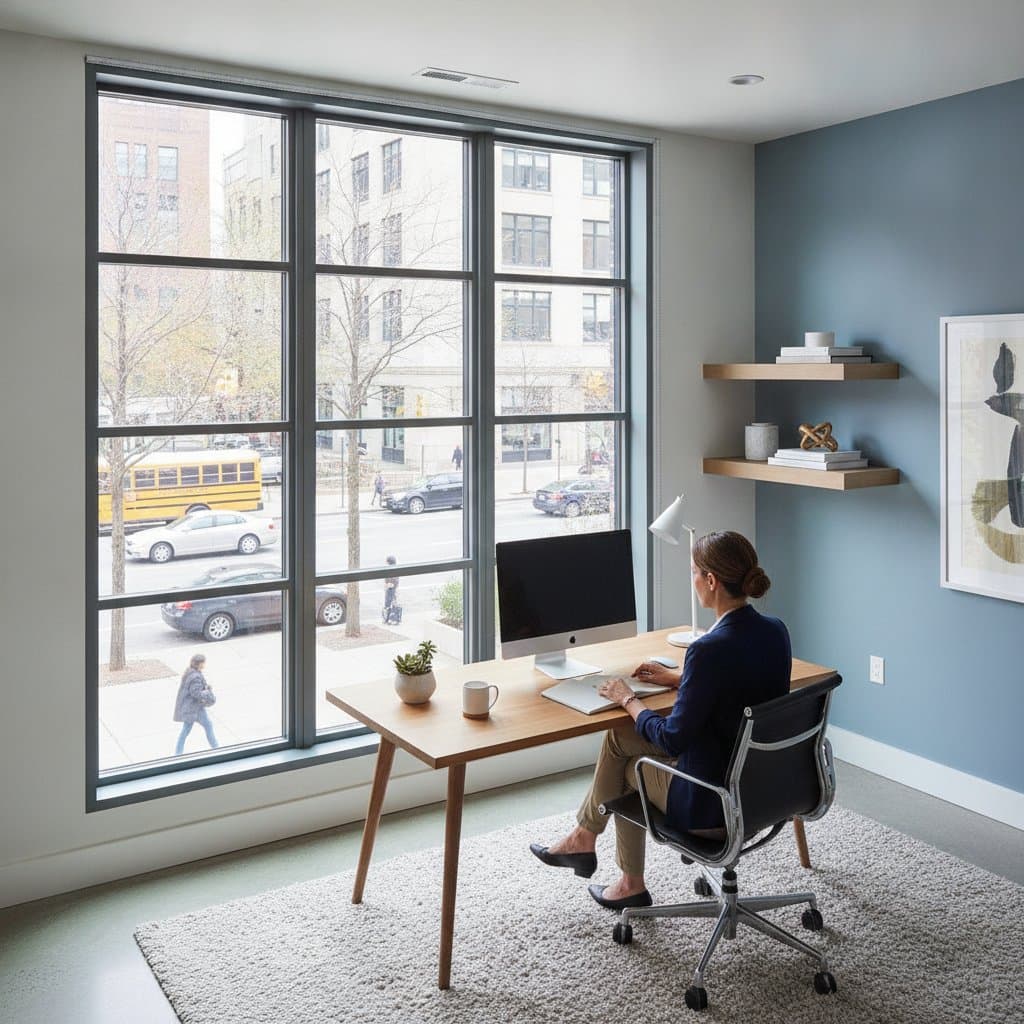
These windows optimize natural light flow, supporting open layouts free of obstructive treatments. In home offices, they cut glare for focused work. Living rooms adapt shading to daily rhythms, enhancing relaxation.
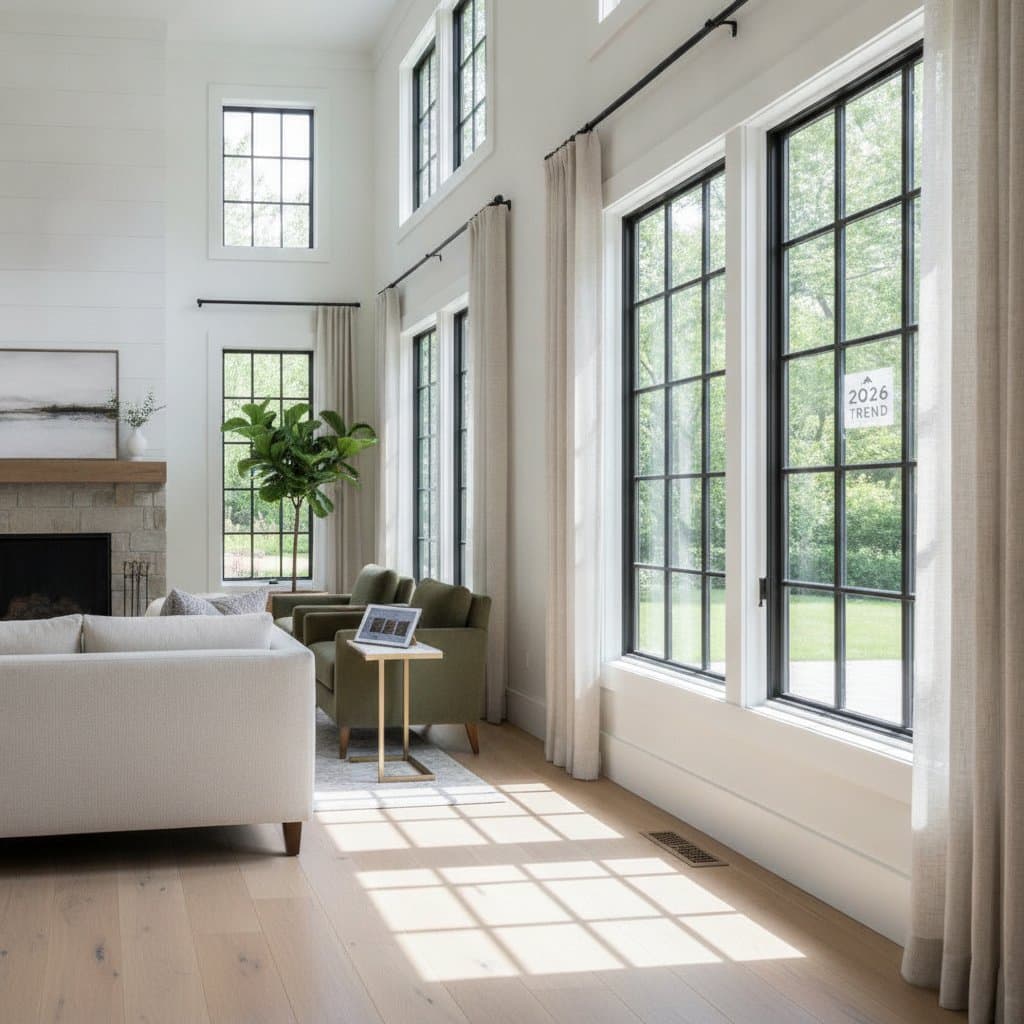
Design-wise, they fit modern minimalism with their subtle operation. In traditional settings, wood accents soften the tech, blending innovation with heritage charm.
Families appreciate effortless adjustments that maintain views and comfort. This integration elevates daily routines without compromising style.
Environmental and Climate Considerations
By curbing energy consumption, electrochromic glass advances green building goals. It lessens artificial lighting needs and HVAC loads through precise solar management.
In hot areas, infrared blocking slashes cooling requirements. Colder zones benefit from selective heat capture on clear days.
This versatility suits varied climates, promoting sustainability without sacrificing performance.
Integrating Smart Glass for Lasting Home Efficiency
Choose electrochromic windows based on your home's layout, energy profile, and financial outlook. Early incorporation in new projects yields the most efficient outcomes.
As market expansion drives down costs, broader adoption becomes feasible. Thoughtful selection transforms windows into proactive elements that enhance comfort, cut expenses, and align with forward-thinking living.