Recycled Aluminum Windows: A 35% Cost Reduction by 2026
Recycled aluminum windows reshape exterior design trends with increasing speed. Previously a specialized choice, these windows emerge as an intelligent, elegant, and environmentally responsible option for homeowners seeking advanced functionality alongside visual appeal. The anticipated 35% reduction in costs for recycled aluminum frames prompts design experts to reconsider their integration into both modern and heritage home aesthetics. This evolution unlocks opportunities to attain sophisticated appearances through pragmatic, sustainable materials that harmonize elegance with ecological awareness.
The rising popularity stems from refined visuals, advancements in fabrication methods, and an industry emphasis on reusable resources. Recycled aluminum preserves the robustness and longevity of primary metal, yet it diminishes energy consumption during production. For property owners, this results in decreased carbon footprint, minimal upkeep, and broader access to superior windows designed to endure for generations.
Modern Minimalism Enhanced by Recycled Aluminum
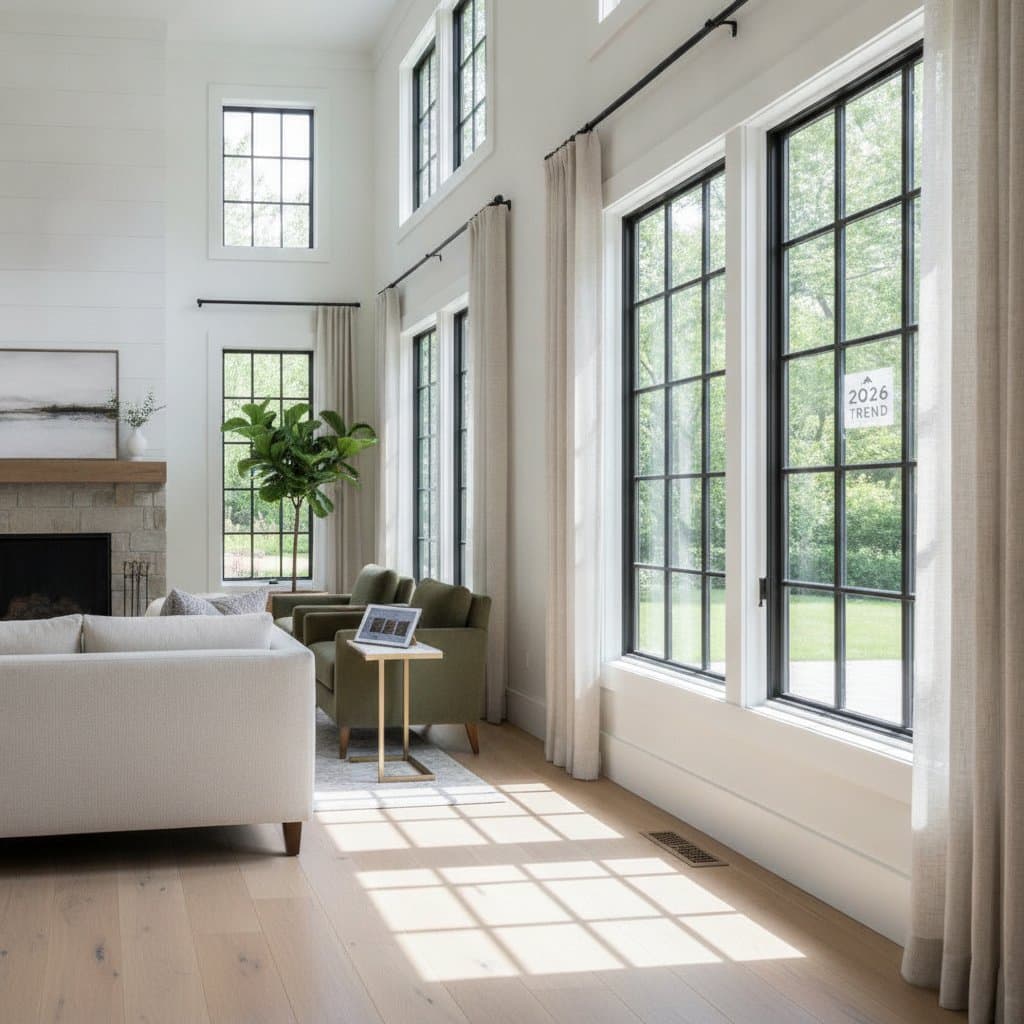
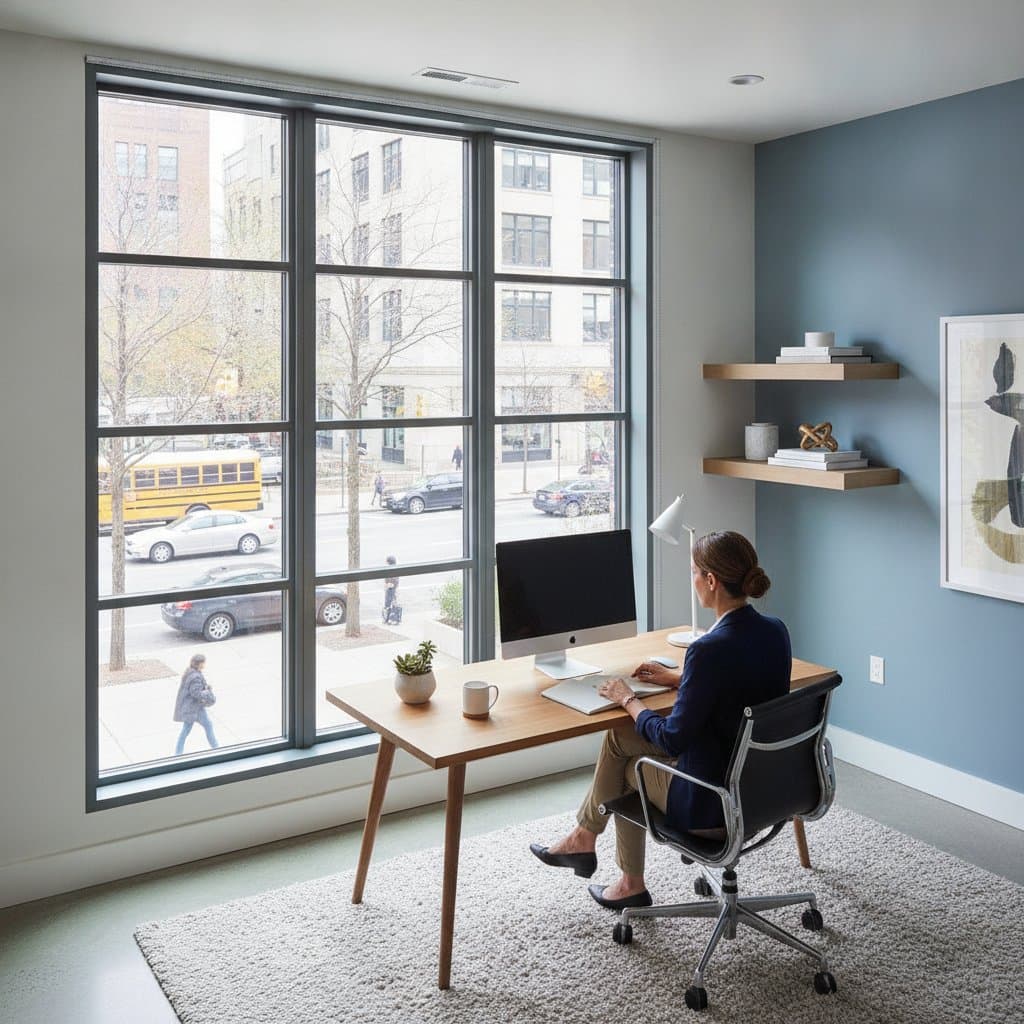
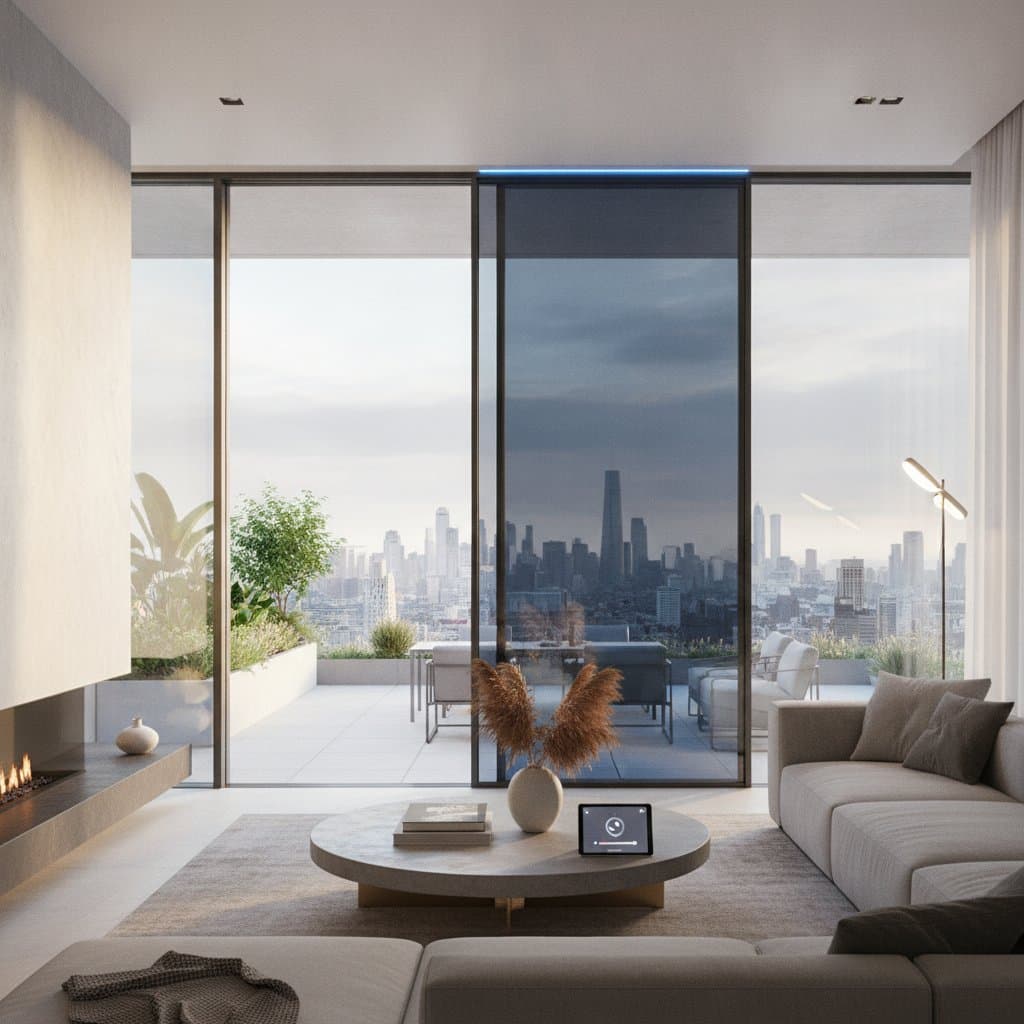
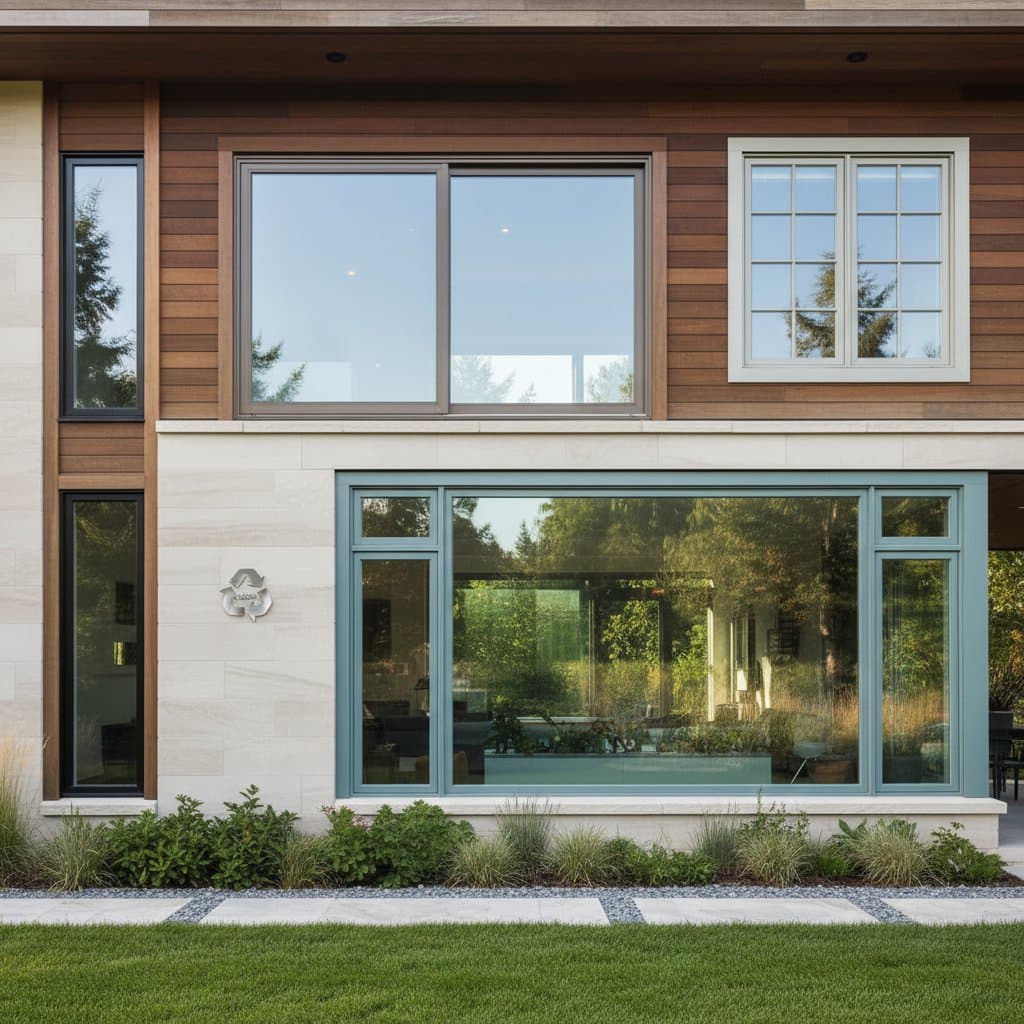
Minimalist exteriors feature precise lines, slender frames, and broad glass surfaces. Recycled aluminum aligns seamlessly with this aesthetic, enabling slim profiles that amplify viewing areas while ensuring structural integrity. Finishes span a wide spectrum, from intense graphite to gentle white, and the material withstands distortion or discoloration under extreme weather. Such qualities suit areas with intense sunlight or significant temperature fluctuations, where alternatives like wood or vinyl often falter.
Three Strategies to Achieve This Aesthetic
Budget-Conscious Option ($6,000 - $9,000)
- Select factory-standard recycled aluminum frames in matte black or clear anodized options.
- Incorporate standard double-pane glass rather than triple-pane to lower expenses while sustaining adequate thermal efficiency in temperate zones.
- Direct enhancements toward street-facing windows to maximize visual influence.
Intermediate Option ($10,000 - $15,000)
- Choose thermally broken recycled aluminum frames equipped with low-emissivity coatings for enhanced thermal retention.
- Integrate custom hardware in brushed nickel or powder-coated bronze to align with surrounding exterior elements.
- Blend fixed and operable configurations to support ventilation without excessive expenditure.
Premium Option ($16,000 - $25,000)
- Specify architectural-grade recycled aluminum windows featuring built-in thermal breaks, triple glazing, and soundproofing.
- Apply bespoke color treatments to synchronize with exterior cladding or accents.
- Incorporate complementary recycled aluminum patio or entry doors to forge a unified, upscale exterior that boosts property value.
Guidance on Materials and Finishes
- Windows: Contemporary casement or awning configurations with narrow recycled aluminum frames prove most effective. Opt for matte or powder-coated surfaces to ensure enduring pigmentation.
- Doors: Recycled aluminum frames combined with insulated glass create fluid transitions between indoor and outdoor realms. Pivot and sliding mechanisms elevate modern allure.
- Siding: Combine aluminum windows with fiber cement or recycled composite panels in subdued neutral shades. Vertical or varied-width boards introduce understated texture.
- Trim and Accents: Employ aluminum-clad or painted fiber cement elements in harmonious hues. Minimize stark contrasts near windows to preserve the seamless minimalist profile.
Essential Maintenance Insights
Recycled aluminum frames demand little ongoing care. They resist rust and decay, and their coatings seldom require renewal. Simple washing with mild soap and water sustains their pristine condition over time. In coastal settings, periodic rinsing removes salt residues to avert surface tarnish. Unlike wood, aluminum eliminates the need for sealants, and unlike vinyl, it avoids deformation in high heat. Annual inspection of seals and weatherstripping preserves optimal energy performance.
Common Pitfalls to Avoid
- Excessive Dark Frames on Compact Structures: Overapplication of black or charcoal tones can constrict the appearance of smaller facades. Introduce lighter elements for equilibrium.
- Omitting Thermal Breaks: In cooler regions, non-thermally broken frames risk internal moisture buildup. Confirm insulation specifications prior to selection.
- Neglecting Frame-Siding Harmony: Aluminum's crisp edges necessitate accurate placement. Irregular trim or unfinished borders undermine the minimalist intent.
Classic Revival Infused with Sustainability
Heritage architecture increasingly incorporates recycled aluminum innovations. Producers now craft profiles that emulate wooden ornamentation minus the intensive care. Through simulated divided lights and era-specific trim contours, recycled aluminum revives enduring styles while slashing future maintenance expenses. The downward pricing trajectory enables more residents to replicate intricate details formerly reliant on expensive bespoke woodworking.
Three Strategies to Achieve This Aesthetic
Budget-Conscious Option ($7,000 - $10,000)
- Utilize standard recycled aluminum frames with faux divided light grilles.
- Apply neutral historic shades such as soft taupe, sage, or creamy white to siding, accentuating window features.
- Install traditional hardware in oil-rubbed bronze for authentic charm.
Intermediate Option ($11,000 - $16,000)
- Advance to thermally broken frames with tailored grid arrangements mirroring period ratios.
- Pair with engineered wood or composite siding that imitates classic clapboard and repels dampness.
- Attach ornamental shutters from recycled composites to fulfill the nostalgic vibe.
Premium Option ($17,000 - $27,000)
- Procure custom recycled aluminum windows with genuine muntin bars and substantial trim depths.
- Match with solid wood doors sealed in marine-grade protectants for a luxurious blended effect.
- Integrate era-fitting fixtures and hardware in antique brass or matte iron to unify the ensemble.
Guidance on Materials and Finishes
- Windows: Double-hung or casement types with divided light motifs. Employ off-white, bronze, or subdued green coatings for perpetual elegance.
- Doors: Aluminum-clad wood variants with paneled designs or etched glass elements.
- Siding: Horizontal lap configurations in low-gloss treatments enhance traditional contours. Subtle differentiation between primary and trim surfaces adds dimension.
- Trim and Accents: Select crown moldings or broad casings in cohesive substances for added visual interest.
Essential Maintenance Insights
Heritage elements tend to accumulate particulates. Routine clearing of grille perimeters and trim outlines maintains sharpness. Recycled aluminum's powder-coated layers outlast painted wood equivalents, curtailing repaint frequency. Residents in moist or seaside locales gain the most, as inherent corrosion defiance guarantees prolonged efficacy.
Common Pitfalls to Avoid
- Incongruent Trim Pairings: Adjacent wood and aluminum expand differently, fostering separations. Maintain material uniformity.
- Excessively Luminous Coatings: Glossy metals disrupt traditional palettes. Favor subdued or matte variants.
- Disregarding Scale: Oversized contemporary panes can dominate vintage fronts. Align window dimensions with the building's proportions.
Coastal Contemporary Harmony
Seaside aesthetics require resilient substances against salinity, ultraviolet rays, and humidity, all while upholding casual sophistication. Recycled aluminum windows fulfill these demands via superior corrosion tolerance and fluid surfaces that complement marine-inspired hues. Declining prices render them viable for fresh coastal constructions and upgrades in muggy interior zones.
Three Strategies to Achieve This Aesthetic
Budget-Conscious Option ($8,000 - $12,000)
- Fit recycled aluminum sliders in clear anodized or white executions.
- Align with fiber cement siding in gentle grays or sandy beiges.
- Employ sparse hardware in brushed stainless steel for unadorned seaside essence.
Intermediate Option ($13,000 - $18,000)
- Specify thermally enhanced frames with impact-resistant glazing for weather fortification.
- Harmonize with vinyl or composite siding in serene blue-gray tints.
- Include louvered shutters or pergola extensions for style and utility.
Premium Option ($19,000 - $30,000)
- Deploy bespoke curved or expansive recycled aluminum windows for sweeping vistas.
- Unite with stone or composite veneers in driftwood or ivory shades.
- Add uniform aluminum balustrades and outdoor illumination for cohesive refinement.
Guidance on Materials and Finishes
- Windows: Expansive fixed or sliding units with saline-defying treatments.
- Doors: Multi-section aluminum sliders or bi-fold glass assemblies.
- Siding: Fiber cement, composite shingles, or recycled polymer sheets.
- Trim and Accents: Stainless or aluminum fixtures, gentle coastal whites, and light grays.
Essential Maintenance Insights
Corrosion-proof coatings still profit from routine flushing in brackish or damp conditions. Monthly glass and frame cleansing eliminates accumulations. Yearly hardware reviews ensure fluid mechanics. Recycled aluminum's durability curtails recoating and substitution needs, positioning it as an enduring coastal asset.
Common Pitfalls to Avoid
- Proximate Untreated Metals: Contact with untreated steel invites electrolytic degradation. Select allied fasteners and barriers.
- Elaborate Hue Combinations: Limit to three or four shades for serene, airy impact.
- Overlooking Drainage: Verify sills and flashings channel moisture from frames.
Harmonizing Colors and Finishes
- Matte Graphite and Cedar: Provides sharp juxtaposition for contemporary residences.
- Warm White and Sandstone: Evokes mild seaside integration with pale greenery.
- Bronze and Cream: Timeless match for heritage restorations.
- Charcoal and Pale Gray: Equilibrated shades for hybrid structures.
- Natural Silver and Navy: Refined poise for sleek setups.
Project Planning Essentials
- Document exterior views from multiple perspectives with high-clarity images.
- Feature detailed shots of trim, siding grains, and window states.
- Identify the structure's style and distinctive traits.
- Survey local color norms and regulatory limits.
- Document prevailing weather patterns affecting choices.
- Establish overall funding and prioritize allocations.
Integrating Recycled Aluminum for Lasting Impact
Recycled aluminum windows deliver enduring value through cost savings, style versatility, and environmental benefits. Homeowners achieve tailored exteriors that withstand time and elements. This material bridges innovation with practicality, elevating home designs for generations ahead.