Why Contractors Rely on Electrochromic Windows in 2026
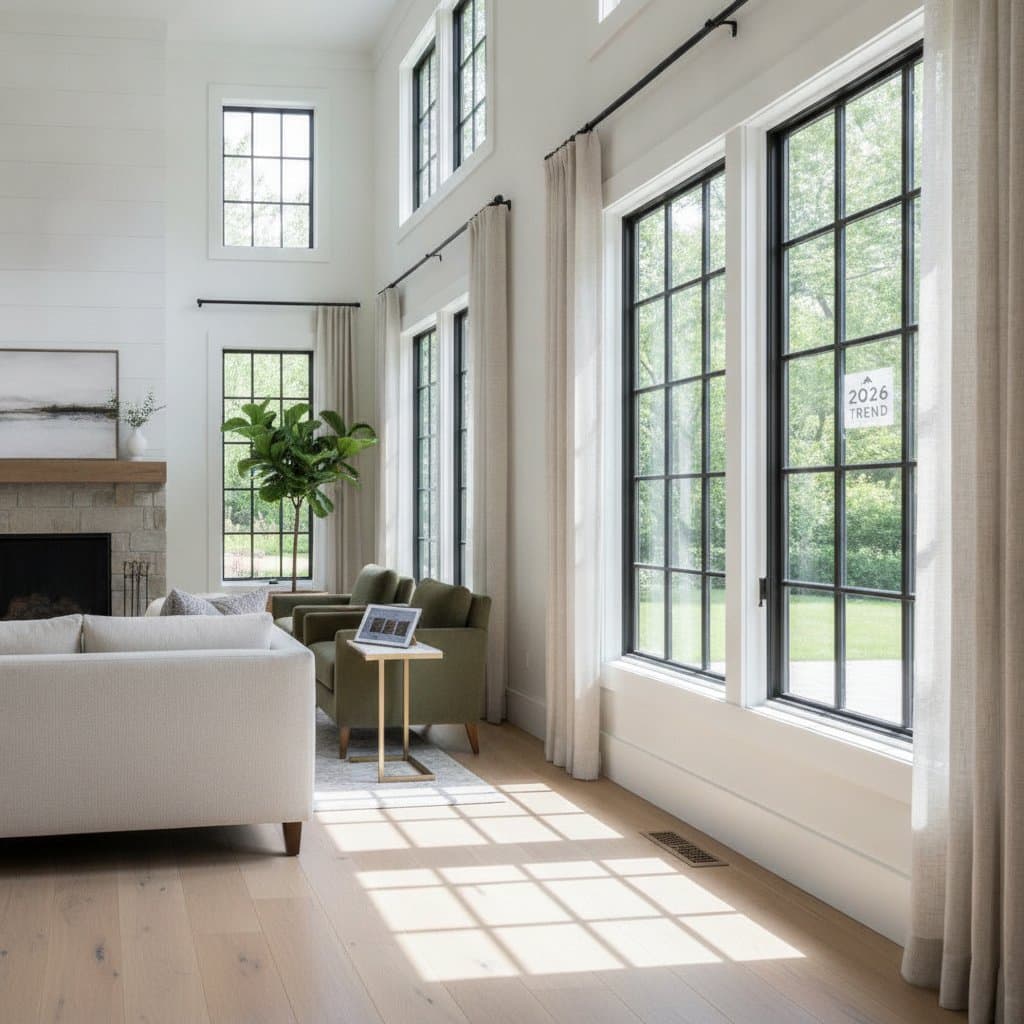
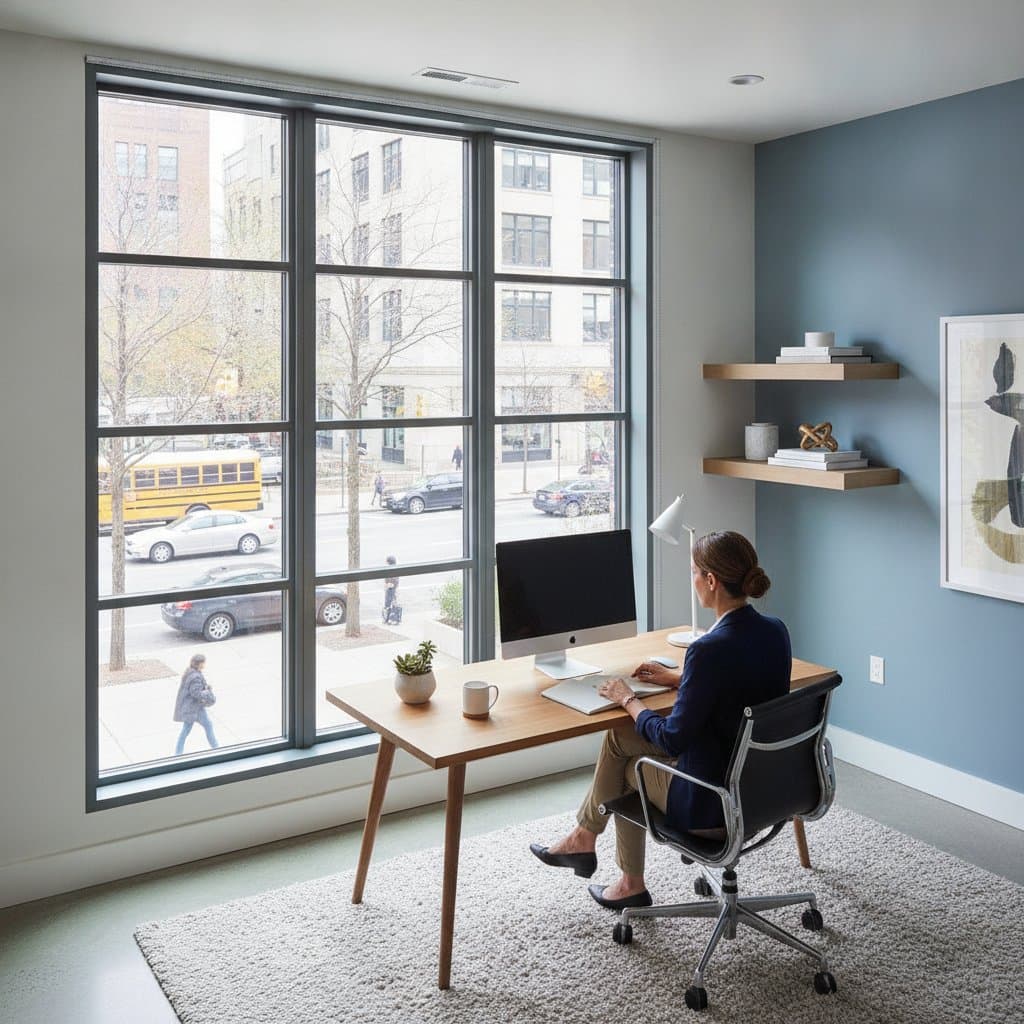
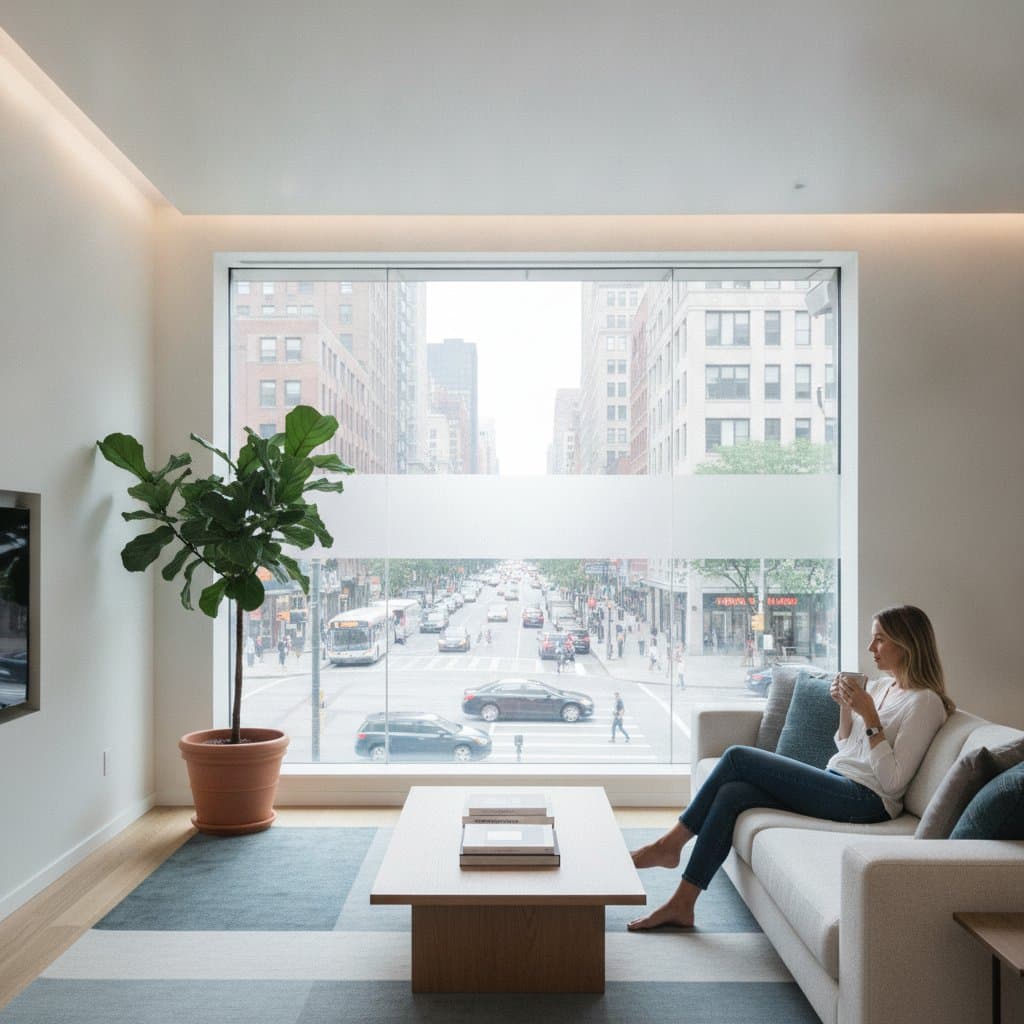
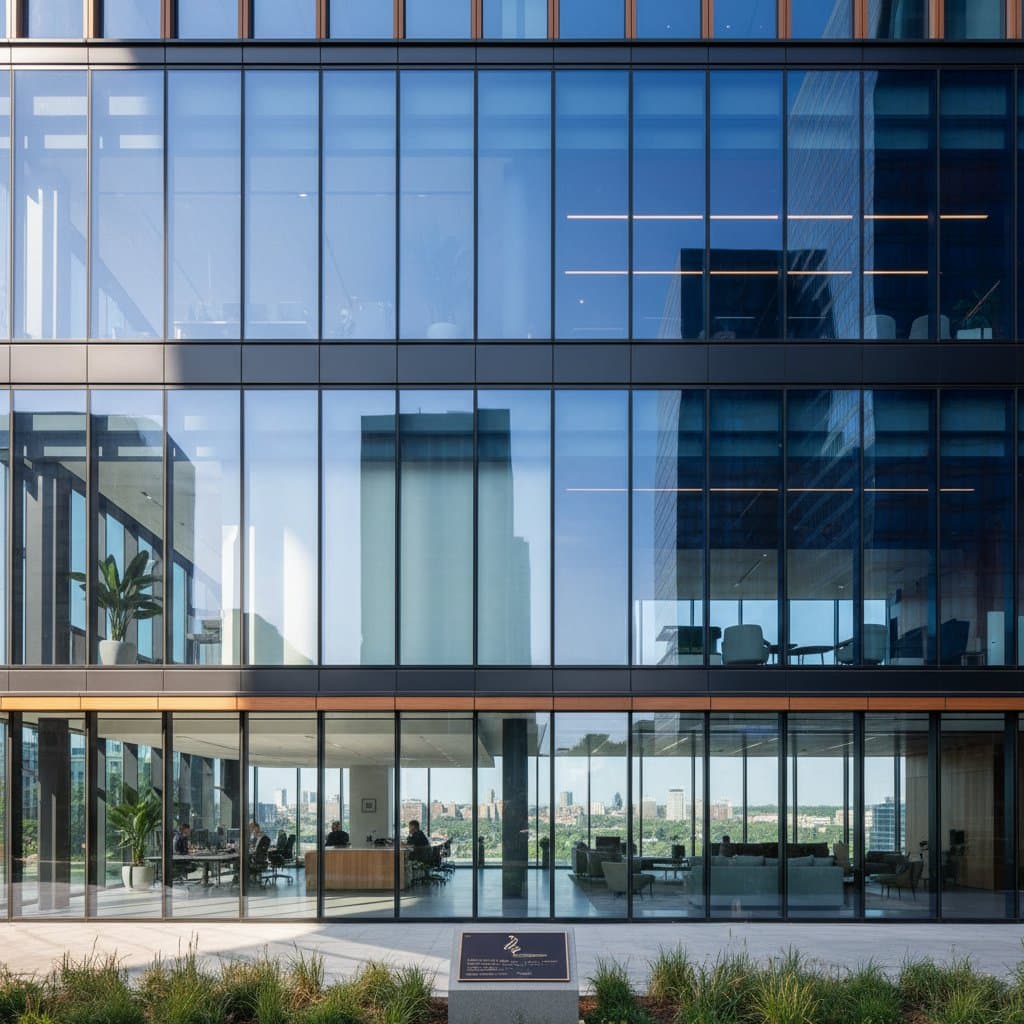
Electrochromic windows, known also as smart or dynamic glass, influence contractor decisions on energy efficiency, occupant comfort, and visual design in residential and commercial structures. These windows adjust tint levels automatically based on sunlight, temperature, or manual input, which minimizes glare and enhances interior environments without additional coverings like blinds. Homeowners gain access to advanced sustainable features, while contractors provide enduring performance and innovative solutions.
Average Cost of Electrochromic Windows
Recent price reductions have made electrochromic windows viable for routine residential applications. Homeowners typically face costs of $700 to $1,200 per window, including installation. Custom larger units range from $1,500 to $2,500, particularly when linked to home automation networks.
The following table outlines average pricing details:
| Window Type | Cost Range (Installed) | Typical Use |
|---|---|---|
| Standard fixed panel | $700 to $1,000 | Living rooms, offices |
| Operable window | $900 to $1,400 | Bedrooms, kitchens |
| Large picture or floor-to-ceiling | $1,500 to $2,500 | Sunrooms, luxury spaces |
| Smart integrated system | $2,000 to $3,000 | Whole-home automation |
These figures cover materials, glazing, controls, and expert installation. Replacement installations might increase slightly based on current frame conditions and electrical availability.
Reasons Contractors Adopt Smart Glass
Contractors seek materials that balance durability with operational savings. Electrochromic windows excel by managing solar heat gain, which cuts cooling expenses by up to 20 percent, as noted in various energy analyses. They also stabilize indoor climates, easing demands on heating, ventilation, and air conditioning units.
Mark Leland, a licensed builder in Denver, stated, “Electrochromic windows allow us to meet modern energy codes without compromising design. They’re becoming a reliable choice in high-performance builds.”
With local governments enforcing stricter energy standards, contractors anticipate smart glass evolving from premium to conventional in upcoming projects.
Functionality of Electrochromic Windows
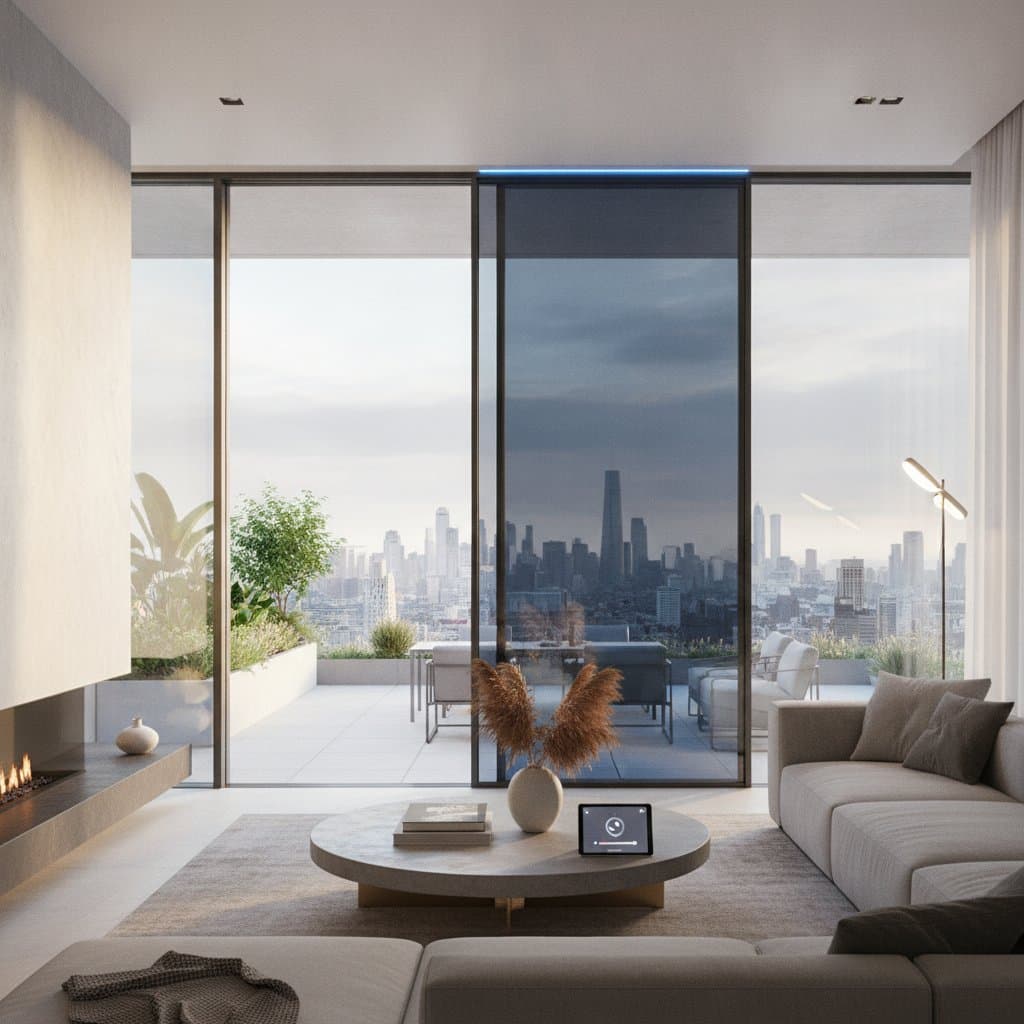
Electrochromic windows incorporate a thin film between glass layers. A low-voltage current alters the film's properties to adjust opacity, a change that reverses quickly to shift from transparent to shaded in under a minute.
Users operate tinting via wall panels, mobile applications, or automated responses to environmental conditions. Advanced setups connect with thermostats and lighting for seamless regulation of comfort and resource use.
Electrochromic Glass Versus Traditional Alternatives
Homeowners evaluating standard glass, low-emissivity coatings, or electrochromic options must weigh initial outlays against ongoing savings. The comparison table highlights key differences:
| Material Type | Cost per Square Foot | Energy Efficiency Rating | Maintenance Level |
|---|---|---|---|
| Standard double-pane | $6 to $12 | Moderate | Low |
| Low-E glass | $10 to $20 | High | Low |
| Electrochromic glass | $25 to $40 | Very high | Very low |
Electrochromic options carry higher upfront expenses but offset them through reduced utility bills over time. In sun-exposed properties, the enhanced livability often warrants the investment.
Primary Advantages for Homeowners
-
Energy Savings:
These windows block up to 98 percent of infrared radiation while preserving views. Such performance lowers air conditioning needs in summer and retains warmth during winter. -
Enhanced Comfort and Privacy:
Automatic adjustments keep spaces illuminated yet glare-free. Daily tint variations support focused work in offices or relaxed viewing in media rooms. -
UV Protection:
The technology filters ultraviolet rays effectively, safeguarding interiors like upholstery, wood floors, and artwork from discoloration. -
Contemporary Style:
Frameless designs complement modern builds. Eliminating drapery creates expansive, uncluttered interiors.
Elements Affecting Installation Expenses
Project costs vary due to specific conditions. Consider these factors:
- Window Dimensions and Configuration: Oversized or non-standard shapes demand custom production and handling.
- Power Infrastructure: Each unit requires nearby low-voltage wiring, potentially raising retrofit expenses.
- Automation Compatibility: Linking to central systems might necessitate hardware updates.
- Frame Selection: Durable options like aluminum or fiberglass accommodate electronics more readily than other materials.
Contractor Insights on Installation
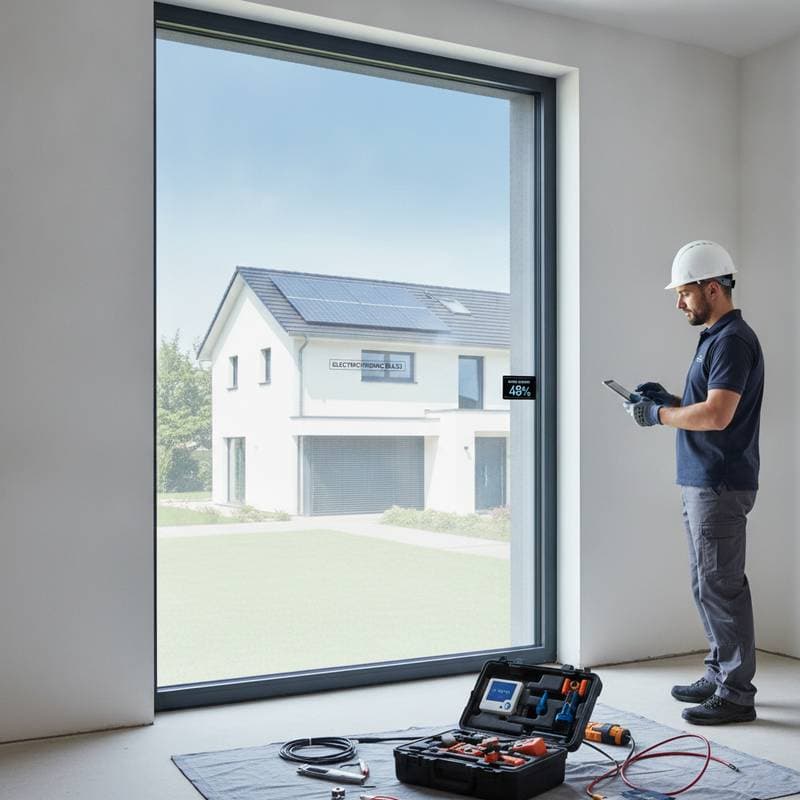
Electrochromic window setups demand greater collaboration than conventional ones. Electricians route power cables, and glaziers secure sensor placements with airtight seals. Suppliers often offer specialized training for professionals focusing on adaptive glazing.
Rachel Kim, a certified installer with Pacific View Builders, noted, “The wiring is straightforward once you understand the layout. The key is early planning so power access aligns with the architectural design.”
New builds extend timelines by one to two days. Retrofitting involves additional effort for electrical adaptations.
Upkeep and Durability
Electrochromic systems require minimal ongoing care. Without mechanical elements, the sealed electronics endure reliably. Routine cleaning mirrors that of ordinary glass, employing mild cleaners and microfiber tools.
Warranties span 10 to 20 years for glass and controls. Correct setup ensures consistent operation over the unit's service life.
Sustainability and Ecological Impact
These windows support certifications like LEED by curbing energy use and daylight dependency. Pairing with photovoltaic arrays amplifies a building's net-zero potential and reduces emissions.
Steps to Integrate Smart Glass
Homeowners pursuing energy-focused renovations or sustainable new constructions benefit from electrochromic upgrades. Engage contractors versed in dynamic glazing early.
Time installations with comprehensive remodels to leverage open access to structures and wiring. Post-setup, use app controls to fine-tune operations for personal preferences.
Contractors can advance by pursuing certification in this field and forging ties with manufacturers, tapping into the rising demand for intelligent residences.