The $800 Smart Film Revolutionizing Windows by 2026
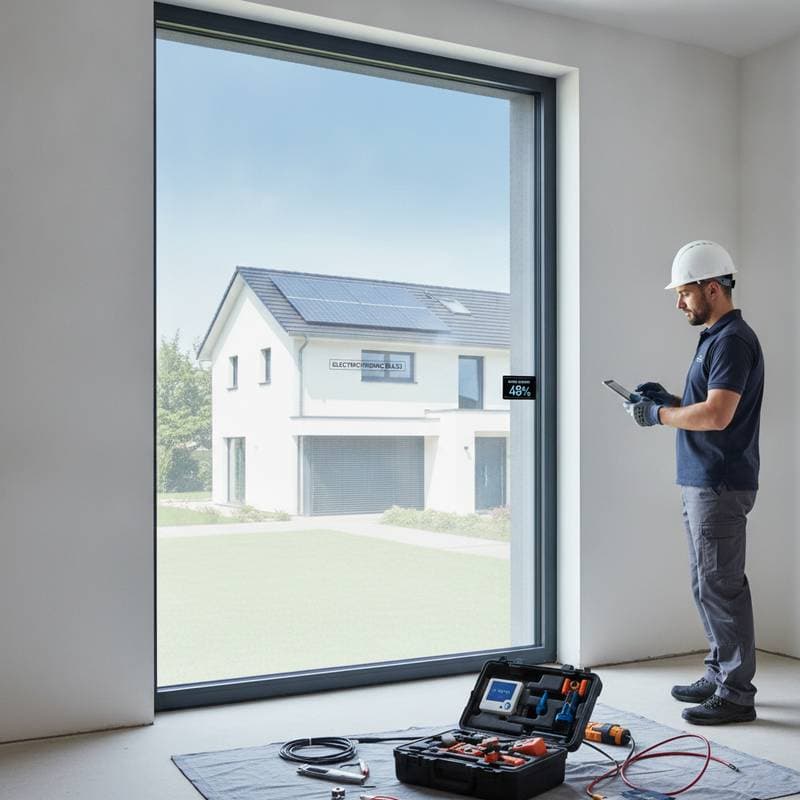
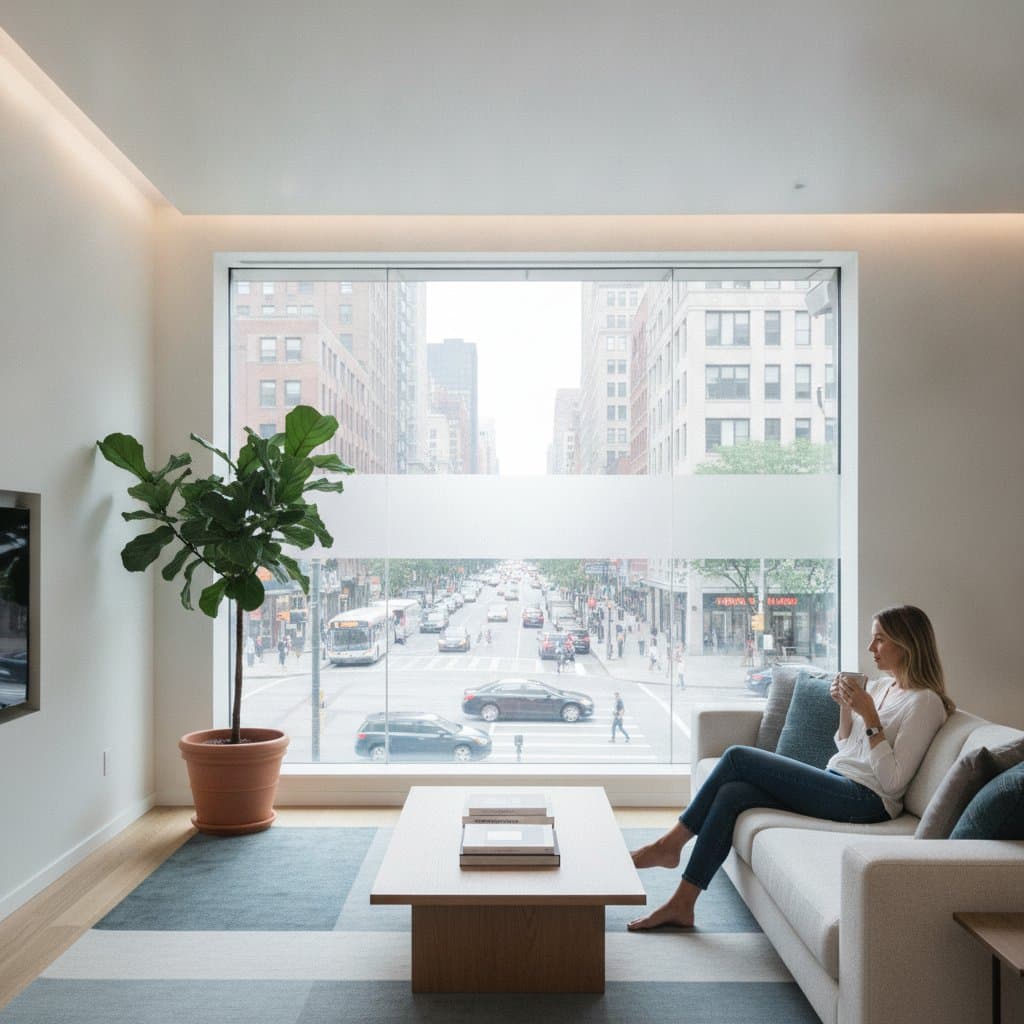
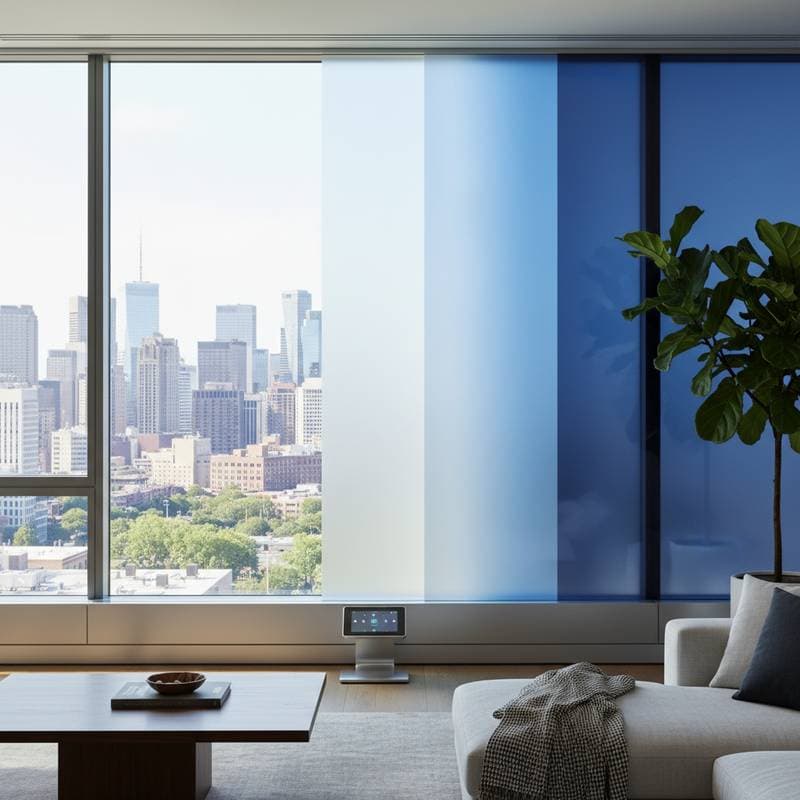
Home design trends increasingly favor intelligent materials that adapt to daily needs. A standout advancement in exterior enhancements is electrochromic window film, commonly known as smart window film. This slim layer converts regular glass into responsive surfaces that modulate tint levels. At approximately $800 per window, the film reshapes perspectives on light management, privacy, and energy optimization.
For residents, the film delivers a fusion of refined visuals and functional benefits. It provides the polished effect of custom-tinted glass without the expense or disruption of full window replacements. As designs incorporate broader glass areas, sustainable barriers, and simplified lines, electrochromic films emerge as essential elements for achieving both form and function.
Smart Clarity: Why This Technology Excels
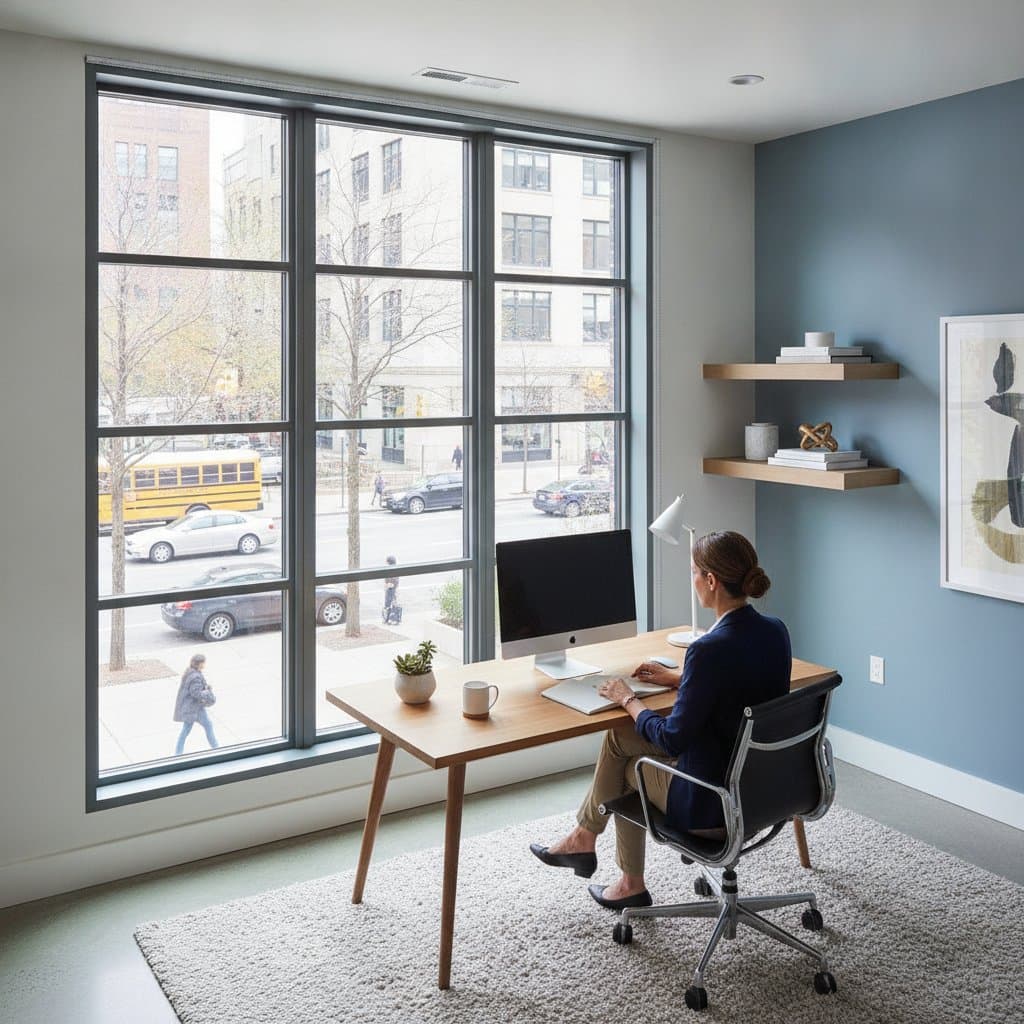
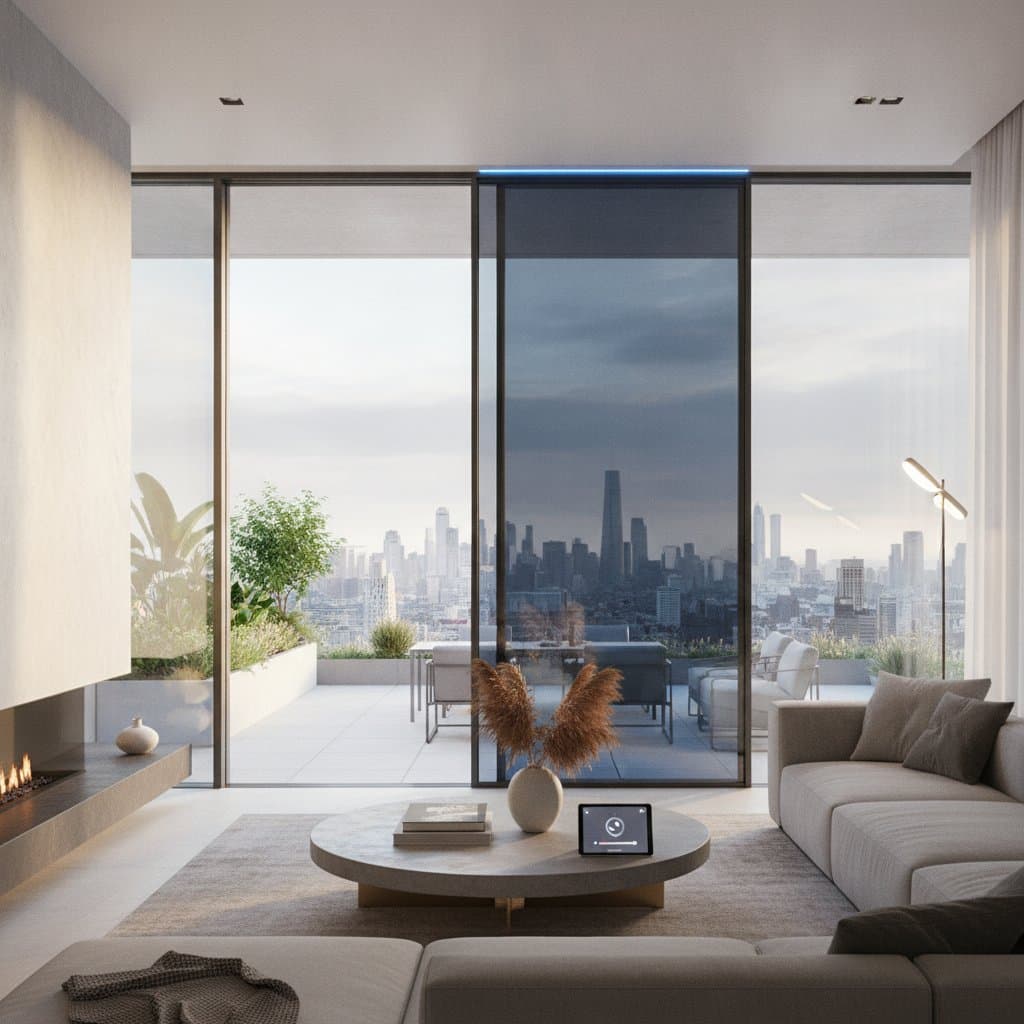
Electrochromic window film delivers a refined, forward-thinking profile while boosting indoor comfort and performance. The material employs an electrical current to transition from transparent to shaded states, regulating glare and thermal influx. Users gain full daylight access or diffused shading on demand, activated via switch, remote, or automation.
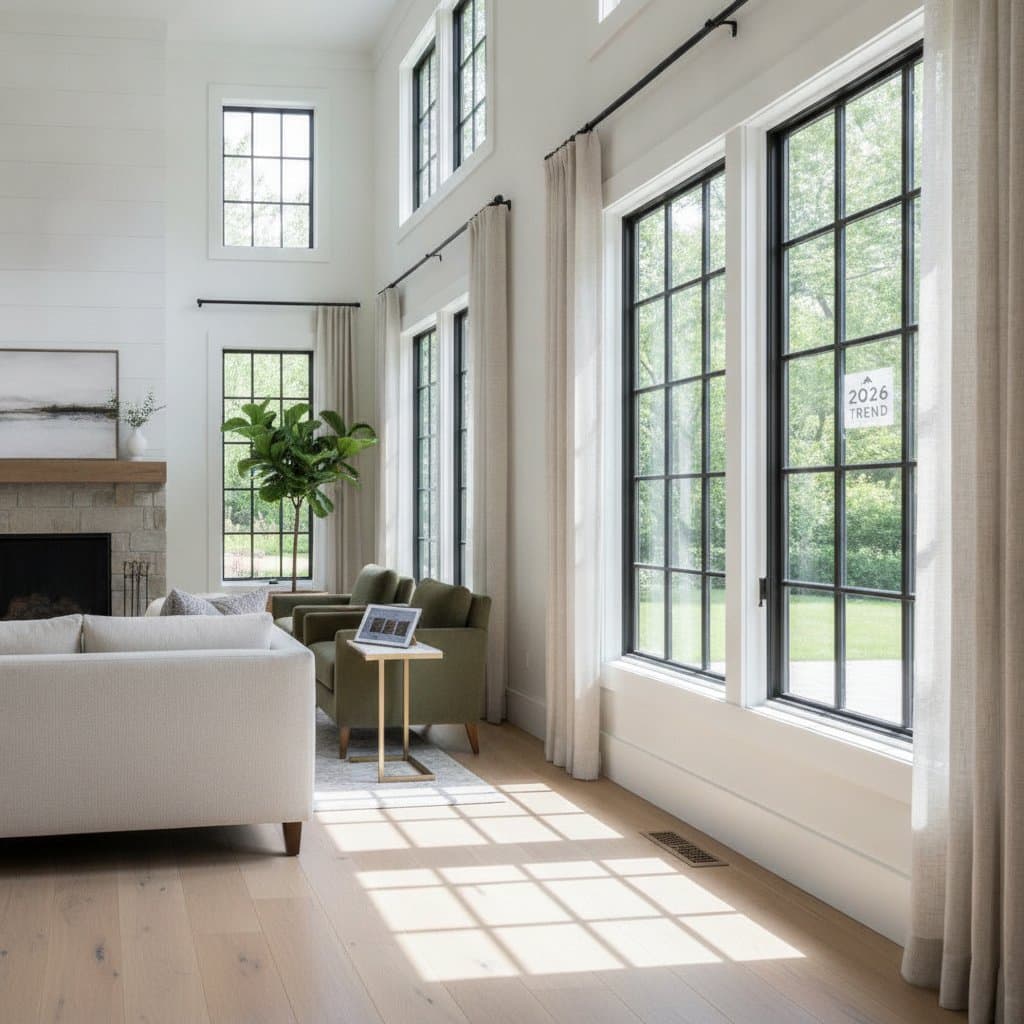
From an architectural viewpoint, the film supports prevailing exterior motifs that prioritize fluid indoor-outdoor connections. Structures with broad glazing leverage its capacity to harmonize openness and seclusion. Even established residences receive an understated enhancement, as the film mitigates ultraviolet damage to wooden elements, textiles, and floors without altering signature window contours.
Three Implementation Strategies
Basic Strategy ($2,000 - $5,000)
- Material selections: Affix self-adhesive smart-tint film to current windows, targeting sun-intensive zones such as south-oriented panes.
- Efficiency measures: Limit application to primary areas like living rooms, bypassing secondary windows. Opt for simple manual switches over advanced automation.
- Key investment: Select premium film variants that maintain sharp transparency in clear mode, steering clear of budget alternatives prone to distortion.
Intermediate Strategy ($6,000 - $12,000)
- Integrated choices: Pair pre-tinted, energy-conserving glass in stationary panels with electrochromic film on movable or prominent windows.
- Enhanced functionality: Link to a home automation hub that modulates tint according to solar intensity.
- Valued additions: Combine with aluminum-sheathed or composite frames to achieve crisp lines and minimal upkeep.
Advanced Strategy ($15,000 - $25,000)
- Superior components: Install complete electrochromic glass assemblies featuring built-in sensors and app- or voice-activated controls.
- Refined features: Conceal wiring in moldings, enable uniform tinting over expansive facades, and align with adjacent door panels.
- Enduring benefits: Realize significant reductions in energy use, preservation of interior surfaces, and compatibility with evolving smart systems.
Material and Finish Recommendations
- Windows: Casement and fixed-pane styles maximize the film's advantages through their wide, uninterrupted views. Select frame hues that promote elegance, including matte black, charcoal, or bronze. Stainless steel or graphite hardware aligns with the innovative vibe.
- Doors: Retrofit full-glass entryways or sliding patio doors with electrochromic layers. Frosted or graduated options ensure seclusion alongside natural light. Brushed nickel or matte black hardware maintains uniformity.
- Siding: Complement upgraded windows with level fiber cement planks, sleek stucco, or fabricated wood sections. These straightforward forms echo the film's polished sheen. Neutral siding shades, such as light gray or warm sand, provide striking contrast to varying window tones.
- Trim and details: Embrace restraint with slim profiles or metallic borders to spotlight the glass. In classic settings, opt for painted wood in crisp white or subtle taupe for equilibrium.
Maintenance Essentials
Advanced though smart window films may be, they demand consistent attention. Clean the surface using soft, non-scratch tools and pH-neutral solutions to sustain transparency. Steer away from ammonia-containing cleaners that degrade the coating.
Safeguard electrical elements like transformers and cables from dampness. Professional setups should route wiring through wall voids or protected conduits for longevity.
With proper care, the film endures for years. In high-sun areas, its shading capability cuts ultraviolet rays to interiors, easing upkeep on wooden pieces and carpets. Primary tasks involve periodic checks of connections and gentle cleaning to uphold visual quality.
Common Pitfalls to Avoid
- Selecting inappropriate film: Certain ornamental layers simulate tinting but omit dynamic adjustment. Verify electrochromic functionality, distinct from fixed tints or one-way privacy films.
- Overlooking calibration: Automation requires precise sensor positioning. Inadequate setup leads to inconsistent shading or excess power draw.
- Neglecting frame suitability: Film on aged or compromised windows risks moisture buildup. Examine seals and edges prior to application.
- Overextending budget: Covering all panes initially strains resources. Focus on high-impact or sun-exposed areas first.
Color and Style Integration
Smart window film introduces versatile interplay among glass, exteriors, and accents. Its adjustable shading necessitates hues that perform in both bright and subdued states. A thoughtful scheme preserves cohesion regardless of tint level.
Suggested Color Schemes:
- Graphite and Linen: Charcoal frames against ivory siding and neutral beige trim.
- Soft Taupe and Cloud Gray: Subdued walls with hazy glass and steel highlights.
- Ocean Mist and Driftwood: Pale blue-gray exteriors, sandy trim, and bronze frames for seaside properties.
- White Oak and Onyx: Organic wood touches with bold black window surrounds in rustic-modern contexts.
- Stone Gray and Pewter: Ideal for city dwellings, offering a muted, factory-inspired tone.
Test siding samples under varying daylight. The film's shifting opacity influences reflections, so designs must accommodate these variations for sustained visual unity.
Pre-Installation Documentation Guide
Capture your home's existing state before committing to selections. Such records aid professionals and owners in aligned choices.
Documentation Steps:
- Photograph exteriors from diverse perspectives, capturing window frames and trim in detail.
- Catalog the building's style and key features to preserve authenticity.
- Assess local aesthetics and association rules regarding tint levels or palettes.
- Note environmental aspects, including sunlight paths, winds, and glare cycles.
- Define financial limits and target areas for upgrades.
These images and observations serve as critical tools in consultations or sample evaluations.
Regional and Upkeep Factors
Performance of smart window films varies by locale. In warm zones, they curb heat entry and ease cooling efforts. In cooler areas, tinted modes retain indoor warmth by bouncing it inward.
Coastal properties require films built for saline and moisture tolerance. Humid settings demand tight edge seals to prevent fogging. Arid regions call for adhesives that withstand ultraviolet without discoloring.
Sync maintenance with annual routines. Examine borders, wiring paths, and clarity biannually. Clear frames of buildup to support adhesion and sensor accuracy.
Aligning Windows with Doors and Exteriors
Window enhancements frequently prompt comprehensive facade refreshes. When adding smart film, evaluate doors and siding for holistic appeal.
Entry Doors: Equip full-view doors with tinting film for adjustable privacy and light. Traditional designs benefit from grid patterns echoing heritage. Contemporary options favor borderless or bonded edges for fluidity.
Siding: Flat overlapping boards or oversized sheets underscore the film's modernity. Rougher textures like salvaged timber or rock facings add dimension against the glass's smoothness.
Trim: Harmonize sheen with frame finishes. Satin or low-luster paints pair well with the glass's gentle gleam. High-shine elements risk clashing in fluctuating light.
Performance and Resale Advantages
Beyond aesthetics, smart window film yields tangible gains. It tempers solar intake to lessen heating and cooling needs, fostering steady comfort. Cumulative efficiencies recoup portions of upfront expenses. Such improvements attract prospective buyers, elevating market appeal.
Design-wise, adaptive windows convey upscale innovation. They embody thoughtful sustainability, appealing to those pursuing eco-friendly refinements. This balance of style and utility positions electrochromic film as a cornerstone for forward-looking residences.