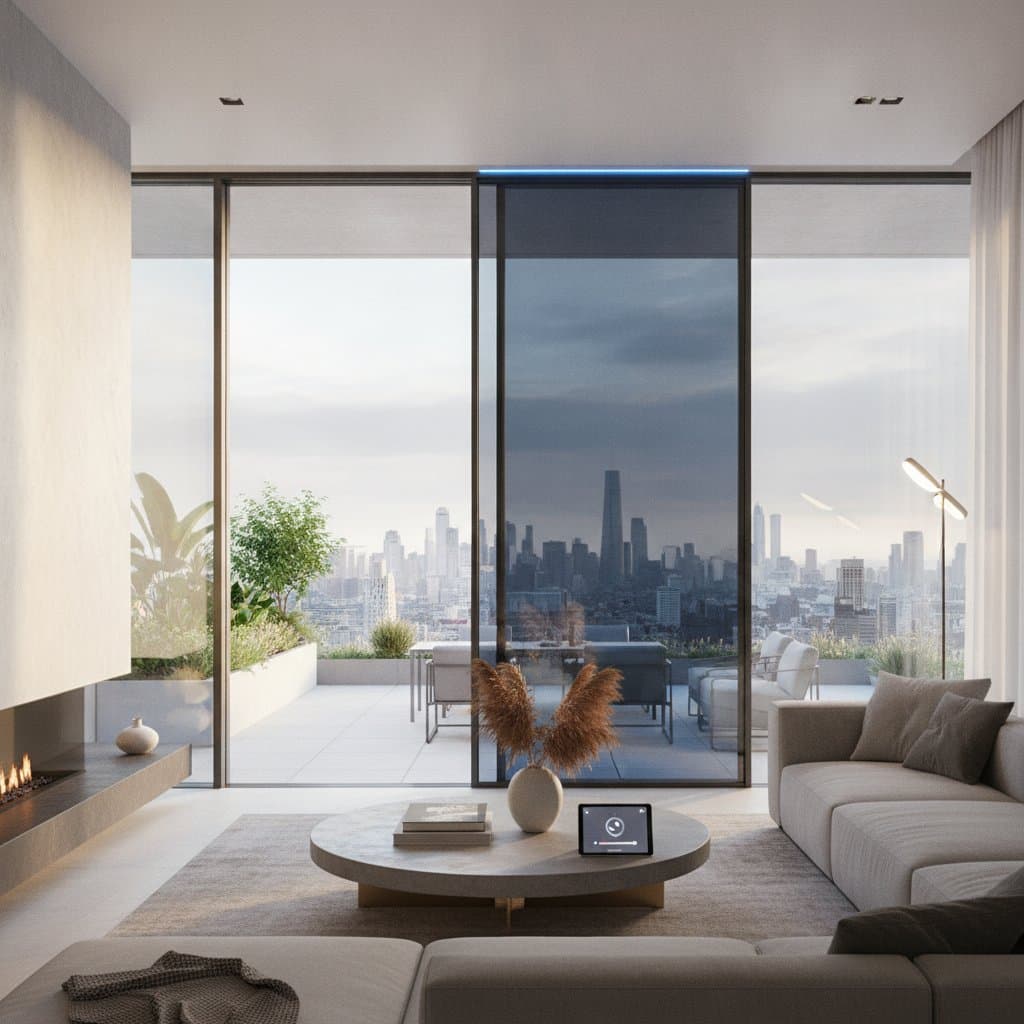
How Acoustic Windows Reduce Home Noise by Up to 75% by 2026
Noise pollution poses a significant challenge for many homeowners, stemming from traffic, construction, or neighboring activities. This unwanted sound disrupts daily life and diminishes overall well-being. Acoustic windows, also known as soundproof or noise-reducing windows, offer an effective remedy. Advanced systems employing acoustic glass can diminish external noise by up to 75 percent, enhancing indoor tranquility. Grasping the mechanics of these windows, their performance factors, and selection criteria proves crucial for achieving a serene home.
The Technology Behind Acoustic Windows
Acoustic windows minimize sound transmission through innovative combinations of glass, spacing, and seals. Standard single-pane windows permit sound waves to vibrate and penetrate easily. In contrast, acoustic designs incorporate multiple barriers to absorb and block these vibrations.
Essential Components
-
Laminated Glass Layers
These feature an interlayer that dampens sound vibrations, preventing their passage into the home. -
Varying Glass Thicknesses
Asymmetric panes target specific frequencies; thicker glass handles low rumbles from vehicles, while thinner ones address higher pitches like voices. -
Expanded Air or Gas Spaces
Larger gaps between panes, often filled with inert gases, serve as cushions that dissipate sound energy. -
Advanced Sealing Mechanisms
Tight seals around frames and edges eliminate leaks that could undermine noise control.
These elements collectively enable substantial noise reduction. High-end models foster peaceful interiors ideal for focus, sleep, and leisure.
Acoustic Windows Versus Traditional Types
Distinguishing acoustic windows from conventional ones aids informed choices. The table below highlights key differences.
| Window Type | Noise Reduction | Insulation Quality | Maintenance | Typical Use |
|---|---|---|---|---|
| Standard Single Pane | Low | Minimal | Easy | Interior divisions, mild areas |
| Double Glazed | Moderate | Good | Moderate | Everyday homes |
| Acoustic Multi-Layer | High to Very High | Excellent | Low to Moderate | Noisy urban or traffic zones |
Acoustic glazing excels in sound control for noise-exposed properties. It builds on double glazing's energy benefits while preserving natural light and aesthetics.
Assessing Costs and Benefits
Initial expenses for acoustic windows exceed those of standard options due to specialized materials and installation. However, enduring advantages often justify the outlay.
Upfront Factors
Installation demands skilled labor, elevating costs. Results appear immediately, with quieter spaces and enhanced comfort. Enhanced insulation also lowers energy use for heating and cooling.
Enduring Advantages
Laminated glass endures impacts, minimizing breakage risks. Such upgrades boost property appeal to buyers valuing peace. Reduced noise promotes better rest and stress relief, supporting health.
For residences near busy routes or airports, these improvements deliver compelling returns on investment.
Tailoring Acoustic Windows to Your Home
Soundproofing needs vary by location, noise type, and home design. Selecting appropriately ensures optimal performance without excess spending.
Urban and High-Traffic Settings
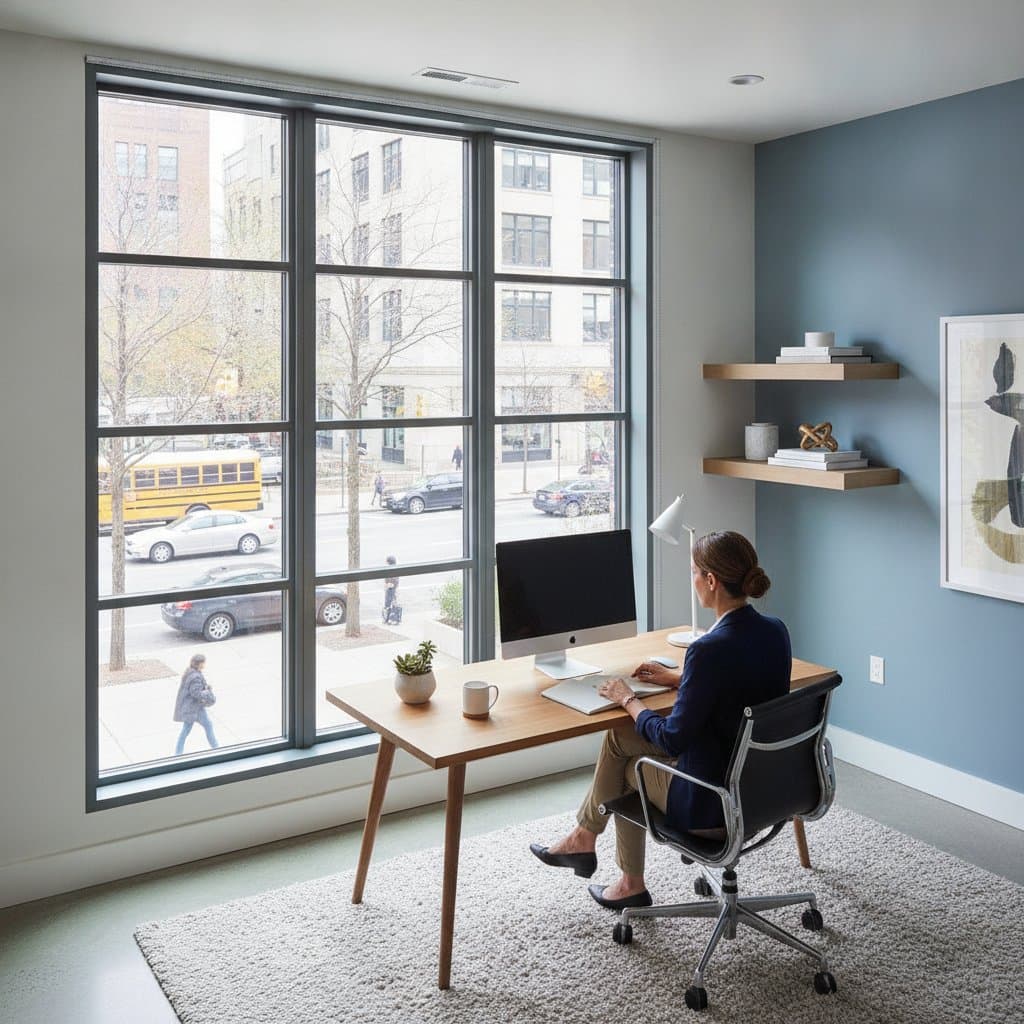
City dwellings or road-adjacent homes require robust systems with multiple laminations and wide gaps. These handle steady hums and sudden spikes, like horns or machinery.
Quieter or Rural Locations
Double glazing suffices in low-noise areas, though acoustic options suit dedicated quiet zones such as bedrooms or home offices.
Addressing Specific Noises
- Traffic Sounds: Opt for thicker laminates and broader spaces.
- Airport or Train Proximity: Employ triple glazing for broad frequency blocking.
- Local Disturbances: Moderate acoustics paired with drapes or wall treatments often prove adequate.
Customization aligns solutions with real conditions, maximizing efficacy.
Installation Process Overview
Acoustic window fitting extends beyond simple replacement, demanding precision to uphold soundproofing integrity.
Initial Assessment
Experts evaluate frames, walls, and ambient noise using measurement devices to pinpoint dominant frequencies. This informs tailored recommendations.
Site Preparation
Remove old units and inspect frames for squareness and strength. Seal any wall imperfections to avert sound entry.
Core Installation Steps
- Frame Strengthening: Add reinforcements for the added weight of acoustic units.
- Panel Positioning: Place laminates precisely to prevent stress-induced flaws.
- Final Sealing: Apply durable seals and test for airtightness.
Post-installation checks with sound meters confirm performance. Proper execution guarantees rated noise cuts.
Ongoing Maintenance Practices
These windows demand minimal upkeep, yet routine attention sustains their prowess.
- Gentle Cleaning: Apply soft, non-abrasive solutions to safeguard laminations.
- Seasonal Seal Reviews: Inspect for deterioration or gaps.
- Hardware Upkeep: Lubricate moving parts to curb rattles.
- Impact Avoidance: Protect against blows that might impair interlayers.
Diligent care extends longevity and consistent quietude.
Enhancing Daily Life and Design
Acoustic windows elevate living beyond silence. They sharpen focus for remote work, ease family interactions, and amplify relaxation. Homes feel more inviting without competing external din.
Design versatility includes clear, tinted, or opaque glass options. Frames in uPVC, aluminum, or wood blends integrate smoothly, upholding style while delivering function.
Sustainability and Efficiency Gains
Multi-layer builds that stifle sound also bolster thermal barriers, stabilizing indoor climates and trimming utility bills. This dual role lessens reliance on noise-masking appliances, curbing energy waste.
Eco-conscious choices feature certified low-impact materials, aligning noise control with green living principles.
Overcoming Potential Hurdles
Projects succeed with foresight into common pitfalls.
- Installation Errors: Engage certified professionals to ensure complete seals.
- Building Constraints: Retrofit older structures with necessary supports.
- Budget Surprises: Secure itemized estimates to manage finances.
- Upkeep Oversights: Schedule regular inspections to sustain seals.
Proactive planning yields reliable outcomes.
Selecting and Preparing for Optimal Results
Choose based on decibel ratings, where 35 to 45 dB reductions suit most homes. Evaluate frames for durability and looks.
Preparation Essentials
- Relocate nearby items for safety.
- Coordinate schedules and access with installers.
- Account for weather delays.
- Examine warranties and care guides.
- Arrange temporary airflow if needed.
Verification Steps
- Test noise levels pre- and post-installation.
- Examine seals for even adhesion.
- Confirm smooth operation without leaks.
- Obtain documentation of performance specs.
Realizing Lasting Home Serenity
Acoustic windows deliver profound shifts, turning clamor-filled rooms into havens of calm. They merge noise mitigation with efficiency and aesthetics for holistic upgrades. Homeowners investing thoughtfully secure enduring peace and value.