Why Homeowners Choose Black Aluminum Windows in 2026
Home design trends evolve to meet demands for style, durability, and efficiency in contemporary living. Black aluminum windows emerge as a key element in new constructions and renovations. Their rise stems from clean lines, minimal framing, and materials that integrate performance with visual appeal. An examination of their lifecycle, from installation through maintenance, reveals the reasons for their widespread adoption.
The Visual Appeal of Black Aluminum Frames
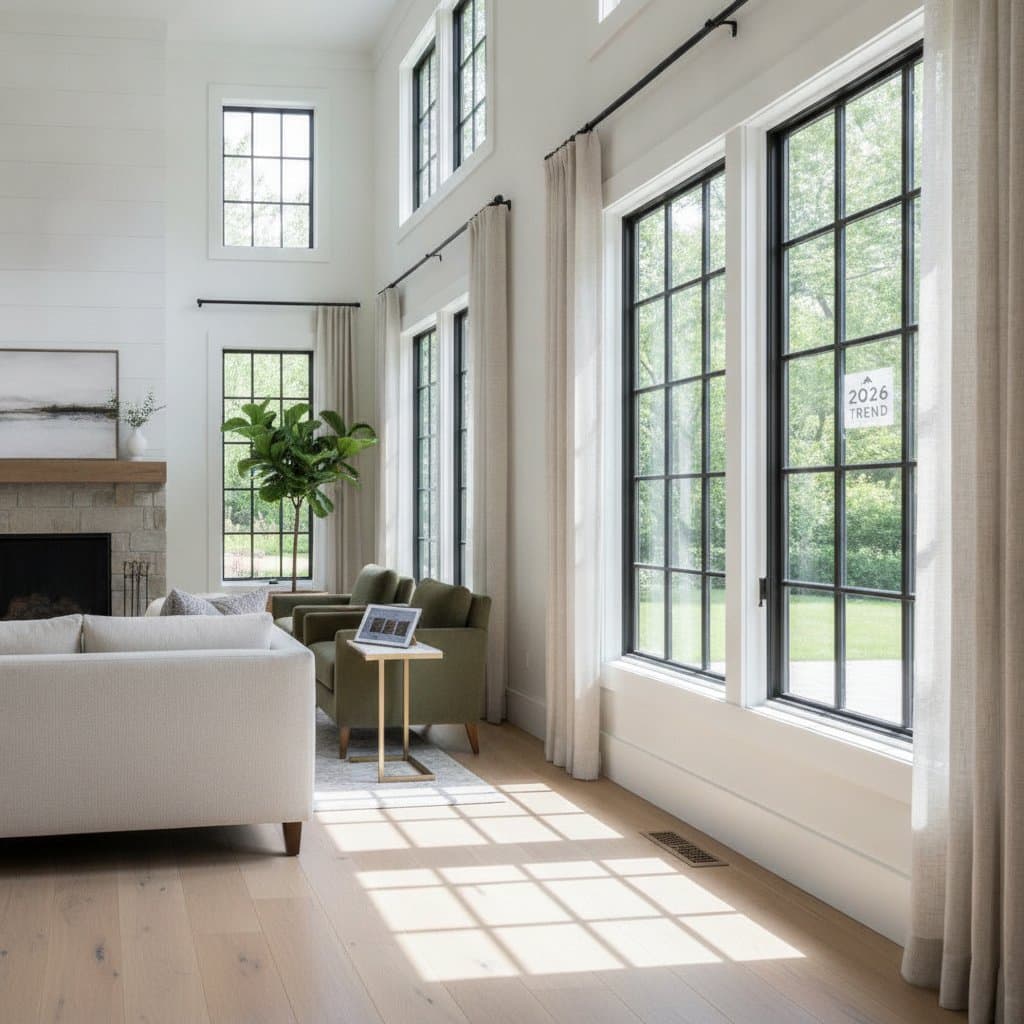
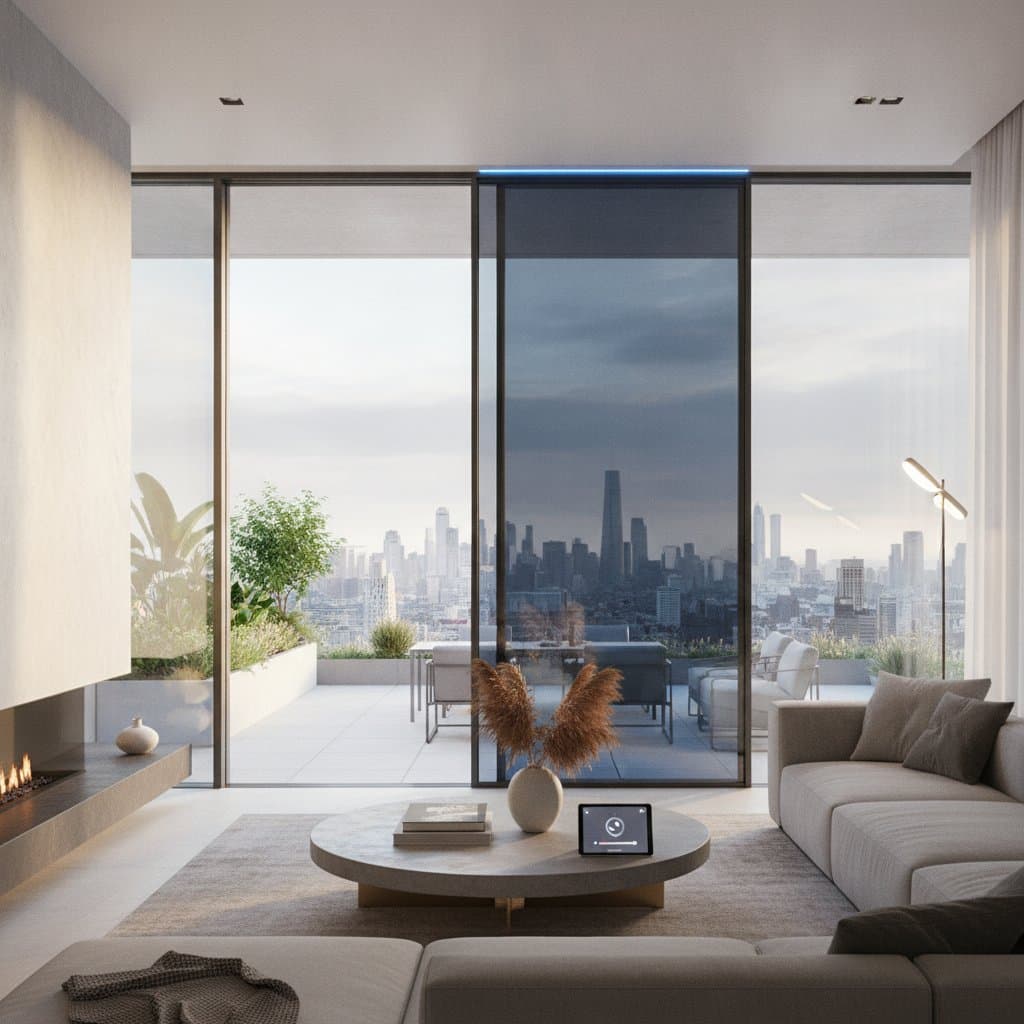
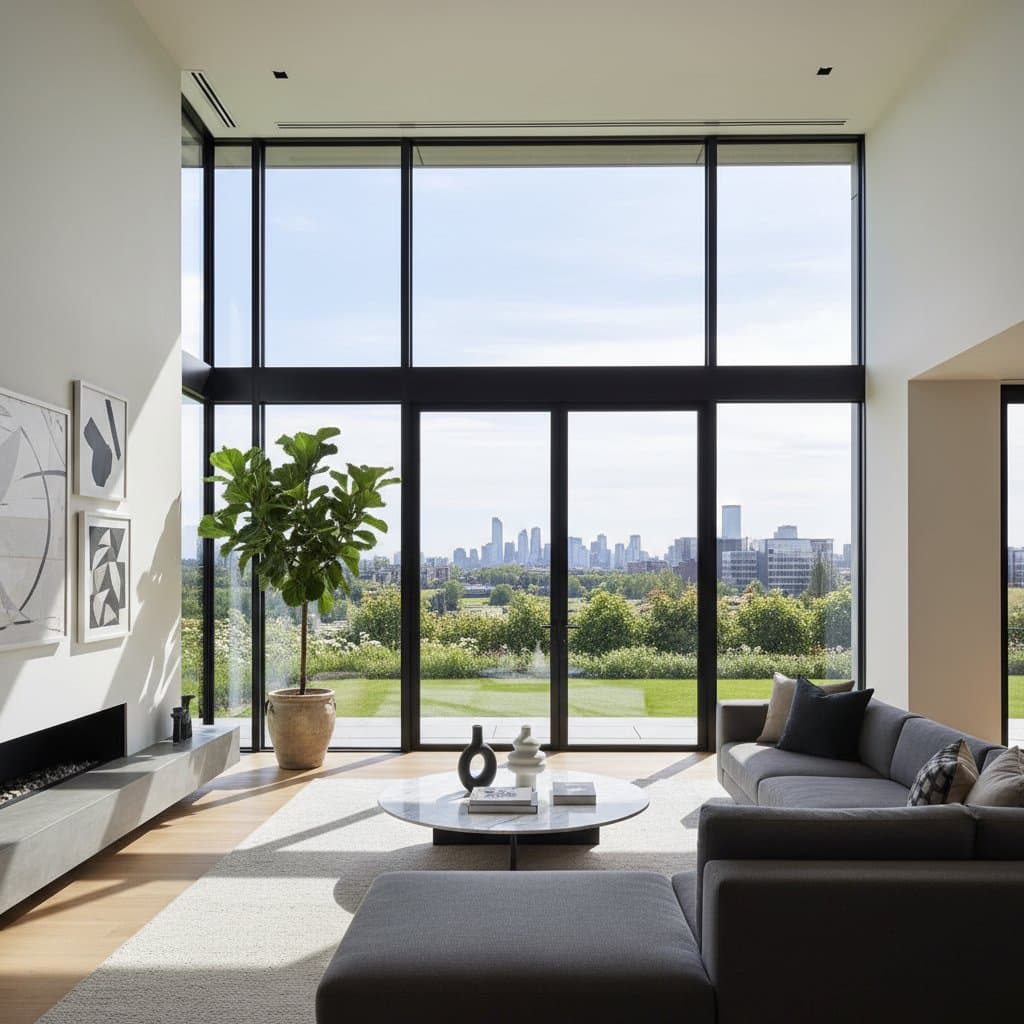
Black frames provide sharp contrast against light walls, natural wood, or stone surfaces. This contrast defines interiors and exteriors while harmonizing with surrounding elements. Aluminum's strength enables slimmer profiles compared to wood or vinyl, which increases visible glass area and enhances light flow. The outcome yields a sophisticated, modern look suitable for both contemporary and transitional architectures.
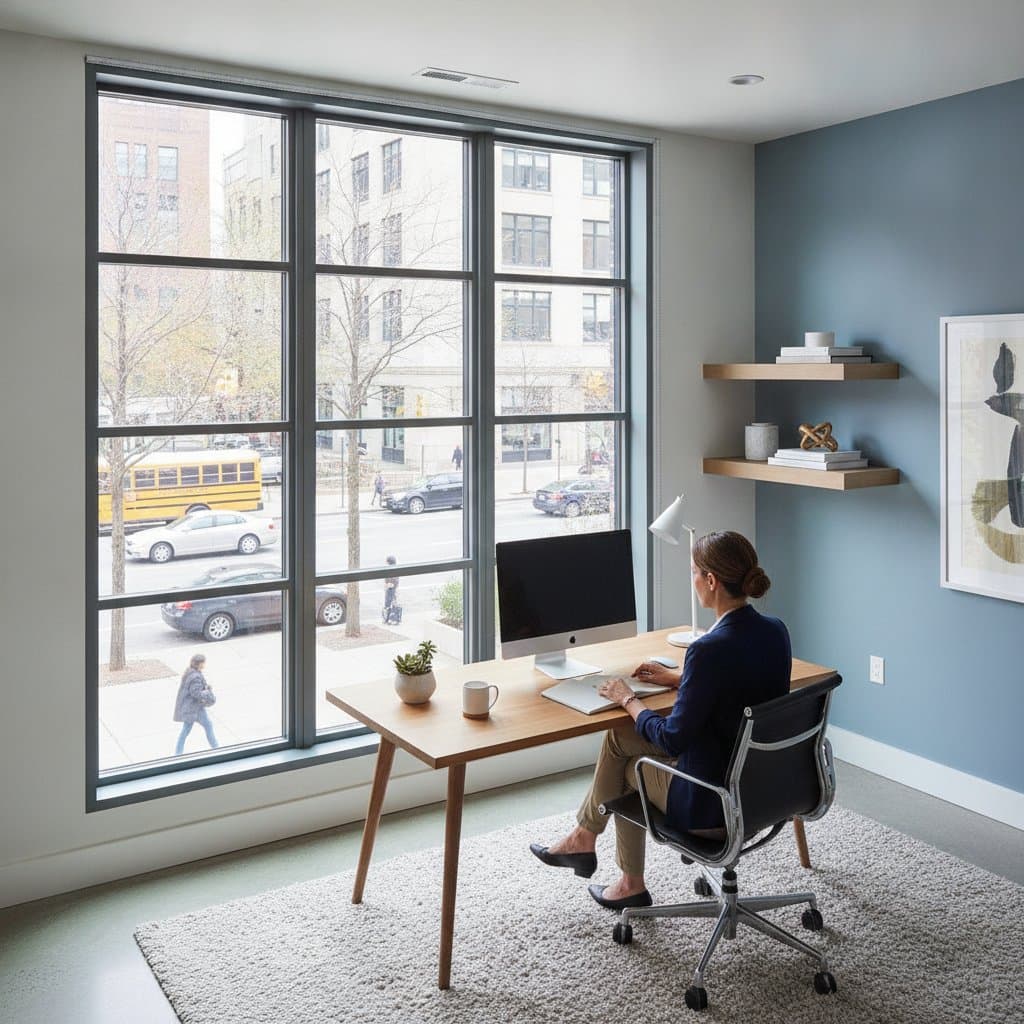
Black frames serve as visual anchors in spaces. They frame outdoor views, integrating the exterior into the indoor environment. This feature proves ideal for open-plan layouts where natural light plays a pivotal role. In settings from mountain homes to urban apartments or seaside residences, black aluminum windows offer enduring boldness that aligns with diverse architectural visions.
Material Performance Benefits
Aluminum excels in structural integrity. It withstands warping, cracking, and swelling from moisture or temperature fluctuations, issues common in other materials. Contemporary designs incorporate thermal breaks in frames to boost insulation and limit heat transfer between indoors and outdoors. These enhancements resolve past concerns about aluminum's conductivity, rendering it suitable for homes.
The powder-coated finish on aluminum endures fading and corrosion, particularly in humid or coastal areas. This black coating preserves color and sheen for years with little effort. Such reliability appeals to owners, as it eliminates frequent repainting and ensures consistent upkeep.
Comparison of Window Frame Materials
A direct comparison highlights why black aluminum windows excel over alternatives.
| Material | Initial Cost | Lifespan | Maintenance | Best Applications |
|---|---|---|---|---|
| Vinyl | Low to Moderate | 20-30 years | Minimal; limited colors | Budget projects |
| Wood | Moderate to High | 30-50 years | Regular painting/sealing | Traditional/rustic styles |
| Aluminum | Moderate | 40-50 years | Occasional cleaning | Modern, efficient homes |
| Fiberglass | High | 40-50 years | Low; limited color options | High-performance structures |
Fiberglass rivals aluminum in durability but falls short on slim profiles. Vinyl offers affordability yet lacks refined aesthetics and color stability. Wood delivers natural warmth at the expense of ongoing care. Aluminum strikes an optimal balance of function, style, and ease.
Energy Efficiency and Sustainability
Energy savings drive window selections. Black aluminum windows feature thermal barriers, insulated glass, and low-emissivity coatings to stabilize indoor temperatures. These elements cut heating and cooling demands, leading to reduced utility costs.
Aluminum supports sustainability through recyclability. Producers often incorporate recycled content, minimizing resource use and waste. This trait surpasses composites or plastics in environmental impact, attracting those focused on eco-friendly improvements.
Design Versatility in Contemporary Settings
Black aluminum windows adapt to various styles, from minimalist to industrial or refreshed traditional. The black hue coordinates with palettes including wood tones, whites, or grays.
Frames accommodate expansive panels, corner units, or sliders without structural loss. This capability fosters innovative layouts that connect indoor and outdoor realms, challenging limits of denser materials.
Options for mixed finishes, such as black exteriors with interior neutrals, promote cohesion with room-specific nuances. Matte or textured variants further broaden customization.
Installation Process Overview
Installation demands accuracy to preserve frame and finish quality. Key phases include:
- Planning: Measure openings and assess structures for fit, noting needs for thermal breaks or drainage.
- Preparation: Remove old units, clean spaces, and apply flashing or barriers against moisture.
- Installation: Position, level, and secure frames; seal for efficiency and weatherproofing.
- Verification: Test operations, seals, and alignments.
- Finalization: Adjust as needed and provide care guidelines.
Professionals ensure precision, as errors in sealing or fitting undermine performance and looks.
Maintenance and Durability
These windows require minimal care. Clean periodically with mild soap and water. Inspect seals and hardware routinely; lubricate moving parts to avoid wear.
No painting or staining proves necessary, unlike wood. The coating resists chips and scratches effectively. In salty conditions, rinse monthly with fresh water to sustain the surface.
Well-cared-for units last decades. Frames endure while seals or glass may occasionally need updates, affirming their value.
Aesthetic and Practical Balance
Black frames command attention, so pair them with light walls or textures for equilibrium. In compact areas, they expand perceived space via glass emphasis; in dim rooms, they introduce contrast.
Black absorbs heat, potentially raising gains on exposed sides. Advanced coatings and barriers mitigate this; consider orientation, shades, or screens for control.
Cost-Benefit Analysis
Pricing falls mid-to-upper relative to peers. Though pricier than vinyl initially, longevity, low maintenance, and durability yield savings. The style boosts resale appeal.
Focus on total lifecycle costs. Resistance to damage cuts replacements, preserving aesthetics and worth over time.
Selecting the Ideal Option
Choices hinge on climate, style, upkeep tolerance, and funds. Aluminum suits moist areas for moisture resistance and arid ones for stability. Decide between bold modernity or seamless blending.
Obtain quotes from certified installers, covering labor, warranties, and support. They detail insulation, glass, and hardware for informed decisions.
Integrating into Long-Term Plans
View windows as components of overall enhancements, like efficient doors or siding. Their adaptability eases future updates.
Schedule inspections; replace weatherstripping and clear drains routinely. For long-term residents, simplicity in care enhances management.
Final Steps Before and After Installation
Prepare by clearing areas, removing treatments, and ensuring access. Relocate nearby items to shield from dust.
Post-installation, verify functions and seals with installers. Retain warranty and spec records for reference.
Achieving Optimal Home Integration
Black aluminum windows elevate modern homes through enduring style and function. Select based on specific needs to maximize benefits in design and efficiency.