Acoustic Doors Deliver 85 Percent Noise Reduction in Home Offices
The rise of home-based work has changed how people think about interior spaces. Comfort, privacy, and focus now rank alongside style. Unwanted sound from family activity, street traffic, or neighboring homes disrupts concentration and lowers productivity. Acoustic doors address this issue directly. These specialized interior doors reduce noise levels by about 85 percent and create quieter, more functional work environments.
Acoustic Door Construction Basics
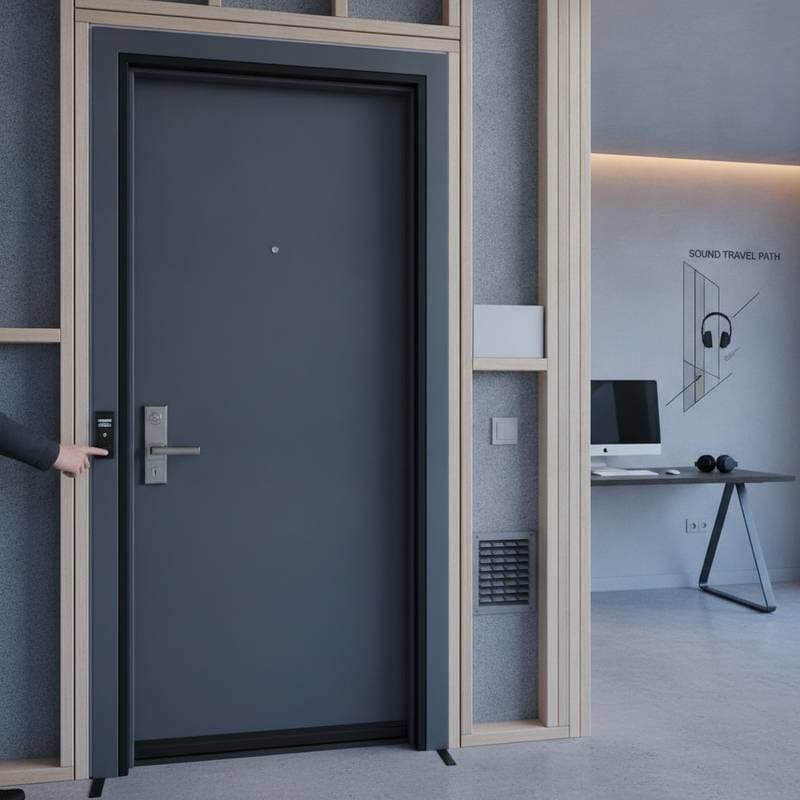
An acoustic door blocks and absorbs sound through dense materials, layered cores, and specialized seals. Standard hollow-core doors allow sound to pass easily. Acoustic models use solid wood, high-density particleboard, or composite layers to limit both airborne noise and structural vibrations.
Performance depends on the Sound Transmission Class rating. A typical hollow-core door scores around 20. A well-built acoustic door reaches 40 or higher. This difference produces the reported 85 percent reduction in perceived sound.
Door Type Comparison
| Door Type | Initial Cost | Lifespan | Maintenance | Best For |
|---|---|---|---|---|
| Hollow-core interior door | Low | 10 to 15 years | Minimal | Basic rooms with low noise |
| Solid wood door | Medium | 20 to 30 years | Regular refinishing | Style and moderate sound control |
| Composite acoustic door | High | 25 to 35 years | Minimal | Home offices, studios, shared spaces |
Composite acoustic doors provide the strongest combination of durability and sound reduction. Higher upfront cost returns value through lasting comfort and reduced need for extra soundproofing.
Additional Performance Benefits
Acoustic doors improve temperature regulation and lower heating and cooling costs through better insulation. Tight seals limit air leaks and raise energy efficiency. In rooms that shift from office to living space, the doors maintain separation without renovations.
Privacy improves as well. Phone calls and meetings stay contained, which reduces distractions for other household members.
Installation Steps
Proper installation determines whether the door achieves its rated performance.
- Assess noise sources and select priority rooms such as offices or bedrooms.
- Measure openings, confirm wall construction, and verify frame compatibility.
- Fit the door with compression seals on all edges and a drop-down seal at the bottom.
- Confirm even closure and test for sound leaks by comparing noise levels with the door open and closed.
- Inspect seals periodically and replace worn parts.
Homeowners can complete smaller projects by following manufacturer instructions, yet complex installations benefit from professional handling.
Design and Aesthetic Integration
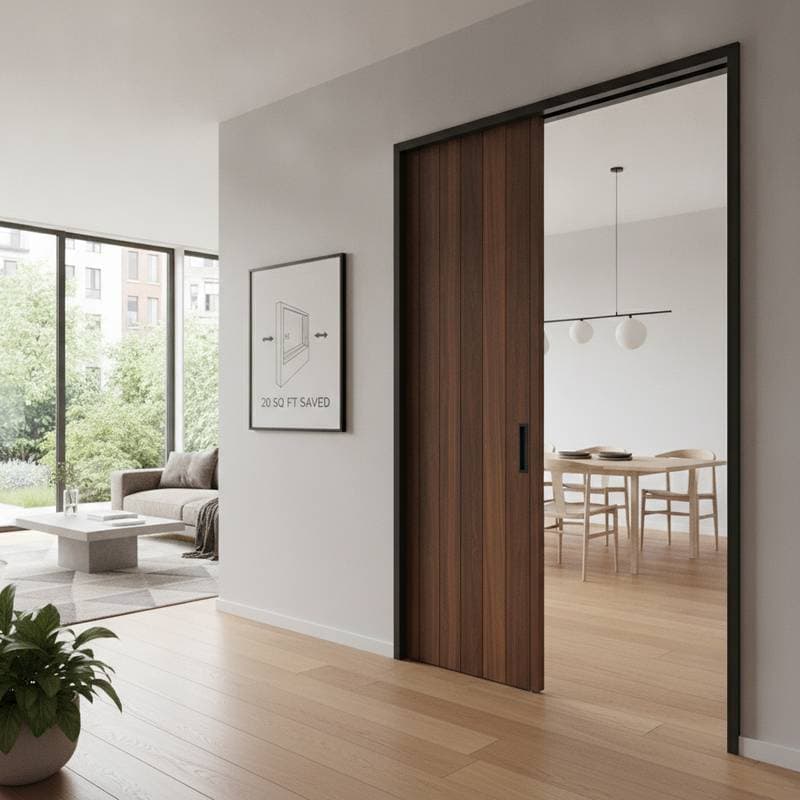
Acoustic doors are available in painted wood, veneer, laminate, and custom stains. Flush designs suit modern interiors. Panel styles with deeper grain fit traditional homes. Consistent finishes across rooms preserve visual flow while delivering sound control.
Maintenance Practices
Clean seals regularly, lubricate hinges, and avoid forceful closing. Gentle refinishing restores dull surfaces. High-traffic areas may require occasional hinge adjustments when humidity shifts affect frame alignment. Consistent care preserves performance for decades.
Selection Criteria
- Identify primary noise sources such as streets or shared hallways.
- Match STC ratings to room use, with higher values for offices and media rooms.
- Weigh upfront cost against long-term gains in focus and reduced stress.
- Select finishes that align with existing interior trim.
- Plan for future remodeling by installing consistent acoustic features throughout the home.
Selecting the Right Acoustic Door for Your Space
Households that balance work, family, and rest gain measurable improvements from acoustic doors. Proper material choice, accurate installation, and routine care produce quieter rooms that support both productivity and comfort.