Soundproof Doors Reduce Noise by Up to 80% in Contemporary Homes
Unwanted noise ranks among the primary irritants in residential environments. Sources range from urban traffic and adjacent neighbors to internal household sounds, all of which disrupt comfort and focus. Soundproof doors reshape interior and exterior design approaches for homeowners, delivering quantifiable decreases in sound transmission while preserving aesthetic integrity. As residential spaces adapt to combine open floor plans with demands for seclusion, these doors provide a reliable, enduring method to foster tranquility.
Principles Behind Soundproof Door Functionality
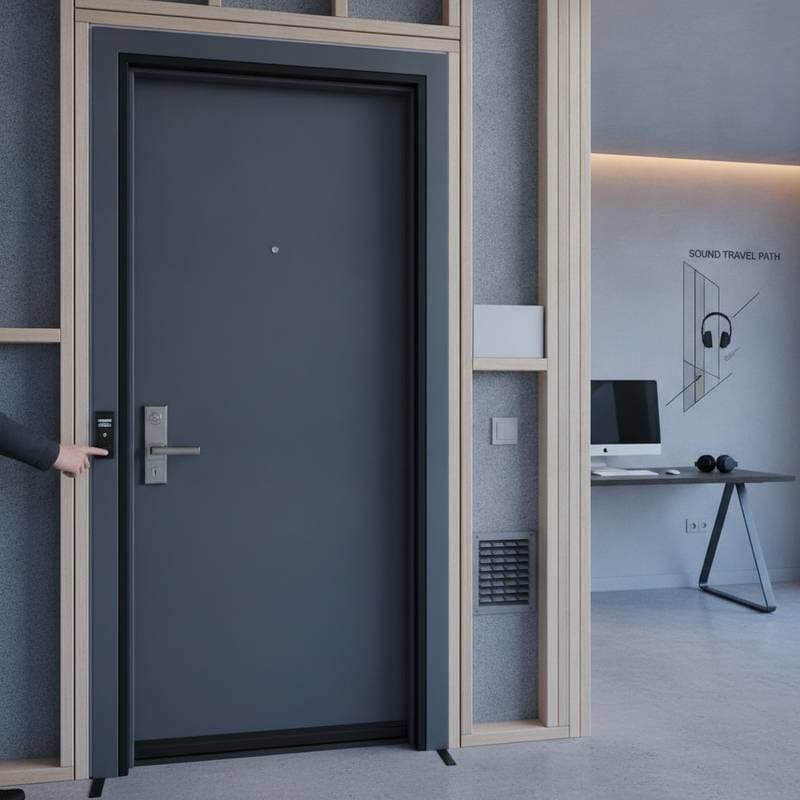
Soundproof doors function by minimizing airborne noise transfer across rooms or from external areas. Their distinction from standard doors stems from specialized construction. A typical hollow-core door permits sound waves to traverse with minimal resistance, whereas a soundproof variant employs dense cores, precision seals, and multilayered assemblies to absorb and obstruct acoustic energy.
Construction often incorporates solid cores from engineered wood, composite strata, or panels infused with metallic elements for added mass. Seals along the perimeter and acoustic thresholds eliminate potential sound leaks. Advanced models integrate internal insulation layers or vibration-dampening foams to further suppress resonance. With accurate installation, such elements achieve noise reduction levels up to 80 percent relative to conventional doors, transforming audible disturbances into subtle background hums.
Door Categories and Their Acoustic Performance
Various soundproof door categories address specific requirements. Interior options prioritize inter-room isolation, whereas exterior versions incorporate weatherproofing and enhanced security features.
| Door Type | Initial Cost | Lifespan | Maintenance | Best For |
|---|---|---|---|---|
| Solid-Core Wood | Moderate | Long | Occasional refinishing | Bedrooms, home offices |
| Composite Acoustic | Moderate to High | Long | Minimal | Media rooms, studios |
| Acoustic Metal | High | Very Long | Periodic lubrication | Utility areas, exteriors |
| Acoustic Glass | High | Long | Cleaning and seal checks | Light-filled modern spaces |
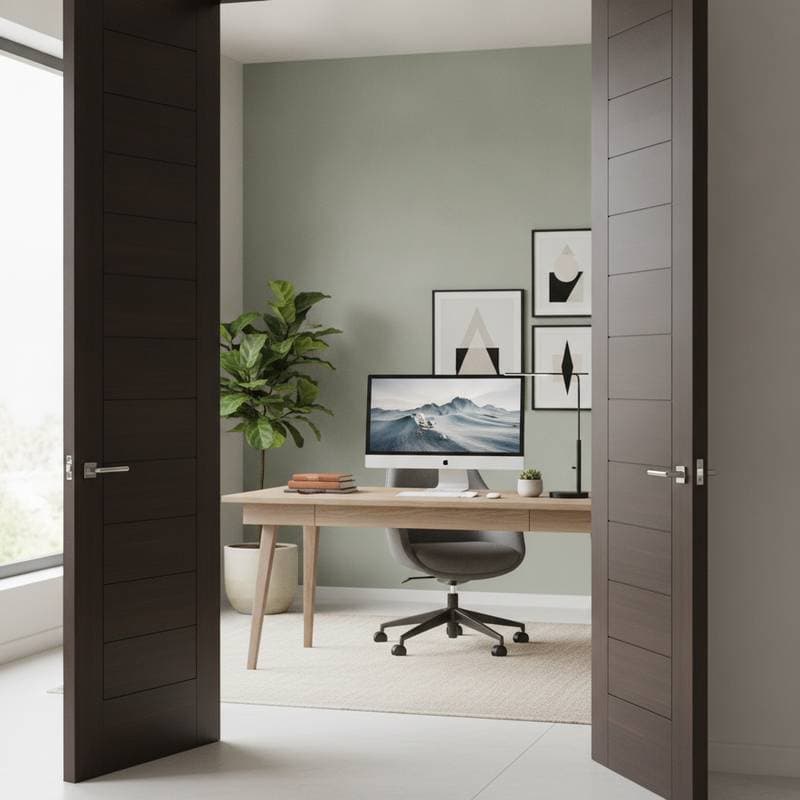
Selection hinges on acoustic objectives, visual harmony, and placement. Solid-core wood doors offer natural warmth and tactile appeal, ideal for personal spaces. Composite doors, by contrast, excel in superior sound attenuation for environments requiring deep concentration, such as creative studios.
Interpreting Sound Transmission Class Ratings
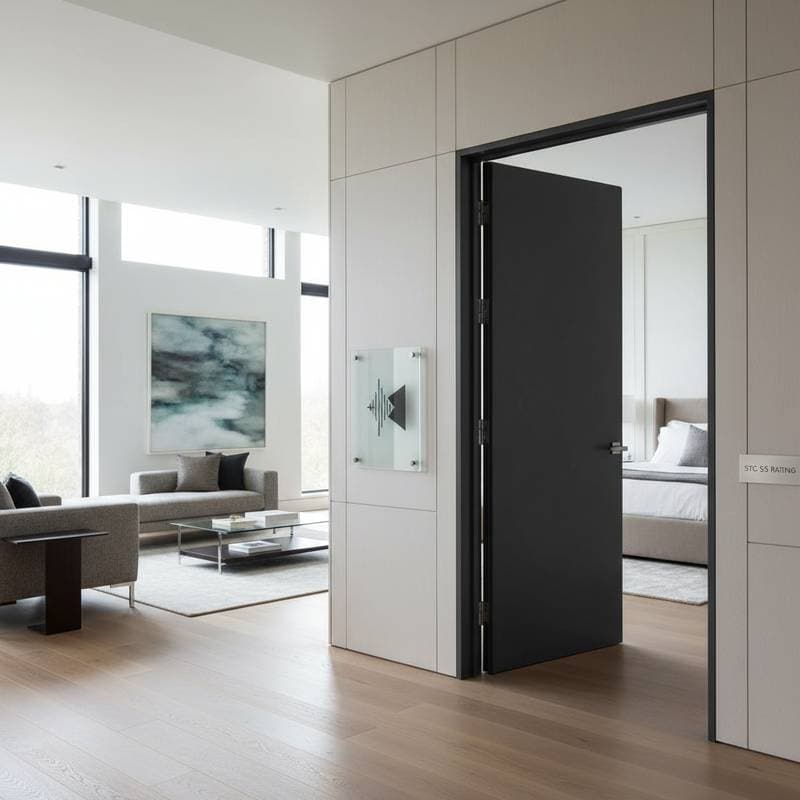
Producers quantify sound isolation efficacy through the Sound Transmission Class (STC) metric. Conventional interior doors typically score 20 to 25 on the STC scale, but robust soundproof doors attain 40 or above. An increment of approximately 10 STC points effectively halves the subjective volume of transmitted sound. Consequently, transitioning from a basic door to one with elevated STC renders sounds from a lively corridor or adjacent media nearly imperceptible.
Homeowners benefit from scrutinizing independently verified test data over promotional assertions. Established suppliers of acoustic doors furnish certified STC figures, including methodologies employed in laboratory assessments, to support informed decisions.
Steps for Effective Installation
Soundproof door installation demands greater accuracy than swapping a standard panel. Minor imperfections in alignment allow sound infiltration, underscoring the need for meticulous execution throughout the process.
- Initial Assessment: Precisely measure the door opening and evaluate surrounding wall composition. Optimal results occur when soundproof doors integrate with substantial walls or systems featuring acoustic drywall.
- Site Preparation: Dismantle existing frames and fixtures. Verify the doorway remains level and plumb to avoid future distortions.
- Core Assembly: Secure the new frame firmly, apply acoustic caulk along all edges, and confirm seals make even contact with jambs upon closure.
- Performance Verification: Conduct on-site tests by positioning individuals on opposite sides, using speech or audio playback to identify any audible leaks near hinges or sills.
- Final Touches: Install trim moldings, seal visible joints, and schedule routine checks for seal degradation.
Engaging a specialist versed in acoustic installations guarantees peak efficiency. For self-directed efforts, emphasize methodical alignment and tolerance for adjustments to realize full noise mitigation.
Integrating Aesthetics with Acoustic Efficacy
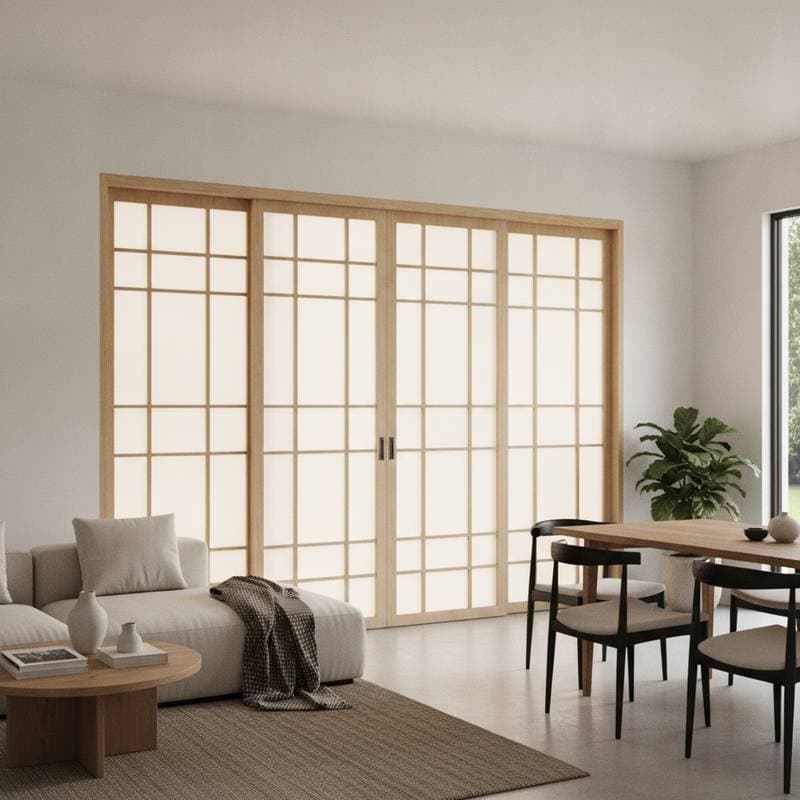
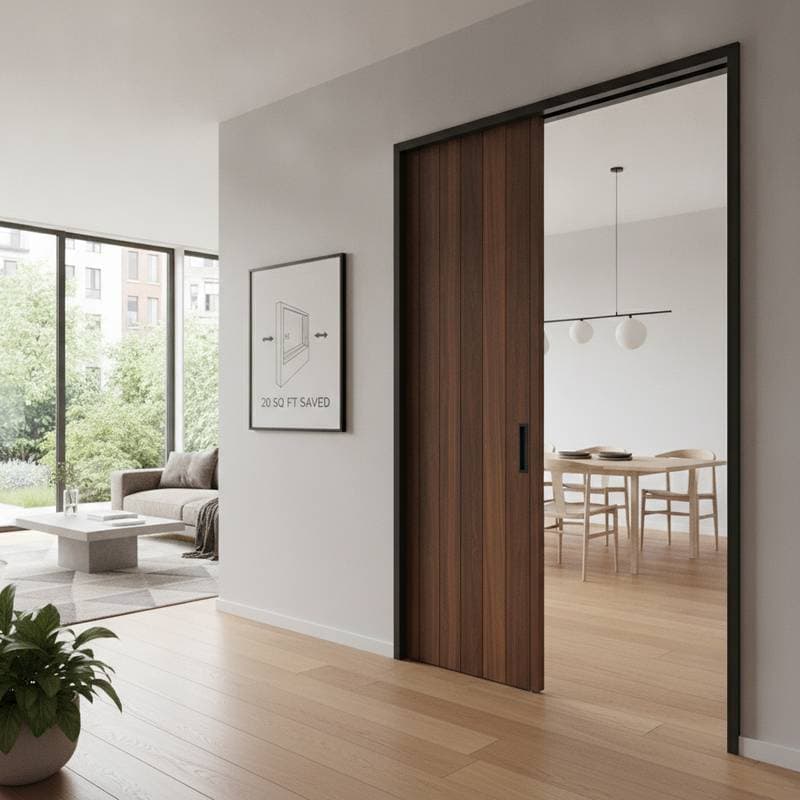
Contemporary soundproof doors transcend functional minimalism. Producers deliver options aligned with diverse interior motifs, spanning sleek flush surfaces to ornate wood-grain patterns. Custom veneers, paints, and stains enable seamless coordination with cabinetry, baseboards, and flooring materials.
Acoustic-laminated glass panels preserve sightlines and daylight while curbing sound passage, suiting open-concept layouts. Material choices influence longevity: durable hard finishes withstand abrasion in busy zones, whereas subtle varnishes enhance serene atmospheres in private quarters. Complementary hardware, including reinforced hinges, secure latches, and self-closing thresholds, bolsters both operational smoothness and isolation integrity.
Sustaining Performance Through Maintenance
Soundproof doors demand little ongoing attention post-installation. Routine surface cleaning and seal inspections form the cornerstone of care. Gaskets may gradually compress or degrade, diminishing barrier effectiveness; prompt replacement revives optimal function.
Lubricate hinges at intervals to avert operational noises that undermine acoustic goals. Climatic factors impact durability: in moisture-rich regions, solid wood may swell, straining seals, while composite alternatives maintain dimensional stability. Selecting climate-appropriate materials secures prolonged acoustic and visual excellence.
Enhancing Daily Life with Acoustic Solutions
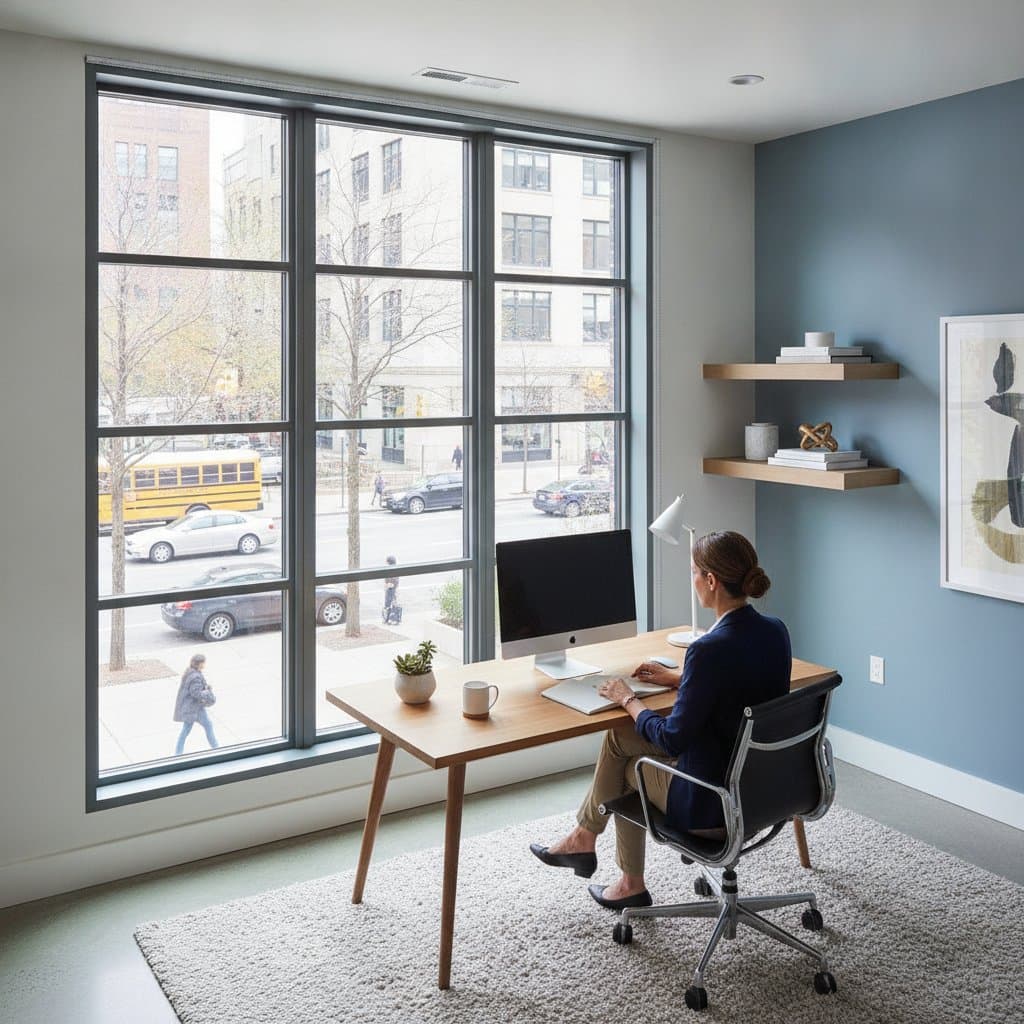
Benefits of soundproof doors surpass decibel metrics alone. Bedrooms gain restorative quietude for improved rest. Dedicated workspaces shield against ambient distractions, facilitating productive tasks and clear communications. Entertainment zones allow enjoyment without encroaching on household harmony, particularly valuable in multigenerational or communal dwellings.
Such enhancements elevate property worth by demonstrating superior build quality and intentional spatial planning. Prospective buyers associate serene interiors with premium livability, amplifying market desirability.
Selecting and Implementing the Ideal Solution
Homeowners contemplating soundproof doors must weigh present disruptions against anticipated lifestyle shifts. Identify high-impact areas, such as noisy corridors or shared walls, and quantify desired tranquility levels. Balance upfront expenses against gains in well-being and efficiency.
Seek guidance from door experts or acoustic consultants to align technical specs with practical outcomes. Through judicious choice, flawless installation, and vigilant upkeep, soundproof doors evolve into integral elements of refined, peaceful living.