Reducing Home Office Noise by 80% Using Acoustic Doors
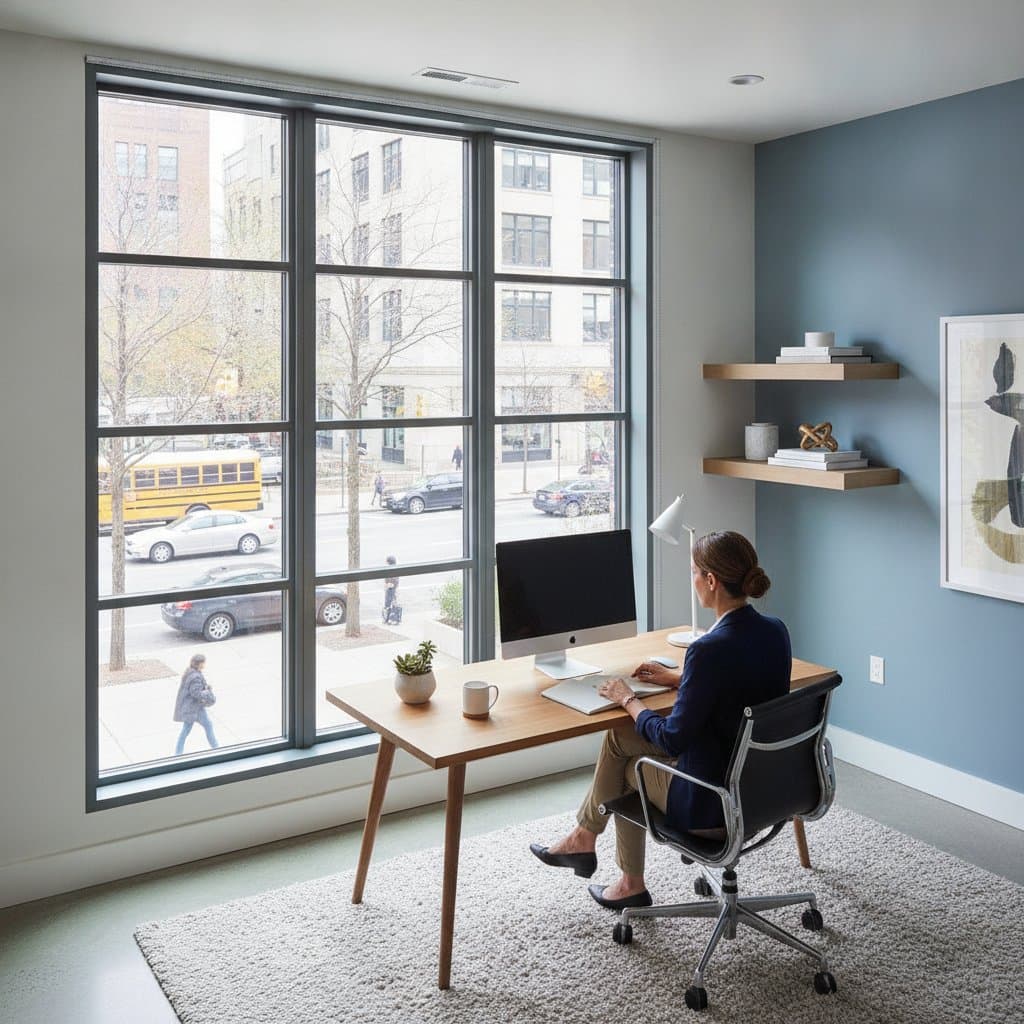
Remote work offers flexibility, yet persistent noise from household activities, external traffic, or adjacent spaces frequently disrupts concentration and heightens tension. Acoustic doors address this challenge by blocking up to 80% of incoming sound, fostering a more serene and effective work environment. Homeowners benefit from understanding key aspects of these doors prior to installation.
Typical Costs for Acoustic Door Installation
Homeowners generally invest between $900 and $2,500 for a premium acoustic interior door installation. This range accounts for variations in door dimensions, construction materials, acoustic performance levels, and options such as prehung units or retrofit designs. Professional labor fees contribute an additional $200 to $600, influenced by regional rates and the intricacies of the setup.
| Material/Type | Cost Range (Installed) | Sound Rating (STC) | Key Features |
|---|---|---|---|
| Solid Core Wood | $900 to $1,800 | 30-35 | Substantial density, refined aesthetics |
| Acoustic Composite | $1,200 to $2,200 | 35-40 | Layered construction, enhanced sound absorption |
| Steel Acoustic | $1,500 to $2,500 | 40-45 | Robust insulation, exceptional longevity |
| Acoustic Glass (Laminated) | $1,000 to $2,000 | 30-35 | Transparency combined with noise mitigation |
The Sound Transmission Class (STC) rating quantifies a door's capacity to attenuate airborne noise. Elevated STC values indicate superior sound isolation. In residential home offices, ratings from 35 to 40 deliver substantial benefits without necessitating excessive fortification.
Factors Impacting Acoustic Door Expenses
Multiple elements determine the overall expenditure. The thickness of the door and the density of its materials primarily dictate both efficacy and cost. Doors with thicker, multi-layered cores capture more acoustic energy, though increased mass might demand structural reinforcements in the frame.
Hardware selections also influence pricing. Acoustic seals positioned along the frame and threshold can represent up to 15% of the budget, yet they prove vital for preserving the integrity of the sound barrier. Tailored dimensions or coordination with prevailing interior finishes elevate material and workmanship expenses. Should the existing frame exhibit misalignment, preparatory carpentry could append $100 to $200 to the total.
Mechanisms Behind Acoustic Door Effectiveness
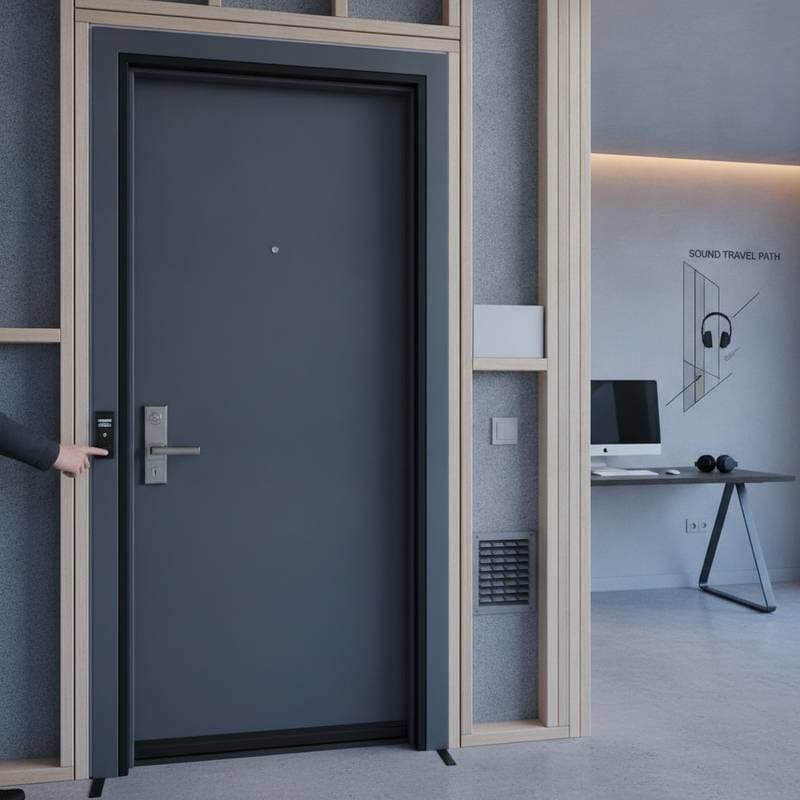
These doors employ dense inner structures, absorptive layers, and tight perimeter seals to intercept and dissipate sound waves. In contrast to lightweight hollow-core alternatives that permit easy sound passage, acoustic models contain vibrations within their robust builds. Mark Jensen, a certified residential contractor based in Oregon, states, “A properly installed acoustic door can cut perceived noise levels by around 75 to 80%, even more if paired with insulated walls and weatherstripped windows.”
To maximize performance, integrate the door with complementary measures such as heavy curtains or acoustic panels on adjacent surfaces. This holistic approach ensures comprehensive noise management tailored to diverse home layouts.
Options for Installation: DIY or Professional
Swapping a conventional door for an acoustic version appears straightforward, but exactitude remains crucial. Minor imperfections in frame alignment or sealing can compromise up to 50% of the intended sound reduction. Experienced individuals may handle prehung door replacements independently, thereby avoiding labor charges.
However, for optimal outcomes, engage a qualified professional to verify seals and hardware functionality. Professionals also assess whether reinforcements are necessary, particularly for heavier models. This step safeguards long-term durability and acoustic integrity.
Upkeep Strategies for Acoustic Doors
These doors demand little routine care, provided seals and sweeps receive periodic attention. Inspect perimeter gaskets and bottom sweeps quarterly for signs of degradation, such as flattening or fissures. Prompt replacement of compromised components maintains the barrier's reliability.
Surface cleaning involves mild, non-abrasive cleaners to protect veneers or coatings on wood or composite finishes. Avoid harsh chemicals that might erode seals. Annual professional inspections benefit high-use environments, ensuring sustained performance over years.
Optimizing Your Home Office for Focus and Efficiency
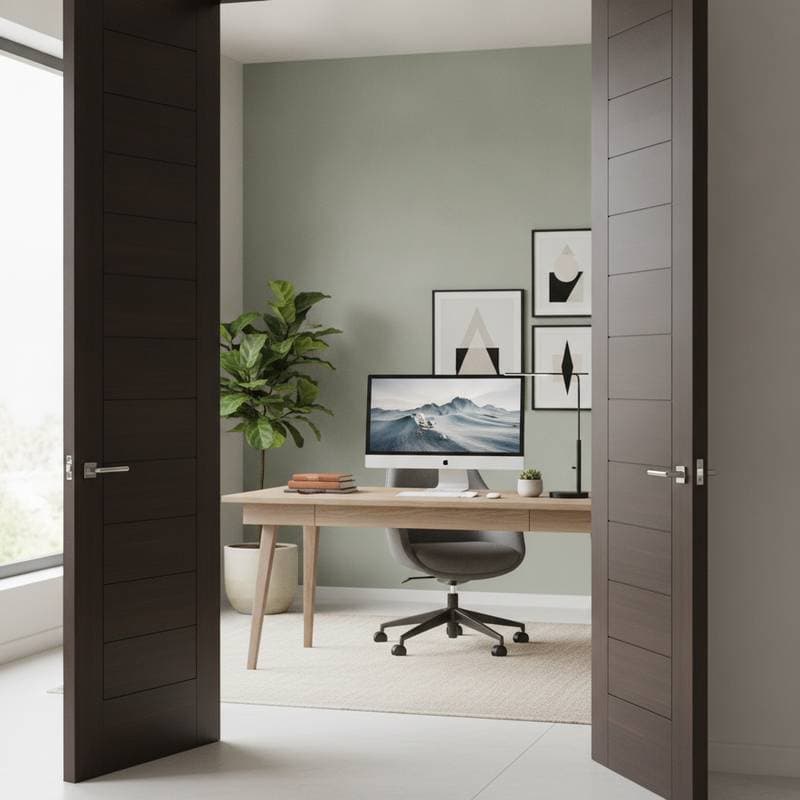
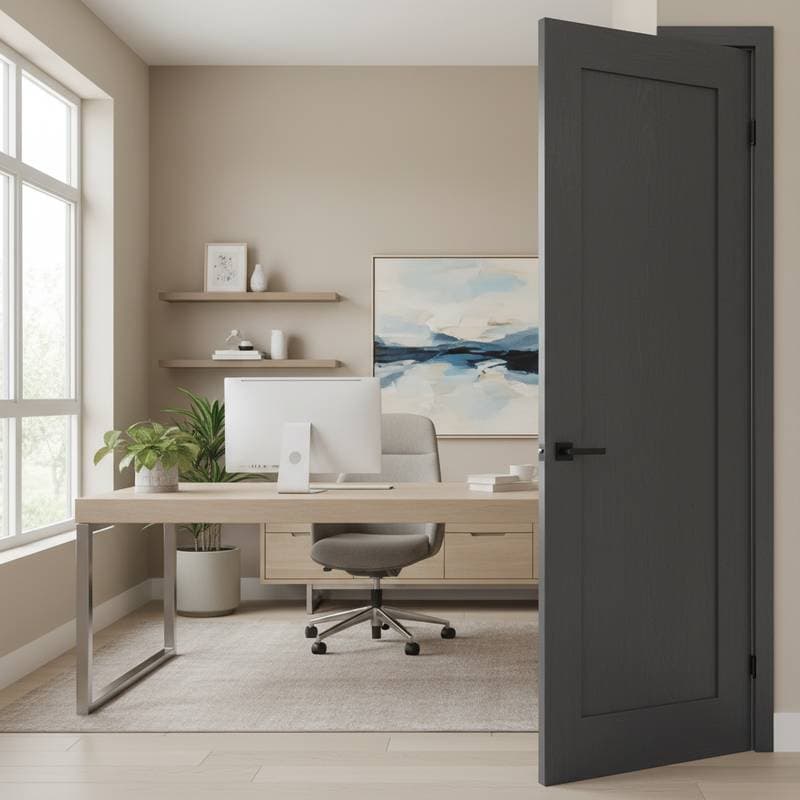
Incorporating an acoustic door elevates the overall ambiance of a home office. Diminished ambient noise facilitates deeper concentration, clearer virtual meetings, and a more composed professional atmosphere. Complement the door with absorptive elements like area rugs, upholstered seating, or wall treatments to minimize internal echoes.
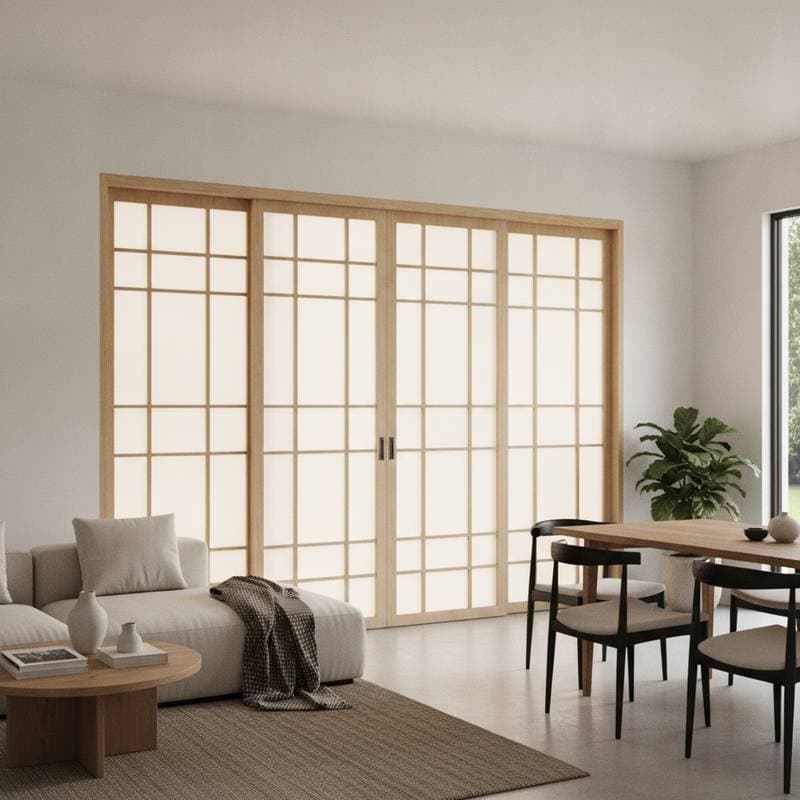
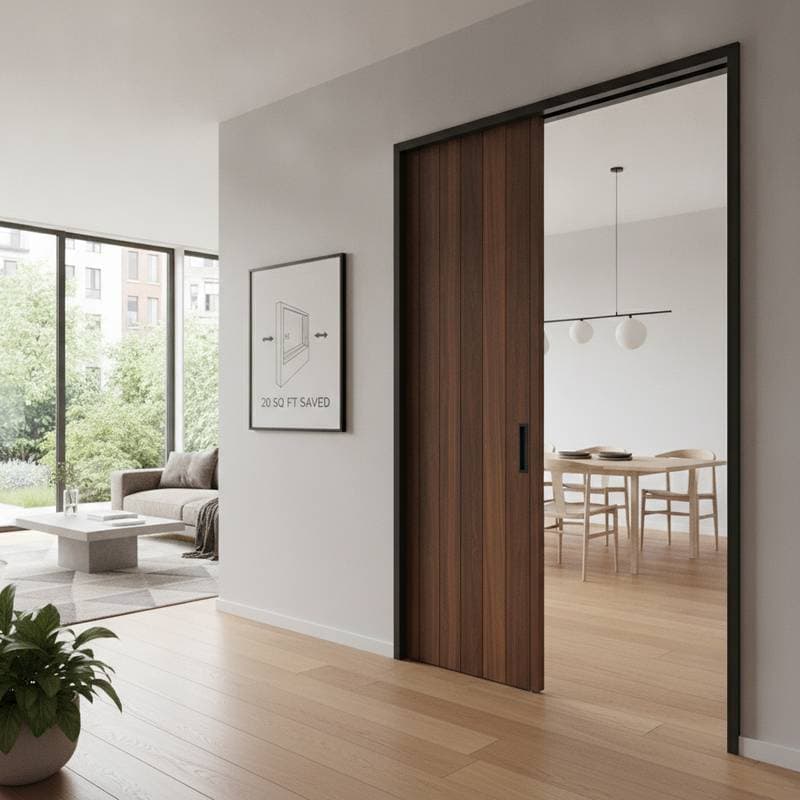
Select a door that harmonizes with your interior style while fulfilling acoustic requirements. Options range from classic wood grains to modern composites, blending form and function seamlessly. This investment yields a workspace that supports sustained productivity and well-being.