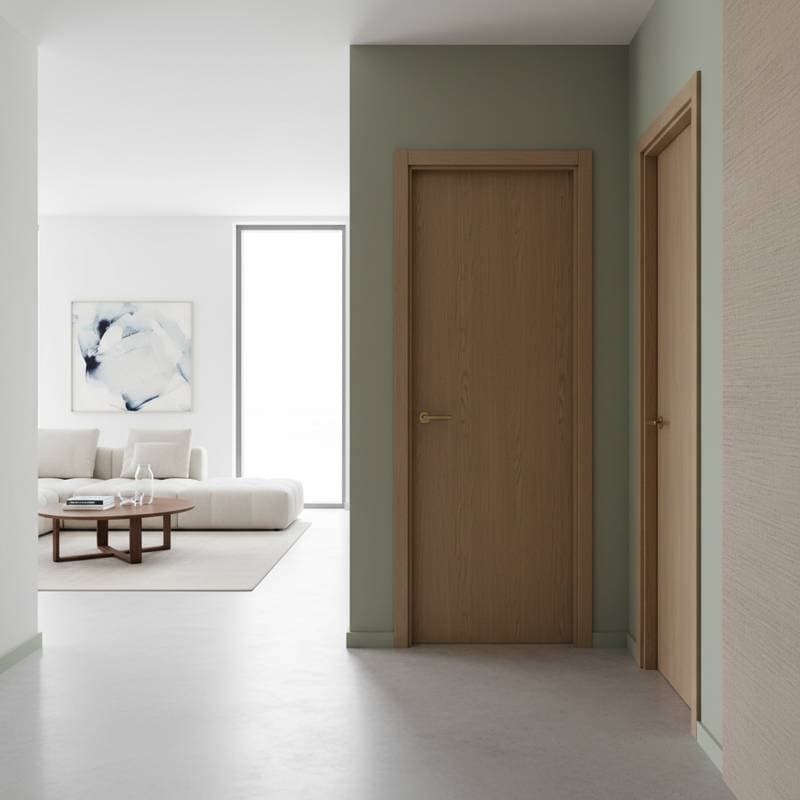
Cut Home Noise by 70 Percent with Acoustic Door Cores
Quiet serves as a form of luxury in modern living. Street traffic, leaf blowers, and the hum of appliances often disrupt the peace within a home. One effective solution involves upgrading doors to acoustic models. These doors feature specialized cores that reduce noise transfer between rooms or from the outdoors. Proper selection and installation enable a reduction in sound transmission by up to 70 percent. Such upgrades transform living spaces while preserving aesthetic appeal.
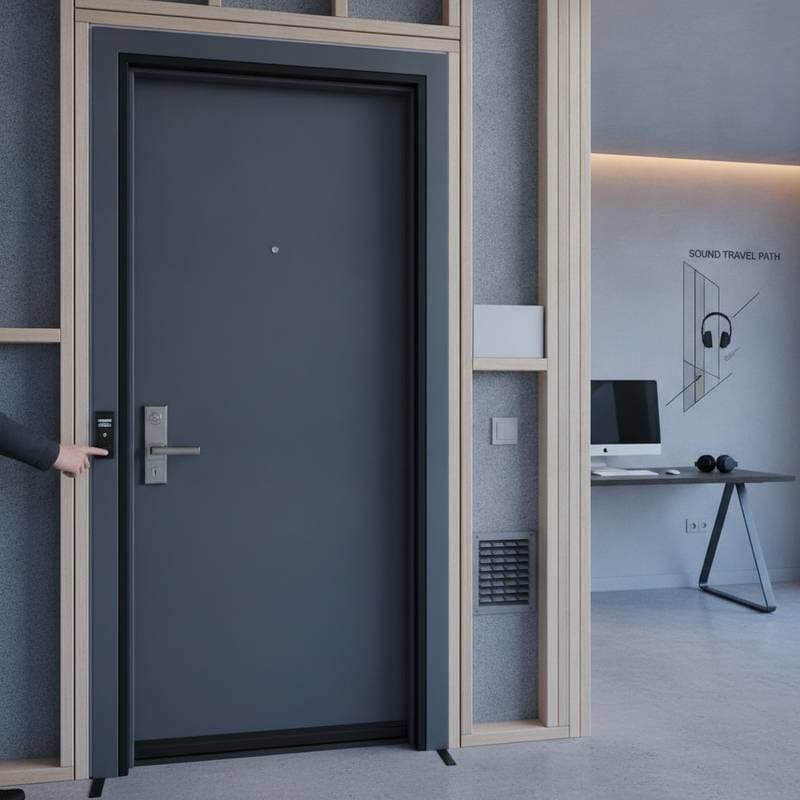
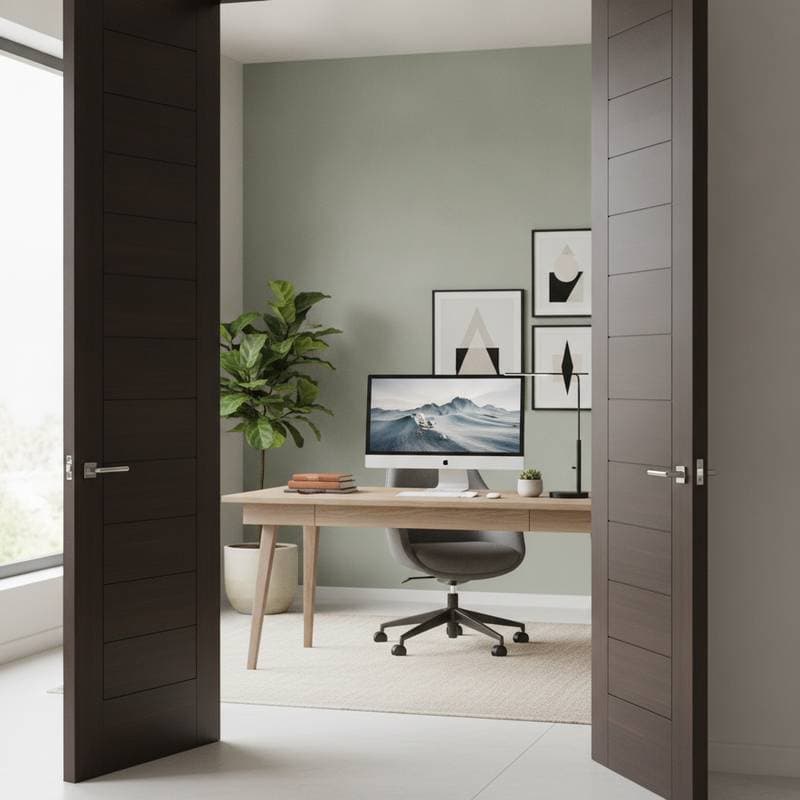
Acoustic doors blend functionality with visual elegance. They resemble standard interior or exterior doors, but their construction incorporates dense materials and precision seals to block sound waves. Homeowners designing offices, media rooms, or bedrooms benefit from this combination of style and tranquility.
Three Strategies for Implementation
Budget Strategy (400 to 900 Dollars)
- Select solid-core composite doors equipped with sound-rated seals. Cores made from medium-density fiberboard or engineered wood offer affordability and effectiveness against mid-range frequencies.
- Emphasize precise installation. A modestly priced door achieves strong performance when sealed tightly and hung correctly.
- Allocate funds for acoustic gaskets on jambs and thresholds. These low-cost additions enhance isolation significantly.
Mid-Range Strategy (900 to 1,800 Dollars)
- Choose laminated wood veneer doors with certified acoustic cores. This option delivers equilibrium between decorative elements and sound control.
- Incorporate magnetic perimeter seals and automatic door bottoms. Such features eliminate gaps where noise typically escapes.
- Install heavy-duty hinges and robust hardware to minimize vibration. This upgrade improves both operational efficiency and overall design.
Premium Strategy (1,800 to 3,500 Dollars)
- Specify high-end acoustic wood doors featuring mineral-filled or multi-layer composite cores. Laboratory testing confirms their superior sound transmission class ratings.
- Apply custom veneers or painted finishes to align with architectural themes. Premium models integrate seamlessly with luxury aesthetics.
- Integrate frame systems with dual seals and hidden closers. The outcome provides near-silent barriers and enduring reliability.
Guide to Materials and Finishes
- Windows: Pair acoustic doors with double or triple glazing to sustain uniform performance. Opt for casement or fixed window styles over sliders for superior sealing. Frames in black, bronze, or natural wood tones harmonize with various door designs.
- Doors: Acoustic cores work well with paint-grade or stain-grade surfaces. Veneers in white oak, walnut, or rift-cut maple yield sophisticated appearances. In contemporary settings, smooth painted finishes in soft gray, charcoal, or muted green promote a serene atmosphere.
- Siding: Exterior uses benefit from fiber cement or engineered wood siding, which offers durability without sound amplification. Horizontal lap profiles fit traditional homes, whereas vertical panels or shiplap suit modern exteriors.
- Trim and Accents: Employ thicker casings around doors to hide seals and add visual substance. Match finishes to hardware like brushed nickel or matte black levers for unified styling.
Essential Maintenance Practices
Acoustic doors demand minimal additional care compared to standard solid-core varieties. Clean surfaces regularly with a soft cloth and mild detergent to preserve finishes. Inspect seals periodically, as gaskets and sweeps may compress over time and diminish isolation. Replace worn components every few years.
Avoid forceful door closure, which risks loosening seals or shifting frames. For painted surfaces, address chips immediately to avert moisture ingress that could impair function. Exterior doors face weather challenges, so reseal periodically and lubricate hardware for smooth action. Factory-applied finishes and corrosion-resistant hinges simplify long-term upkeep.
Common Pitfalls to Avoid
- Neglecting the Frame: Replacing only the door slab while retaining the original frame leads to inadequate sealing and suboptimal noise reduction. Replace or retrofit the frame with acoustic-compatible gaskets.
- Selecting Hollow-Core Doors: Additions like seals fail to address low-frequency sounds in hollow designs. Begin with solid or engineered acoustic cores for reliable results.
- Bypassing Professional Installation: Alignment precision maximizes acoustic performance. Minor jamb or threshold gaps can halve effectiveness. Engage installers familiar with acoustic systems for optimal outcomes.
- Disregarding Adjacent Surfaces: Noise travels through walls, floors, and ceilings. Incorporate rugs, soft furnishings, or panels nearby to amplify the door's benefits.
- Prioritizing Aesthetics Over Core Quality: Investing in veneers at the expense of the acoustic core yields poor value. Focus on performance fundamentals before enhancing appearances.
Coordinating Colors and Styles
A restrained palette underscores material quality and minimizes visual distraction, enhancing the quiet ambiance. Explore these pairings:
- Soft Neutrals: Pair warm white walls with pale ash doors and brushed nickel hardware.
- Natural Warmth: Combine honey oak doors with taupe trim and beige siding.
- Modern Contrast: Match charcoal-painted doors to light gray walls and matte black fixtures.
- Coastal Calm: Use whitewashed veneer doors with soft blue-gray siding and chrome hardware.
- Classic Depth: Surround rich walnut doors with ivory trim for enduring harmony.
Maintain finish consistency across windows, doors, and trim to foster cohesion. Diverse materials succeed when undertones align, such as warm wood doors with bronze frames or cool veneers with silver accents.
Photography Planning Essentials
Document current conditions thoroughly before finalizing selections. Organized photos facilitate discussions with designers, contractors, or suppliers.
- Capture wide-angle views of facades alongside detailed shots of door and window trim.
- Photograph interior areas critical for sound management, such as hallways leading to offices.
- Highlight architectural elements affecting door size or swing.
- Note neighborhood aesthetics and any association rules.
- Include samples of surrounding exterior colors or materials influencing your scheme.
- Outline budget priorities, targeting areas like bedrooms, offices, or entries.
Integrating Solutions for Lasting Impact
Acoustic door cores unite engineering precision with versatile design. They address practical challenges while elevating living quality through reduced noise. Complementary elements like windows, siding, and trim form a unified barrier that preserves interior calm.
Begin with targeted assessment to pinpoint high-need areas. Select doors balancing expense and efficacy; a single upgrade between living and work zones yields immediate gains. For comprehensive quiet, synchronize multiple installations with uniform sealing.
Prioritize durable materials suited to maintenance routines and local weather. Seek finishes resistant to fading, swelling, or distortion. Well-maintained acoustic doors endure for decades, delivering value through enhanced space perception, privacy, and ease.