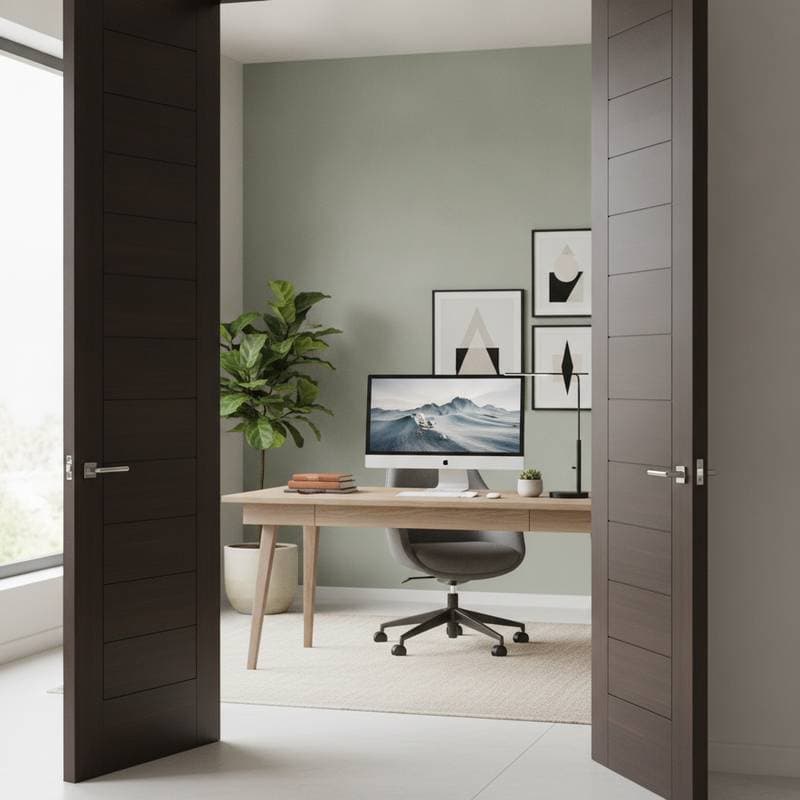
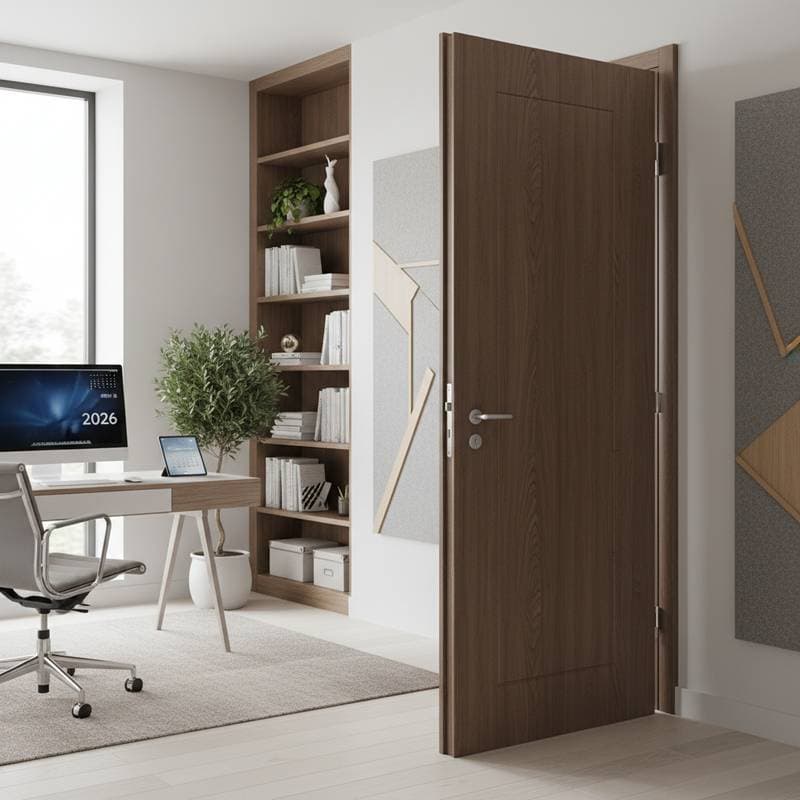
Acoustic Doors Reduce Home Office Noise by 85 Percent for 2026
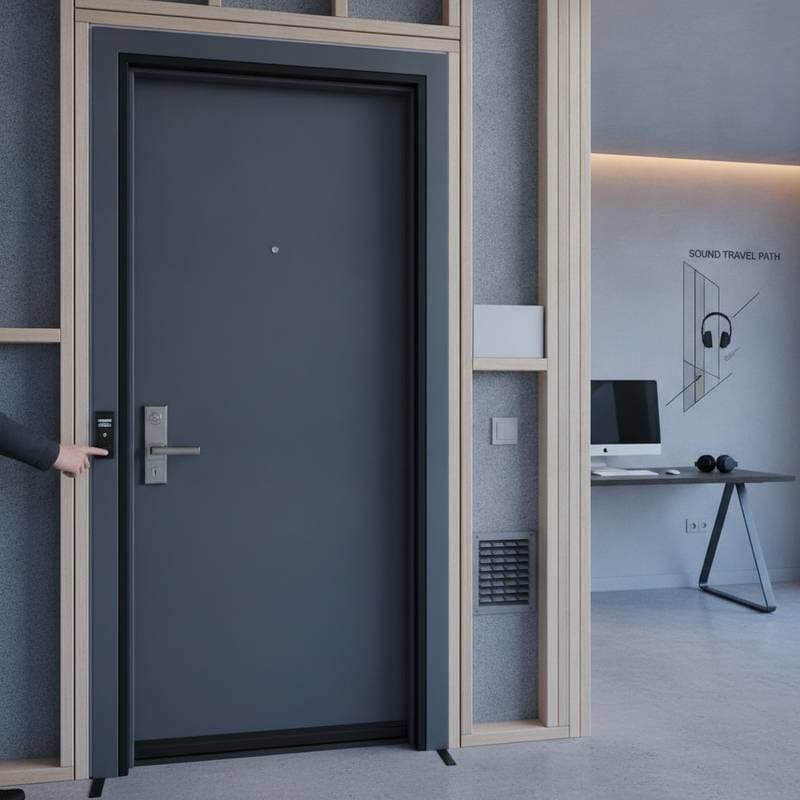
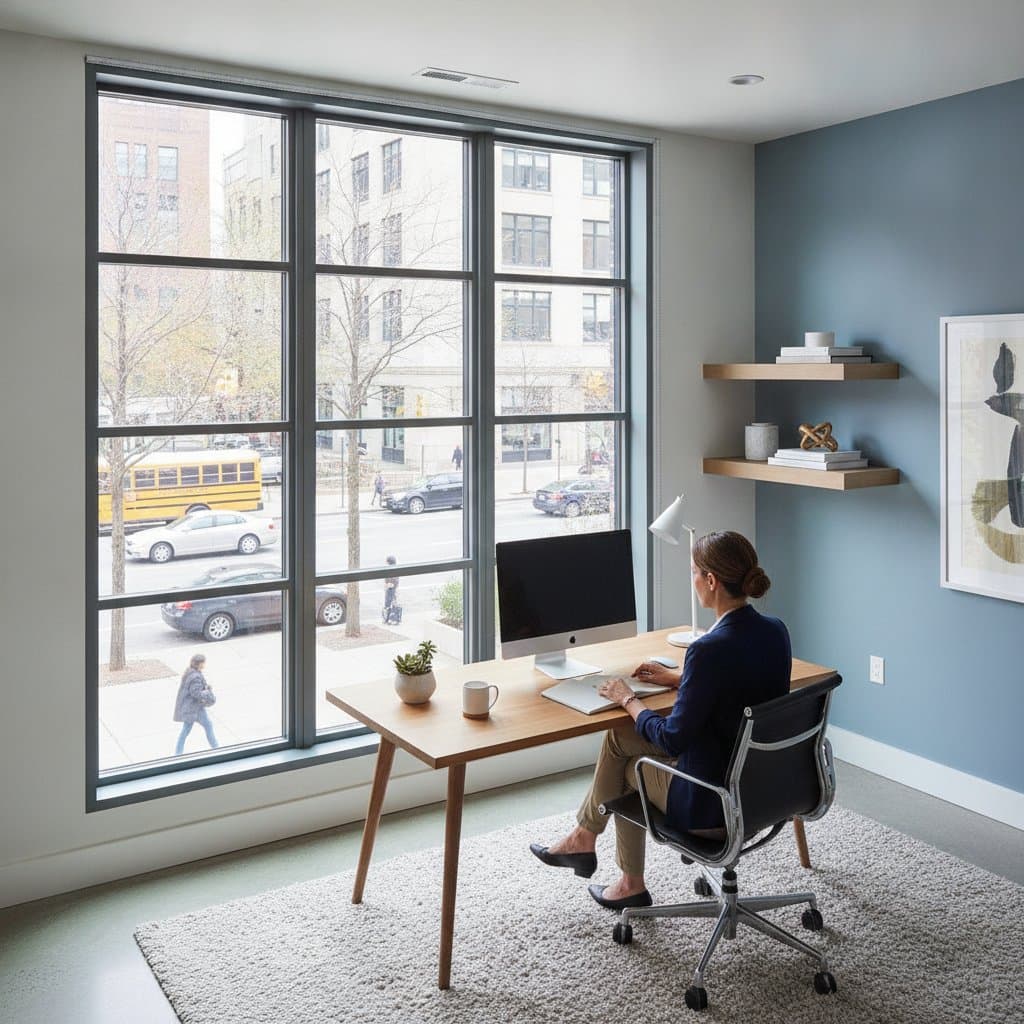
Noise control stands as a critical element in establishing a productive home office. Professionals working from home frequently contend with distractions from family members, nearby traffic, or household activities. Acoustic doors address these challenges by minimizing sound transmission by up to 85 percent, thereby converting a standard room into a dedicated professional space.
Average Costs for Acoustic Doors in Home Offices
The expense of an acoustic interior door varies based on material selection, dimensions, and desired soundproofing level. Homeowners typically invest between $700 and $2,500 per door, encompassing both materials and installation labor. Entry-level solid-core doors begin at approximately $400, whereas advanced configurations featuring seals and dual layers may exceed $4,000 for oversized custom installations.
| Door Type | Average Installed Cost | Sound Reduction (STC Rating) | Best Use |
|---|---|---|---|
| Solid Core Wood | $700 to $1,200 | 30 to 35 | Everyday home office applications |
| Acoustic Composite | $1,200 to $2,500 | 40 to 45 | Studios for recording or editing |
| Double Acoustic Door Set | $2,800 to $4,000 | 50+ | Areas requiring maximum isolation |
STC, or Sound Transmission Class, quantifies a door's ability to block airborne sound. Elevated ratings indicate superior noise reduction.
Factors Influencing Acoustic Door Costs
Door construction represents the primary determinant of overall expense. Hollow-core doors, prevalent in standard homes, offer minimal sound blocking. Solid-core or laminated alternatives, however, effectively absorb and reflect unwanted noise.
Hardware selections further impact pricing. Acoustic seals, automatic drop seals, and reinforced jambs contribute an additional $100 to $400, yet they enhance performance substantially. Should the current frame exhibit warping or inadequate sizing, replacement of the frame or threshold may incur extra costs ranging from $150 to $600.
Installation labor generally falls between $150 and $400 per door, influenced by project complexity and local market rates. Custom adjustments or adaptations to legacy frames extend the timeline and may elevate the total slightly.
Selecting Optimal Acoustic Door Materials
Material choice hinges on specific noise issues and aesthetic preferences. The following table outlines popular options for acoustic doors:
| Material | Cost Range | Key Features |
|---|---|---|
| Solid Wood | $700 to $1,500 | Timeless aesthetic, reliable sound absorption, versatile finishing options |
| MDF Core | $600 to $1,200 | Affordable pricing, even surface texture, adequate noise resistance |
| Steel or Metal-Clad | $1,000 to $2,500 | Exceptional strength, robust build, outstanding acoustic isolation |
| Composite Acoustic Panels | $1,200 to $3,000 | Layered construction, superior soundproofing, suited for professional setups |
Doors crafted from oak or maple deliver enduring style and integrate seamlessly with acoustic seals for enhanced control. Composite and metal variants, despite higher costs, provide unmatched attenuation for demanding environments.
Step-by-Step Installation Guide
Acoustic door installation demands greater precision than routine replacements. Professionals follow these steps:
- Prepare the frame to achieve a secure, aligned fit.
- Apply seals along the perimeter and threshold.
- Hang and fine-tune the door to seal all gaps.
- Conduct testing to identify and address any air leaks.
Experienced installers complete typical home projects in four to eight hours, contingent on the frame's condition. While DIY approaches exist, professionals advise against them for applications requiring exact tolerances or performance verification. Inaccurate alignment or incomplete sealing can compromise noise reduction by up to 50 percent.
Expert Perspectives on Acoustic Door Effectiveness
Mark Jensen, a residential contractor at SoundBuild Interiors in Chicago, observes, “Homeowners often underestimate how much sound comes through the gaps. Even a small space under the door can let in half the noise. A properly sealed acoustic door makes all the difference.”
Research from home improvement analyses indicates that upgrading from a hollow-core to a solid or acoustic door elevates the STC rating by 15 to 25 points. This improvement effectively mutes conversations and ambient sounds from neighboring areas, fostering deeper concentration.
Pitfalls to Sidestep in Acoustic Upgrades
Overlooking adjacent building elements proves a frequent error. Thin walls or ceilings permit residual noise infiltration despite a superior door. Complement the installation with acoustic wall panels or area rugs to dampen internal echoes.
Neglecting ventilation requirements poses another risk. Reserve acoustic doors for enclosed spaces; in areas needing airflow, incorporate specialized sound-masking vents.
Additionally, ensure hardware compatibility. Standard hinges or latches fail under the load of dense acoustic doors. Select components rated for the door's weight and dimensions to maintain integrity.
Sustaining Acoustic Door Functionality
These doors demand little upkeep, yet regular checks preserve their efficacy. Inspect seals biannually and replace deteriorated gaskets promptly. Lubricate hinges periodically and verify even closure against the frame.
Premium units feature modular seals and adjustable thresholds, promoting longevity over decades. Employ mild soap solutions for cleaning, steering clear of abrasives that could mar surfaces.
Steps to Upgrade Your Home Office Acoustics
Prioritize acoustic doors to refine your home office setup. They diminish external interruptions, safeguard call confidentiality, and sharpen mental acuity. Begin by assessing noise origins and isolation needs, then engage a certified installer for a tailored evaluation.
Through thoughtful material choices, meticulous installation, and ongoing care, an acoustic door elevates your workspace into a sanctuary of productivity and tranquility.