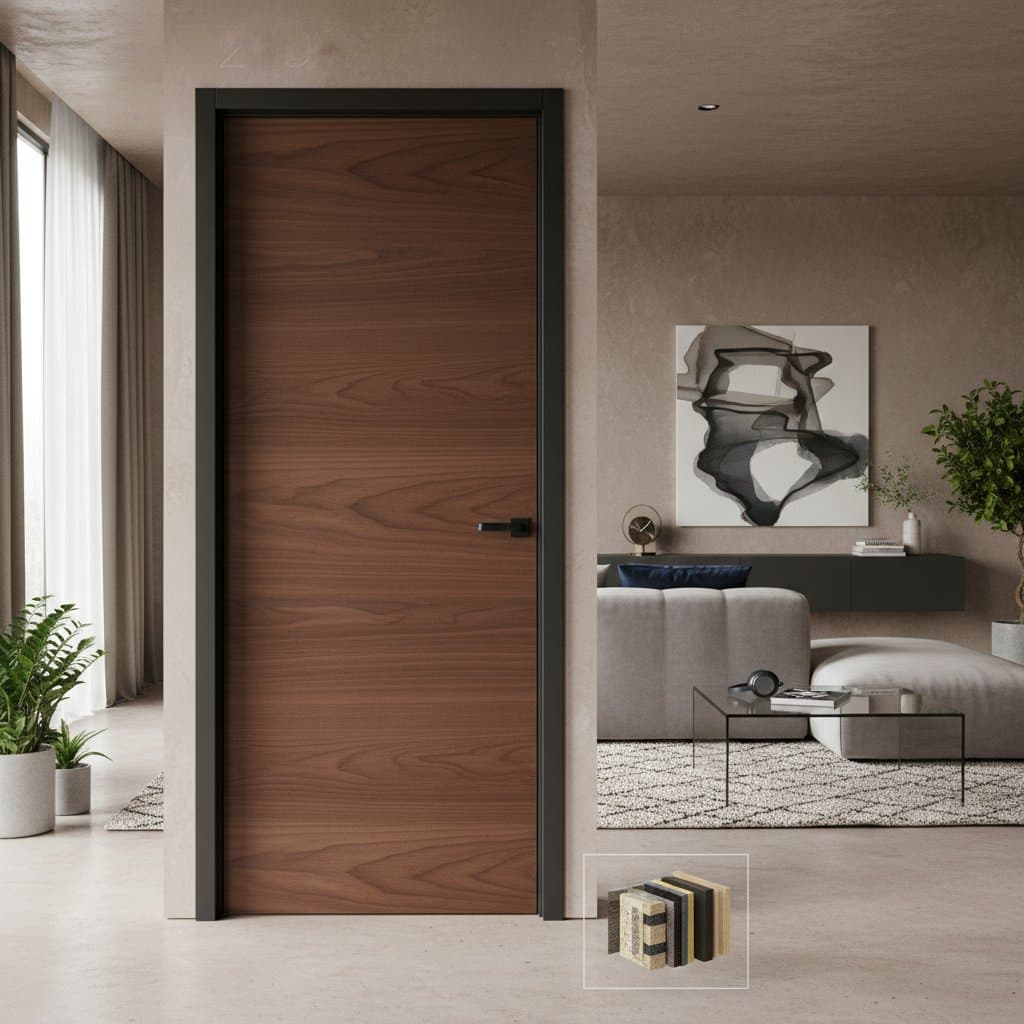
Slash Home Noise by 85 Percent with Soundproof Door Cores
A quiet home promotes calm, privacy, and enhanced livability. Many homeowners find that standard interior doors fail to block sound effectively between rooms. For a peaceful bedroom, focused home office, or serene nursery, the solution lies within the door structure. Soundproof door cores redefine acoustic comfort. These engineered cores reduce noise transmission by up to 85 percent compared to hollow-core doors, delivering a substantial improvement in the home's overall sound environment.
Principles of Effective Soundproofing
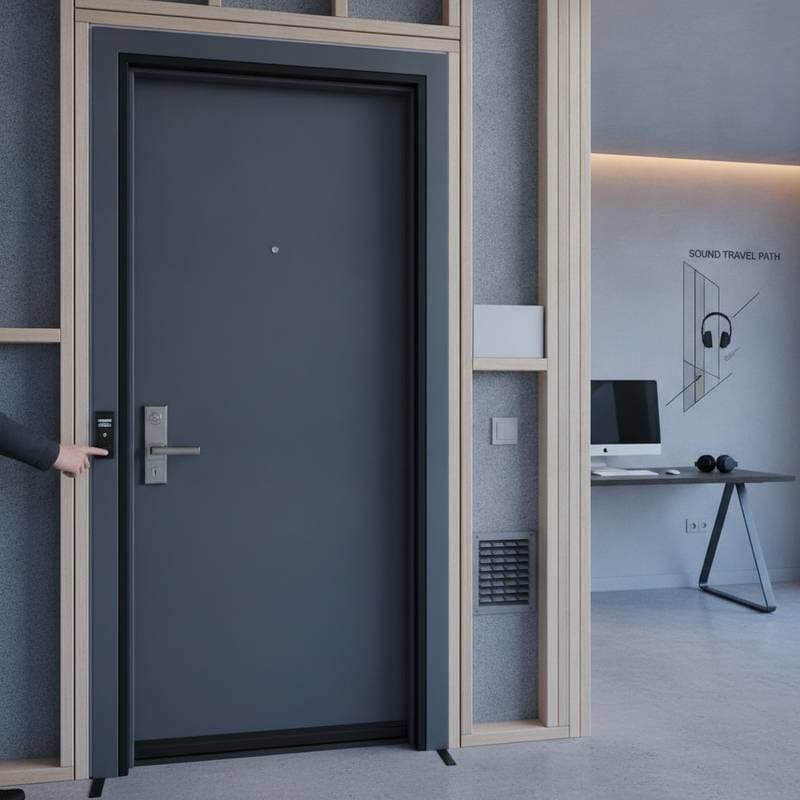
Soundproofing relies on mass and density to block noise. Hollow-core doors, being lightweight, permit sound waves to travel through with minimal resistance. In contrast, solid or specialized acoustic cores incorporate dense materials that absorb vibrations and prevent sound from passing through the door. Pairing these cores with precise seals and robust frames isolates rooms effectively, fostering tranquility even in active households.
Three Strategies for Achieving Superior Acoustics and Aesthetics
Budget-Friendly Option (250 to 600 Dollars)
Select solid-core molded doors constructed from composite wood or medium-density fiberboard for foundational sound reduction. Install perimeter weatherstripping and a threshold seal to eliminate air gaps that compromise performance. Complement the setup with acoustic paint on adjacent walls or fabric panels to further dampen ambient noise.
Mid-Range Option (700 to 1,200 Dollars)
Choose engineered acoustic doors featuring laminated wood layers or cores filled with mineral compounds for enhanced isolation. Incorporate sound-rated jambs and automatic drop seals at the base to ensure a secure fit. Equip the door with soft-close hinges and sturdy handles to minimize vibrations and rattling during use.
Premium Option (1,500 to 3,000 Dollars)
Install high-performance acoustic doors with multi-layer constructions, including metal reinforcements or mass-loaded vinyl barriers for studio-level isolation. Use integrated frames and specialized gaskets tailored for maximum sound blocking. Engage professional installers to optimize seals and alignment, guaranteeing peak efficiency.
Guide to Materials and Finishes
Windows
When enhancing door cores, upgrade to double-pane or laminated glass windows to sustain consistent sound barriers across the room. Opt for frames in matte black, brushed nickel, or soft white to harmonize with solid-core doors, creating a unified visual and acoustic profile.
Doors
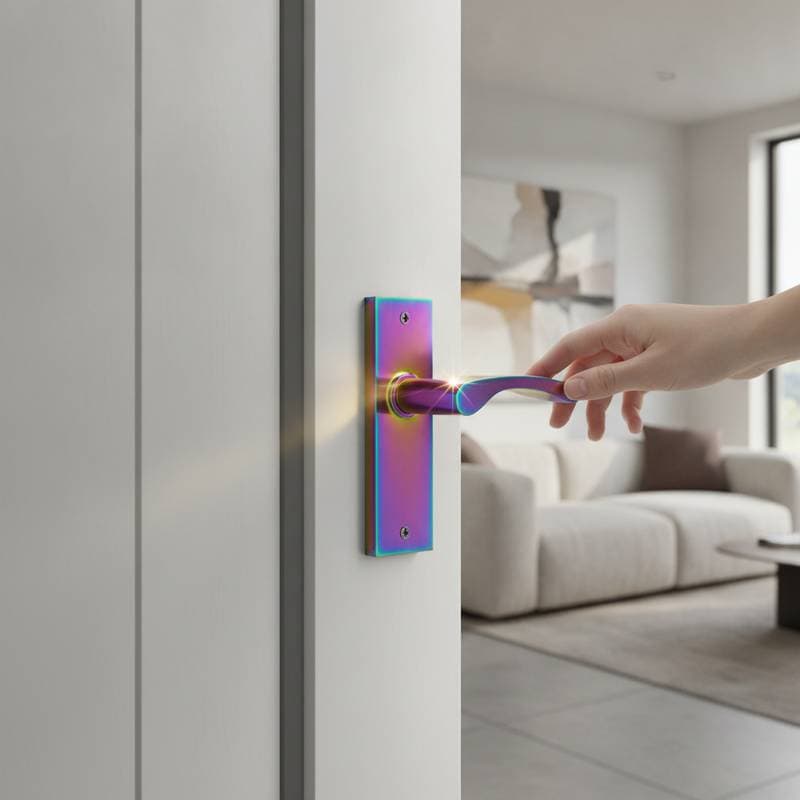
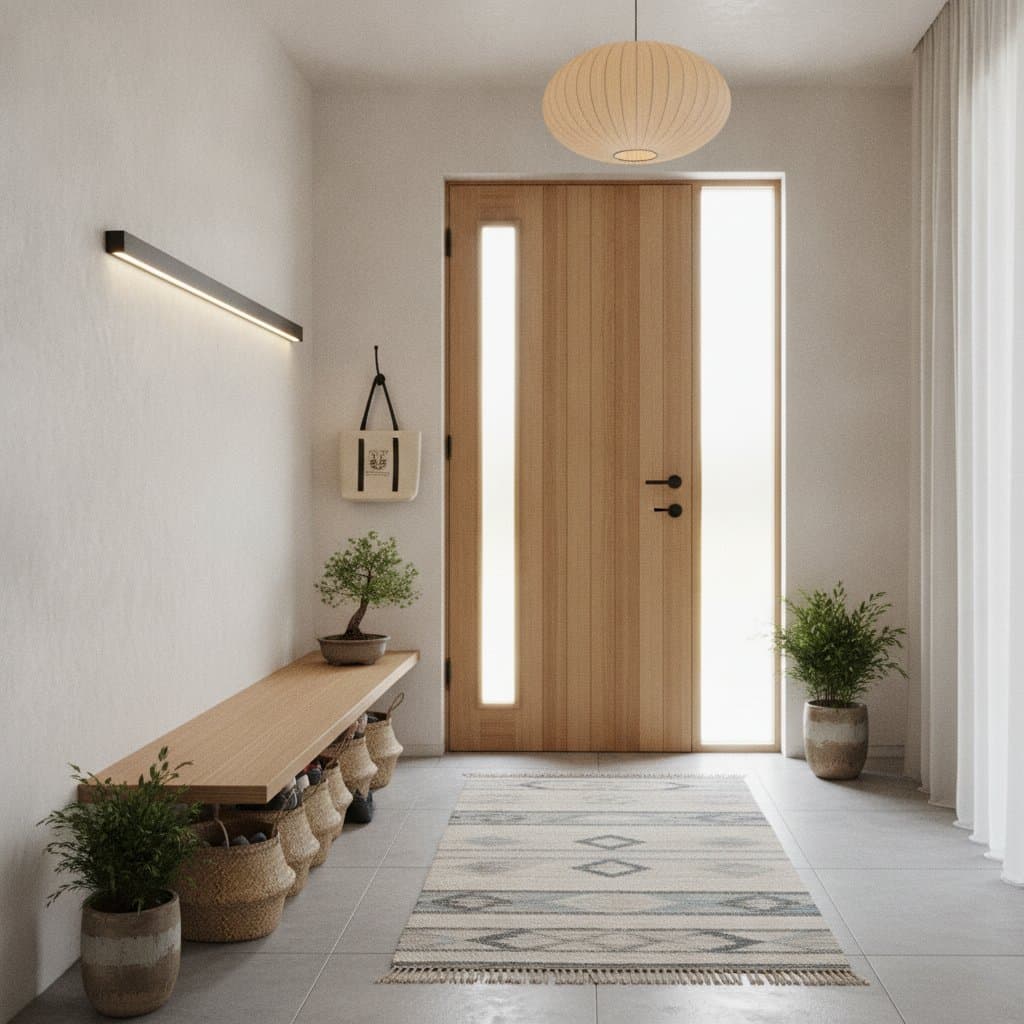
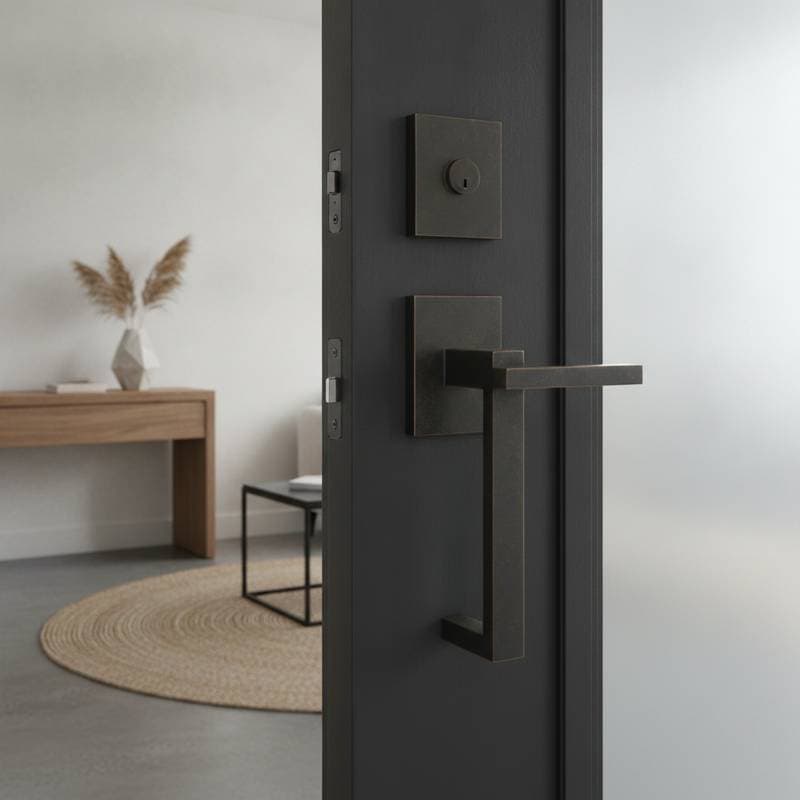
Finish acoustic doors with natural wood veneers such as walnut or oak to introduce warmth, or apply painted surfaces in warm gray or soft charcoal for contemporary appeal. Fit solid handles with snug backplates to seal potential sound leaks and maintain structural integrity.
Siding and Exterior Integration
For exterior applications, combine insulated acoustic cores with fiber cement or engineered wood siding that also mitigates external noise. This pairing blocks street sounds while preserving attractive curb appeal and overall home aesthetics.
Trim and Accents
Employ wider casing profiles or ornate door surrounds to offset the weight of thicker cores visually. Select painted trim in a shade slightly lighter than the door to add depth and position the soundproofing as an intentional design element.
Essential Maintenance Practices
Soundproof doors demand little upkeep, yet regular checks preserve their effectiveness. Inspect perimeter seals and bottom sweeps every few months to verify flexibility and condition. Clean surfaces with mild soap and water, steering clear of harsh chemicals that might damage gaskets. For doors with glass inserts, apply acoustic-rated cleaners that protect any specialized films or coatings. Lubricate hinges and latches once a year to support tight seals and effortless operation.
Common Pitfalls to Avoid
Neglecting the Frame
The door's efficacy depends on its frame. Omitting acoustic jambs or seals creates gaps that permit sound leakage, diminishing the overall investment.
Disregarding Air Gaps
A minor crack beneath the door can halve performance. Prioritize adjustable thresholds or automatic drop seals to address this issue comprehensively.
Inconsistent Core Types
Mixing hollow and solid doors in a hallway or suite results in irregular sound control. Standardize core construction throughout to achieve uniform acoustics.
Coordinating Colors and Styles
Thoughtful color schemes amplify design and serenity. Consider these palettes for enduring appeal:
- Warm Neutrals: Sandstone door finish paired with creamy trim and brushed brass hardware.
- Modern Gray: Charcoal door with soft white casing and matte black handles.
- Natural Contrast: Walnut veneer door against pale gray walls and stainless steel fixtures.
- Deep Classic: Navy blue door, crisp white trim, and polished chrome details.
- Soft Contemporary: Misty green door, ivory siding, and light bronze accents.
Adapt these schemes for interior or exterior settings to ensure seamless home integration.
Photography Checklist for Planning
Document current conditions prior to selecting or installing soundproof doors to inform choices accurately. Photograph:
- Full views of each doorway from exterior and interior perspectives, capturing multiple angles.
- Architectural elements including trim, flooring junctions, and ceiling heights.
- Detailed shots of existing hardware and hinges for precise replacements.
- Surrounding neighborhood features for exterior doors to promote stylistic consistency.
- Accompanying notes on room purposes, required privacy, and prevalent noise issues.
Such documentation aligns homeowners, designers, and installers on aesthetic and functional objectives.
Realizing Comprehensive Home Improvement
Adopting soundproof door cores elevates privacy, concentration, and repose beyond mere noise reduction. Available in diverse budget levels, these upgrades align superior acoustics with refined style. Tailor selections to create tranquil retreats, efficient workspaces, or interruption-free zones, yielding tangible benefits and enduring satisfaction.