Achieve 85% Noise Reduction with Sound-Dampening Doors
In today's fast-paced world, silence within the home feels like a rare commodity. Open-concept layouts, urban sounds, and electronic devices often disrupt tranquility. Sound-dampening doors address this challenge effectively. Previously confined to professional settings like studios and offices, these doors now integrate seamlessly into residential spaces, delivering substantial noise reduction while preserving visual appeal and functionality.
How Sound-Dampening Doors Function
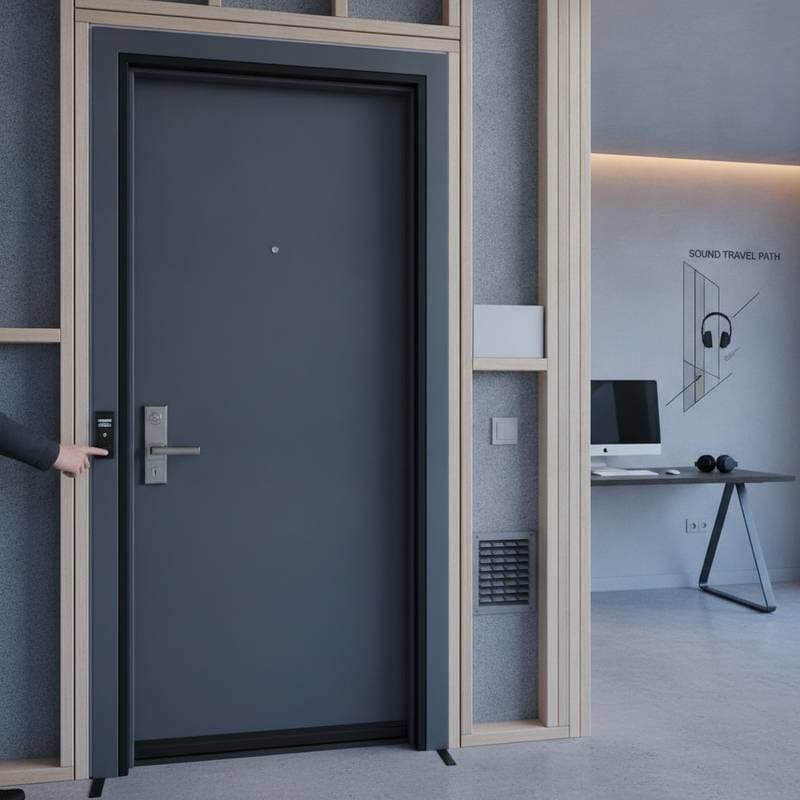
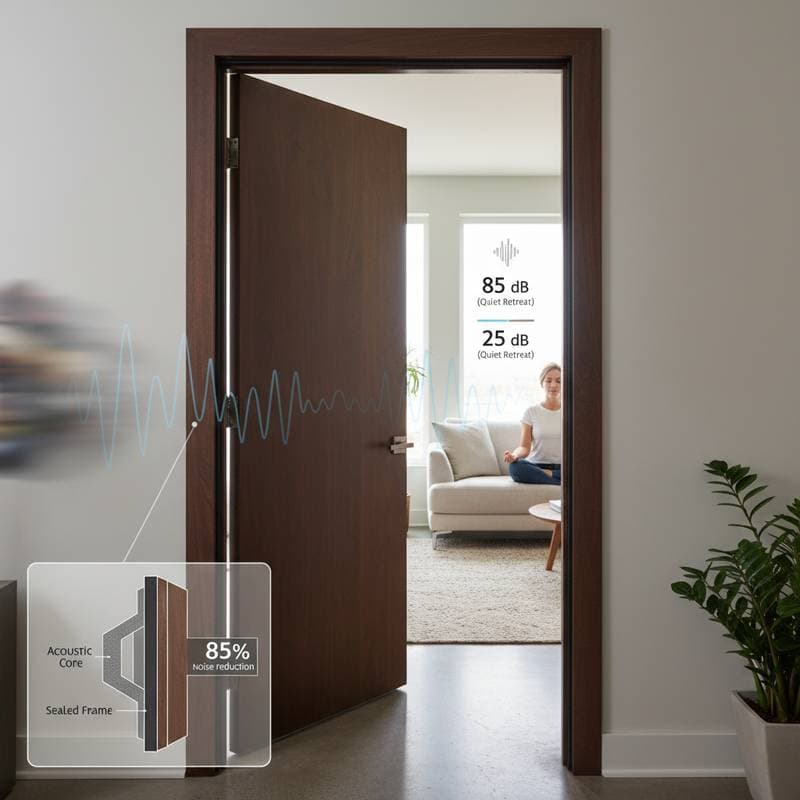
Sound-dampening doors aim to minimize the transmission of sound waves through entryways. Conventional hollow-core doors permit easy passage of noise due to their lightweight structure. In contrast, acoustic doors incorporate multilayered, dense compositions and airtight perimeters to impede sound effectively.
Two primary elements drive their efficacy: mass and airtightness. Greater density in the door absorbs and blocks sound vibrations more efficiently. Comprehensive seals around the edges eliminate potential pathways for noise infiltration. When combined, these attributes can diminish perceptible noise by up to 85 percent relative to standard doors.
Essential Materials and Build Techniques
Acoustic doors vary in noise-blocking capacity, yet they share foundational construction methods. Common components include:
- Solid wood cores: These heavy, robust elements offer superior sound barriers alongside classic aesthetics.
- Engineered composite cores: Layered with medium-density fiberboard, particleboard, or dedicated sound-absorbing panels, they ensure uniform performance and structural integrity.
- Airtight edges and frames: Specialized gaskets and bottom sweeps create a complete barrier where the door contacts the frame or floor.
- Integrated acoustic glazing: Certain models incorporate sound-laminated glass to permit natural light while suppressing auditory disturbances.
These elements collectively define the door's Sound Transmission Class (STC) rating, a standard metric for sound isolation. Higher STC values signify enhanced blocking, though moderate ratings adequately serve most household applications such as sleeping quarters, workspaces, or media rooms.
Evaluating Door Types for Performance and Daily Use
Acoustic door selections align with specific household demands. Parents may seek robust, child-safe options, whereas remote workers prioritize confidential conversation barriers. The following table provides a straightforward overview:
| Door Type | Initial Cost | Lifespan | Maintenance | Best For |
|---|---|---|---|---|
| Solid Wood Acoustic | Moderate to High | Long | Occasional refinishing | Bedrooms, offices, entryways |
| Composite Core Acoustic | Moderate | Long | Minimal | Apartments, home theaters |
| Acoustic Glass Hybrid | High | Long | Occasional cleaning | Offices, shared living areas |
Solid wood variants deliver timeless elegance and resilience. Composite options yield reliable acoustics with reduced care requirements. Hybrid glass designs balance illumination and seclusion effectively.
Proper Installation for Optimal Results
Superior materials yield suboptimal outcomes without meticulous installation. Precision fitting prevents gaps that compromise sound isolation. Professionals verify frame alignment, uniform seal compression, and appropriate bottom clearance to avoid friction.
Consider the broader environment as well. Adjacent walls, floors, and ceilings require complementary insulation to prevent sound rerouting. Pairing door enhancements with supplemental acoustic treatments in these areas establishes a comprehensive noise-control system.
Integrating Style and Sound Control
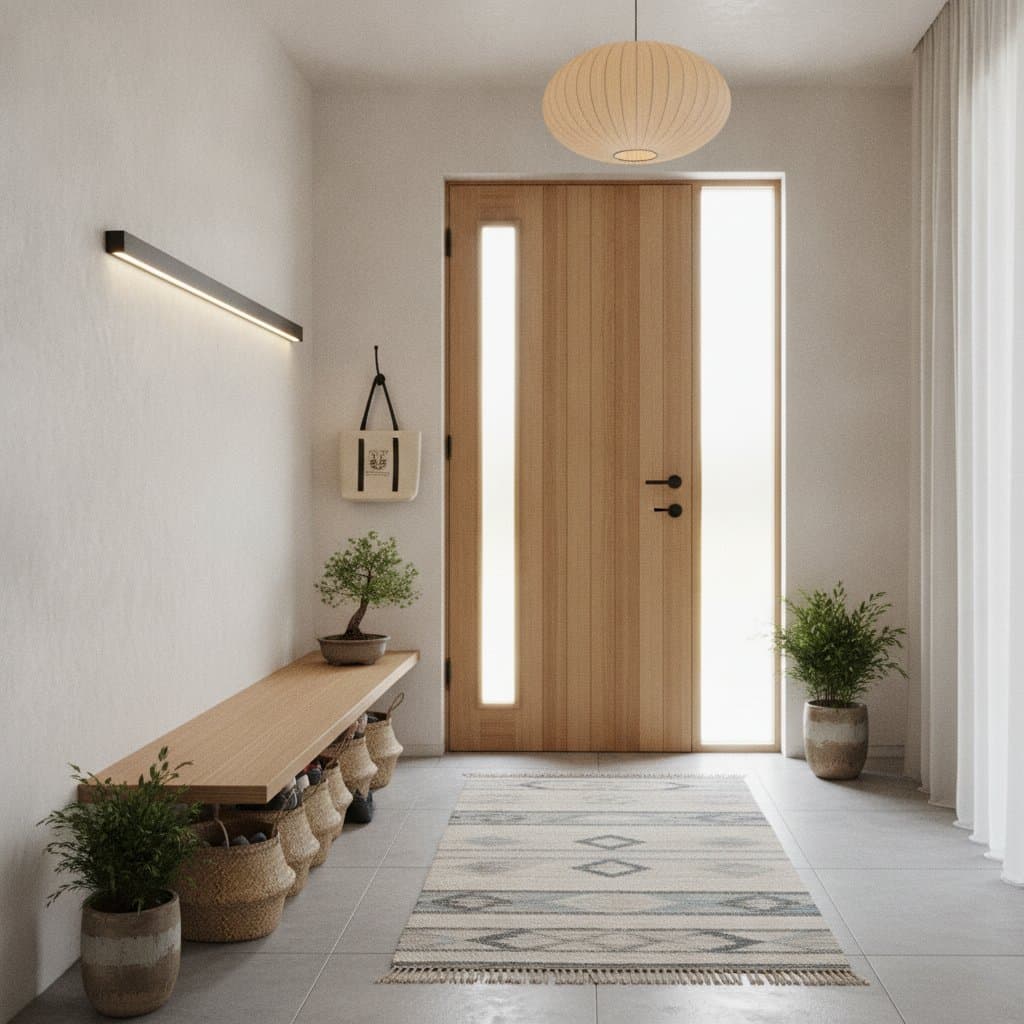
Modern acoustic doors eschew outdated, cumbersome appearances. Options now encompass wood grains, sleek panels, and unobtrusive profiles that harmonize with diverse interiors. Customization through veneers or paintable finishes allows perfect adaptation to existing schemes.
Select doors that enhance rather than dominate the space. A substantial oak panel suits a classic library, while a crisp composite slab complements minimalist urban dwellings. This approach ensures acoustic benefits without altering the home's character.
Sustaining Performance Over Time
These doors represent a durable enhancement to any residence. Their solid interiors withstand deformation and degradation far better than lightweight alternatives. Routine upkeep entails inspecting seals for integrity, clearing debris from thresholds, and securing hardware as needed. Wood surfaces benefit from infrequent conditioning to retain vibrancy.
Benefits accumulate progressively. Reduced ambient noise fosters better rest, heightened productivity, and enhanced personal boundaries. Such improvements not only refine routines but also boost real estate desirability for those in collaborative or professional home settings.
Tailoring Noise Solutions to Lifestyle Needs
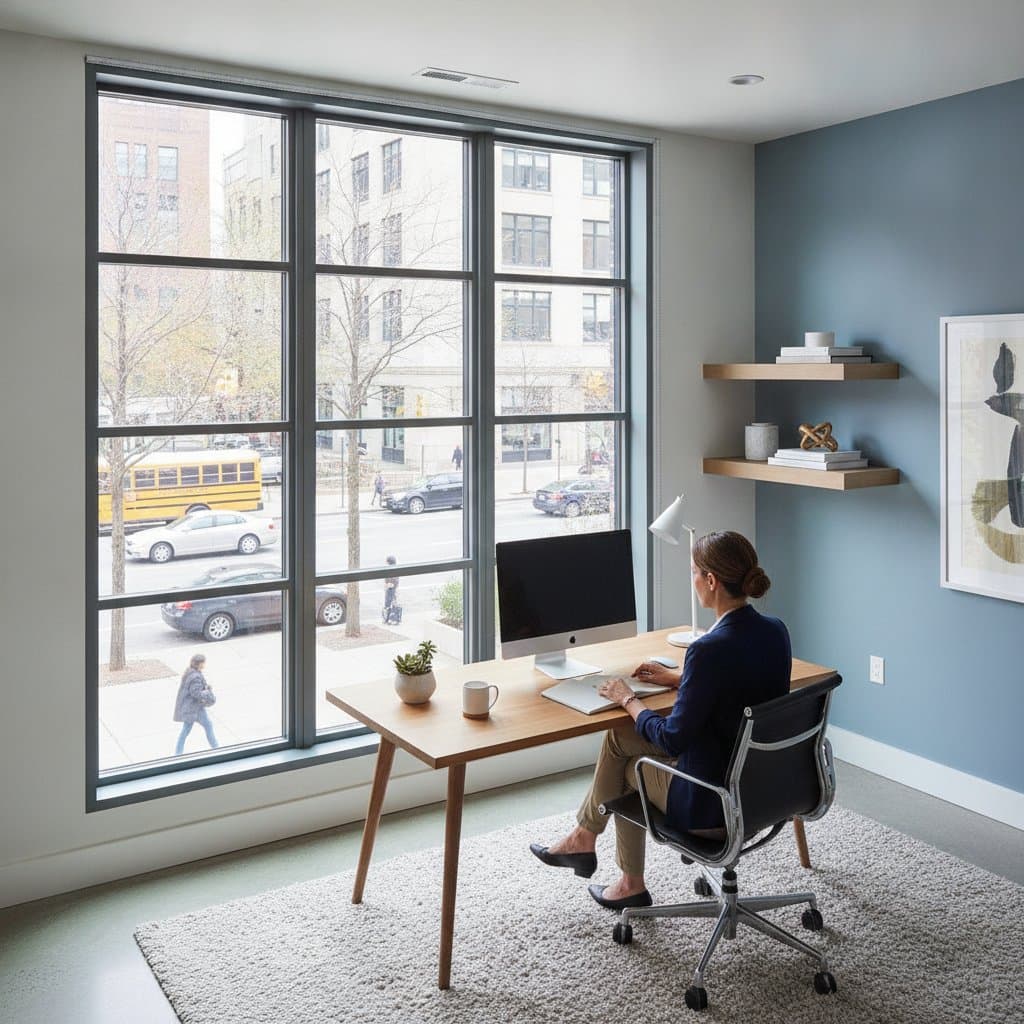
Acoustic requirements stem from individual circumstances. Residences adjacent to thoroughfares gain from exterior doors that attenuate vehicular clamor. Internally, barriers between zones curb spillover from recreational or professional activities. Households with varied schedules particularly appreciate minimized interruptions during rest periods.
In multi-unit buildings, upgrading to these doors markedly lessens inter-unit disturbances. Absolute quiet remains elusive, yet the enhanced auditory environment promotes a sense of seclusion and repose.
Steps for a Successful Upgrade
Commence by accurately dimensioning doorways and assessing frame conditions. Heavier acoustic models necessitate reinforced hardware for stability. Sequence multiple installations to limit household inconvenience.
Engage installers versed in acoustic systems. Inquire about their expertise in seal application, threshold calibration, and efficacy testing. Observe the door's operation and seal engagement prior to completion to confirm satisfaction.
Selecting the Ideal Acoustic Solution
The optimal door emerges from weighing sound efficacy, visual harmony, and financial parameters. Those seeking refuge for study or unwinding typically experience profound gains from standard acoustic models.
This evolution in door technology underscores a shift toward wellness-oriented interiors. As indoor time increases, effective noise management contributes to holistic living quality. Informed decisions on components, setup, and upkeep empower lasting serenity in everyday spaces.