Textured Hardware Dethrones Matte Black in 2026 Interior Trends
Matte black hardware defined interior design for multiple seasons through its crisp lines, striking contrast, and adaptability across styles. A fresh evolution now captures focus: textured finishes that supplant uniform, flat surfaces with tangible depth and distinctive visual interest. This transition mirrors a larger pivot in residential spaces toward inviting authenticity, where nuanced elements rival bold hues in importance.
Homeowners and professionals alike shift from rigid minimalism to elements that evoke habitation and complexity. Textured hardware aligns with this ethos by merging utility and sensory engagement. Options such as knurled pulls, brushed accents, and hammered embellishments extend beyond bespoke installations to serve as everyday essentials for doors, cabinets, and furnishings.
The Allure of Textured Surfaces
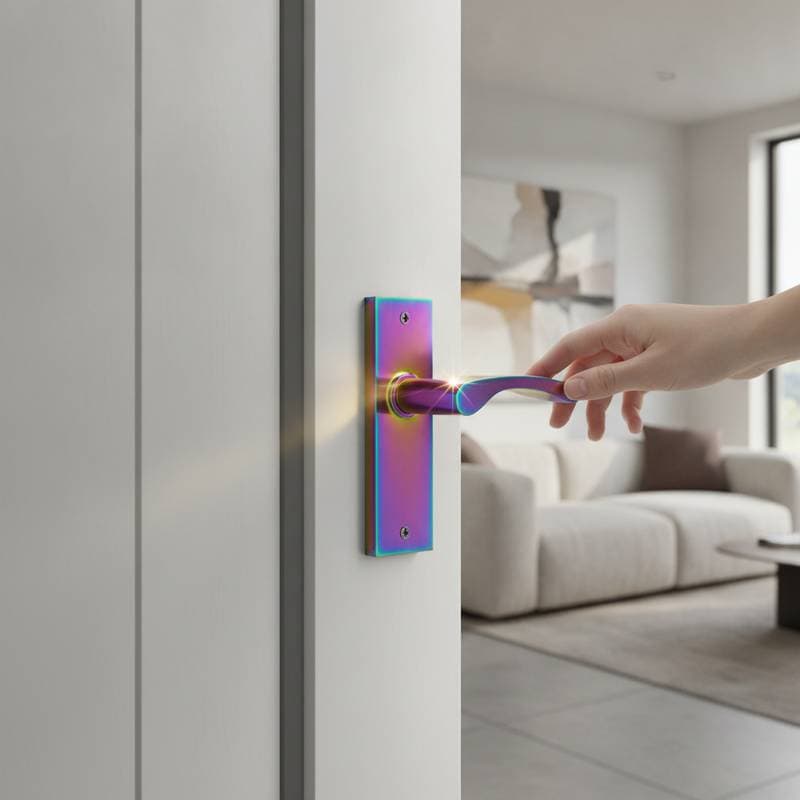
Texture alters light reflection on a surface, influencing hardware's appearance throughout the day. Uniform matte options may appear subdued in varying illumination, whereas textured variants capture glints and shadows to convey volume. This effect imparts an artisanal essence often absent in highly polished schemes.
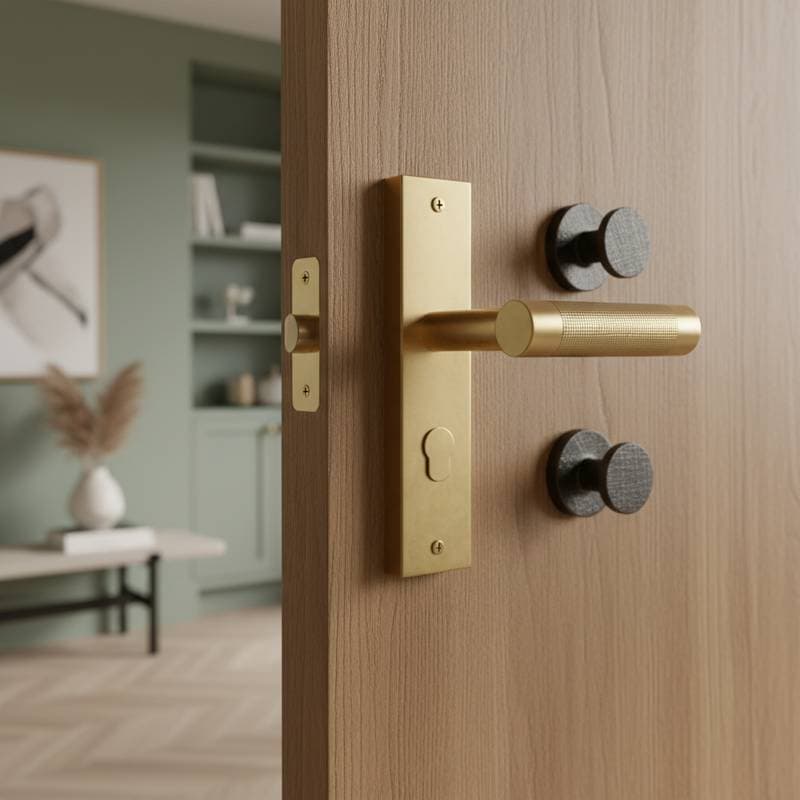
Texture extends beyond visuals to encourage interaction. A knurled handle or patterned grip delivers reassuring feedback, enhancing grip and ease of use. In routine applications, features like ridge designs and material tactility boost usability and inclusivity, rendering textured hardware valuable for both aesthetic and functional merits.
Key Finish Comparisons
Matte black provided intensity and ease, yet textured alternatives expand creative possibilities. These surfaces harmonize with organic elements like timber, stone, and hide without dominating. The table below compares prevalent finishes based on cost, durability, upkeep, and ideal applications.
| Finish Type | Initial Cost | Lifespan | Maintenance | Best For |
|---|---|---|---|---|
| Matte Black | Moderate | Long | Wipe clean; avoid abrasives | Contemporary or industrial spaces |
| Brushed Brass | High | Long | Occasional polishing | Warm, classic environments |
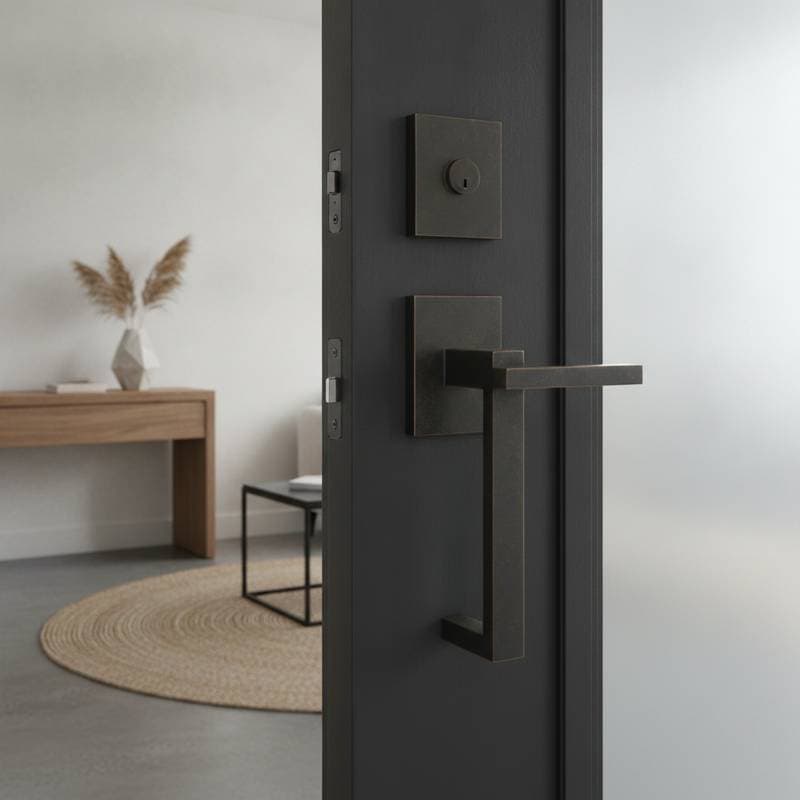
| Knurled Nickel | Moderate to High | Long | Light cleaning | Transitional or modern interiors |
| Hammered Bronze | High | Very Long | Gentle cleaning; natural patina | Rustic or traditional settings |
Textures infuse depth unattainable by smooth planes. Even faint motifs transform the act of turning a knob or swinging a door.
Drivers of This Design Evolution
Rising enthusiasm for textured elements ties into overarching interior movements. Residents seek environments that reflect individuality over flawlessness. The charm resides in subtle irregularities, manual craftsmanship, and perceptual richness, which delineate areas and foster ease in versatile homes.
Professionals observe that textures complement shifting palettes effectively. Subdued warms, softened foliage shades, and earthy bases align with brushed or knurled alloys. Such pairings yield stable, perennial compositions. Matte black persists in select contexts, integrated thoughtfully amid diverse selections.
Practical Installation Guidance
Adopting textured hardware proves accessible, though alignment requires attention. Prior to swaps, verify measurements for bores and projections. Skilled technicians guarantee exact fits, particularly on robust timber or tailored panels where positioning impacts visual balance.
For renovations, maintain uniformity in exposed zones. Intentional blends succeed: knurled brass on doors might complement brushed nickel pulls on storage if undertones match. Illumination shapes texture perception; incandescent sources amplify brass warmth, while daylight accentuates nickel sheen.
Upkeep for Enduring Appeal
Textured hardware endures rigorous use, yet demands tailored maintenance over glossy counterparts. Particles may accumulate in reliefs, so employ soft tools for refreshment. Steer clear of corrosives that erode luster. Materials like bronze or brass often acquire patina organically, enriching character over years.
Quality selections prolong service life. Textures camouflage smudges superior to mirrors, and irregularities mask minor scuffs. In busy passages, this resilience minimizes interventions and sustains stylistic integrity.
Selecting Ideal Textured Options
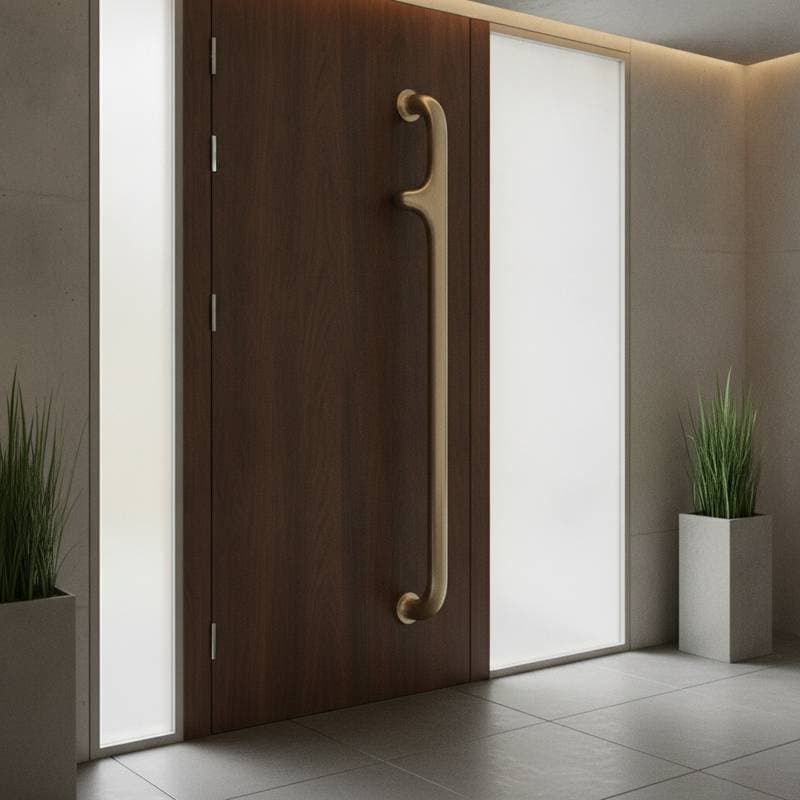
Choose hardware by weighing sight and sensation. Knurled forms deliver exactness and contemporary edge; hammered ones evoke skilled labor and coziness. Brushed variants offer restraint, introducing texture discreetly.
Assess surroundings comprehensively. Ambient brightness, surface tones, and substrate textures dictate outcomes. In luminous settings, metals gleam softly for intrigue sans reflection. In dimmer corners, they provide definition, averting visual fade. Aligning with spatial mood ensures deliberate cohesion.
Collaborating with Experts
For comprehensive refreshes, partner with specialists to achieve unity. Present samples during initial consultations to align with adjuncts like pivots, secures, and moldings. Experts frequently blend metallics, balancing chills and heats across residences. Explicit dialogue on choices averts discrepancies and excess procurement.
Integrating Texture into Your Spaces
Incorporate textured hardware to elevate daily interactions and overall ambiance. Start with high-use areas like entry doors or kitchen fronts, selecting finishes that echo your palette's warmth. This approach not only modernizes but also personalizes, creating homes that invite touch and tell stories through subtle craft.