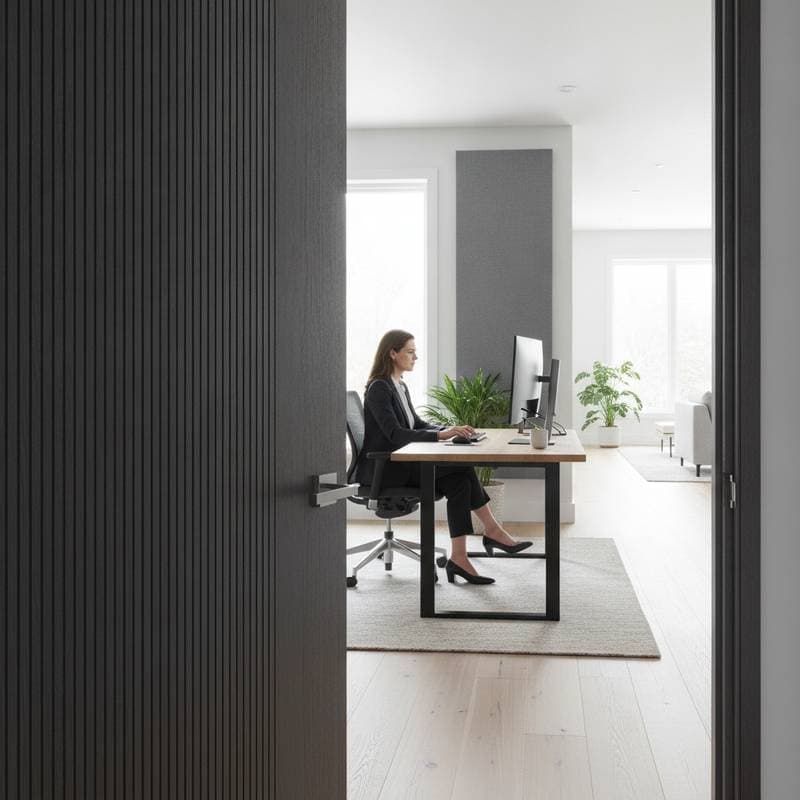
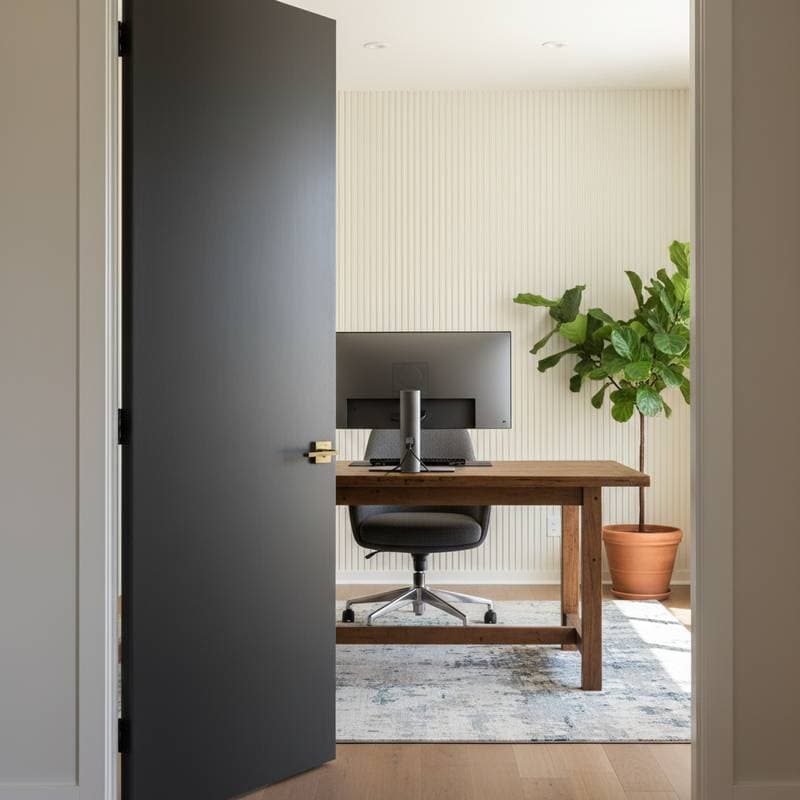
Achieve 85% Noise Reduction: Acoustic Doors for Home Offices
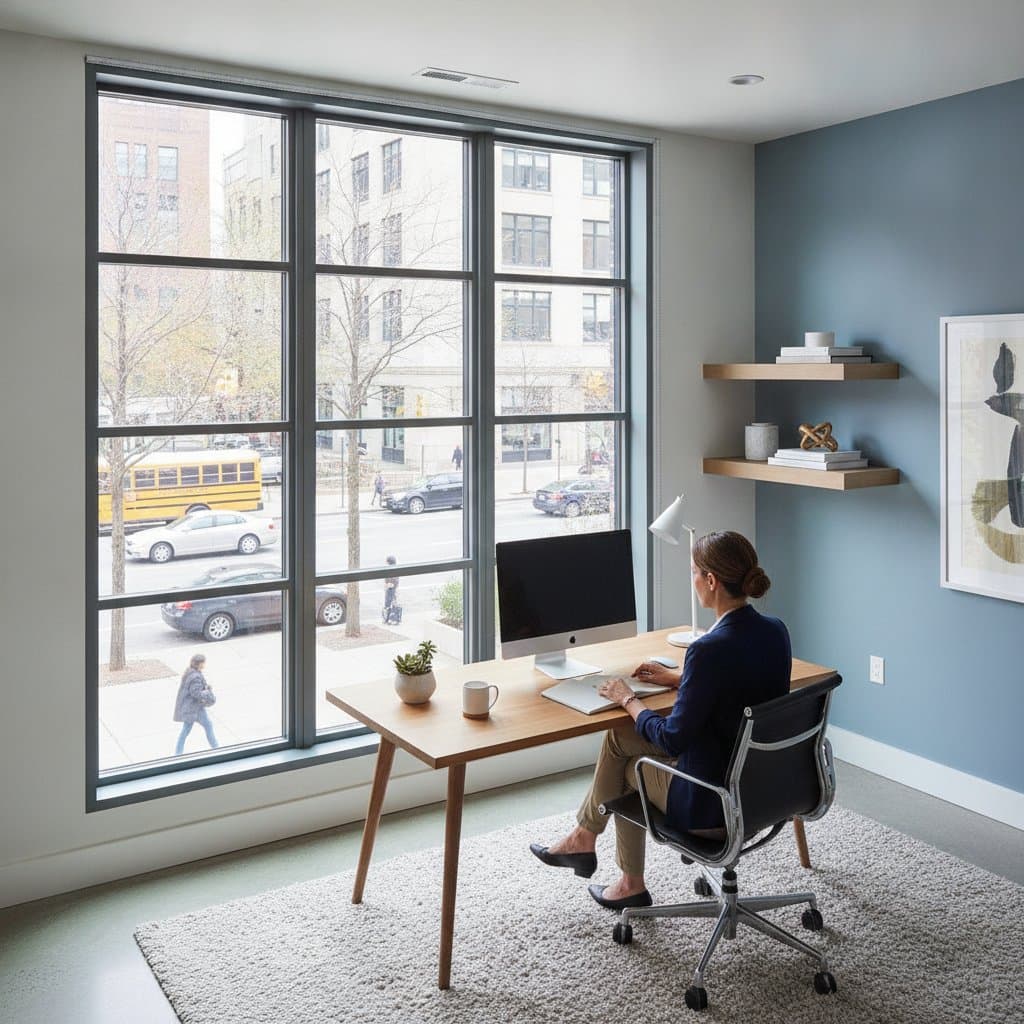
Remote work has evolved into a permanent fixture for many professionals. This transition underscores the need for dedicated, distraction-free spaces within the home. Disruptions from household sounds, animal movements, or external traffic often hinder focus and efficiency. Acoustic doors provide an effective remedy, integrating advanced sound management into everyday residential aesthetics while preserving the inviting character of interior wood doors.
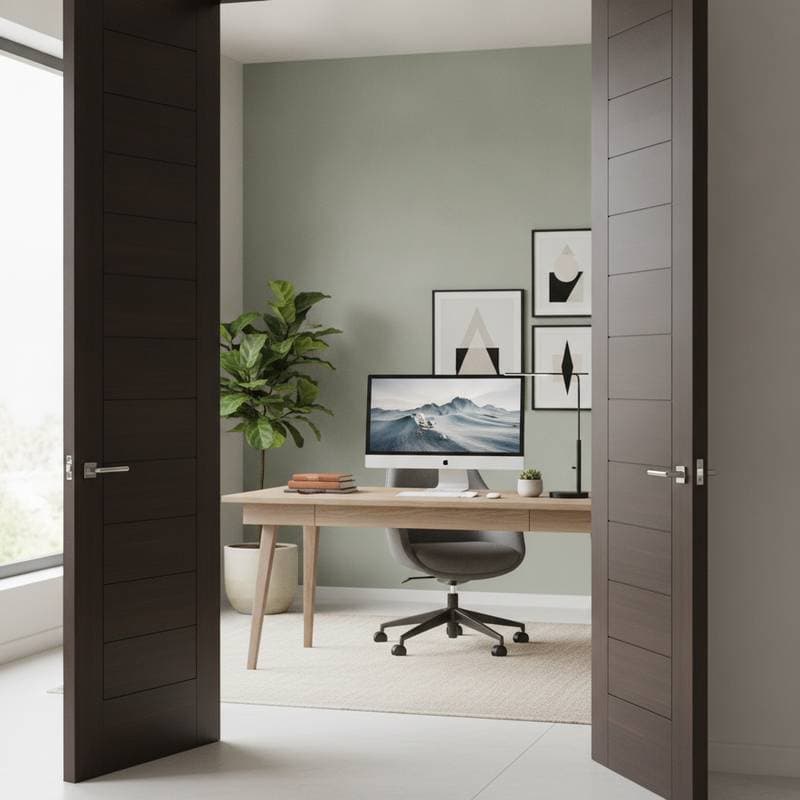
Top-tier acoustic doors achieve noise reductions of up to 85 percent, converting ordinary rooms into productive sanctuaries. These solutions extend beyond functionality to include diverse finishes and designs that complement contemporary environments, ranging from streamlined contemporary layouts to classic library settings. Property owners gain access to selections that deliver both visual appeal and superior acoustic results.
Strategies for Implementing Acoustic Doors
Budget Strategy ($400 to $800)
- Select solid-core composite doors featuring wood veneer surfaces. Such doors deliver substantial sound dampening without necessitating formal acoustic ratings.
- Incorporate high-quality weatherstripping along with a door sweep to seal gaps at the frame and floor level.
- When funds permit, add a double-seal perimeter gasket to enhance isolation against sound penetration.
Intermediate Strategy ($900 to $1,800)
- Opt for engineered acoustic doors with Sound Transmission Class (STC) ratings from 35 to 40. These incorporate dense core compositions paired with precision-engineered seals for consistent performance.
- Explore veneer options such as white oak, walnut, or rift-cut ash to align with surrounding architectural elements.
- Integrate an automatic drop-down seal that engages upon closing. This mechanism significantly boosts overall efficacy with minimal added complexity.
Premium Strategy ($2,000 to $4,000)
- Choose certified acoustic doors exceeding STC 45 for soundproofing comparable to recording studios.
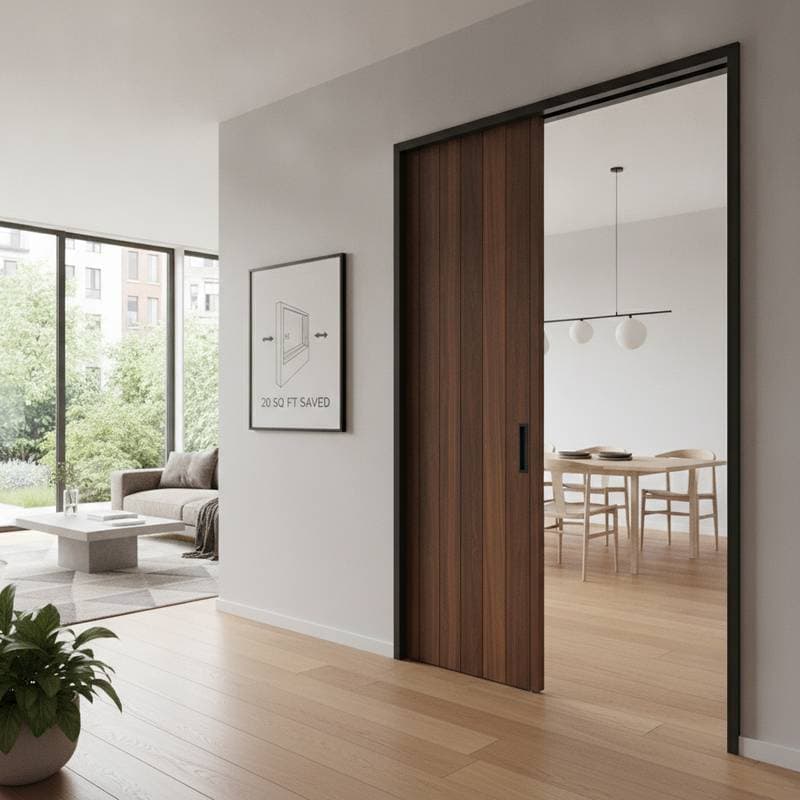
- Personalize with authentic wood veneers, embedded glass elements, or sleek flush-mounted configurations.
- Pair with matching components like reinforced hinges and sound-rated frames to sustain peak operational standards.
Guide to Materials and Finishes
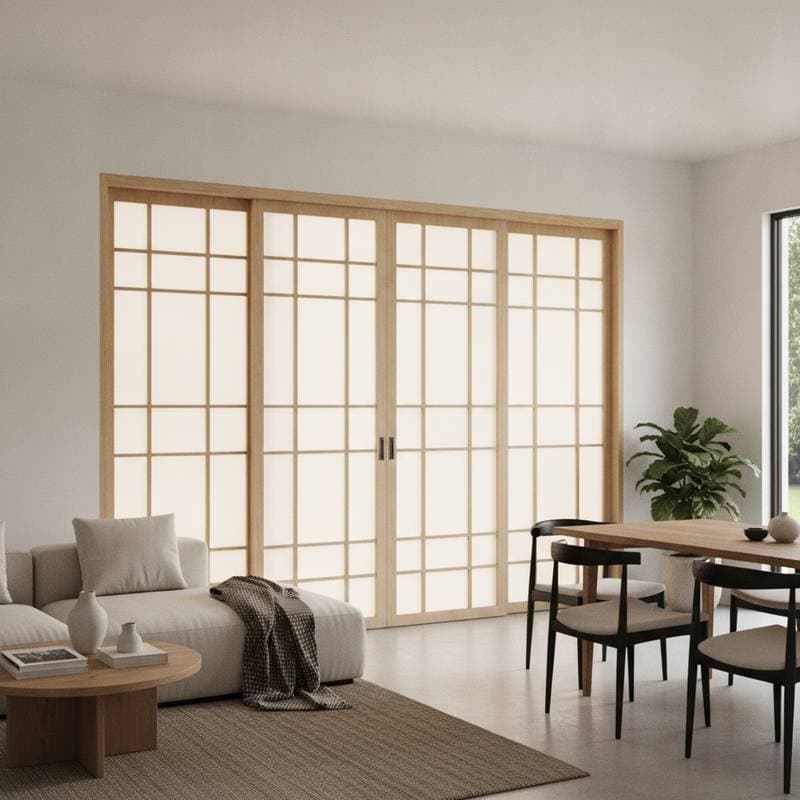
- Glass Elements: In setups involving interior windows or adjacent panels, install laminated acoustic glass to attenuate external sounds while allowing natural illumination. Options in frosted or etched patterns ensure privacy without enclosing the area.
- Core Door Construction: Prioritize solid-core or multi-layered designs using medium-density fiberboard (MDF) or composite wood for optimal absorption. Apply veneers in finishes like matte black, natural oak, or rich walnut to achieve a polished, office-appropriate appearance.
- Adjacent Wall Treatments: For rooms bordering high-noise zones, supplement with absorptive panels or additional drywall layers to form a comprehensive barrier.
- Framing and Detailing: Employ substantial wood moldings around the door opening to limit vibrational transmission. Coordinate baseboards and surrounds to unify the design and reinforce acoustic performance.
Essential Maintenance Practices
Acoustic doors demand little upkeep, limited to routine surface care and periodic seal evaluations. Wipe the exterior using a soft cloth dampened with a gentle cleaner. Inspect perimeter seals biannually to confirm flexibility and adhesion, preventing gradual degradation.
Wood veneer surfaces benefit from frequent light dusting and infrequent applications of protective polish to retain texture and sheen. Painted variants require periodic retouching, particularly near high-contact areas like knobs and edges. For doors with glass inserts, apply ammonia-free solutions to avoid residue buildup that might affect adjacent seals.
Common Pitfalls to Sidestep
- Selecting Hollow-Core Variants: Interior designers and homeowners frequently overlook the permeability of lightweight hollow structures. Commit to solid or composite cores to secure meaningful noise mitigation.
- Neglecting Perimeter Sealing: Superior door panels falter without airtight framing. Prioritize specialized acoustic surrounds and adaptable gaskets to guarantee secure closure.
- Underrating Hardware Specifications: Dense acoustic doors necessitate sturdy support systems. Standard fittings risk sagging and diminished functionality over time.
Integrating Colors and Styles
An acoustic door must harmonize visually with the broader interior scheme. Contemporary rooms benefit from matte black or charcoal tones that assert structural presence. Traditional or blended spaces favor warm wood shades, such as honey oak or deep walnut, to evoke familiarity and richness.
Sample coordinated scheme:
- Primary Door Surface: Warm walnut veneer
- Molding Hue: Soft white or almond tones
- Surrounding Walls: Subdued gray or neutral stone beige
- Fixture Metallics: Brushed nickel or matte bronze
- Supplementary Feature: Etched glass insert with geometric motif
This combination fosters equilibrium between coziness and refinement, ideal for virtual meetings and sustained concentration.
Preparation Steps for Visual Documentation
Compile visual and contextual references prior to finalizing choices. These resources streamline decision-making and procurement.
- Capture photographs of existing interiors and exteriors from varied perspectives, noting illumination and current surfaces.
- Document structural specifics, including crown molding shapes, door dimensions, and jamb configurations.
- Review local regulations or community guidelines impacting visible exterior treatments.
- Account for environmental factors like regional humidity or thermal variations influencing material durability.
- Define financial limits and performance focal points to allocate resources effectively.
Finalizing Your Acoustic Upgrade
Establishing a tranquil home office promotes sustained attention, innovation, and ease. Acoustic doors represent a sophisticated path to this outcome, preserving aesthetic integrity throughout. From economical solid-core installations to bespoke high-end configurations, selections enhance daily usability and property appeal.
Integrate sound management seamlessly into individual preferences. Through deliberate choices in surfaces, fittings, and complementary elements, create an environment that appears executive and delivers serenity across work hours.