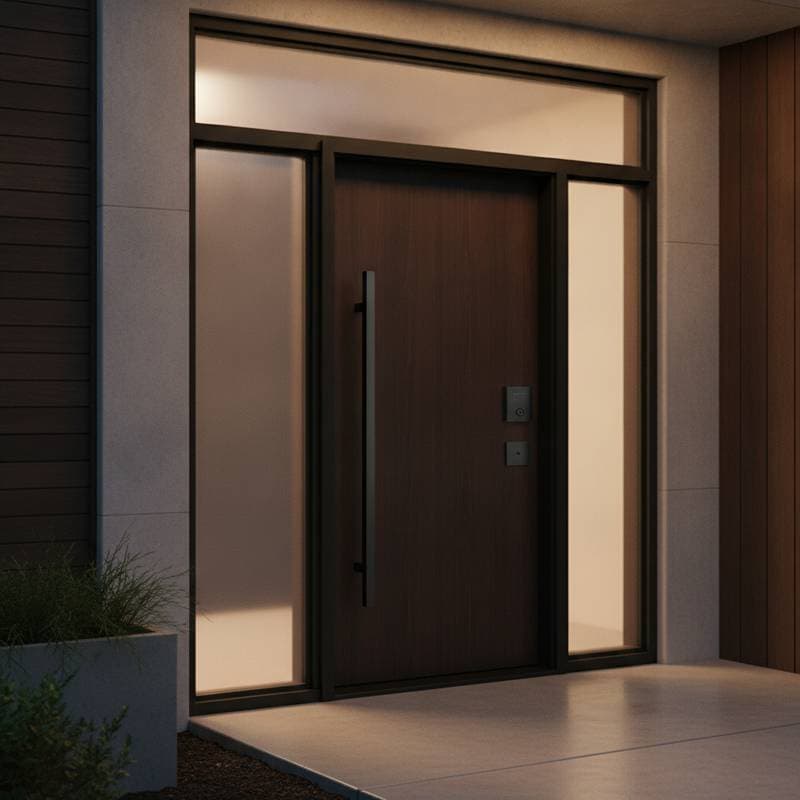
The Rise of Mortise-Free Frames: Why Contractors Are Abandoning Traditional Cuts in 2026
Interior door installation undergoes significant transformation as builders and finish carpenters seek methods to conserve time while preserving quality. Mortise-free frames emerge as a key innovation by eliminating the need for traditional hinge and latch cut-ins. Contractors increasingly adopt these systems to enhance efficiency, simplify labor demands, and achieve reliable outcomes that satisfy both aesthetic and structural requirements.
This shift reflects broader industry trends toward streamlined processes in construction. By 2026, mortise-free solutions dominate new builds and renovations alike, driven by demands for faster project timelines and reduced error rates. Professionals find that these frames deliver professional results with minimal complexity.
Core Principles of Mortise-Free Frame Systems
Mortise-free frames utilize pre-engineered elements designed for seamless door integration without manual chiseling or routing. Installers apply surface-mounted hardware or embedded fittings directly to the frame and door edges, bypassing the creation of hinge recesses. This method yields installations characterized by precision and minimal visible alterations.
Such systems prove ideal for environments with compressed schedules or high-volume door placements. They facilitate straightforward alignment procedures, ensure uniform spacing between components, and produce finishes that harmonize with contemporary interior designs. For instance, adjustable hinge plates allow for fine-tuning during setup, accommodating slight variations in wall construction.
In practice, these frames incorporate materials like engineered wood or composite profiles that resist warping under normal conditions. Hardware options include concealed pivots or floating butt hinges, which maintain door stability without penetrating the frame deeply. This design minimizes tools required on site, often limiting needs to basic levels, shims, and screwdrivers.
Key Efficiency and Cost Advantages
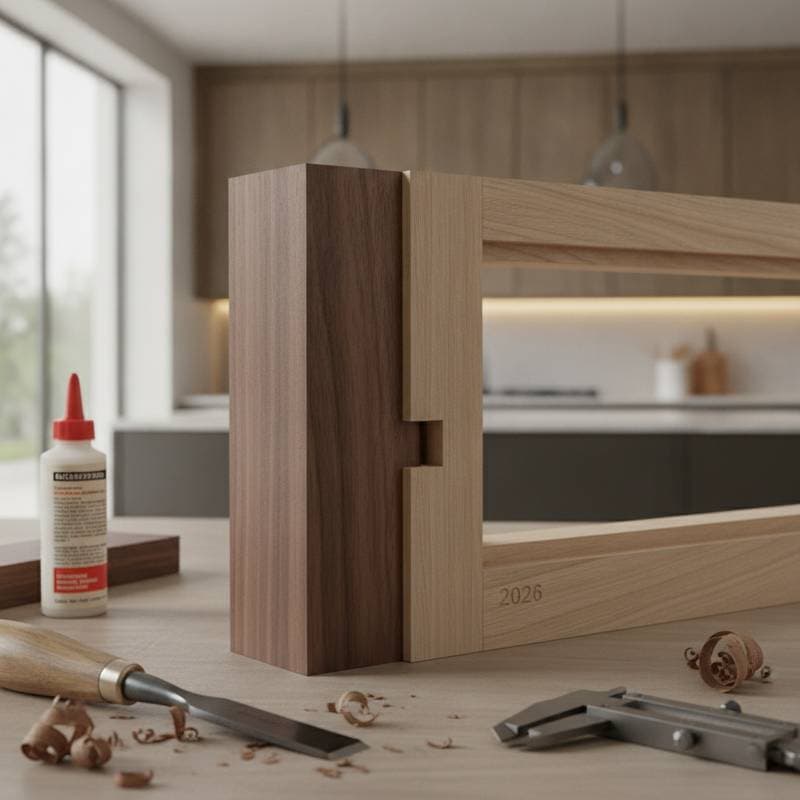
Conventional mortised frames necessitate meticulous craftsmanship for each hinge mortise, a process that consumes substantial time and expertise. Even minor deviations in depth or placement lead to operational issues such as door binding or improper closure. Mortise-free alternatives eliminate these risks, enabling teams to install doors at rates up to three times faster than traditional methods.
Labor savings translate directly to project economics. With each door installation reduced from approximately 45 minutes to 15 minutes, crews advance to subsequent phases sooner, optimizing overall workflow. This acceleration proves particularly beneficial in multi-unit developments where dozens of doors require attention.
Furthermore, the approach diminishes opportunities for on-site errors, which often result in costly rework. Callbacks for hardware adjustments or gap corrections become rare, preserving profit margins and fostering positive client relationships. Contractors report that these systems lower total installation expenses by 30 to 40 percent compared to mortised counterparts.
| Frame Type | Initial Setup Cost | Expected Lifespan | Maintenance Needs | Ideal Applications |
|---|---|---|---|---|
| Traditional Mortised | Elevated due to skilled labor | 20+ years | Periodic realignments | Bespoke or historical restorations |
| Mortise-Free | Balanced with pre-fabricated parts | 20+ years | Rare interventions | High-volume new constructions and modern renovations |
Ensuring Durability and Superior Performance
Early doubts about the robustness of mortise-free systems centered on potential weaknesses in non-traditional joinery. Contemporary designs counter these issues through advanced reinforcements, such as steel-reinforced jambs and high-tensile hardware. Load distribution occurs evenly across contact points, mitigating risks of door sag or component failure over extended periods.
Homeowners benefit from dependable functionality that requires little upkeep. Doors operate with fluid motion, maintain even reveals along edges, and retain their polished appearance through years of use. In high-traffic areas, these frames withstand repeated cycles without compromising integrity.
Contractors value the predictability inherent in these installations. Standardized components reduce variability across job sites, allowing for scalable operations in large-scale projects. Testing protocols from manufacturers confirm that mortise-free assemblies endure environmental stresses like humidity fluctuations and mechanical wear equivalent to or exceeding traditional standards.
Seamless Alignment with Modern Lifestyles and Aesthetics
Mortise-free frames extend their appeal beyond mechanics to align with evolving design sensibilities. Their unobtrusive profiles suit minimalist and transitional styles, emphasizing clean lines and subtle detailing. Absence of chisel marks or irregular edges enhances the visual coherence of doorways, pairing effectively with painted surfaces or exposed wood grains.
From a practical standpoint, these systems promote quieter daily use and straightforward modifications. Components mounted externally permit disassembly without frame damage, aiding future upgrades or repairs. Property owners and managers appreciate this adaptability, especially in rental properties or evolving home layouts.
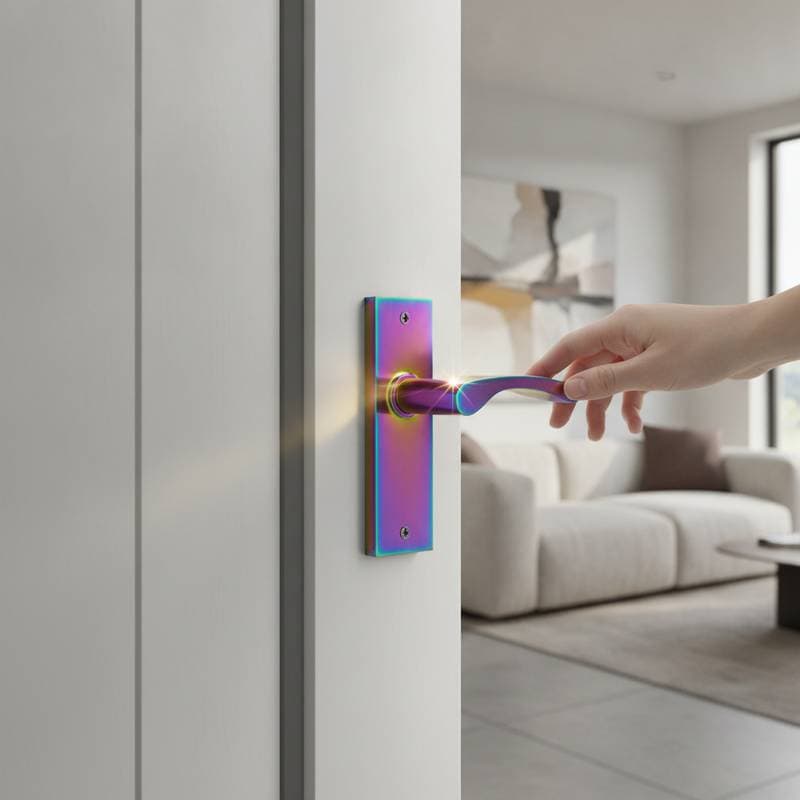
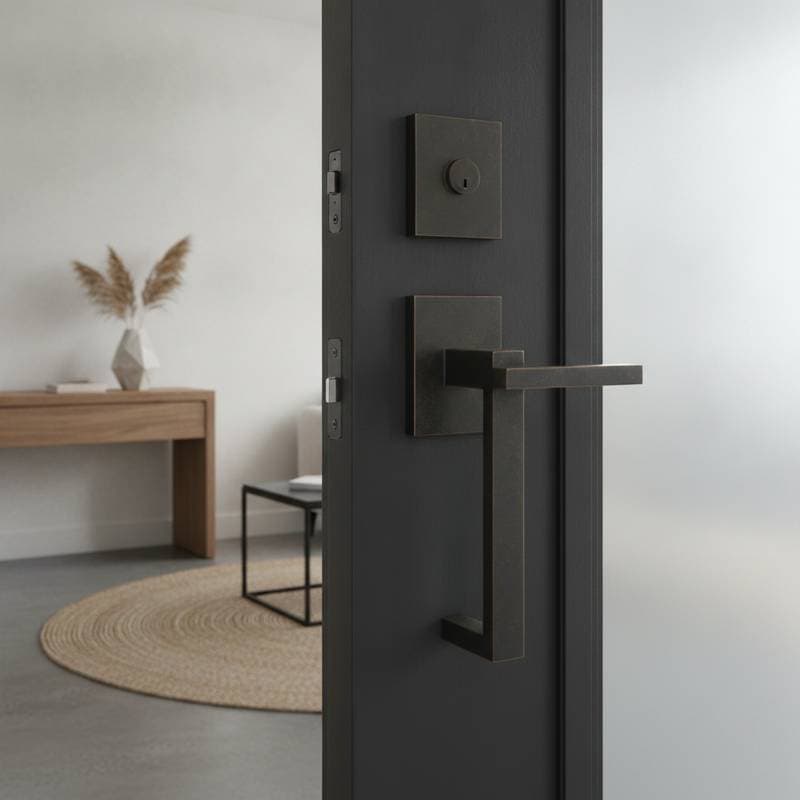
Design versatility allows integration with smart home features, such as automated locks or sensor-based hinges, without structural alterations. The frames support a range of finishes, from matte blacks to natural tones, ensuring compatibility with diverse interior palettes. This flexibility positions mortise-free options as a forward-thinking choice for sustainable, user-centric building practices.
Step-by-Step Preparation for Successful Implementation
Contractors preparing to integrate mortise-free frames begin by reviewing door dimensions, wall alignments, and hardware specifications. Even with simplified procedures, precise measurements and level checks form the foundation of flawless execution. Suppliers frequently provide diagnostic tools, such as laser alignment guides or pre-cut shims, to streamline this evaluation.
Essential pre-installation steps include assessing wall plumbness with a digital level, measuring rough openings against frame tolerances, and evaluating floor evenness to avoid swing obstructions. These verifications prevent common pitfalls like jamb twists or clearance issues. Once confirmed, teams proceed to assembly, securing frames with expandable anchors suited to drywall or masonry substrates.
Tool requirements remain basic: a power drill for pilot holes, a utility knife for minor adjustments, and clamps for temporary holds. Training sessions, often available through manufacturer resources, equip crews with techniques for optimal torque application and gap sealing. This preparation ensures installations complete in under an hour per unit, even for novices to the system.
Optimizing Your Workflow with Mortise-Free Innovations
Contractors navigating the balance of velocity, excellence, and fiscal responsibility discover in mortise-free frames a strategic advancement for interior door work. These systems alleviate physical demands on labor, promote uniform quality across installations, and provide aesthetics attuned to client expectations. Proper selection and execution elevate project outcomes, upholding the precision that characterizes expert craftsmanship.
To maximize benefits, evaluate supplier reliability and compatibility with existing inventories early in planning. Pilot implementations on smaller jobs build confidence and refine techniques before full adoption. Ultimately, this transition equips professionals to meet 2026 demands for efficient, enduring construction solutions.