Advanced Soundproof Doors Reduce Noise by Up to 85 Percent
Unwanted noise disrupts daily life, impairing focus, rest, and health. Sources range from urban traffic to household chatter or neighboring activities. Soundproof doors that block up to 85 percent of noise offer a practical solution, integrating high-performance acoustics with appealing aesthetics. Homeowners benefit from greater tranquility when selecting doors based on their specific needs, budget, and interior style.
Core Principles of Soundproof Door Functionality
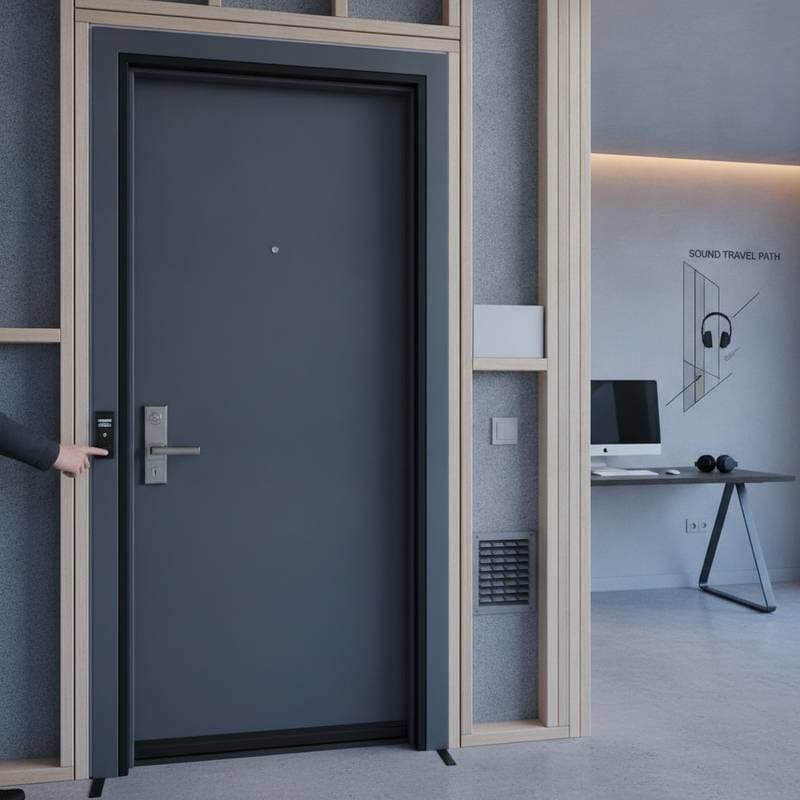
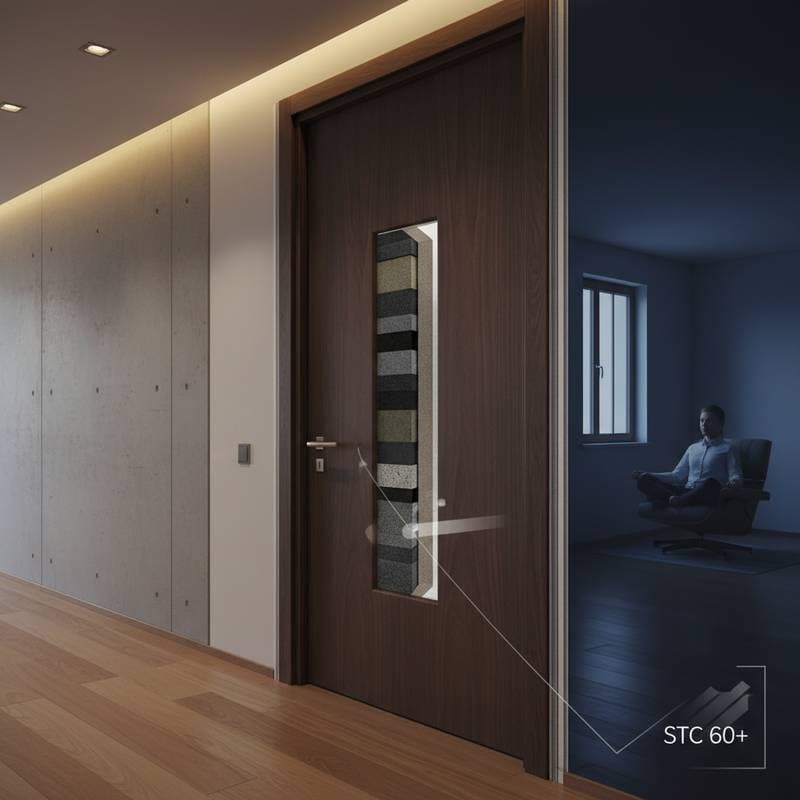
Sound propagates via air vibrations and structural conduction, exploiting weaknesses in ordinary doors like gaps or thin panels. Soundproof models counteract this through layered engineering that absorbs, reflects, and isolates waves. The objective remains partial attenuation rather than total elimination, achieving substantial reductions in audible levels.
Key elements include:
- Dense core construction using materials like particleboard composites, mineral wool infills, or layered metals to dampen vibrations.
- Perimeter gaskets that form airtight barriers between the door and frame upon closure.
- Drop seals at the base that deploy automatically to seal against the floor.
- Reinforced jambs engineered to minimize resonance transfer to adjacent walls.
These features collectively lower transmitted noise by up to 85 percent, contingent on precise assembly and compatible surrounding structures.
Types of Soundproof Doors and Their Applications
Soundproof doors vary by construction to suit residential, commercial, or specialized uses. Selection hinges on required isolation levels, visual integration, and environmental demands.
| Door Type | Cost Range | Durability | Upkeep Needs | Ideal Settings |
|---|---|---|---|---|
| Solid Core Timber | $300–$800 | 20+ years | Periodic polishing | Bedrooms, studies |
| Composite Acoustic | $500–$1,200 | 25+ years | Low, wipe-down | Media rooms, partition walls |
| Metal-Core Acoustic | $800–$2,000 | 30+ years | Minimal | Recording spaces, utility areas |
| Laminated Glass Insert | $1,000–$3,000 | 20+ years | Glass cleaning | Meeting areas, contemporary homes |
Timber options provide warmth and familiarity for everyday spaces. Composites excel in sound control without added weight. Metal variants prioritize durability in demanding conditions, while glass-inclusive designs balance light and privacy.
Measuring Soundproofing Effectiveness with STC Ratings
The Sound Transmission Class (STC) quantifies a door's noise-blocking capability, with scores indicating decibel reduction across frequencies. Standard hollow doors score 20–25 STC, permitting easy sound passage. Solid constructions reach 30–35 STC, while premium acoustic doors hit 45–55 STC, correlating to an 85 percent drop in perceived volume.
Verify compatibility with wall assemblies, as an STC-50 door paired with a 30-STC wall limits overall gains. Test protocols involve controlled sound sources to validate claims before purchase.
Assessing Needs for Soundproof Door Installation
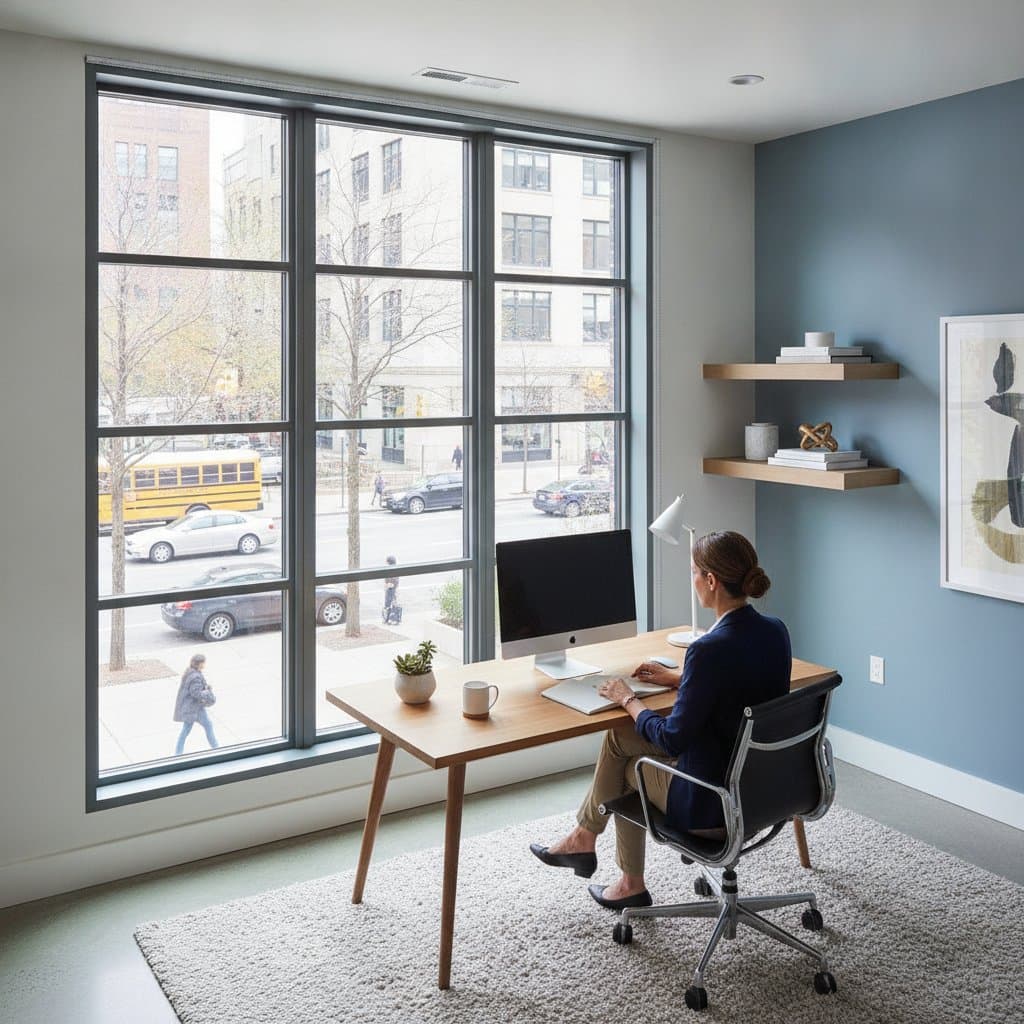
Identify primary noise sources first, such as external vehicles, internal appliances, or interpersonal sounds. This directs placement, like prioritizing bedroom or office doors. Measure existing openings accurately, noting frame squareness and wall integrity to avoid performance shortfalls.
Compromised frames demand full replacement for airtight fits. Consult acoustics specialists if noise involves low-frequency rumbles, which require enhanced mass-loaded barriers.
Essential Preparation for Installation
Accurate preparation maximizes door efficacy and avoids rework.
- Precise measurements of width, height, and depth, allowing for seal compression.
- Frame evaluation for levelness and rot, repairing as needed.
- Seal mapping to integrate with hardware without interference.
- Floor assessment for even thresholds to support base seals.
These steps ensure seals engage fully, preserving the targeted noise reduction.
Step-by-Step Installation Process
Entrust installation to certified professionals familiar with acoustic systems for optimal results.
- Install acoustic jambs with isolation shims to decouple from studs.
- Mount the door slab using robust, non-vibrating hinges rated for heavy loads.
- Apply edge seals via adhesive or channels, opting for bulb or brush types based on gaps.
- Calibrate bottom seals for smooth deployment without floor abrasion.
- Secure hardware like silent-closure latches to eliminate rattle.
Precision at each phase prevents leaks, with adjustments fine-tuned on-site.
Verifying Installation Quality
Post-installation validation confirms reliability.
- Inspect visually for uniform gaps under 1/8 inch.
- Test operation by closing repeatedly, checking seal uniformity.
- Conduct auditory trials with noise generators or daily sounds to measure reduction.
Address issues like seal gaps through recalibration. Document results for warranty purposes.
Pricing Factors and Return on Investment
Soundproof doors range from $300 to $3,000 per unit, influenced by specifics.
- Core materials drive base costs, with synthetics exceeding naturals.
- Finishes like stains or laminates add 20–50 percent.
- Labor varies from $200–$800, higher for custom fits.
- Add-ons such as thresholds increase totals by $50–$200.
Benefits like enhanced sleep and productivity justify expenses, often recouping via property value gains.
Sustaining Performance Through Maintenance
Routine care preserves acoustic integrity over decades.
- Clean seals weekly to prevent debris buildup.
- Tighten hardware quarterly to curb loosening.
- Replace degraded gaskets every 5–10 years.
- Refinish wood annually to maintain seals.
Proactive upkeep ensures consistent 85 percent noise blocking without major interventions.
Everyday Advantages of Reduced Noise
Soundproof doors foster serene environments that support better routines. Bedrooms become restful havens, minimizing disturbances for restorative sleep. Workspaces gain focus, boosting efficiency amid home distractions.
In multi-occupant homes, they delineate personal areas, easing tensions from overlapping activities. Creative pursuits like music thrive in contained spaces, promoting harmony.
Additional Efficiency and Sustainability Gains
Dense constructions and seals curb drafts, aiding thermal regulation and energy savings up to 10 percent. Opt for products with low-VOC certifications and recycled components to align with green standards.
These choices enhance air quality while delivering acoustic advantages.
Integrating Design and Functionality
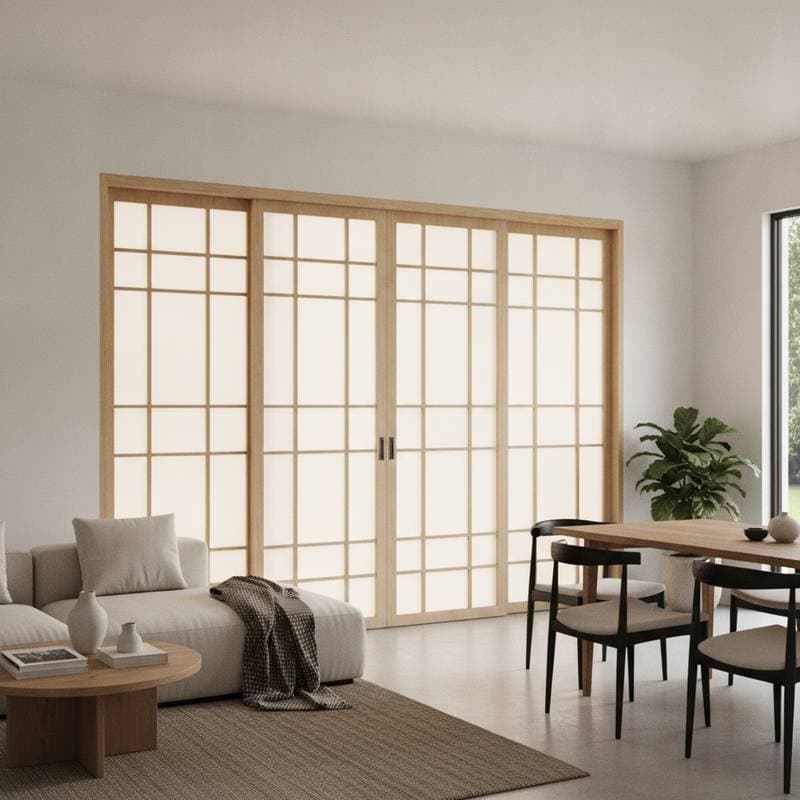
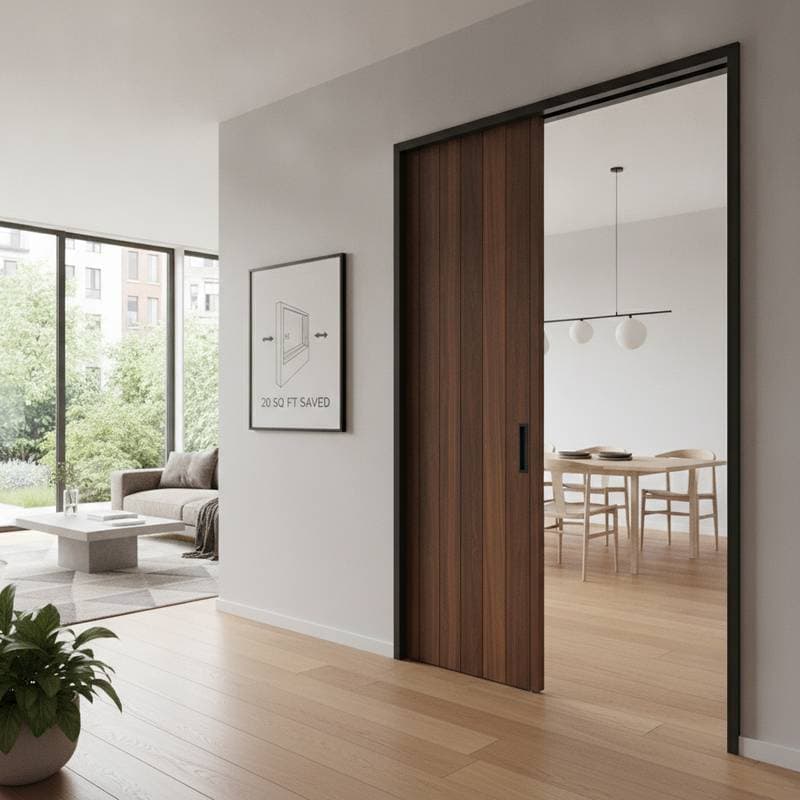
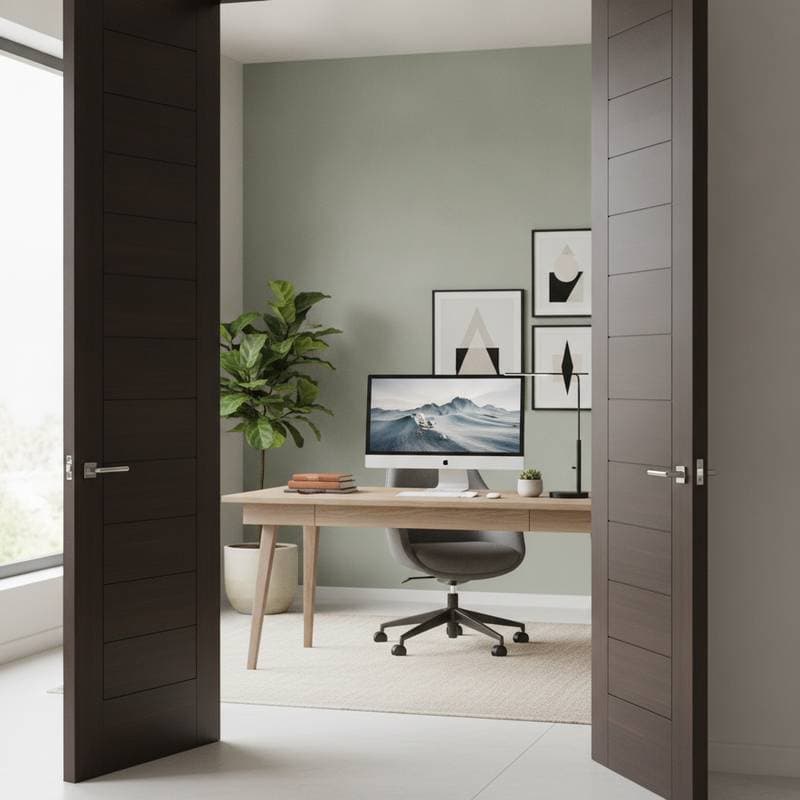
Contemporary options span matte paints to exotic woods, ensuring stylistic harmony. Frosted glass variants transmit light without sound. Select profiles that align with architecture, verifying seals remain uncompromised.
Consult designers to merge form and function seamlessly.
Selecting the Optimal Solution
Prioritize STC needs against budget and aesthetics. Residential upgrades favor 40+ STC composites; professional setups demand 50+ ratings.
- Match to noise profiles for targeted relief.
- Factor longevity in material choices.
- Plan for pro installation to realize full potential.
Collaborating with Installation Experts
Seek contractors with acoustic portfolios, reviewing past projects. Discuss seal techniques and post-install testing upfront.
Observe final setup to verify smooth function. Retain specs for ongoing reference and claims.
Next Steps for a Quieter Space
Begin with a noise audit to pinpoint priorities. Research certified products matching your STC goals. Schedule consultations to align selections with your home's layout and lifestyle demands. Implementing these doors transforms ordinary spaces into peaceful retreats.