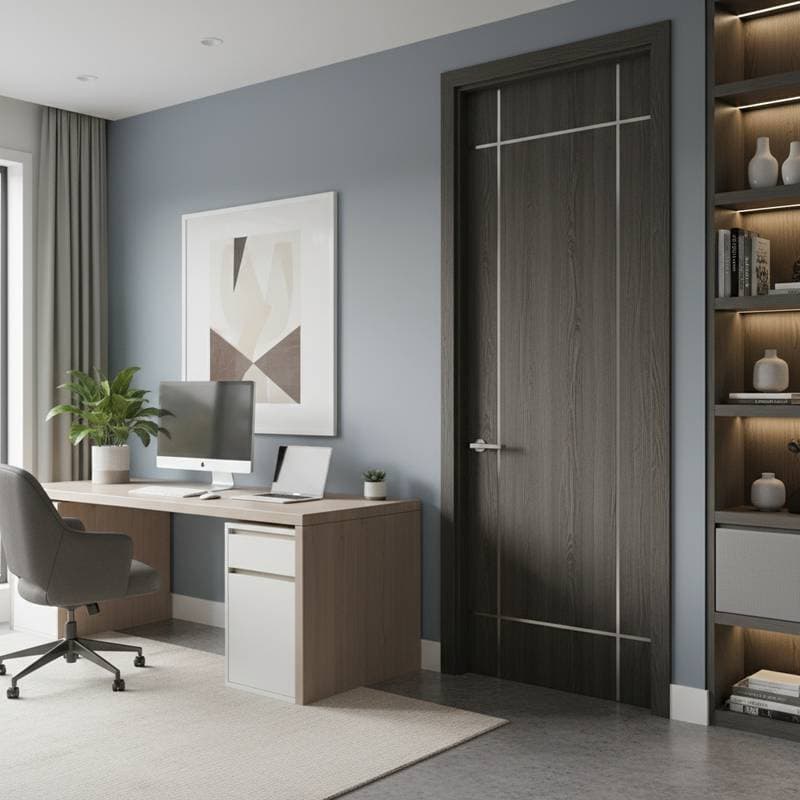
Slash 85% Noise with Acoustic Doors for WFH Bliss
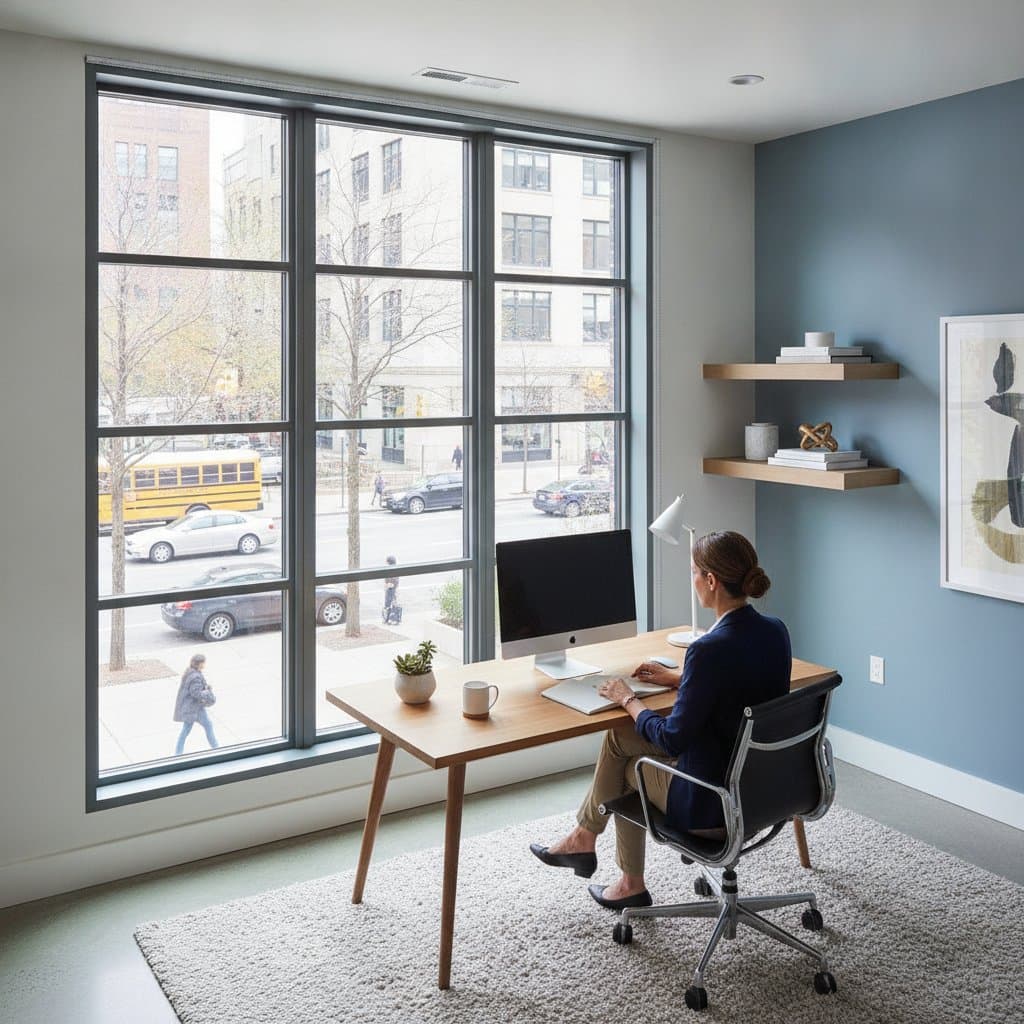
Working from home has become a permanent fixture for millions, but most home offices lack the design elements needed to manage everyday household sounds. Family discussions, pet noises, or external traffic can disrupt focus and productivity. Acoustic doors, also known as soundproof doors, offer a targeted solution to build a quiet workspace without extensive renovations. By grasping their mechanics, installation requirements, and selection criteria, homeowners can select options that enhance both efficiency and well-being.
Understanding What Makes an Acoustic Door Different
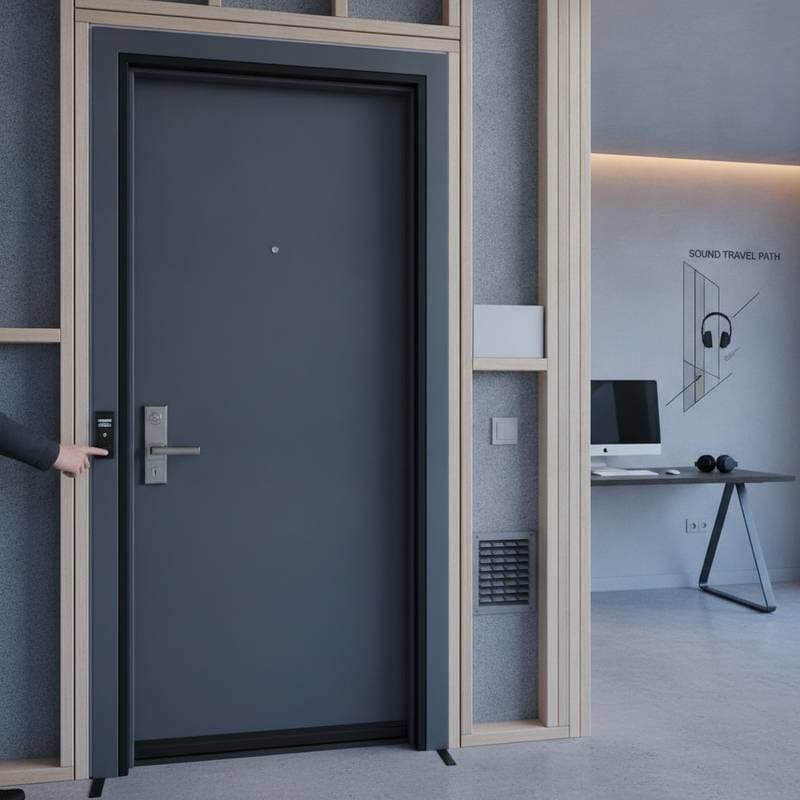
Acoustic doors function by blocking and absorbing sound waves to minimize transmission. Unlike standard interior doors with hollow cores that permit easy passage of noise, these models employ dense materials and multi-layered builds to suppress vibrations. Key elements include sound-sealing gaskets, substantial cores, and reinforced frames, which together achieve up to 85 percent noise reduction when installed correctly.
Noise reduction levels hinge on the door's Sound Transmission Class (STC) rating, where higher numbers indicate superior isolation. Conventional interior doors typically score 20 to 25 on this scale, whereas acoustic doors for home offices range from 35 to 45. This upgrade can convert a bustling home into a serene environment, ensuring crisp audio for calls and meetings.
Material Choices and Core Construction
Acoustic doors vary by material, each offering unique benefits in sound control and visual appeal.
- Solid Wood: Its inherent density delivers robust sound blocking alongside timeless aesthetics. Ideal for traditional settings, these doors allow refinishing or staining to align with current interiors.
- Engineered Wood with Acoustic Core: Constructed from layered veneers encasing a solid or composite center, they provide a cost-effective mix of stability, reduced weight, and effective noise dampening. Pre-finished surfaces resist warping and simplify upkeep.
- Composite or Metal-Core Doors: Featuring metal reinforcements or dedicated acoustic panels, these prioritize maximum isolation. Their added heft suits demanding applications like recording spaces or busy professional areas.
Perimeter seals play an equally vital role. Gaps as small as one-eighth inch can undermine performance, so premium doors integrate compression seals on the sides and adjustable sweeps at the base for a secure fit.
Comparing Options for Home Offices
| Door Type | Initial Cost | Lifespan | Maintenance | Best For |
|---|---|---|---|---|
| Hollow Core | Low | Moderate | Minimal | Temporary setups or quiet environments |
| Solid Wood Acoustic | Mid to High | Long | Occasional refinishing | Stylish home offices with solid sound blocking |
| Engineered Acoustic | Mid | Long | Low | Versatile residential use |
| Metal-Core Acoustic | High | Very Long | Minimal | Studios or high-distraction zones |
This comparison highlights trade-offs in expense and durability. Solid wood and engineered variants meet most home needs, while metal-core doors excel in extreme isolation scenarios.
What to Expect During Installation
Acoustic door installation demands greater precision than standard setups due to the need for airtight seals. Start by measuring the frame accurately; even minor discrepancies can compromise results. Replace any damaged or ill-fitting frames to support optimal performance.
Key installation steps include:
- Site Assessment: Inspect wall thickness, frame integrity, and surrounding trim. Acoustic installations may necessitate sturdier jambs or expanded frames to accommodate seals.
- Frame Preparation: Remove outdated components if needed, then level and secure the new frame to eliminate potential vibration points.
- Door Hanging: Attach the door with heavy-duty hinges rated for its weight, ensuring even support.
- Seal and Sweep Installation: Apply gaskets around the perimeter and fit bottom sweeps to block airflow and sound.
- Finishing Touches: Add trim and fine-tune for seamless operation without friction.
Professional installation maximizes effectiveness and upholds warranties, though experienced DIYers can manage with careful attention to alignment. The outcome often yields a substantial drop in ambient noise.
Balancing Cost, Comfort, and Performance
Selecting an acoustic door involves weighing upfront expenses against enduring advantages. Though pricier than basic doors, these investments yield quieter sessions, lower stress levels, and enhanced call clarity that boost daily output.
Additionally, the solid build and snug seals contribute to minor energy savings by maintaining consistent room temperatures. In multi-person households, these doors foster better boundaries, making the cost worthwhile over time.
Maintenance and Long-Term Care
These doors demand minimal ongoing effort. Clean surfaces regularly and inspect seals annually to detect wear. For wood varieties, refinish every few years to guard against moisture and preserve looks.
Engineered or composite doors clean easily with a soft cloth and mild soap; steer clear of abrasives that might harm finishes or gaskets. Address sound leaks promptly through hinge tweaks or sweep replacements to sustain peak function.
Matching Your Needs and Lifestyle
Tailor choices to specific circumstances, such as work demands, room placement, and home dynamics. For moderate noise, a mid-tier door suffices; for intense distractions, prioritize elevated STC ratings and advanced sealing.
- In shared living spaces: Engineered cores offer reliable performance at a reasonable price.
- In loud settings: Reinforced designs with threshold systems provide comprehensive protection.
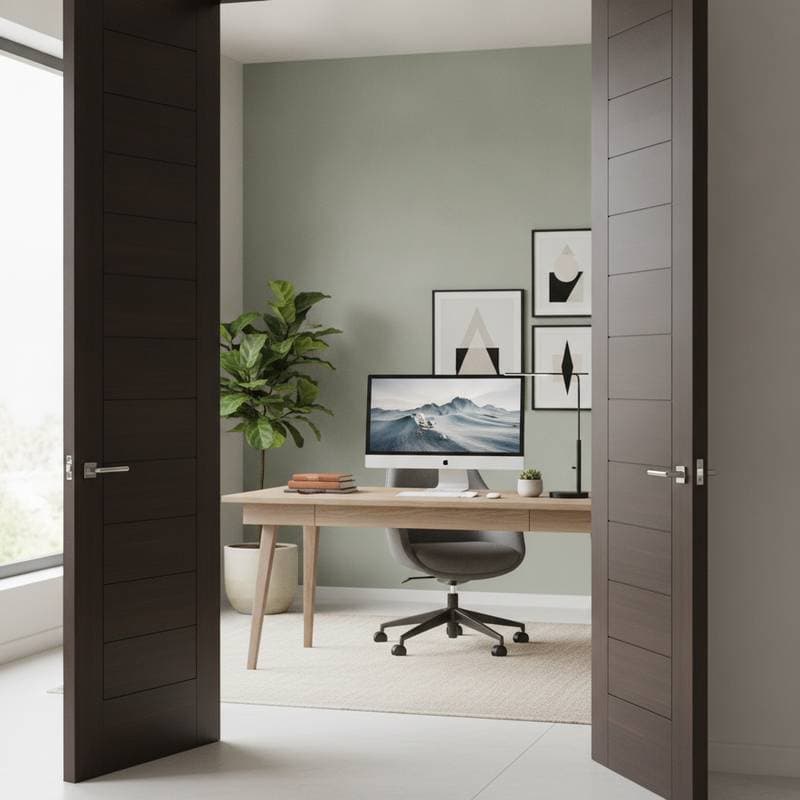
- For style-focused users: Veneered options in panel or flush styles integrate seamlessly while delivering quiet.
Many models support glass panels with sound-rated laminates, allowing natural light without sacrificing silence.
Quality Checkpoints Before and After Installation
Post-installation verification ensures reliability.
- Visual Inspection: Confirm edges and bottom align tightly with no gaps.
- Sound Test: Isolate the room and gauge reduction from typical noises like voices or appliances.
- Seal Compression: Verify the door engages seals firmly yet effortlessly.
- Swing and Alignment: Test for smooth motion free of binding.
During the process, insist on certified hardware and seals from the manufacturer to avoid performance shortfalls.
Planning for Future Flexibility
Durable by design, acoustic doors adapt well to changing uses. Opt for versatile finishes and hardware to facilitate transitions, such as shifting from office to entertainment space, without added modifications.
Making the Right Choice
The ideal acoustic door elevates a home office from distracting to dedicated, minimizing interruptions and amplifying focus. Consider your routine, budget, and space constraints to select a model that delivers lasting tranquility and efficiency.