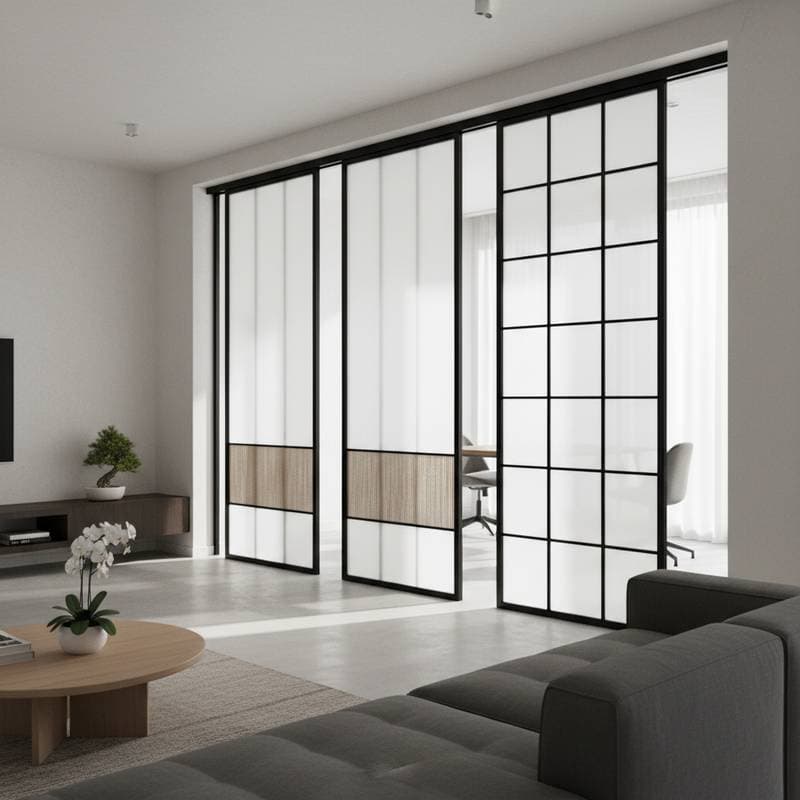
Japanese Shoji Doors: A Timeless Upgrade for 2026 Interiors
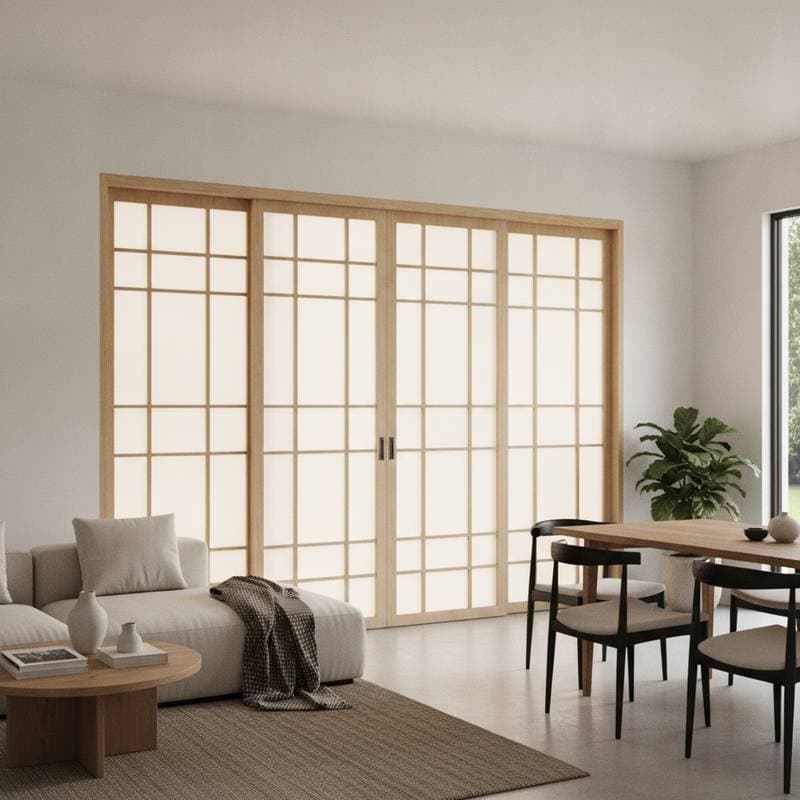
Japanese shoji doors emerge as a premier choice for homeowners seeking to infuse natural light, serene aesthetics, and efficient space use into their living areas. These sliding panels feature wood frames paired with translucent paper or acrylic inserts, fostering a harmonious blend of openness and privacy that suits both contemporary and classic settings. Ideal for renovations in compact apartments or expansive residences, shoji doors enhance room connectivity and overall flow.
Costs Associated with Shoji Door Installation
Installation of shoji doors generally ranges from $600 to $2,500 per door, influenced by dimensions, material selections, and regional labor expenses. Prefabricated options start at $300, whereas bespoke, handcrafted versions may exceed $3,000. The overall expense hinges on panel quantity, wood quality, and the decision between traditional rice paper and resilient synthetic alternatives.
| Material/Service | Cost Range | Key Features |
|---|---|---|
| Prefabricated Shoji Door | $300 to $800 | Standard dimensions, simple setup, light weight |
| Custom Wood Frame Shoji Door | $1,200 to $3,000 | Personalized sizing, high-grade hardwoods, unique finishes |
| Synthetic Panel Replacement | $200 to $500 | Tough acrylic or resin materials, easy care |
| Professional Installation | $200 to $700 per door | Encompasses alignment, fitting, and track setup |
These figures account for materials and labor, though adjustments for trimming or modifications could increase the total. Interior contractor Hiroshi Tanaka of Kyoto Interiors notes, "Homeowners often underestimate how much precise fitting affects the final look. A perfectly aligned track system is what makes shoji doors glide smoothly and last longer."
Unique Qualities of Shoji Doors
Shoji doors distinguish themselves through translucent panels that soften incoming light, providing seclusion without sacrificing illumination. Frames typically employ lightweight woods like pine, cedar, or birch, with contemporary variants incorporating bamboo or composite woods for enhanced strength. While traditional washi paper offers authentic texture, modern substitutes such as synthetic sheets withstand wear and environmental factors better.
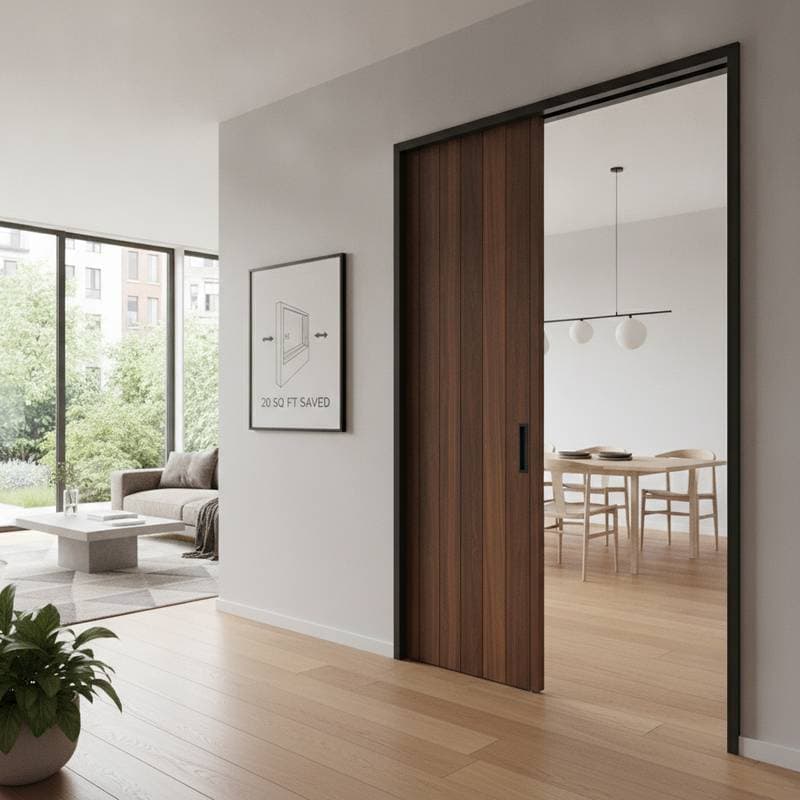
In contrast to swinging doors, shoji panels traverse tracks, conserving floor space and enabling adaptable configurations. This versatility proves invaluable in confined studios, compact homes, or fluid open layouts. Beyond entryways, they function effectively as partitions, wardrobe closures, or light filters for windows, merging ornamentation with utility.
Elements Affecting Shoji Door Expenses
Multiple considerations shape the pricing of a shoji door initiative:
-
Size and Setup of Doors
Expansive spans or multi-panel arrangements demand additional resources and effort. For instance, a trio of panels might double the price of a solitary slider. -
Selection of Wood
Economical softwoods such as pine provide basic durability at lower rates. Opting for robust hardwoods like maple or oak extends service life but elevates costs by 20 to 30 percent. -
Composition of Panels
Classic rice paper remains budget-friendly yet fragile. More expensive acrylic or fiberglass options endure longer, particularly in damp conditions. -
Standards of Tracks and Fittings
High-quality aluminum or steel tracks ensure effortless operation and prolonged reliability. Budget an additional $100 to $300 for superior components. -
Specialized Treatments
Applications like stains, protective coatings, or intricate lattice motifs enhance aesthetics and safeguard the wood, potentially raising expenses by 10 to 25 percent.
Options for Installation: DIY Versus Expert Help
Mounting shoji doors appears manageable, yet accuracy remains essential. Tracks require exact leveling, and panels demand snug integration to avoid binding. Opting for self-installation might reduce outlays by $200 to $500, but experts guarantee optimal positioning and sustained efficacy. Individuals lacking background in woodworking or framing benefit most from hiring professionals.
Two primary installation approaches exist:
- Ceiling-Suspended Systems: Panels suspend from overhead tracks, yielding a levitated effect that suits sleek designs.
- Ground-Directed Systems: Panels follow floor tracks, facilitating integration into pre-existing frames with minimal disruption.
Each technique presents distinct demands on the structure, underscoring the value of contractor advice prior to material acquisition.
Contemporary Design Choices for Shoji Doors
Shoji doors transcend their origins in Japanese architecture, adapting to diverse modern palettes through bold woods, opaque acrylics, and streamlined grids. Consider these favored styles:
- Sleek Black Frames: Deliver striking outlines that harmonize with subdued palettes and streamlined furnishings.
- Organic Bamboo Accents: Introduce subtle warmth and grain to spare environments.
- Opaque Acrylic Surfaces: Balance resilience with the diffused radiance of heritage paper.
- Bespoke Grid Patterns: Feature linear or offset motifs to craft distinctive focal elements.
Interior designer Mika Sato from Tokyo Design Group observes, "Homeowners appreciate how shoji doors create fluid movement between rooms. They allow spaces to breathe while still feeling private and intimate."
To integrate shoji doors seamlessly, assess your room's lighting and traffic patterns. Pair minimalist frames with high-contrast walls for drama, or select natural tones to soften industrial edges. Experiment with panel counts to divide areas without enclosing them fully, promoting a sense of expansion.
Upkeep Strategies for Shoji Doors
Preserving shoji doors involves routine, undemanding practices. Dust frames weekly using a soft cloth or microfiber tool to maintain smooth traversal. Clean inserts lightly with a moistened cloth, steering clear of abrasive cleaners that might fade or compromise integrity.
Traditional rice paper necessitates insert renewal every three to five years, contingent on light and moisture levels. Synthetic versions endure up to a decade with basic attention. Clear tracks quarterly via vacuum or brush to eliminate particles that hinder motion.
Proactive care extends lifespan: Apply wood conditioners annually to frames in dry climates, and inspect seals around inserts for gaps that invite dust. In high-traffic zones, reinforce tracks with lubricant sprays designed for sliding mechanisms.
Addressing Repairs and Replacements
Typical concerns encompass ripped inserts, distorted frames, or resistant slides. Small perforations yield to patch kits with matching paper, but widespread harm calls for full panel swaps. Distortion stems from humidity or faulty mounting; address it promptly to prevent escalation.
If panels jam or tilt, inspect for track wear or misalignment. Simple fixes include tightening hardware, but persistent problems warrant expert intervention for track renewal or frame straightening. Early detection through monthly checks averts costly overhauls.
Steps to Integrate Shoji Doors Effectively
Incorporate shoji doors to revitalize ambiance and optimize spatial dynamics. Start by precise measurements of openings, prioritizing durable panels suited to your climate. Weigh installation approaches against your skill set and financial plan.
These elements position shoji doors as a judicious choice for enduring style and utility. They deliver prolonged allure and adaptability, elevating daily living with subtle sophistication.