Acoustic Sliding Doors: Enhancing Modern Homes with Superior Sound Control
Open floor plans dominate contemporary home designs, yet they often amplify noise transmission between spaces. Sliding doors provide an elegant solution for dividing rooms while preserving openness, but traditional models fall short in sound isolation. Advanced acoustic sliding doors address this issue effectively, reducing noise by up to 85 percent through innovative engineering that maintains visual appeal and functionality.
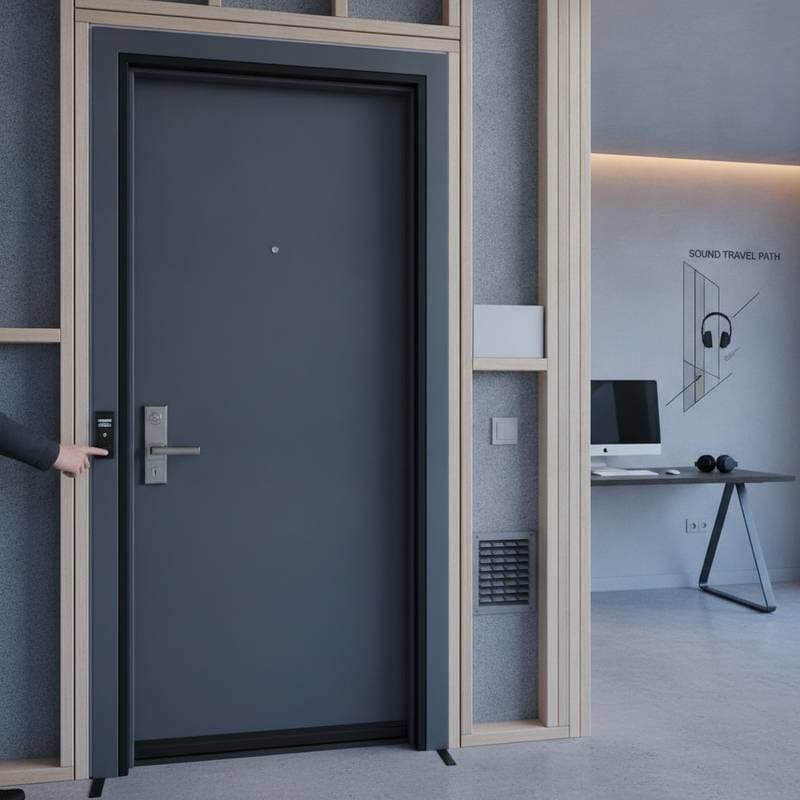
These doors incorporate dense core materials, airtight seals, and vibration-dampening tracks to block sound effectively. Homeowners benefit from increased privacy in areas such as bedrooms, offices, and entertainment zones without sacrificing the seamless flow of modern interiors.
Budget-Friendly Implementation ($1,000 to $2,500)
Select medium-density fiberboard (MDF) cores paired with acoustic seals and standard aluminum tracks for reliable performance at a lower cost. Prefinished surfaces eliminate the need for on-site finishing, saving time and labor expenses. Prioritize high-quality gaskets around the perimeter to seal gaps and enhance soundproofing.
Allocate resources to laminated glass inserts, which add an extra layer of noise reduction for airborne sounds traveling between rooms. This approach delivers solid results for everyday use in family homes.
Balanced Mid-Range Options ($2,500 to $5,000)
Choose solid wood veneer or composite cores with dual rubber seals and concealed tracks to achieve a refined appearance and improved acoustics. Incorporate double-layer panels filled with mineral wool insulation or acoustic foam to absorb vibrations more effectively.
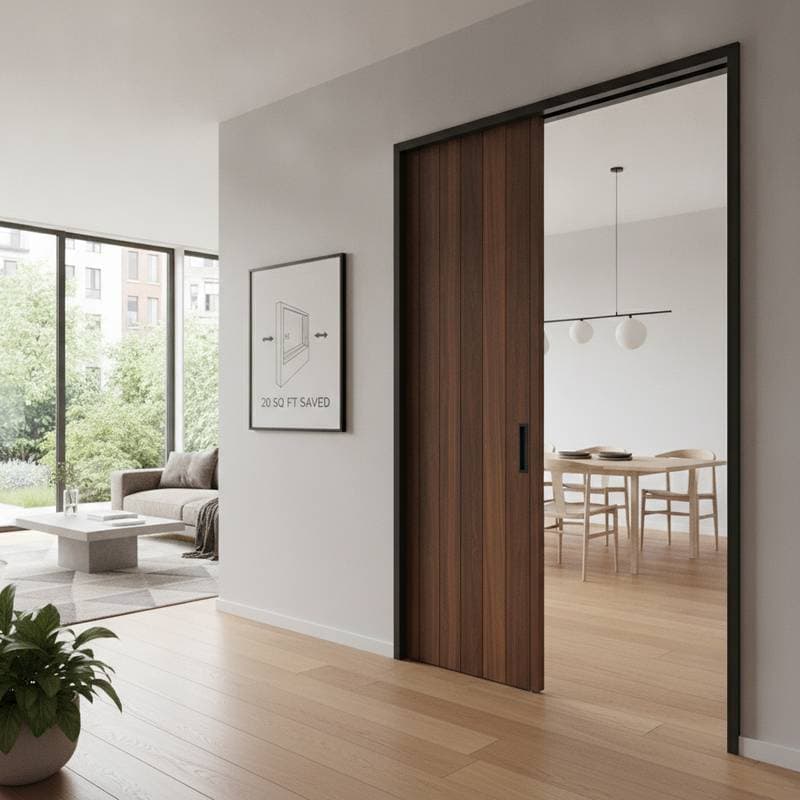
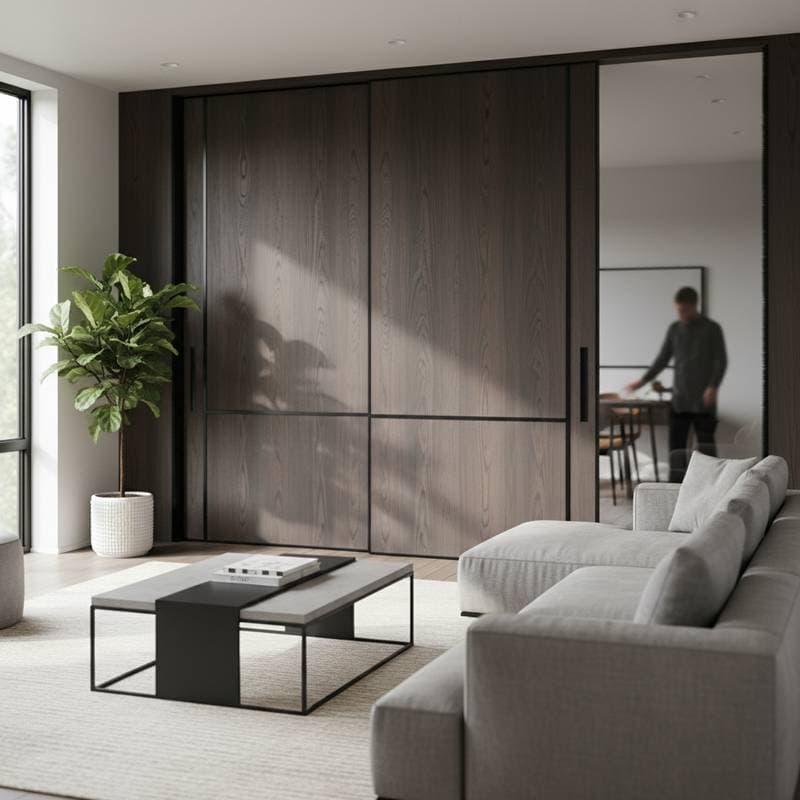
Invest in flush-mounted or frameless designs featuring black or bronze trims. These elements integrate smoothly with minimalist or transitional styles, creating a cohesive look that elevates the overall space.
Premium Investment Choices ($5,000 to $9,000)
Opt for engineered timber or steel-framed constructions with integrated acoustic glass and soft-seal mechanisms for maximum durability and performance. Include hidden floor guides and magnetic seals to ensure effortless operation and complete sound isolation.
This level suits high-noise environments, such as urban apartments or dedicated studios. The enhanced insulation not only boosts comfort but also contributes to higher property resale value over time.
Selecting Materials and Finishes
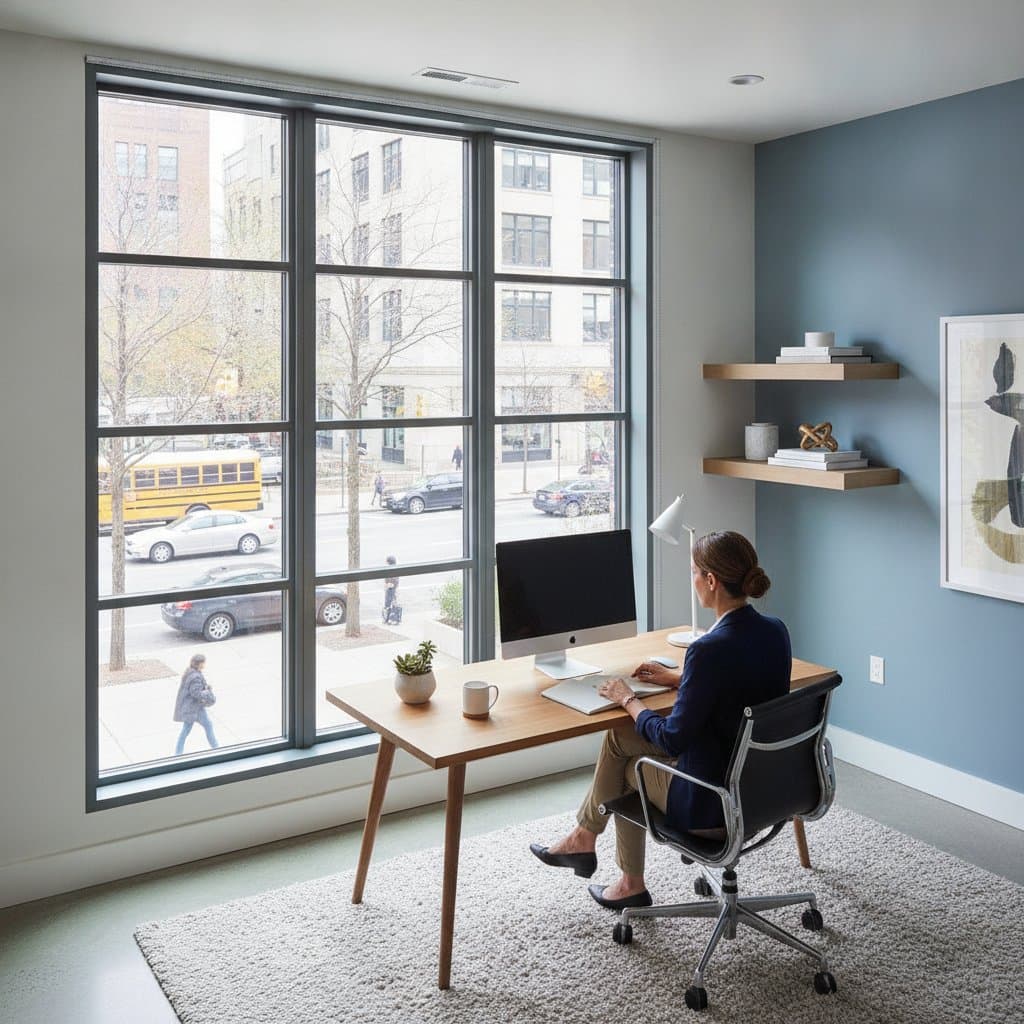
Coordinate doors with nearby windows by specifying double- or triple-glazed units featuring laminated acoustic glass. Dark frames in black or bronze complement the modern lines of acoustic sliding doors, promoting a unified exterior.
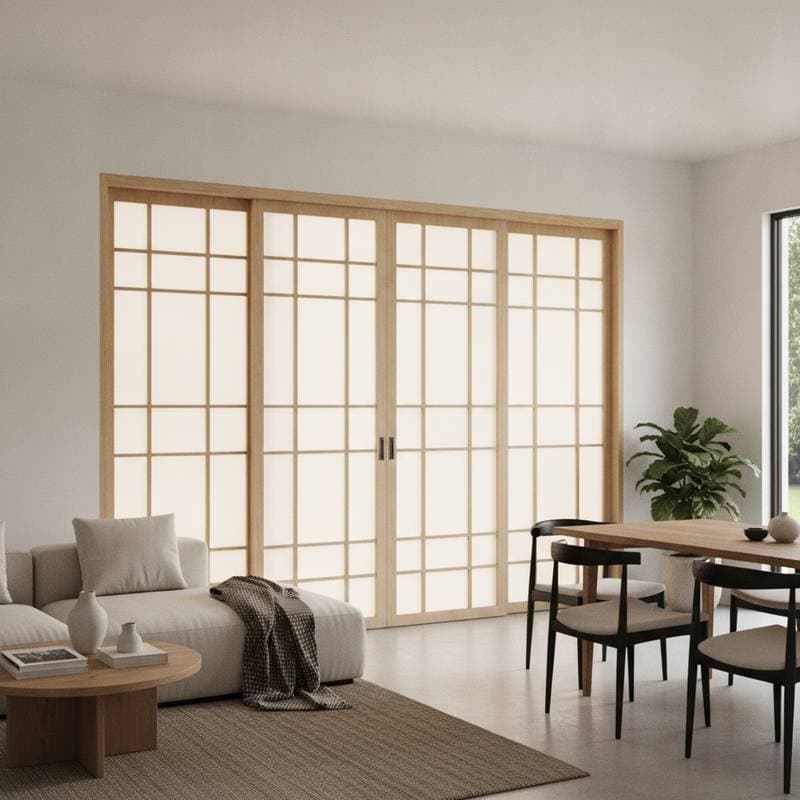
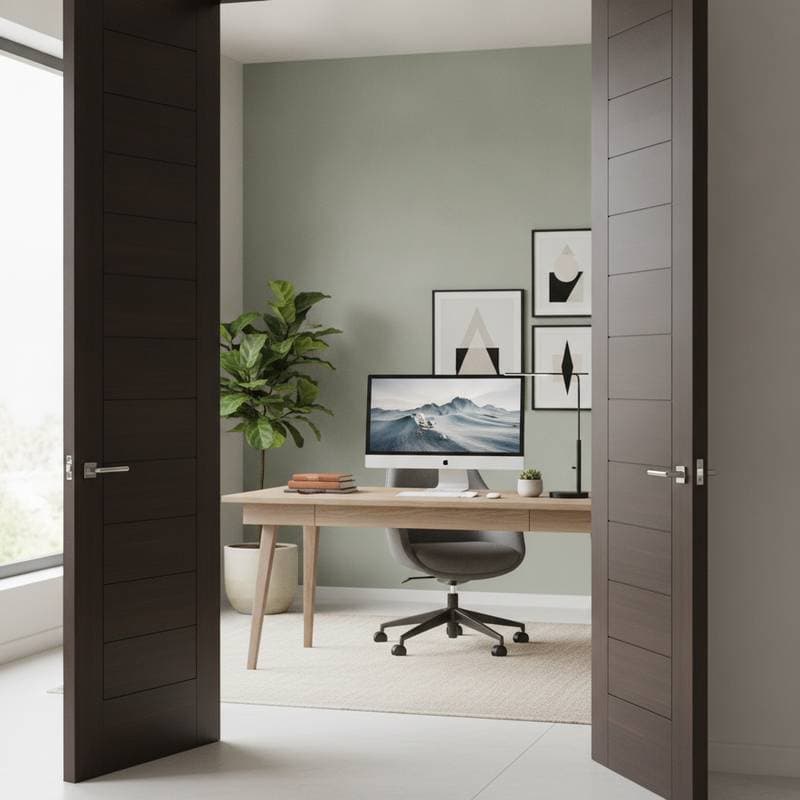
For the doors themselves, solid-core or multi-layer builds provide the necessary mass for sound blocking. Finishes in white oak, walnut, or matte black lacquer adapt to various aesthetics. Frosted or tinted glass inserts preserve privacy while permitting diffused natural light.
When doors lead to outdoor areas, pair them with fiber cement or composite siding in neutral shades like soft gray or warm beige. This setup highlights the doors as a focal point without overwhelming the facade.
Match hardware to existing metal elements using satin nickel, matte black, or antique brass. These choices blend contemporary precision with subtle warmth.
Essential Maintenance Practices
Regular upkeep preserves the acoustic integrity of sliding doors. Inspect seals and tracks biannually to detect wear that could compromise performance.
Clean tracks each month using a soft brush or vacuum to ensure smooth movement. Apply mild cleaners to wood or veneer surfaces with a soft cloth, avoiding abrasives that might damage finishes.
In humid climates, employ dehumidifiers to prevent material expansion. Wipe metal components frequently to remove dust, which can hinder gliding mechanisms.
Common Pitfalls to Avoid
Steer clear of hollow-core doors, as they provide negligible sound dampening and may warp under regular use. Insist on solid or composite cores for sustained effectiveness.
Ensure frames receive proper insulation during installation. Without acoustic seals on tracks and edges, even superior doors lose efficiency to sound leaks.
Address potential sound pathways like shared HVAC ducts or ceiling openings. Combine door upgrades with targeted acoustic treatments in connected areas for comprehensive results.
Harmonizing Colors and Styles
Thoughtful color selection amplifies the calming effect of acoustic doors. Align palettes with the home's existing scheme to foster seamless transitions.
Recommended Combinations:
- Matte black paired with warm walnut for striking modern depth.
- Soft gray accented by brushed nickel for understated elegance in contemporary settings.
- Natural oak alongside white trim to evoke bright Scandinavian simplicity.
- Deep charcoal with bronze details for bold urban sophistication.
- Cream tones with light ash woodgrain for serene coastal or transitional vibes.
Pre-Installation Planning Guide
Capture detailed photographs of existing interiors and exteriors from various perspectives to guide selections. Note architectural features like ceiling heights and floor levels.
Review local regulations or homeowners association rules regarding exterior modifications. Consider regional climate to select weather-resistant materials such as composites for coastal areas.
Establish a clear budget to balance acoustic enhancements with aesthetic improvements. This preparation streamlines collaboration with installers and minimizes revisions.
Achieving Tranquil Home Environments
Acoustic sliding doors transform challenging open layouts into balanced, quiet sanctuaries. They deliver substantial noise reduction while supporting light flow and design continuity.
From economical MDF configurations to sophisticated engineered systems, each option prioritizes both function and form. Proper planning and maintenance ensure these installations provide enduring benefits, from sharper focus in work areas to deeper relaxation in living spaces.