Achieving 95% Noise Reduction with Acoustic Doors in Offices
Peaceful workspaces foster concentration, alleviate tension, and facilitate effective interactions. In thoughtfully planned offices, intrusive sounds from adjacent areas, corridors, or external sources frequently disrupt operations. Acoustic doors serve as a robust solution, capable of blocking up to 95% of noise through specialized engineering that controls sound transmission while preserving design and usability.
Principles Behind Acoustic Door Functionality
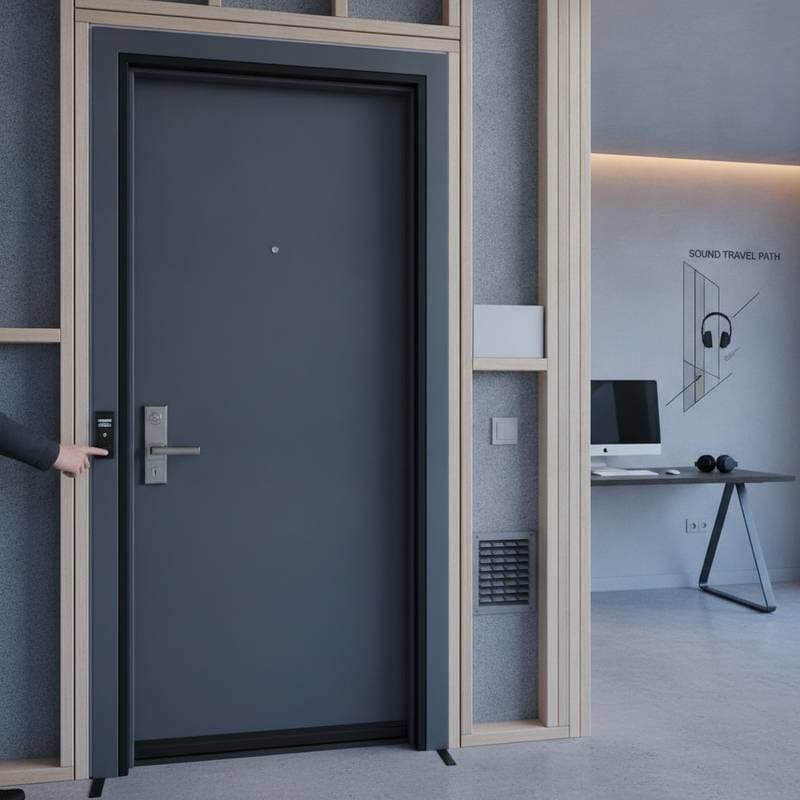
Acoustic doors minimize sound wave penetration by eliminating gaps and utilizing resonant-dampening materials. Standard hollow doors lack this capability, whereas acoustic variants incorporate dense cores, compression seals, and advanced assembly methods to limit vibrations. Their effectiveness hinges on the Sound Transmission Class (STC) rating, where elevated values signify superior isolation.
Core materials in these doors include solid timber, fabricated wood panels, or synthetic composites layered with absorptive elements. Frames, gasketing systems, and mounting techniques significantly influence outcomes. A minor clearance beneath the door can undermine results, underscoring the importance of acoustic sills and comprehensive edging seals.
Material Comparisons for Acoustic Performance
Various materials provide unique benefits, tailored to priorities in sound management, expense, and visual integration.
| Door Type | Initial Cost | Lifespan | Maintenance | Best Applications |
|---|---|---|---|---|
| Solid Wood | Moderate to High | Long | Periodic refinishing | Premium offices prioritizing organic style and robust isolation |
| Engineered Wood | Moderate | Long | Low | Contemporary settings with humidity fluctuations |
| Composite Core | Moderate | Long | Low | Environments demanding reliable sound control |
| Metal or Laminate | Low to Moderate | Long | Low | High-traffic industrial or business areas |
Solid wood options excel in upscale interiors, yet engineered and composite alternatives deliver comparable or superior insulation via optimized density and sealing. Prioritize core mass and gasket integrity over mere exterior treatment for peak results.
Essential Elements for Superior Sound Isolation
-
Core Density Optimization
Dense constructions, such as particleboard or mineral-infused layers, excel at impeding airborne noise by curtailing oscillations. -
Sealing Mechanisms and Automatic Drops
Perimeter gaskets and self-deploying bottom seals engage upon closure, forming an airtight barrier to prevent auditory escape. -
Structural Frame and Hardware Durability
Rigid frames minimize shifts, while reinforced hinges sustain alignment, ensuring sustained efficacy. -
Precision Mounting Techniques
Expert fitting preserves gasket pressure and seals potential breaches, maximizing the door's inherent capabilities.
Assessing Acoustic Door Specifications
Interior acoustic doors typically achieve STC ratings from 30 to 55. An STC of 30 suits basic partitioning in open-plan areas, providing adequate moderation. Ratings of 40 to 45 ensure robust seclusion for conference rooms or individual offices.
For demanding applications like audio production or high-level executive areas, STC values of 50 or above deliver comprehensive isolation. Selection should align with the space's acoustic sensitivities; for instance, a collaborative zone near high-activity areas warrants mid-tier ratings, whereas a residential study bordering lively communal spaces benefits from advanced levels to safeguard focus.
Integrating Cost, Design, and Utility
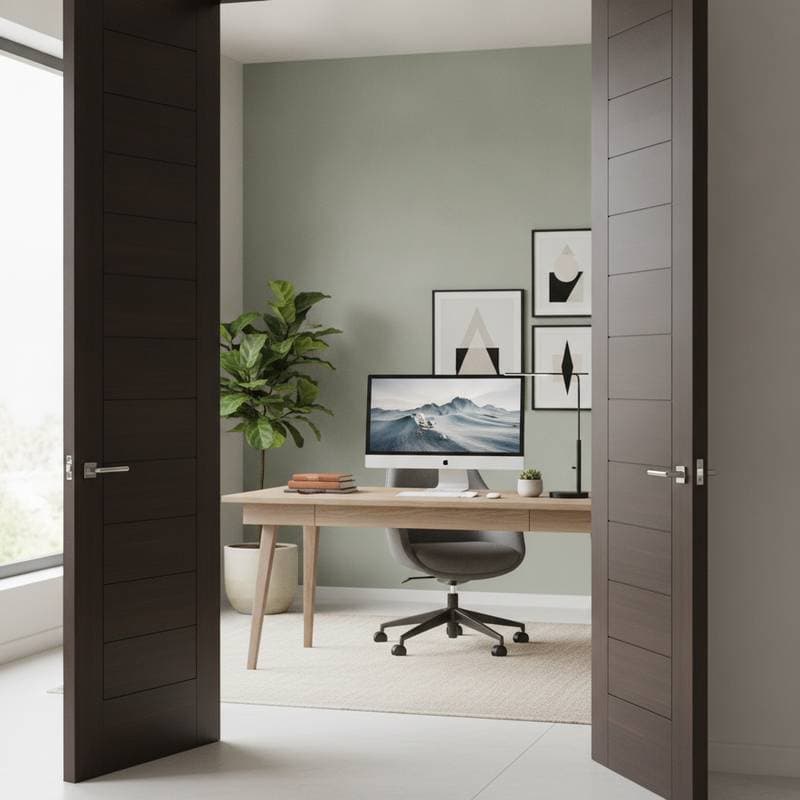
Acoustic doors command a premium over conventional types, yet they yield substantial returns through heightened output, secured discussions, and elevated occupant satisfaction. Producers frequently provide customizable veneers that harmonize with prevailing wood grains or contemporary surfaces, upholding architectural cohesion.
Practical factors demand attention alongside acoustic merits. Substantial doors necessitate enhanced hardware and framing reinforcements. Thicker profiles may influence accessory choices. Prior to acquisition, confirm compatibility with current structural dimensions and operational flows.
Installation Procedures for Optimal Results
-
Initial Evaluation and Strategy
Survey target areas for sound vulnerabilities, including adjacent surfaces that could propagate noise. Acoustic doors integrate most effectively within broader mitigation strategies. -
Site Preparation Measures
Conduct exact measurements of apertures to guarantee snug integration. Verify wall stability to accommodate increased mass without compromise. -
Core Installation Sequence
Position the door in a calibrated acoustic jamb, affix edge seals, and calibrate bottom mechanisms for flush floor contact. -
Performance Testing
Ensure seamless operation with even perimeter resistance. Auditory checks for drafts or vibrations reveal any imperfections; effective units exhibit a hushed, secure latch. -
Ongoing Upkeep Protocols
Periodically examine gaskets and pivots for wear. Renew seals proactively and clear obstructions to sustain closure integrity.
Sustaining Acoustic Doors Over Time
These doors endure for years with basic care, including seal inspections and surface wiping to avoid particulate interference. Refinishing requires verification that alterations preserve original sound properties.
Beyond mere quietude, such installations promote cognitive clarity, assured exchanges, and holistic wellness. In domestic setups, they delineate professional zones, fostering equilibrium between duties and relaxation.
Selecting the Ideal Acoustic Solution
Key decision factors include:
- Privacy Requirements: Elevate STC for intensive isolation, accepting higher expenses and heft.
- Design Alignment: Coordinate textures with interior palettes, from traditional woods to sleek laminates.
- Financial and Durability Balance: Weigh initial outlay against prolonged reliability.
- Site-Specific Adaptations: Evaluate aperture metrics, pivot orientations, and fixture synergies.
- Operational Demands: Opt for resilient components in frequent-use scenarios.
Complement doors with insulating barriers, absorptive panels, or upholstered elements for amplified control. This holistic method yields comprehensive acoustic enhancement.
Securing Lasting Acoustic Excellence
Collaborate with seasoned providers to align selections with verified metrics, fitting protocols, and care guidelines. Methodical evaluation empowers creators of serene, efficient realms that embody comfort and sophistication. The optimal acoustic door fortifies not just silence but the privacy and poise essential to superior environments.