Reduce Germs by 99 Percent with Antimicrobial Door Hardware
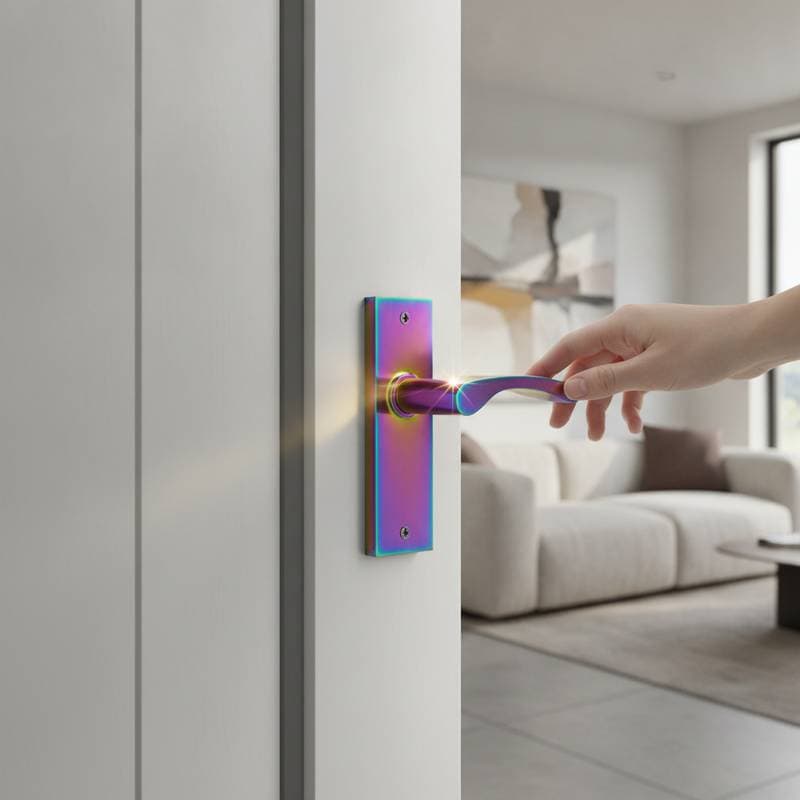
Door handles rank among the most touched surfaces in homes and buildings. These points of contact link rooms and facilitate movement, yet they also accumulate bacteria, viruses, and other contaminants from hands and air. Antimicrobial door hardware addresses this challenge by integrating germ-resistant properties into everyday fixtures, enabling cleaner surfaces in residential and commercial settings without reliance on frequent chemical disinfectants. Such hardware combines robust construction with inherent antimicrobial action to limit microbial spread while preserving an attractive and reliable finish.
How Antimicrobial Hardware Functions
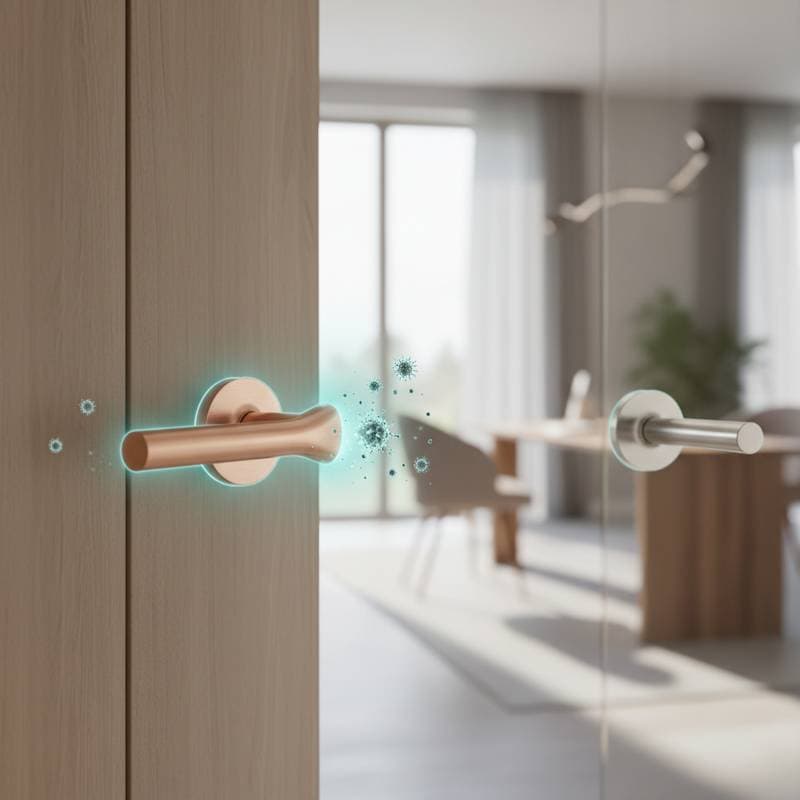
Antimicrobial door hardware inhibits the proliferation of bacteria, viruses, and fungi directly on its surface. Manufacturers achieve this through base materials or applied treatments that disrupt microbial cell walls, enzymes, or reproduction processes. Common choices include pure copper, which releases ions that penetrate and destroy bacterial membranes; brass, an alloy of copper and zinc with similar effects; and stainless steel embedded with silver particles for sustained antimicrobial activity.
Copper excels due to its proven natural properties, documented in studies showing rapid germ kill rates even after thousands of touches. These solutions outperform one-time cleaners because the antimicrobial effect persists through normal use. Effectiveness varies by material quality, installation precision, and exposure to moisture or cleaners, yet certified products consistently achieve up to 99 percent reduction in viable microbes on contact surfaces.
Material Comparison for Informed Selection
Each antimicrobial material presents unique benefits, costs, and care needs. Homeowners and facility managers can evaluate options based on budget, aesthetic goals, and usage intensity to select hardware that aligns with specific environments.
| Material | Initial Cost | Lifespan | Maintenance | Best Applications |
|---|---|---|---|---|
| Copper | Moderate to high | Long | Periodic polishing for shine | Residential homes and professional offices seeking natural protection |
| Brass | Moderate | Long | Occasional cleaning against tarnish | Classic interiors with warm, golden hues |
| Silver-infused stainless steel | High | Very long | Minimal; soft cloth wiping | Modern high-traffic areas like hospitals or gyms |
| Antimicrobial-coated metal | Low to moderate | Medium | Periodic recoating if worn | Cost-effective upgrades in rentals or budgets |
Copper hardware strikes an optimal balance, offering potent germ resistance alongside enduring strength; its developing patina enhances visual appeal without diminishing efficacy. Brass provides a cost-effective alternative with comparable longevity, ideal for traditional decor. Silver-infused steel suits demanding settings due to its resistance to corrosion and scratches, though at a premium price. Coated metals serve as entry-level choices, but users must monitor for wear, as exposed base metal loses protective qualities.
Step-by-Step Installation Guide
Installing antimicrobial door hardware mirrors standard procedures, with added care to protect sensitive surfaces during handling. This process ensures secure fit and maximum hygiene performance from day one.
-
Assess and Plan: Survey high-contact doors, such as front entries, restrooms, and kitchens, where germ reduction yields the greatest impact. Review door thickness and existing hole spacing to confirm compatibility.
-
Gather Materials: Select hardware with matching bore sizes and screw lengths. Acquire tools like screwdrivers, a drill for adjustments, and lint-free gloves to avoid oils on antimicrobial finishes.
-
Remove Old Hardware: Unscrew and gently detach existing knobs or levers, supporting the door to prevent sagging. Clean the door surface lightly if residues remain.
-
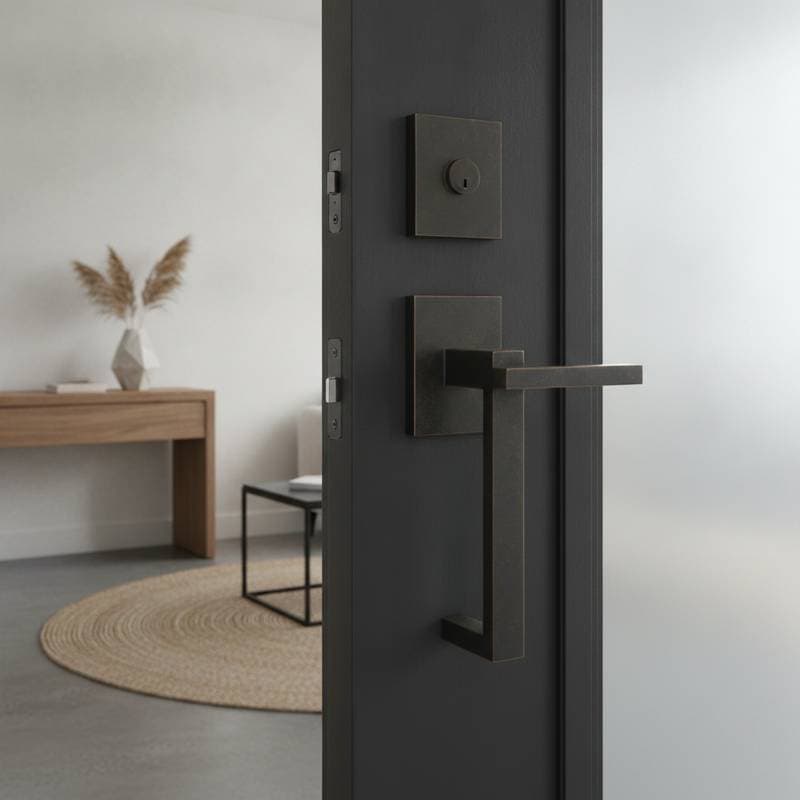
Mount New Components: Align the new hardware template if provided, then secure the latch and strike plate. Attach handles using provided fasteners, tightening evenly to avoid stress on the material.
-
Test and Finish: Operate the door multiple times to verify smooth latching and no binding. Remove any temporary coverings and buff with a microfiber cloth for a pristine start.
Homeowners with basic skills can complete this in under an hour per door using common tools. For complex setups or multi-door projects, consult a licensed installer to guarantee precision and warranty validity.
Everyday Advantages in Hygiene and Convenience
Antimicrobial door hardware fosters a healthier living space by minimizing microbial transfer between rooms and users. It pairs well with habits like thorough handwashing and ventilation strategies, amplifying overall sanitation efforts. In households with young children or vulnerable adults, these fixtures lower illness transmission risks during daily routines.
Commercial spaces benefit similarly, as reduced germ loads support employee well-being and compliance with health guidelines. Beyond protection, the hardware maintains visual consistency, blending into decor without drawing attention. Users enjoy simplified upkeep, freeing time for other priorities while sustaining a fresh environment.
Essential Maintenance Practices
Antimicrobial properties thrive with proper care to keep surfaces clear of debris that might hinder contact killing. Clean regularly using warm water and mild dish soap applied with a soft cloth; rinse and dry immediately to prevent water spots. Steer clear of bleach, ammonia, or scrubbers, which erode finishes and impair germ resistance.
For copper and brass, embrace or manage the patina: a soft polish restores luster annually, but the underlying antimicrobial action endures unchanged. Silver-infused options demand even less intervention, typically just dust removal. Inspect quarterly for loose fittings or surface damage; tighten screws promptly and address scratches with manufacturer-approved touch-ups to preserve integrity.
Cost Analysis and Investment Rationale
Antimicrobial hardware costs 20 to 50 percent more upfront than standard varieties, with copper sets ranging from $50 to $150 per door. Over time, savings accrue from decreased disinfectant purchases and labor, potentially offsetting the premium within two years. In busy households or offices, extended intervals between sanitizing sessions enhance efficiency and reduce environmental impact from chemicals.
Strategic implementation maximizes value: prioritize high-touch areas for premium materials, reserving basics for infrequently used doors. Bulk purchases or promotions from trusted vendors further lower expenses. This approach delivers measurable health gains alongside practical economies.
Tailoring Choices to Your Needs
Effective selection hinges on evaluating daily patterns, design schemes, and occupant requirements. Active families might favor durable, low-fuss silver-infused steel for resilience against rough handling. Design enthusiasts could opt for brass to harmonize with vintage elements while securing hygiene.
Start small by upgrading one prominent door, observing integration and performance over weeks. Solicit feedback from household members on usability and appearance. This trial refines decisions for broader applications.
Securing Optimal Performance and Satisfaction
Partner with suppliers offering lab-tested products backed by performance data and warranties spanning five to ten years. Verify compliance with standards like ASTM for antimicrobial claims. Proper selection and care transform routine hardware into a proactive safeguard, elevating safety and serenity at every threshold.