Why Antimicrobial Door Hardware Shapes Hospital Design
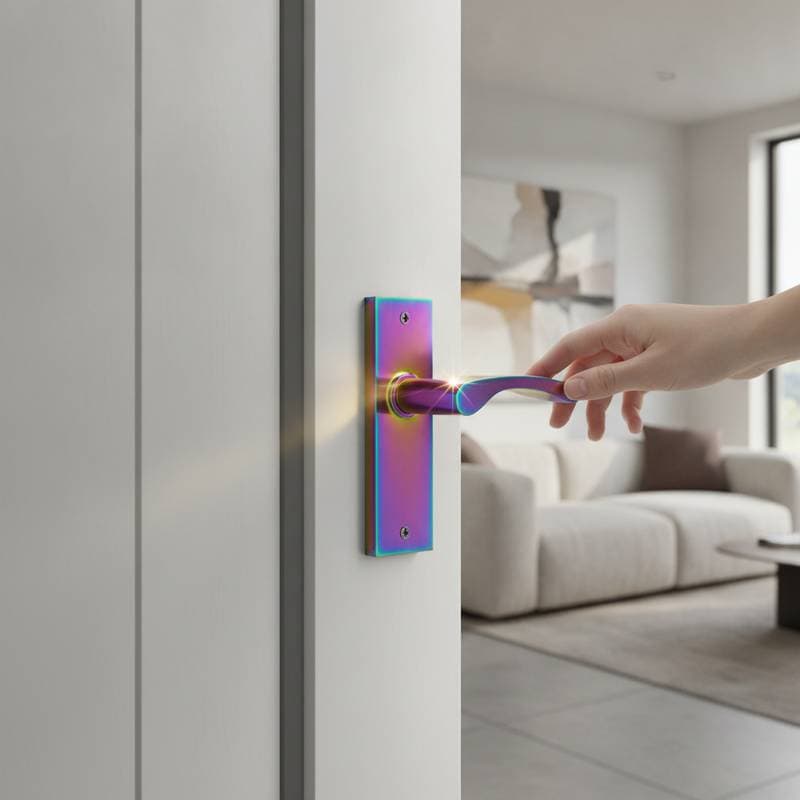
Hospital design prioritizes safety, cleanliness, and comfort for patients and staff. Recent emphasis falls on a seemingly minor element with significant impact on infection control: antimicrobial door hardware. Handles, pulls, and levers receive hundreds of touches daily from diverse individuals in rapid sequence, positioning them as key contact points for hygiene maintenance.
Bacteria-resistant finishes and hardware redefine infection prevention in healthcare facilities. Door hardware extends beyond visual appeal to form an integral part of design strategies that unite functionality, safety, and enduring performance.
Benefits of Antimicrobial Hardware
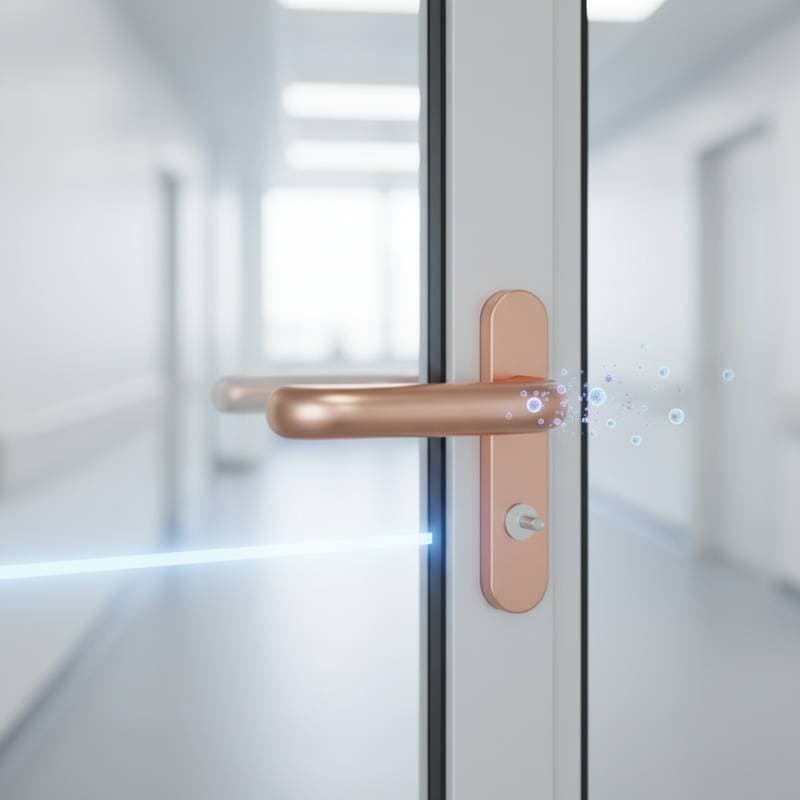
Hospitals represent high-traffic environments with persistent contamination risks. Conventional metal surfaces sustain bacteria for hours or days. Antimicrobial finishes, typically embedded with silver ions or copper alloys, interrupt bacterial proliferation directly on the surface. These materials supplement, rather than supplant, established cleaning procedures, providing passive defense during intervals between sanitations.
Design professionals value the adaptability of these solutions. Antimicrobial hardware appears in diverse finishes, including brushed stainless and matte black, enabling alignment with modern or classic aesthetics while upholding hygiene benchmarks.
Three Strategies for Implementation
Budget-Conscious Strategy ($100 - $500 per door)
- Select stainless steel handles treated with antimicrobial coatings during production.
- Target high-contact zones, including patient room entrances, restroom access points, and staff pathways.
- Prioritize hardware featuring sleek profiles that facilitate straightforward cleaning, compatible with routine upkeep.
Moderate Investment Strategy ($500 - $1,000 per door)
- Incorporate inherent antimicrobial alloys, such as copper-nickel combinations, for sustained bacterial resistance.
- Pair with soft-close hinges and lever designs to promote fluid operation and minimize surface degradation.
- Apply consistent hardware finishes across departments to foster visual unity and streamline sanitation efforts.
Premium Investment Strategy ($1,000 - $2,500 per door)
- Employ solid antimicrobial metal builds over mere coatings to ensure prolonged efficacy.
- Merge with touchless entry mechanisms and antimicrobial push plates for optimal hygiene safeguards.
- Explore bespoke finishes that align with interior schemes, preserving resilience amid intensive utilization.
Guide to Materials and Finishes
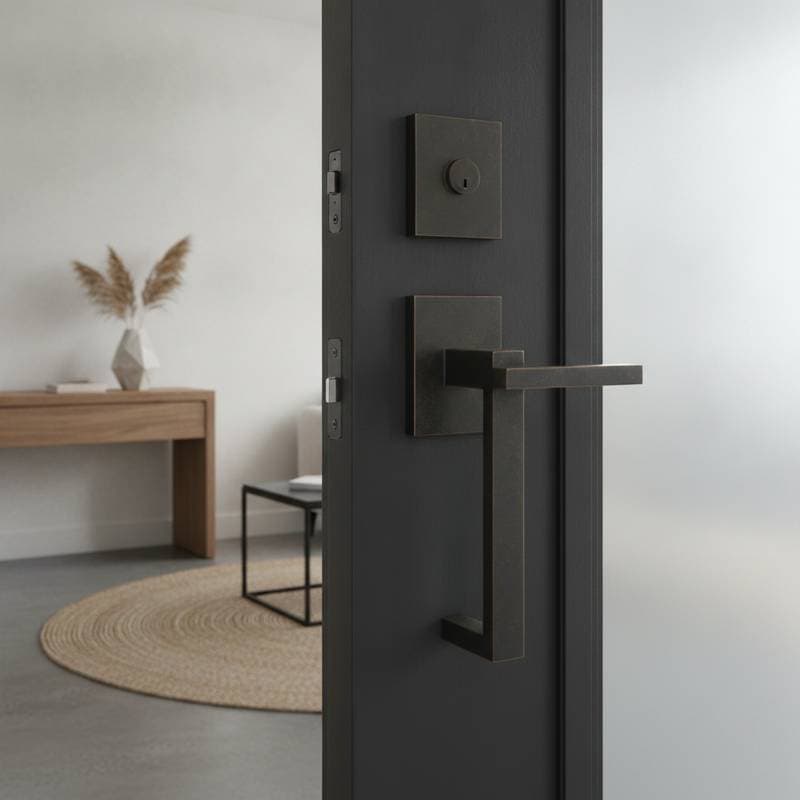
- Handles and Levers: Brushed stainless steel infused with silver-ion technology delivers a refined look resistant to smudges. Bronze or copper alloys provide inherent antibacterial qualities with a subtle warmth.
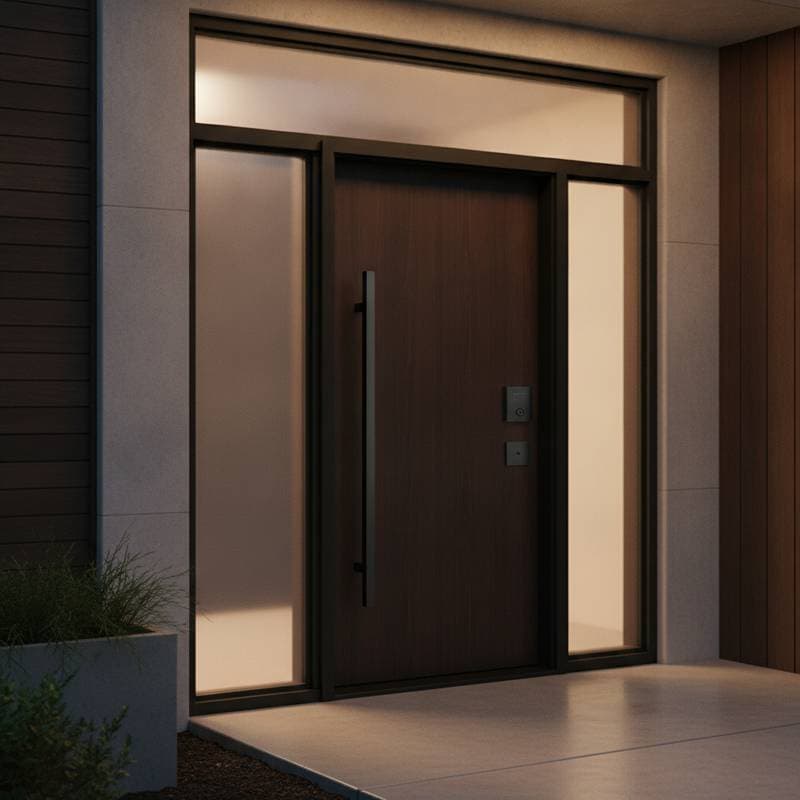
- Push Plates and Pulls: Solid antimicrobial metals suit entry doors, particularly in emergency areas or intensive care settings where bacterial resistance proves vital.
- Locksets and Hinges: Choose components blending antimicrobial treatments with corrosion protection to withstand moisture or chemical exposures over time.
- Door Frames and Trim: Opt for powder-coated frames in subdued hues like graphite, pearl white, or soft silver, which complement hospital palettes and require minimal upkeep.
Essential Maintenance Practices
Superior antimicrobial hardware demands consistent cleaning. These surfaces diminish bacterial persistence without eradicating it completely. Apply gentle disinfectants to safeguard coating durability. Steer clear of bleach formulations that erode finishes progressively. Routine inspections target wear in busy zones, where abrasion might diminish protective layers.
Common Pitfalls to Avoid
- Neglecting Finish Harmony: Assorted hardware styles generate visual disarray and erode the pristine look vital to healthcare settings. Maintain a unified finish scheme across the premises.
- Compromising on Quality: Inexpensive coatings erode swiftly under frequent handling. Select verified antimicrobial items backed by performance documentation.
- Disregarding Accessibility Needs: Verify lever configurations comply with ADA guidelines, ensuring antimicrobial applications preserve secure grip surfaces.
Harmonizing Colors and Styles
Achieve unified hospital aesthetics by matching brushed metal hardware to neutral walls in soft gray, pale blue, or ivory. Matte black levers create bold contrast on light doors, ideal for navigational clarity in select zones.
Preparation Checklist for Procurement
Prior to sourcing antimicrobial hardware, compile:
- Photographs of existing doors and handles from various departments
- Details on current hardware styles and compositions
- Established cleaning and maintenance procedures
- Compliance mandates and accessibility criteria for the facility
- Budget limits and focus areas for enhancements
Integrating Antimicrobial Hardware for Lasting Impact
Antimicrobial door hardware progresses from specialized choice to design staple in hospitals. It fosters sanitary conditions, bolsters longevity, and refines the visual quality of healthcare environments, ultimately elevating patient and staff experiences.