Why Barn Door Hardware Fails and Modern Alternatives for 2025
Barn doors have maintained popularity in contemporary design due to their combination of rustic simplicity and practical space-saving features. These doors add movement, texture, and architectural interest to spaces from minimalist lofts to farmhouse-style renovations. However, numerous homeowners encounter performance and durability shortcomings with barn door hardware. As preferences evolve toward cleaner aesthetics and quieter functionality, advanced sliding systems gain prominence. Recognizing the reasons for hardware failure informs smarter choices in upcoming interior projects.
Origins of Barn Door Appeal and Persistent Issues
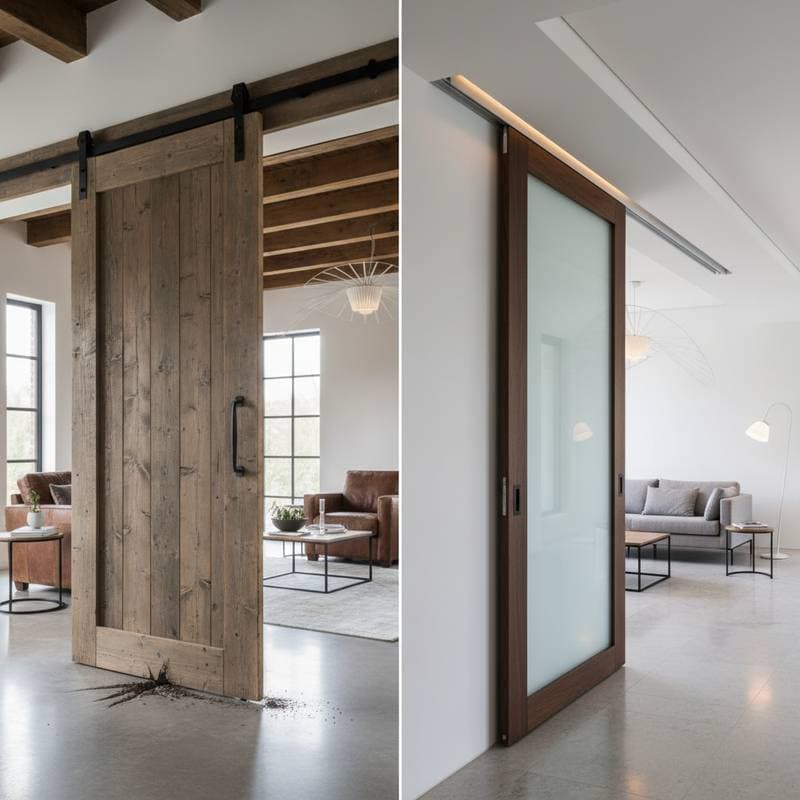
Barn doors initially captivated with their substantial visual presence and genuine tactile quality. Reclaimed wood panels gliding along black steel tracks generate immediate visual impact. What suits expansive lofts or rural farmhouses often falters in typical residential settings. Common complaints include operational noise, clearance obstacles, and accelerated wear following setup.
The core issue stems from the exposed-track configuration. Conventional barn door setups expose rollers, bolts, and rails to the elements. Dust accumulates rapidly, bearings lose lubrication, and doors develop instability if wall supports shift. These drawbacks extend beyond appearance; they disrupt fluid movement and risk harming adjacent drywall or molding. With growing priorities on serene environments and unobtrusive architecture, professionals increasingly recommend hidden sliding mechanisms that address these concerns while preserving design allure.
Transition to Advanced Sliding Solutions
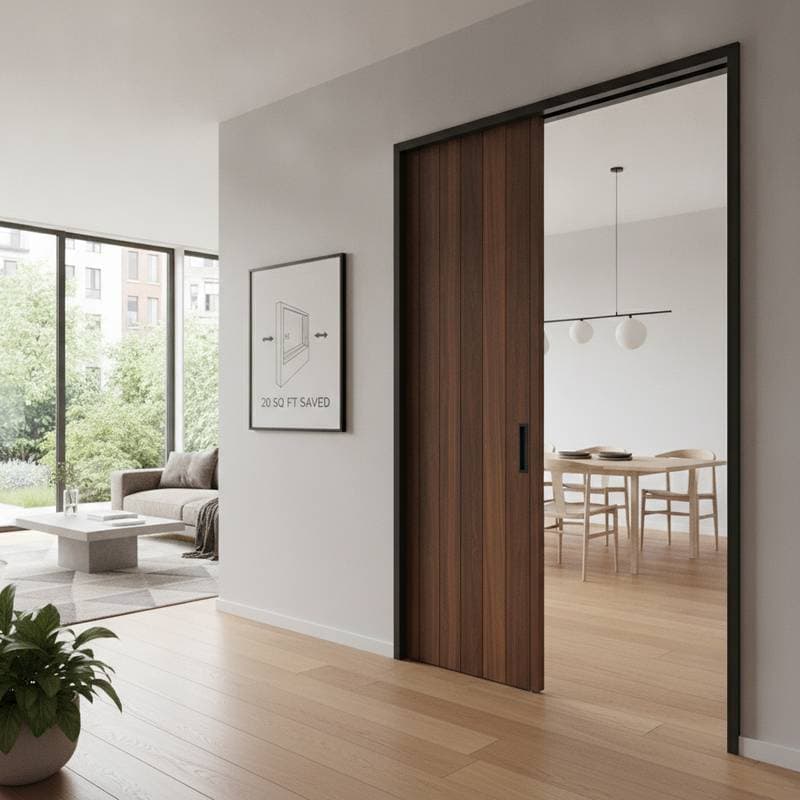
Contemporary sliding door innovations emphasize reliability, sound control, and fluid incorporation into surroundings. Mechanisms that integrate into walls or overhead rails enable doors to move without visible distractions. Although the barn door aesthetic endures in rustic or blended interiors, refined systems now provide equivalent utility with superior polish. Precision engineering marks the primary advancement. Enclosed rails employ specialized glides that shield components from debris, minimize resistance, and endure longer with basic care.
Practical Implementation Strategies
Budget-Friendly Option ($400 to $1,200)
Install a surface-mounted soft-close rail kit featuring a single bypass configuration. Select powder-coated steel in matte black or brushed nickel finishes for a subtle refresh.
Refinish an existing door panel with neutral paint or stain to harmonize with surrounding elements.
Prioritize silent rollers and durable handle assemblies. Reliable performance enhances overall satisfaction more than ornamental additions.
Intermediate Option ($1,200 to $2,800)
Opt for a hidden sliding rail that installs behind a valance or overhead frame.
Pair medium-density fiberboard or solid-core wood panels with recessed handles for a streamlined silhouette.
Incorporate soft-close mechanisms and base guides for consistent positioning. These elements lessen abrasion and ensure proper tracking.
Premium Option ($2,800 to $6,000)
Deploy a fully embedded pocket or overhead rail system equipped with built-in dampers.
Select high-end options such as white oak, walnut veneer, or aluminum-reinforced composites.
Integrate bespoke millwork to align with existing trim and conceal fasteners. This approach guarantees noiseless operation, enduring strength, and elevated design merit.
Guidance on Materials and Finishes
Windows: Align window framing with door surrounds for visual unity. Narrow black or bronze aluminum profiles enhance hidden rail setups, whereas soft gray or white painted wood frames suit updated farmhouse motifs.
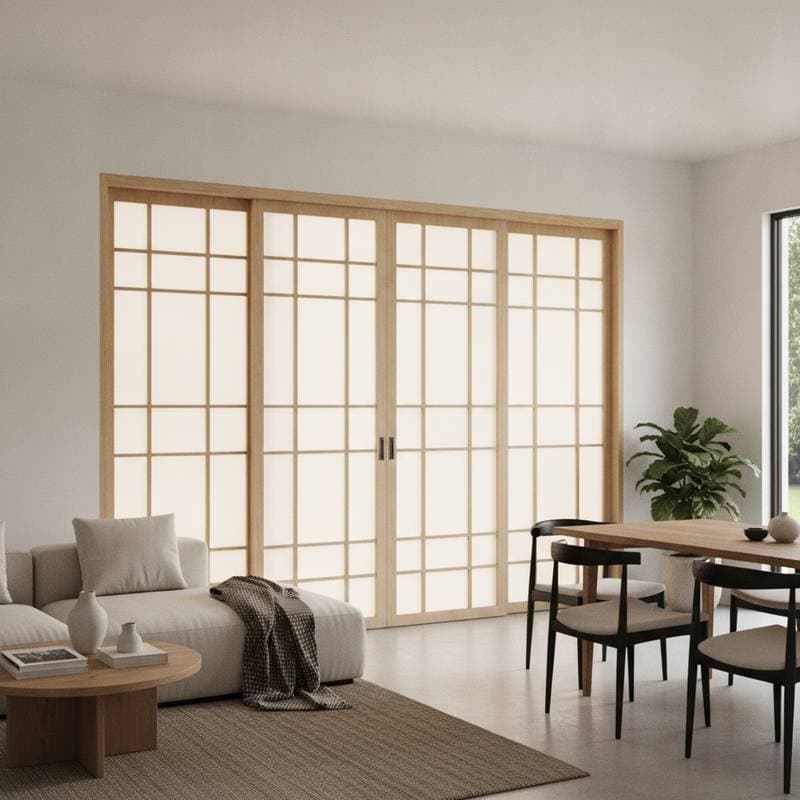
Doors: Favor flat panels with restrained detailing for a timeless appearance. Matte coatings or transparent stains highlight wood grain without dominating the area. Frosted glass panels work well in collaborative zones like offices or restrooms.
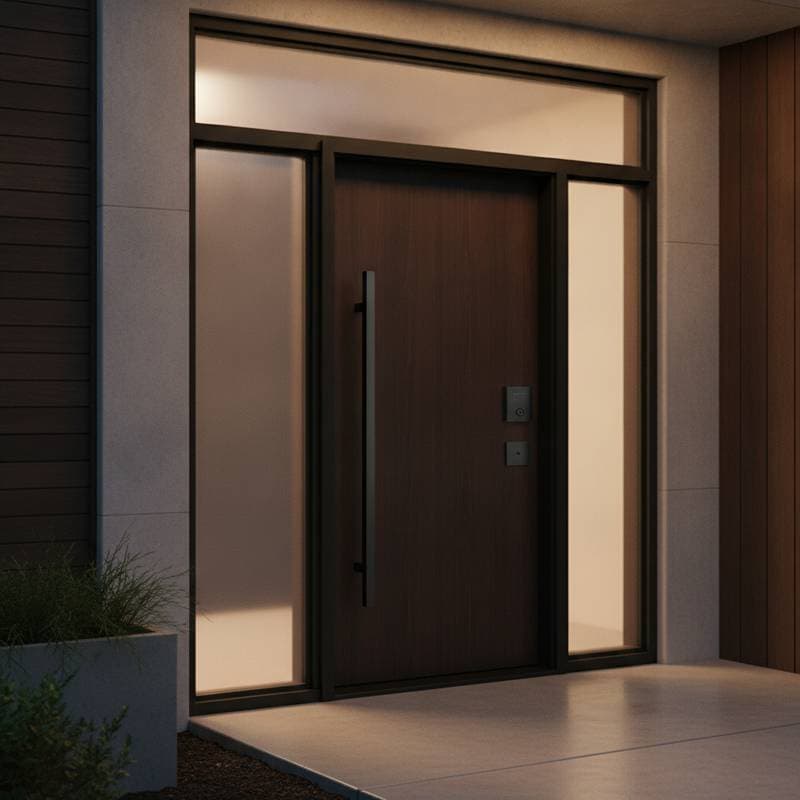
Siding: To extend barn influences outside, choose vertical composite or engineered wood in subdued shades like driftwood, sand beige, or charcoal. This links indoor selections to outdoor structures.
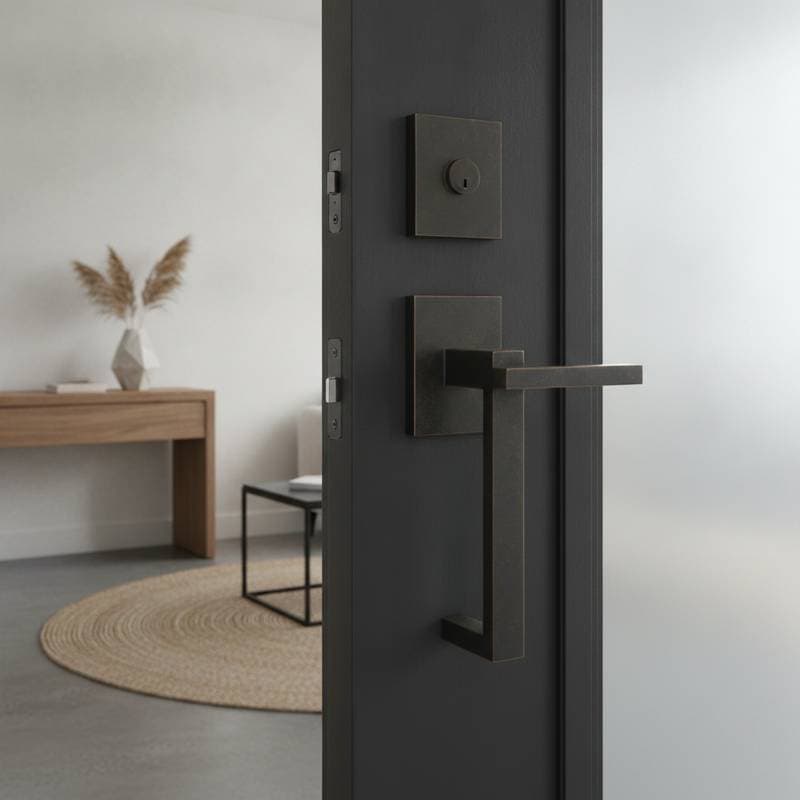
Trim and Hardware: Employ straightforward profiles. Flat or square-edged surrounds around openings bolster modern contours. Black or brushed metal pulls finalize the ensemble without excess prominence.
Essential Maintenance Considerations
Standard barn door components require consistent attention. Exposed metal surfaces gather grime and demand periodic oiling. Oversight leads to creaking wheels and corroded rails, particularly in moist climates. Open attachments allow screws to slacken through routine handling.
Hidden rail designs encase all dynamic elements in protected pathways. They necessitate little surface wiping and seldom require realignment after proper initial placement.
Wood panels demand protection as well. Natural or stained surfaces benefit from resealing every few years to avert cracking or distortion. Painted versions risk flaking upon contact with walls or floors. Selecting friction-free systems limits interaction points and prolongs surface integrity. For ease, composite or veneered panels provide stability and straightforward upkeep.
Key Installation Pitfalls to Sidestep
-
Overlooking Structural Support: Mounting tracks solely on drywall without verifying stud locations leads to anchor failure under door weight. Secure into sturdy framing or install a reinforcing header.
-
Excessive Hardware Embellishment: Elaborate supports or large wheels overshadow walls and conflict with adjacent elements. Maintain simplicity to emphasize the panel.
-
Omitting Base Stabilizers: Lacking a floor or wall guide permits swinging and surface marring. Embed or affix guides to uphold straight paths and safeguard finishes.
-
Neglecting Space Requirements: Traditional setups demand wall area matching door width for complete travel. In compact rooms, pocket or suspended hidden rails preserve floor space.
-
Disregarding Acoustic Impact: Exposed doors seldom form airtight barriers. In noise-prone areas, select setups with edge seals or overlapping edges to dampen sound passage.
Harmonizing Colors and Styles
Updated palettes refresh barn-inspired elements while retaining coziness. Explore these pairings for equilibrium:
-
Charcoal Paired with Oak: Graphite rails alongside light oak panels offer a fresh rustic interpretation.
-
Soft White with Bronze: Neutral whites and warm metallics create versatile transitional aesthetics.
-
Natural Pine and Matte Black: Preserves rural essence with sharp delineation.
-
Dusty Gray and Brushed Steel: Suits sparse or factory-inspired environments.
-
Navy Accented by Brass: Introduces vibrancy without excess.
Unified schemes extend tones to fixtures, surrounds, and illumination. For comprehensive renovations, synchronize indoor hues with outdoor materials to foster cohesion. Consistent metallic details on frames, entrances, and lights boost quality perception and market appeal.
Preparation Steps for Visual Documentation
-
Capture existing indoor and outdoor images from multiple perspectives, including trim, hues, and adjacent surfaces.
-
Document the building's stylistic traits to align new elements with overall character.
-
Check local guidelines that could influence outdoor modifications to doors or windows.
-
Evaluate regional weather patterns to choose resilient options against moisture, fluctuations, or saline air.
-
Establish financial limits upfront, focusing on critical enhancements like silent mechanics for optimal outcomes.
Integrating Solutions for Lasting Impact
Barn doors transformed functional divisions into design highlights. As daily needs change, refined alternatives meet demands for subtlety and efficiency. Advanced rails, damping features, and cohesive detailing produce enduring elegance.
Merging innovative components with deliberate planning sustains barn aesthetics minus common defects. Optimal configurations operate silently, remain stable, and enhance diverse architectural contexts. For upcoming modifications, embracing concealed mechanisms signals a durable evolution in interior functionality.