Cost to Install Minimalist Barn Doors with Invisible Tracks in 2026
Minimalist barn doors rank among the top interior upgrades for homeowners seeking a clean, modern aesthetic without compromising functionality. The current trend favors invisible tracks that hide traditional sliding hardware, producing a seamless visual effect while preserving the space-efficient qualities of barn doors. For those planning an installation next year, consider the following details on costs, design selections, and setup procedures.
Average Cost Overview
Installation costs for a minimalist barn door with invisible tracks generally fall between $1,100 and $3,800, varying by door material, dimensions, and hardware specifications. The door panel alone accounts for $500 to $1,200, while track hardware and professional labor add $700 to $2,600.
| Component | Cost Range | What’s Included |
|---|---|---|
| Door Panel | $500 to $1,200 | Wood, composite, or glass door slab |
| Invisible Track Hardware | $400 to $1,000 | Concealed rail, mounting brackets, soft-close system |
| Labor | $300 to $1,600 | Mounting, alignment, finishing adjustments |
| Total Project | $1,100 to $3,800 | Full installation with materials and labor |
These figures represent typical residential setups for single doors. Configurations involving double or oversized doors increase expenses by $800 to $1,500.
Why Homeowners Choose Invisible Tracks
Standard barn doors feature exposed metal rails that contribute to a rustic or industrial vibe. Invisible track systems tuck the mechanics behind the door or into the wall space, yielding a minimalist style suited to modern, contemporary, and transitional settings.
Beyond aesthetics, these tracks deliver smoother operation, reduced noise, and enhanced dust resistance. Interior installer Ryan Delgado of Modern Door Systems in Seattle notes, “Invisible tracks help us deliver a cleaner finish and reduce the maintenance issues that come with exposed rails.”
Material Options and Their Cost Differences
Door material selection significantly impacts the overall expense, with each choice balancing durability, visual appeal, and upkeep needs.
| Material Type | Cost Range | Key Features |
|---|---|---|
| Solid Wood | $700 to $1,500 | Natural grain, premium finish, heavier weight |
| Engineered Wood | $500 to $1,000 | Stable core, veneer surface, affordable |
| Glass with Aluminum Frame | $800 to $1,800 | Modern appearance, light transmission, privacy options |
| MDF or Composite | $400 to $900 | Smooth paint finish, budget-friendly |
| Custom Veneer or Exotic Wood | $1,200 to $3,000 | Unique grain patterns, high-end design |
In minimalist spaces, painted MDF or engineered wood doors prevail due to their flat, even surfaces that pair well with hidden tracks. Glass varieties grow in use for home offices and bathrooms, where they allow light passage.
How Invisible Track Systems Work
These doors employ recessed or concealed mounting channels, often placed in the ceiling, wall pocket, or door header. Rollers travel along a hidden rail, enabling quiet sliding without exposed supports.
Two primary installation methods exist:
-
Ceiling-Mounted Concealed Tracks
The rail fits into a ceiling recess, giving the door a suspended, floating look. This approach suits new builds or extensive renovations, as it demands structural changes to framing. -
Top-Mounted Hidden Rails
The rail embeds into the door's upper edge, concealed by coordinating trim. Retrofitting proves simpler in established interiors, yet it retains a discreet profile.
Soft-close or self-centering additions enhance motion and safety, adding $150 to $400 to the cost.
Factors That Influence Cost
Several elements beyond materials and tracks shape the final price. Key influences include:
- Door Size and Weight: Bigger or denser doors necessitate robust hardware and extended labor.
- Wall Structure: Load-bearing reinforcements or blocking become essential if the wall lacks sufficient support.
- Finish and Detailing: Tailored painting, staining, or trim integration extends labor duration.
- Accessibility Features: Soft-close mechanisms, flush pulls, and motorized options elevate costs while boosting convenience.
- Installation Complexity: Overhead or in-wall concealment calls for meticulous woodworking and prolonged setup.
Experts suggest allocating an additional 10 to 15 percent for unforeseen framing or leveling corrections.
Comparing DIY vs. Professional Installation
Concealed tracks present greater challenges than standard barn door assemblies. Competent DIY enthusiasts may manage exposed rails, but hidden systems require precise carpentry and exact alignment to avoid operational flaws.
| Installation Type | Typical Cost | Skill Level | Key Considerations |
|---|---|---|---|
| DIY Visible Rail | $300 to $800 | Intermediate | Easier to mount, exposed hardware |
| DIY Invisible Track | $700 to $1,500 | Advanced | Requires wall modifications and accurate measurements |
| Professional Installation | $1,100 to $3,800 | Expert | Includes framing, alignment, finishing |
Professionals guarantee fluid gliding and full concealment, minimizing risks of structural harm and ensuring code adherence.
Design and Style Considerations
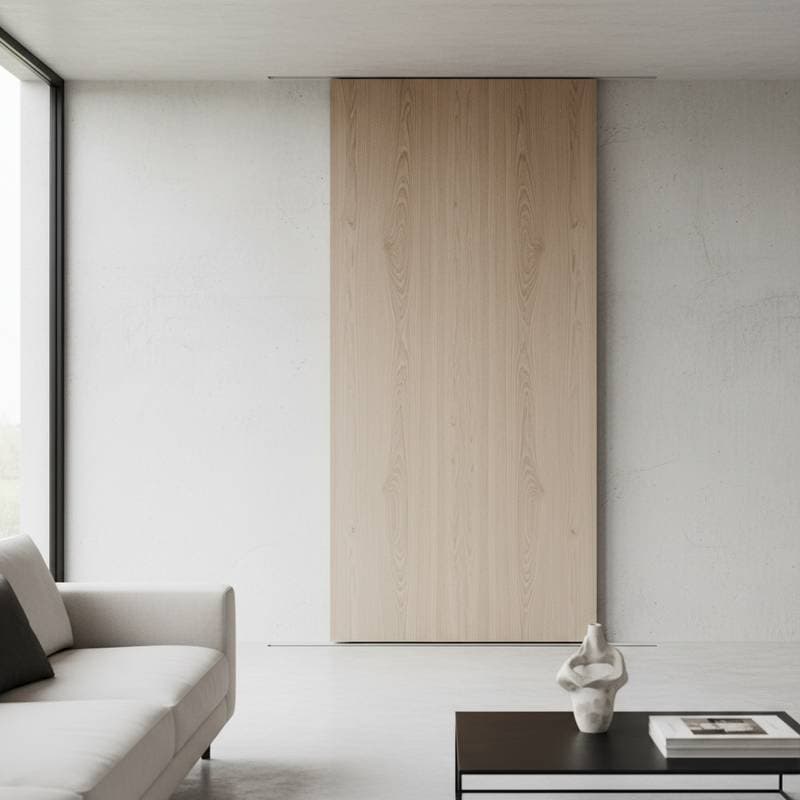
These doors thrive in environments with sharp lines and minimal clutter. Finishes such as matte white, natural oak, or black lacquer adapt to diverse schemes.
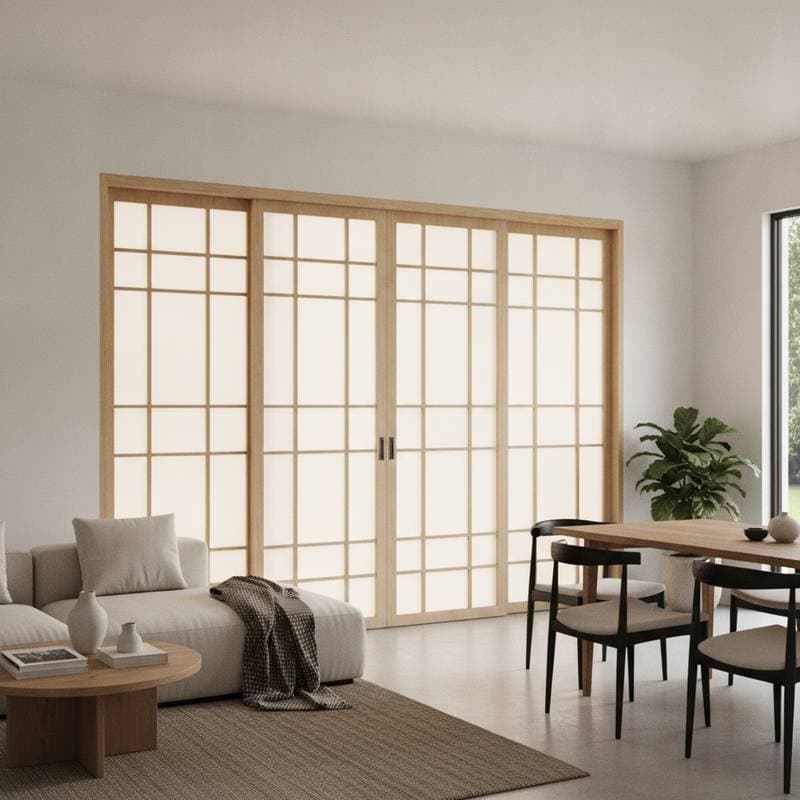
The floating effect from invisible tracks suits dividing open areas like living rooms and kitchens, preserving design continuity. Frosted glass provides seclusion without blocking illumination.
To achieve integration, align the door hue with adjacent walls or moldings. Flush handles preserve the unbroken surface and avoid snags on nearby items.
Expert Tips for Planning Your Project
Measure the doorway precisely and verify structural capacity for the track before purchase. Installers frequently add hidden metal brackets or reinforced headers behind drywall for stability.
Interior designer Melissa Grant of Studio Line Interiors recommends, “Plan your hardware early. Invisible tracks often require pre-framed cavities, especially if you want the rail integrated into the ceiling.” Consult specialists prior to drywall closure to sidestep expensive alterations.
Soft-close features merit inclusion in households with young children or animals, as they avert slams and prolong component durability. For glass doors, select vibration-dampening mounts to curb sound and abrasion.
Maintenance and Long-Term Care
These systems demand little routine care, though periodic attention sustains performance. Vacuum or brush the bottom guide quarterly to clear debris. Damp cloths suffice for track surfaces, preventing residue that impedes sliding.
Wood doors benefit from gentle polishing or refinishing every few years to sustain appearance. Clean glass with mild, non-scratching solutions for ongoing transparency. Uneven travel or noises often resolve with silicone lubricant on rollers.
Schedule yearly professional checks to spot tension or alignment shifts. Swift replacement of fatigued rollers or seals averts escalation.
Steps to Launch Your Installation
A minimalist barn door with invisible tracks elevates interiors through elegant utility. Define objectives first, such as subtle partitioning or bold focal points. Select materials harmonious with your scheme and tracks compatible with site constraints. Secure estimates from two or more certified professionals versed in hidden hardware.
Post-installation, the door enhances aesthetics and circulation. This upgrade merges utility with sophistication, ideal for contemporary living.