Why Brass Handles Complement Japandi Design Principles
Japandi design merges Japanese minimalism with Scandinavian functionality, prioritizing natural materials, clean lines, and serene simplicity. This aesthetic extends to every element, including door hardware, where details shape the overall harmony. Brass handles emerge as an ideal choice for Japandi doors, offering enduring durability alongside subtle elegance. Their popularity in 2025 stems from practical advantages and alignment with contemporary homeowner priorities.
The Warmth of Brass in Minimalist Interiors
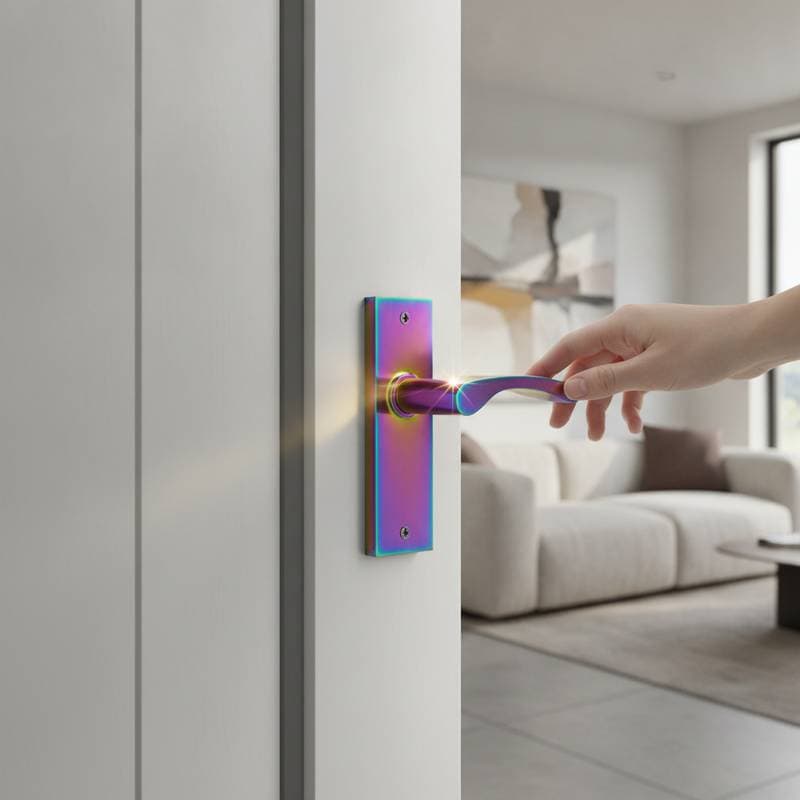
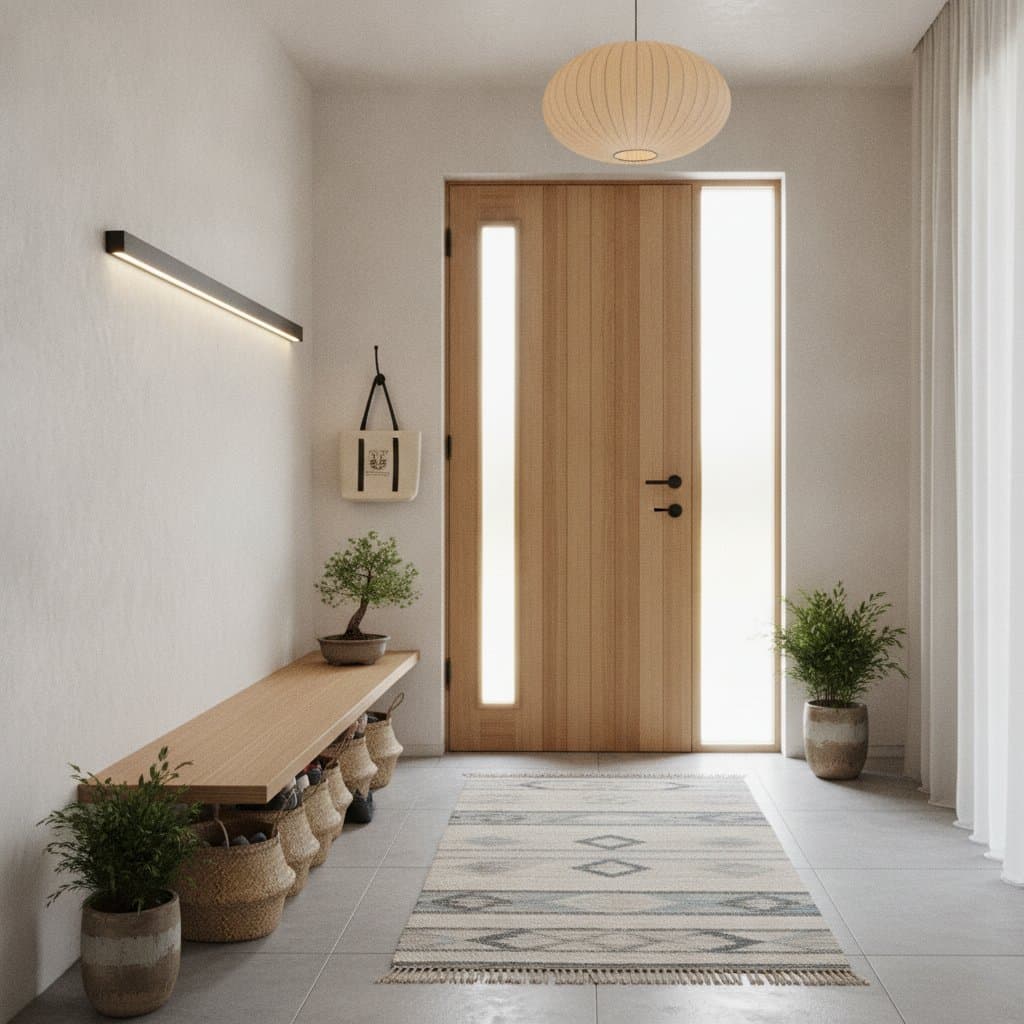
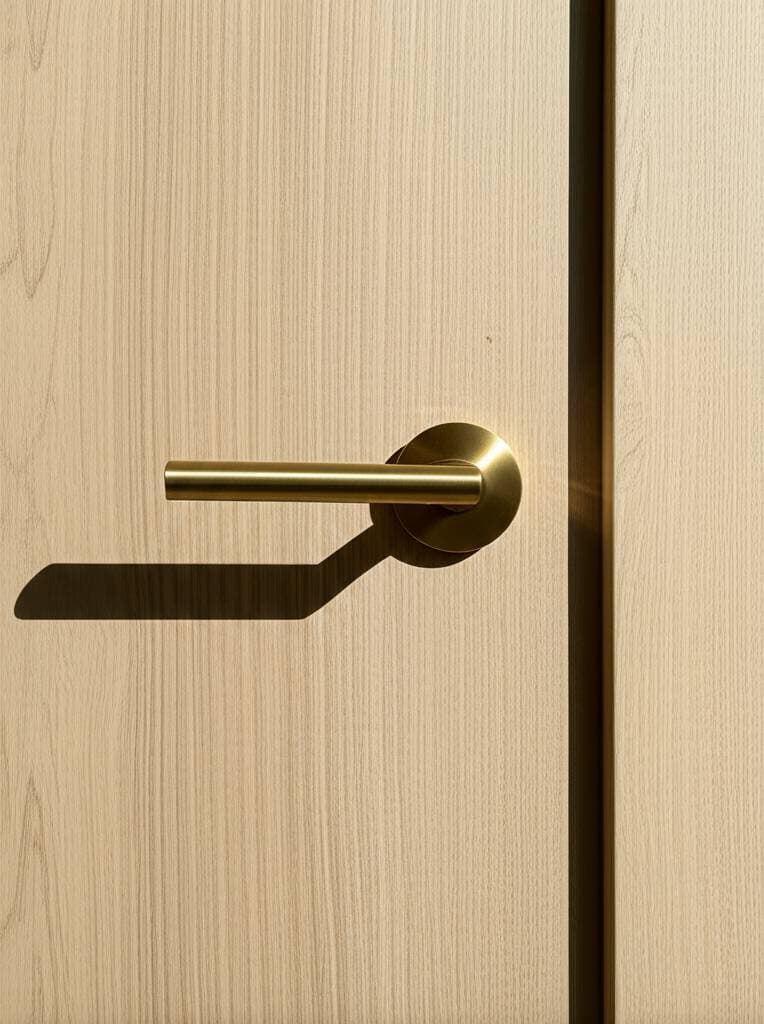
Brass introduces a gentle glow that pairs effortlessly with the wood tones prevalent in Japandi spaces, such as oak, ash, pine, and walnut. This metal avoids the harsh reflection of chrome or the chill of stainless steel, instead providing a balanced warmth that enhances the tactile quality of natural textures. The result fosters the tranquility essential to Japandi philosophy.
As brass ages, it forms a natural patina, echoing wabi-sabi principles that celebrate imperfection and the beauty of time. This gradual change ensures the handle evolves alongside the home, integrating daily life into the design rather than resisting it. Homeowners appreciate how this organic process adds depth without demanding perfection.
Practical Advantages for Everyday Use
Brass excels in functionality, making it suitable for demanding household environments.
- Corrosion Resistance: Brass withstands moisture and wear, performing reliably on interior and exterior doors alike.
- Simple Upkeep: Routine wiping suffices for cleanliness; options exist to polish for shine or embrace the patina for character.
- Pleasant Feel: Brass warms quickly to the touch, offering comfort during frequent handling.
- Natural Antibacterial Action: Its inherent properties reduce germ spread on high-contact areas like door handles.
These traits position brass as a practical selection for those seeking both style and reliability in their living spaces.
Brass Versus Alternative Finishes
Homeowners evaluating door hardware for Japandi interiors compare brass to other options based on performance and visual fit.
| Finish | Initial Cost | Expected Lifespan | Maintenance Level | Ideal Application |
|---|---|---|---|---|
| Brass | Medium to High | Decades | Low, patina builds | Warm, organic environments |
| Stainless Steel | Medium | Years | Straightforward | Sleek, high-traffic modern areas |
| Matte Black | Medium | Several Years | Shows fingerprints | Dramatic, understated accents |
| Chrome | Low to Medium | Moderate | Regular polishing | Reflective, high-contrast designs |
Brass distinguishes itself by blending seamlessly into Japandi's neutral palette, where alternatives might disrupt the serene balance.
Steps for Upgrading to Brass Handles
Upgrading Japandi doors with brass handles involves a structured process to achieve professional results.
- Assess and Plan: Measure door thickness and verify borehole dimensions. Select lever, knob, or pull styles suited to the door's purpose and traffic.
- Prepare the Surface: Detach existing hardware without scratching the wood. Clean thoroughly and confirm alignment for the new installation.
- Install Securely: Fit the brass handle, securing screws uniformly. Add backing plates for heavier doors to enhance stability.
- Verify Functionality: Operate the handle repeatedly to ensure smooth action and proper latch engagement.
- Finalize and Maintain: Clean the assembly and choose between protective lacquer or natural aging based on desired appearance.
Most installations complete in under an hour per door, delivering an immediate uplift to interior cohesion.
Aligning Brass with Japandi Lifestyle Values
Japandi extends beyond visuals to embody mindful living, where materials support calm and sustainability. Brass handles reinforce this through compatibility with organic elements like linen, stone, and timber. Their adaptability accommodates evolving decor without requiring full replacements.
The extended service life of brass minimizes environmental impact, aligning with principles of thoughtful consumption. Families value its robustness for active homes, while enthusiasts of refined design treasure the unique patina that personalizes each piece over years.
Selecting the Ideal Brass Handle
Tailoring brass hardware to specific Japandi doors requires attention to detail.
- Finish Choices: Opt for unlacquered brass to allow patina formation, or lacquered versions for enduring polish.
- Design Styles: Choose slender levers for crisp minimalism or curved knobs for gentle contours.
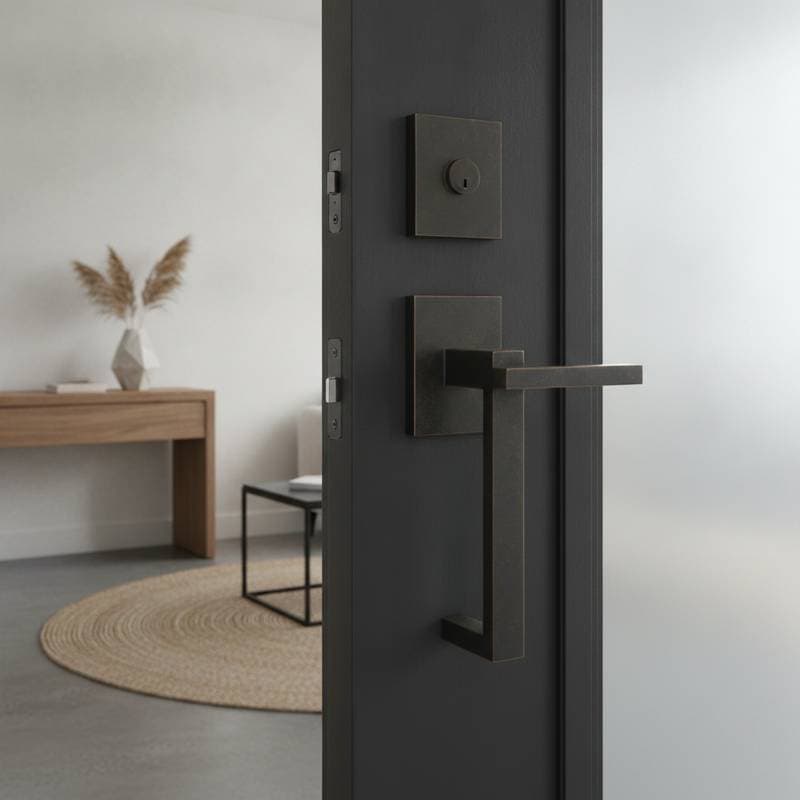
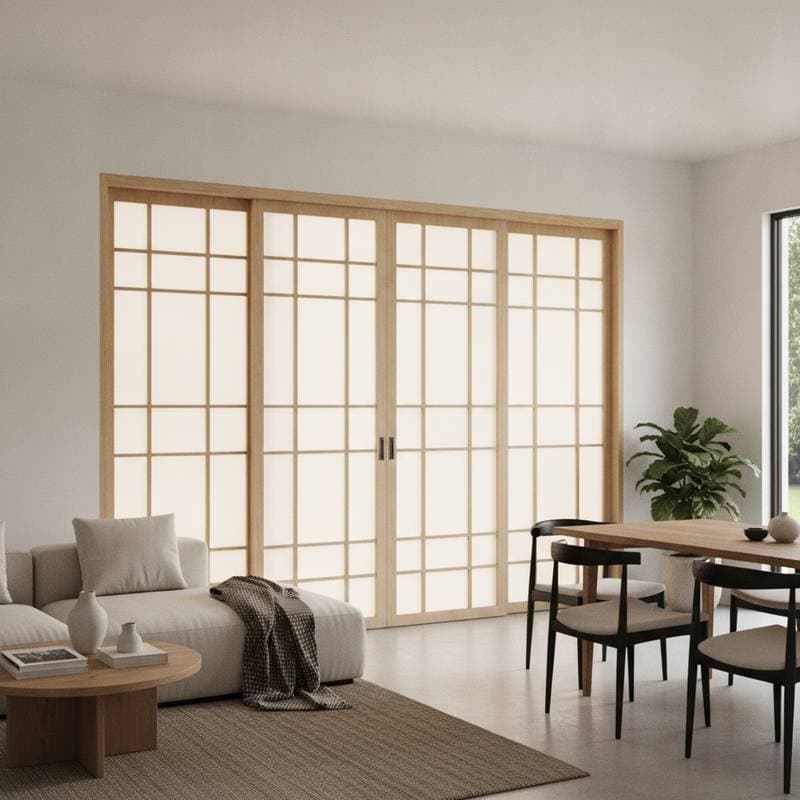
- Application Fit: Recessed pulls suit sliding panels in traditional Japanese setups, whereas levers enhance hinged doors in hybrid spaces.
These considerations ensure the hardware integrates seamlessly, enhancing both form and utility.
Sustaining Brass Handles Over Time
Brass handles offer longevity that outlasts fleeting trends, often serving for generations with minimal intervention. Routine care involves gentle cleaning to manage tarnish, though many prefer the layered tones of natural aging. Buffing restores luster when desired, preserving the material's integrity.
This durability embodies Japandi's emphasis on enduring quality, allowing homeowners to invest once for lasting satisfaction. As a result, brass not only elevates door aesthetics but also contributes to a cohesive, timeless home environment.