Reduce Home Noise by 85 Percent with Smart Door Sweeps
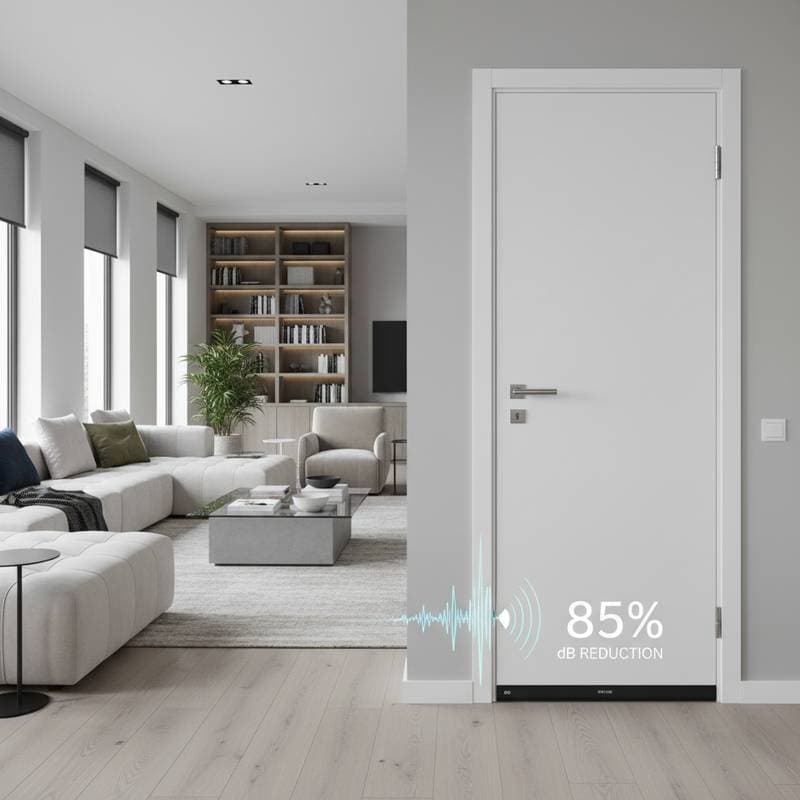
Unwanted noise enters homes through overlooked paths, such as gaps under doors. These intrusions disrupt quiet activities and affect daily comfort. Smart door sweeps address this issue directly by sealing those gaps, reducing interior noise by up to 85 percent when selected and installed properly. Beyond sound control, they enhance privacy, focus, and overall well-being in environments disturbed by external traffic, neighbor conversations, or internal movements.
How Door Sweeps Block Noise
A door sweep consists of a durable strip affixed to the door's bottom edge. It prevents sound, drafts, and light from passing through small openings. Even minor gaps permit substantial sound transmission; closing them interrupts the path of sound waves, resulting in a calmer interior and improved energy retention.
Smart door sweeps advance this function with adaptive materials and mechanisms. They conform to floor variations and pressure changes, ensuring a secure seal upon door closure. This design promotes longevity by avoiding excessive friction while delivering reliable noise reduction across diverse surfaces.
Door Sweep Types and Noise Reduction Levels
Various door sweeps differ in construction, application, and effectiveness. Selecting the appropriate type requires evaluating specific needs for noise control and durability.
| Type | Material | Noise Reduction | Maintenance Level | Ideal Use |
|---|---|---|---|---|
| Vinyl strip | PVC or rubber | Moderate | Low | Interior doors with minor noise issues |
| Aluminum with rubber insert | Aluminum frame, neoprene or silicone | High | Moderate | High-traffic entry points |
| Automatic drop seal | Metal casing with spring mechanism | Superior | Moderate to high | Bedrooms or offices needing quiet |
| Threshold-integrated sweep | Composite materials | Excellent | Higher, with adjustments | Exterior doors in noisy areas |
Automatic drop seals excel in performance, as they deploy upon closing and retract when opening. This feature minimizes wear and sustains acoustic integrity over extended periods.
Identifying Noise Origins
Determine noise sources before purchasing a sweep. Typical culprits include adjacent hallways, shared walls, street vehicles, or HVAC systems. Doors exposed to urban sounds benefit from robust, layered sweeps combined with side seals. Internal bedroom doors often suffice with pliable silicone options to muffle voices or media from nearby spaces.
Observe noise patterns by listening at various times. If sounds primarily enter from below the door, a sweep provides the primary solution. For transmission through the door itself, integrate sweeps with core upgrades or wall treatments.
Step-by-Step Installation Guide
Effective installation maximizes a sweep's potential. Homeowners with basic tools can manage the task, though experts handle intricate setups on premium doors.
-
Measure precisely: Record the door's width and the clearance to the floor. Account for any irregularities to avoid gaps or binding.
-
Prepare the surface: Wipe the door bottom clean and remove prior seals. Smooth wood or metal surfaces to ensure adhesion or secure fastening.
-
Attach the sweep: Position it along the closed door's edge. Drill pilot holes for screws, or apply adhesive backing evenly for stick-on models. Secure mechanical components without overtightening.
-
Verify the fit: Shut the door and inspect contact with the floor. Play audio from an adjacent area to confirm reduced transmission.
-
Adjust as needed: Monitor for shifts after initial use. Fine-tune alignment to preserve optimal sealing.
Selecting Sweeps for Specific Doors
Match sweeps to door composition, position, and frequency of use. Screw-mounted versions suit solid wood or fiberglass doors. Adhesive types prevent damage on hollow interiors. In noise-sensitive areas like studies or infant rooms, opt for automatic or reinforced models.
Flooring influences choice: Rigid surfaces like tile support firm seals, whereas carpets demand gliding edges. Adjustable mechanisms in advanced sweeps accommodate these variations seamlessly.
Evaluating Cost Against Durability
Prices span from basic strips at low cost to sophisticated automatics at a premium. Consider savings in energy and comfort alongside noise benefits. Sealed doors curb air loss, easing demands on climate systems.
Prioritize quality materials like silicone or neoprene for extended service life. Inferior options degrade quickly, increasing long-term expenses through frequent replacements.
Upkeep for Sustained Performance
Routine care preserves sweep efficacy. Clear accumulated dust, hair, or particles with a moist cloth to retain flexibility. Lubricate moving parts in automatic designs periodically.
Examine for damage quarterly. Replace compromised sections immediately. Address dragging by inspecting door alignment or hinges, applying minor corrections as required.
Broader Advantages for Daily Living
Noise reduction fosters enhanced focus, rest, and tranquility. In multi-person homes, sweeps delineate personal areas without structural changes. They also limit odors, allergens, and pests, elevating air quality.
Parents value muffled disturbances during children's sleep. Professionals gain distraction-free zones for productivity. Media rooms contain audio, preventing spillover.
Integrating with Additional Soundproofing
Sweeps target floor gaps; complement them for comprehensive isolation.
-
Apply weather stripping to door sides and header.
-
Install perimeter gaskets for total enclosure.
-
Upgrade to solid-core doors or add mass-loaded barriers.
-
Use raised thresholds for floor-level reinforcement.
These combinations yield superior results in demanding spaces like recording areas or roadside bedrooms.
Compliance and Safety Factors
Verify sweeps align with building codes, especially for fire doors or accessibility. Maintain required clearances in rentals or apartments. Choose code-compliant designs that balance sealing with ventilation.
Exterior applications demand moisture-resistant components to withstand elements without corrosion.
DIY Versus Professional Installation
Self-installation suits straightforward doors; follow guidelines meticulously for seamless integration. Professionals excel with custom fits, frame assessments, and style coordination.
For DIY, prioritize accurate measurements and clean finishes, such as color-matched fasteners, to uphold door aesthetics.
Measuring Ongoing Effectiveness
Assess reductions by pre- and post-installation sound tests. Expect prompt decreases in ambient levels. Persistent issues may indicate frame leaks; seal those for full impact.
Evolving Acoustic Strategies
Sweeps form a foundation for adaptable sound management. Re-evaluate as lifestyles shift. Advanced adaptive models respond to environmental changes like humidity.
During remodels, plan door and sealing elements holistically for efficient, enduring quiet.
Achieving Optimal Noise Control
Attain 85 percent noise reduction through deliberate sweep selection and precise setup. Tailor choices to door specifics and ambient conditions. Proper maintenance ensures enduring benefits.
This targeted enhancement yields profound calm, supporting work, repose, and harmonious home life from a foundational adjustment.