Matte Black Barn Doors Define Quiet Luxury in Modern Interiors
The quiet luxury trend reshapes interior design by prioritizing subtle sophistication over bold statements. Homeowners now favor elements that emphasize craftsmanship and timeless appeal. Matte black barn doors exemplify this shift. They transform a once-rustic feature into a refined element that integrates seamlessly with upscale spaces, conveying confidence through calm and detailed execution.
From Rustic Utility to Modern Refinement
Barn doors originated as space-saving solutions for large openings. Their sliding mechanism allowed flexible room divisions without swinging into the space. Designers later adapted this utility for homes, merging practicality with aesthetic potential.
Matte black finishes elevate these doors beyond farmhouse origins. The non-reflective surface tempers metal hardware's industrial edge, yielding a balanced sophistication. This finish harmonizes with minimalist or traditional settings, enhancing rather than dominating the environment.
Why Matte Black Embodies Quiet Luxury
Quiet luxury prioritizes enduring quality and restrained design. Matte black aligns with these ideals by absorbing light to foster depth without distraction. It pairs effectively with premium materials like natural wood, marble, or brushed brass, allowing each to shine.
Practical benefits include resistance to fingerprints and smudges, supporting a lived-in elegance. Those desiring usability alongside beauty select this finish for its emphasis on texture and simplicity. True luxury emerges from such understated choices.
Effective Material and Finish Pairings
Matte black adapts to various materials, each yielding a unique quiet luxury expression.
-
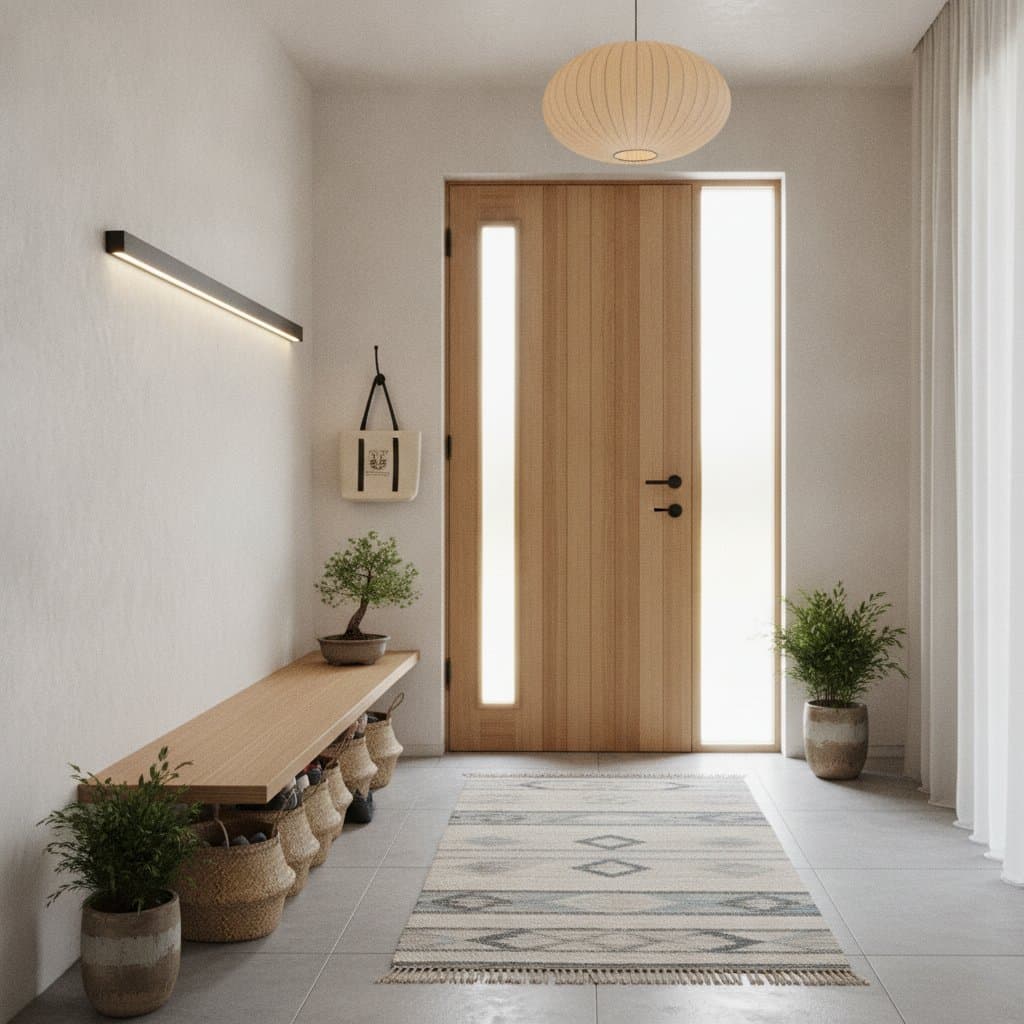
Natural Oak with Black Steel: Oak's warmth offsets matte black hardware, fostering organic stability. This suits living rooms, kitchens, or hallways where texture adds comfort.
-
Painted Wood with Black Accents: White or soft gray doors paired with matte black tracks and handles deliver clean architecture. The contrast sharpens structure while preserving serenity.
-
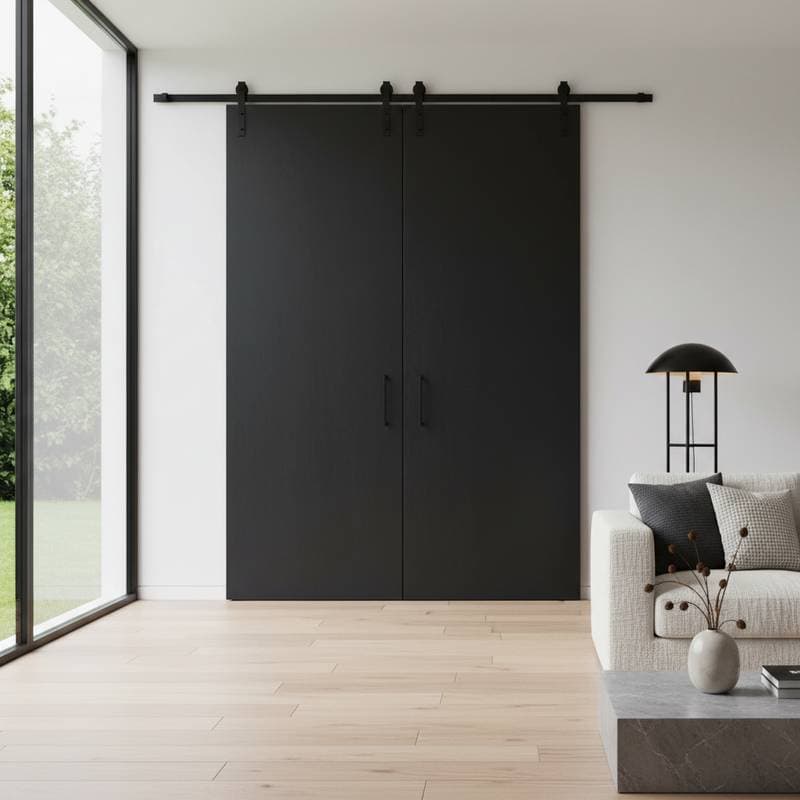
Full Matte Black Door and Hardware: Monochromatic designs suit contemporary rooms. The sculptural effect pairs well with neutral tones and ambient lighting.
-
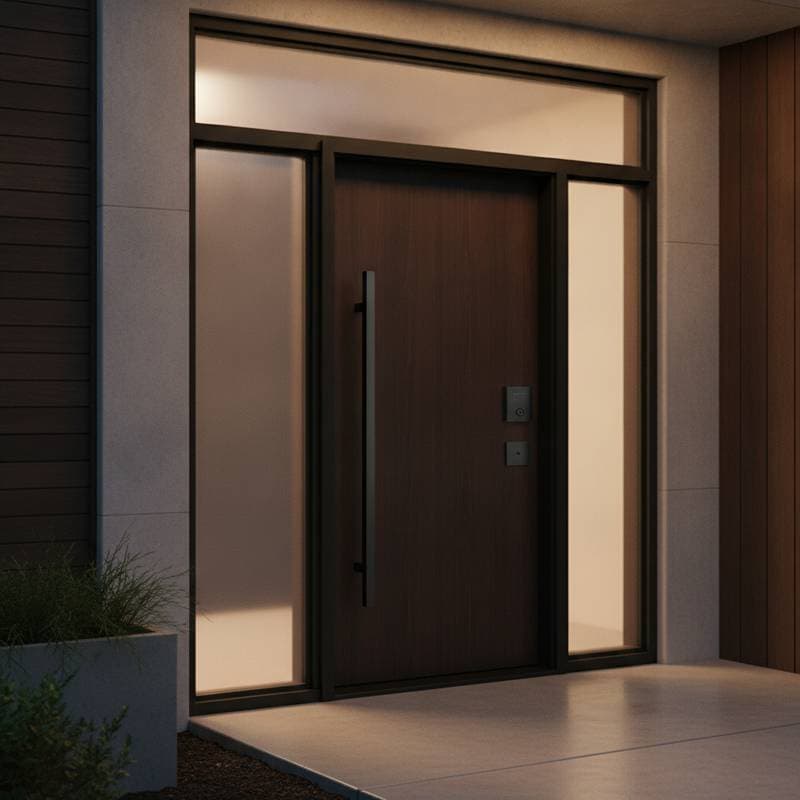
Glass Panels in Black Frames: These promote light passage while offering privacy. Ideal for offices, dining areas, or suites balancing openness and seclusion.
Comparing Door Material Options
Materials affect appearance, durability, upkeep, and suitability. The table below outlines key differences.
| Material | Initial Cost | Lifespan | Maintenance | Best For |
|---|---|---|---|---|
| Solid Wood | High | Long | Occasional refinishing | Classic spaces, warmth, strength |
| Engineered Wood | Moderate | Medium | Low | Affordable updates, even surfaces |
| MDF | Low | Short to medium | Low | Painted options, budget projects |
| Metal and Glass | High | Long | Minimal cleaning | Modern or industrial aesthetics |
Solid wood adds grain-rich depth to matte black. Engineered or MDF options ensure smooth painted finishes. Metal and glass introduce contemporary precision for minimalist designs.
Hardware's Impact on Overall Style
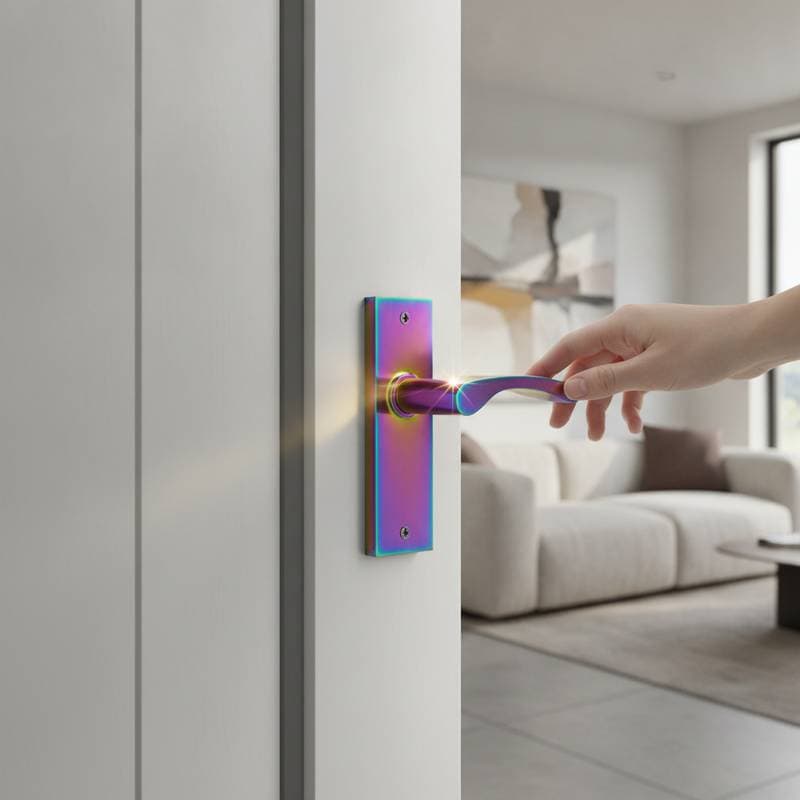
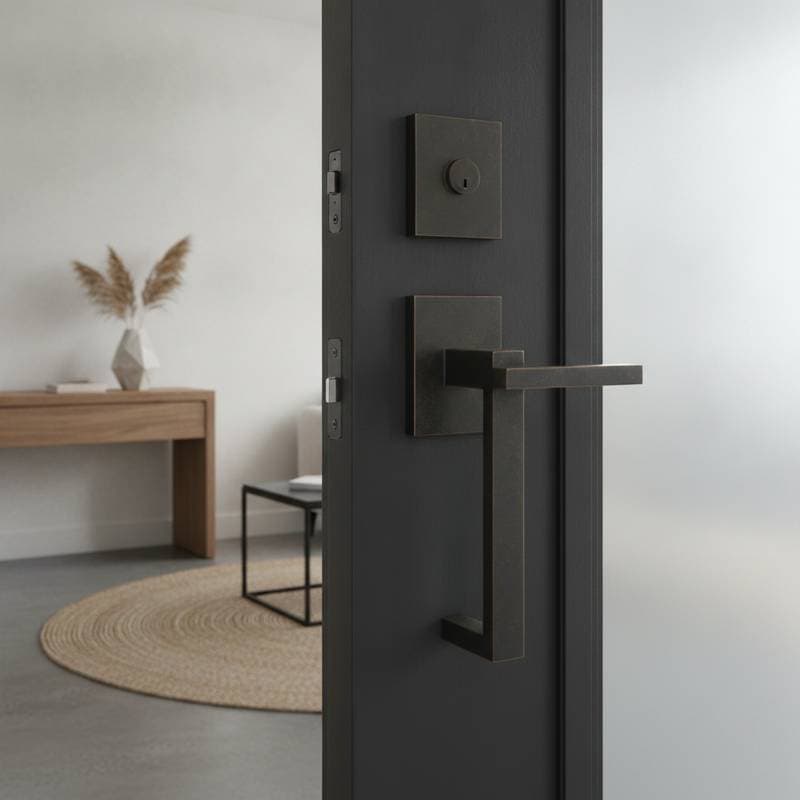
Hardware influences both operation and aesthetics. Matte black components unify the look across materials, providing subtle anchoring.
Track Systems: Overhead tracks ensure smooth gliding. Concealed versions maintain sleek lines in minimal spaces; exposed ones integrate mechanics as design features in transitional areas.
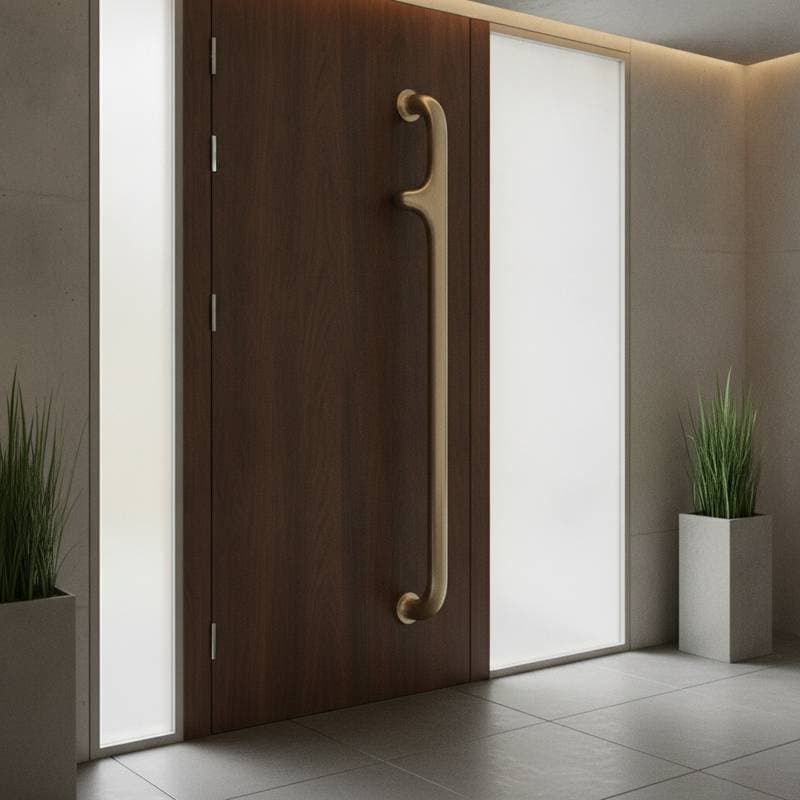
Handles and Pulls: Extended vertical pulls assert presence. Flush handles streamline narrow passages or multi-door setups.
Soft-Close Features: These dampen motion for refined operation, safeguarding finishes and promoting tranquility.
Step-by-Step Installation Guide
Precision installation ensures reliable performance. Evaluate structural needs to choose between self-installation and professional help.
-
Planning: Measure opening dimensions, including trim and clearance. Ensure wall support for track weight; aim for door overlap.
-
Preparation: Mount a header board over misaligned studs for even load distribution. Pre-drill track holes.
-
Assembly: Fasten track with lag bolts. Attach rollers to door, then position on track; test for friction-free slide.
-
Verification: Level the door to avoid floor or trim contact. Secure stoppers against excess travel.
-
Finishing: Install floor guides to curb swing. Operate handle and soft-close; wipe away residue with mild cloth.
Homeowners with tools can manage this, provided measurements prove accurate and supports remain firm.
Aligning Doors with Daily Routines
Select configurations based on space demands. High-traffic areas benefit from robust hardware and effortless rollers; decorative uses emphasize visual and quiet closure.
Single versus Double Doors: Singles fit compact openings; doubles enhance wide entries in living or office zones for symmetrical appeal.
Privacy Levels: Opaque wood or MDF ensures seclusion. Glass options transmit light but require frosting for intimate rooms.
Sound Management: Thicker panels and soft tracks minimize noise. Edge seals boost acoustics without visual change.
Upkeep for Lasting Performance
Matte black withstands daily wear with basic care. Clean using soft, non-abrasive tools; skip waxes that add gloss. Tighten hardware periodically in active zones.
Condition wood seasonally to avert cracks or shifts. Control humidity for stability. Metal and glass need only light dusting. Regular attention sustains smooth, quiet function over decades.
Adapting to Environmental Factors
Regional conditions guide selections. Dry areas may cause wood contraction; humid ones expansion. Engineered materials resist such variances better. Acclimate and seal doors pre-installation.
Barn doors aid room temperature balance as dividers. Matte surfaces limit heat gain and glare, enhancing comfort.
Balancing Cost with Enduring Value
Expenses range by material, scale, and features. Solid wood demands more upfront but offers longevity and style retention. Budget alternatives suit trials, though they endure less rigor.
Quiet luxury invests in sustained refinement. Matte black barn doors provide dependable beauty and utility for years.
Selecting and Integrating Your Door
Evaluate architecture, colors, and habits when choosing. Account for wall space, furniture, flow, and illumination. A strategic placement elevates function and draws the eye purposefully.