Japandi Shoji Doors: Essential for Minimalist Entryways in 2026
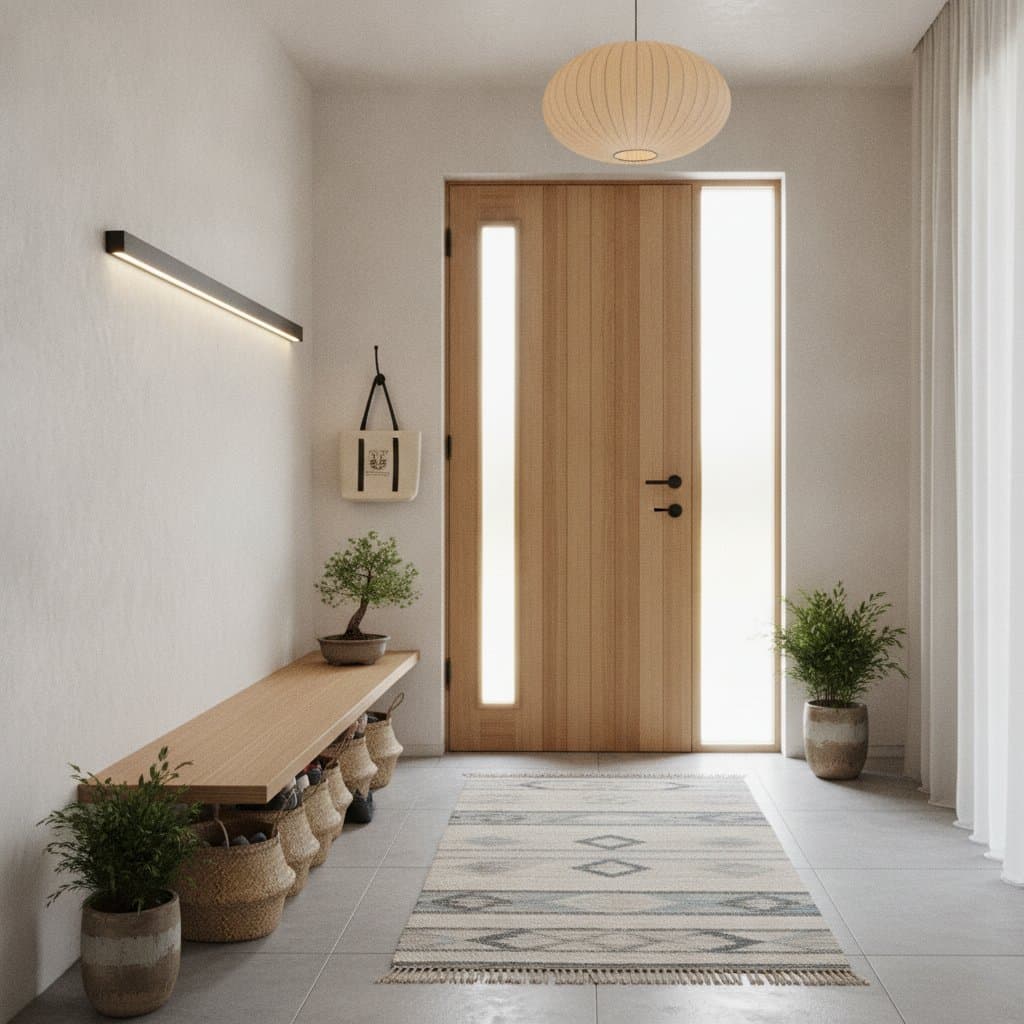
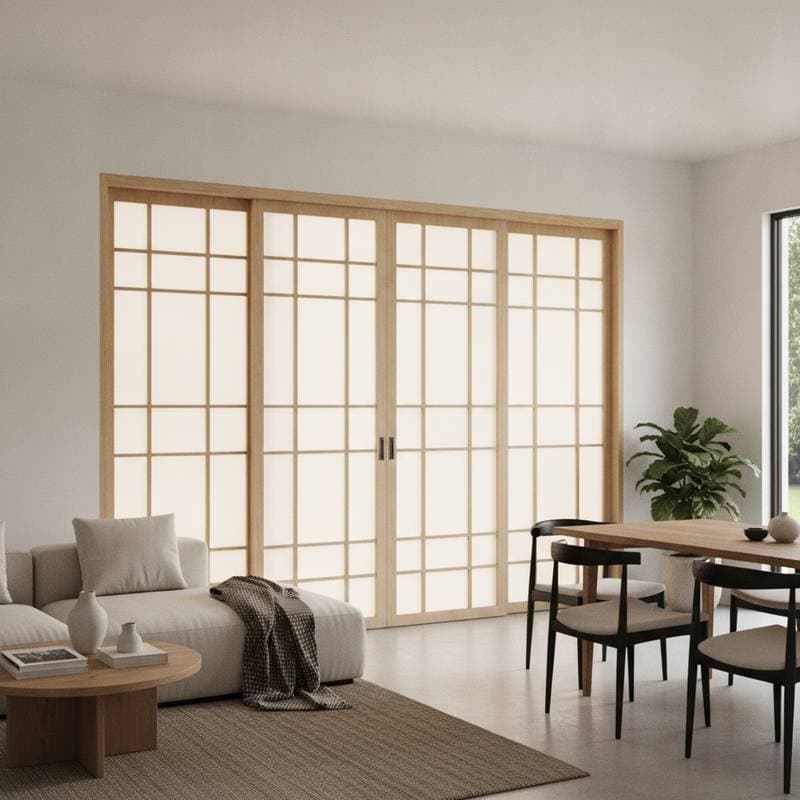
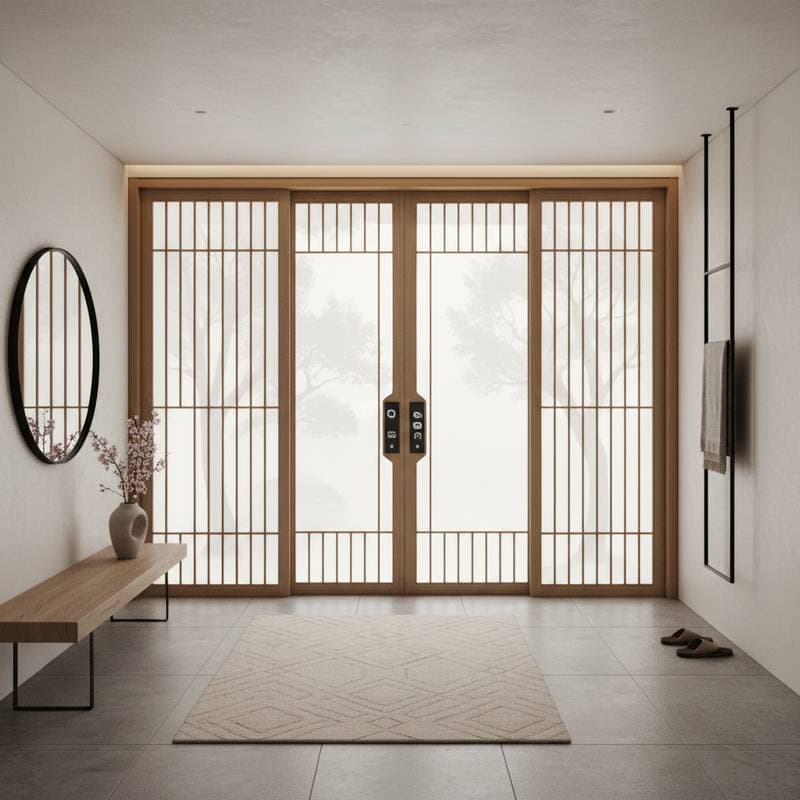
Minimalism shapes modern lifestyles by emphasizing balance, simplicity, and tranquility. Japandi style merges Scandinavian warmth with Japanese refinement to create harmonious interiors. Shoji doors serve as a key feature in this approach, fostering visual unity and smooth movement through spaces. These elements turn entryways and transitional areas into inviting zones bathed in soft, diffused light.
Shoji doors combine aesthetic appeal with everyday utility in contemporary residences. They integrate skilled construction, eco-friendly practices, and flexible designs that few other features achieve. Homeowners gain insight into their mechanics, material selections, and placement strategies to build environments that unite form and enduring worth.
Selecting Materials and Construction
Contemporary Shoji doors feature diverse material pairings that affect durability and visual style. Wood frames form the foundation, yet innovative options boost resilience and ease of upkeep.
Frame Options
-
Solid Wood
Choices such as oak, maple, and ash deliver robust support, inviting texture, and organic tones that align with Japandi principles. These require regular sealing to protect against wear, yet they yield genuine presence and sensory appeal. -
Engineered Wood
This alternative controls costs while resisting shifts from moisture or temperature fluctuations. Veneer surfaces imitate solid wood aesthetics and demand less ongoing care. -
Bamboo
As a renewable resource, bamboo provides featherlight weight and faint grain patterns suited to sustainable Japandi designs. It thrives in controlled indoor settings and infuses entryways with natural essence.
Panel Choices
-
Rice Paper or Synthetic Equivalents
Classic rice paper scatters light gently but needs delicate handling. Durable synthetics replicate this effect with added safeguards against dampness and damage. -
Acrylic or Glass Inserts
Households prioritizing toughness or thermal barriers opt for textured acrylic or patterned glass. These options simplify cleaning and endure repeated handling.
Joinery and Finishes
Structural integrity in Shoji doors relies on exact joinery methods. Mortise-and-tenon or interlocking finger joints secure panels without exposed fasteners. Subtle finishes maintain the sleek profiles central to Japandi aesthetics. Opt for superior joinery to extend service life and minimize repairs.
Step-by-Step Installation Guide
Precise setup of Japandi Shoji doors demands focus on measurements, balance, and material harmony. Professionals or capable DIYers follow these steps for reliable performance and sustained quality.
Initial Assessment
Start by measuring the doorway dimensions accurately and inspecting surrounding structures. Account for overhead clearance, floor variations, and nearby fixtures. For sliding models, confirm track capacity matches panel mass and walls allow sufficient space for operation.
Site Preparation
Level and clear the mounting area thoroughly. In upgrades, dismantle prior moldings or fittings that could hinder placement. Seal wood components in advance to shield against future environmental stress.
Core Assembly
Position upper and lower tracks for sliders before suspending panels. For swinging variants, match hinges to marked positions and fasten uniformly. Verify fluid motion and secure closure, refraining from excessive torque on fasteners to avoid distortion.
Verification Checks
Examine panel leveling in all positions and evaluate glide ease. Confirm light scattering aligns with design goals. Seal borders effectively to block humidity ingress.
Final Touches and Monitoring
Remove residue and add sealants as required. Observe settling over initial weeks, adjusting fittings periodically. Routine inspections sustain both look and operation.
Evaluating Costs and Long-Term Benefits
Expenses for Japandi Shoji doors vary with material quality, artisan skill, and setup demands. Premium solid wood with intricate joints carries higher entry costs but rewards with resilience and distinctive charm. Budget-friendly synthetics and ready-made panels lower initial outlay, although they might lack comparable depth.
Balance upfront investments with future gains in comfort and property enhancement. Such doors amplify illumination, circulation, and spaciousness, boosting overall residence appeal. These advantages typically surpass minor price variances over years.
Seek specifics on components, treatments, and labor when reviewing bids. Bargain rates sometimes signal reduced standards in assembly or surfaces. Direct dialogue with providers aligns outcomes with anticipated results.
Adapting to Environment and Sustainability
Japandi principles embed ecological responsibility. Shoji doors promote efficiency by harnessing daylight, cutting artificial light needs. Select certified woods or bamboo to further diminish ecological footprints.
Local weather guides material efficacy. Engineered or treated bamboo holds shape in moist areas superior to raw solid wood. Insulated glass or robust frames suit colder zones for better warmth retention. Tailor selections to regional demands for consistent yearly function.
Collaborating with Installation Experts
Engage contractors experienced in custom millwork for optimal Shoji door outcomes. Review portfolios for Japandi or minimalist projects to gauge fit. Discuss timelines, site disruptions, and post-install support upfront.
Provide clear sketches or photos of the space, specifying sliding versus hinged preferences. Request material samples to verify color and texture harmony. Establish a contract outlining warranties, change protocols, and payment schedules to protect interests.
During work, visit periodically to address issues early. Post-completion, obtain care instructions and contact details for adjustments. Strong partnerships yield seamless integrations that enhance daily living.
Achieving Timeless Entryway Serenity
Japandi Shoji doors elevate entryways into thoughtful portals that welcome light and peace. Their blend of tradition and innovation supports mindful spaces where function meets grace. Invest in these features to foster environments that nurture well-being and reflect enduring style.