Acoustic Doors: Quiet Luxury for Modern Living
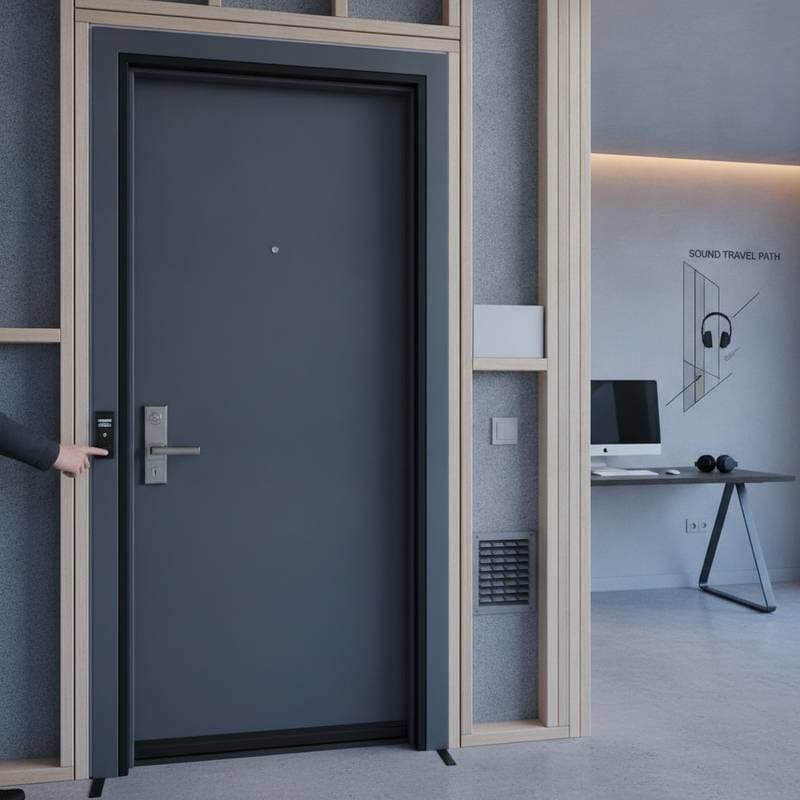
A peaceful home serves as a true measure of comfort. Open-plan layouts, home offices, and multi-generational living arrangements have elevated the importance of acoustic control. Acoustic doors have emerged as a design essential, capable of reducing interior noise by up to 75 percent when properly installed and sealed. These doors provide tranquility, privacy, focus, and a sense of retreat within busy households.
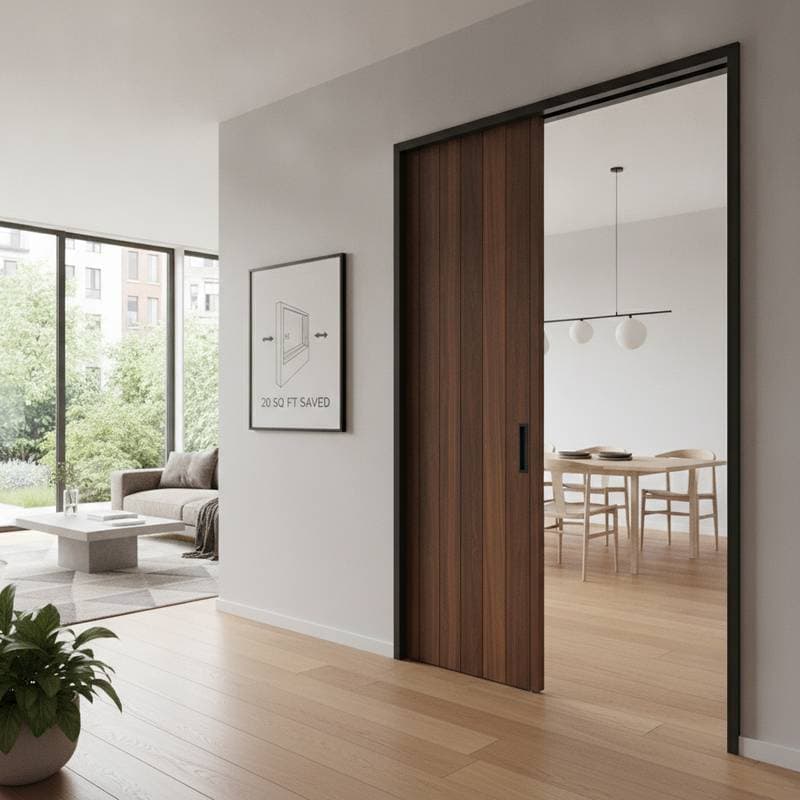
The latest soundproof doors integrate seamlessly with contemporary and traditional interiors. Thicker cores, multi-layer seals, and engineered frames have supplanted the heavy, utilitarian appearance of older recording studio doors. Current models deliver high performance alongside refined design, with finishes that align with existing trim, cabinetry, or flooring.
Three Approaches to Achieve Effective Sound Reduction
Budget-Friendly Option ($400 - $900)
- Select solid-core molded wood doors or composite designs equipped with acoustic gasketing kits.
- Install silicone perimeter seals and an adjustable bottom sweep to eliminate air gaps that allow sound transmission.
- Retain existing jambs if they remain square and stable, concentrating upgrades on the door leaf and hardware for optimal results at low cost.
Mid-Range Option ($1,000 - $2,500)
- Choose engineered wood doors featuring a sound transmission class (STC) rating of 30 to 35.
- Incorporate compression seals around the frame to ensure a secure acoustic barrier.
- Select coordinating hardware in brushed nickel or matte black to complement prevailing design themes.
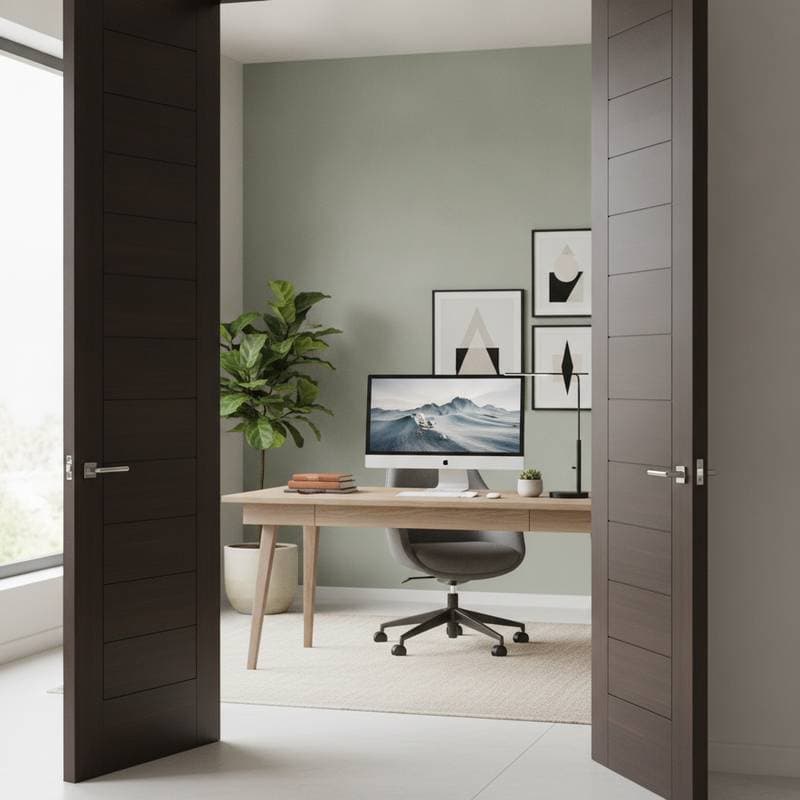
- Evaluate double doors for versatile spaces such as home offices or media rooms.
Premium Option ($3,000 - $6,000)
- Opt for high-end acoustic doors with layered cores, integrated seals, and factory-tested STC ratings exceeding 40.
- Integrate automatic drop seals that activate upon door closure for comprehensive perimeter sealing.
- Specify custom veneers like walnut, white oak, or rift-cut ash to achieve a sophisticated architectural statement.
- Combine with acoustically rated glazing or sidelights to maintain visibility while preserving privacy.
Guide to Materials and Finishes
For windows adjacent to acoustic door installations, laminated glass with sound-dampening interlayers proves effective. Aluminum-clad or fiberglass frames enhance durability and minimize vibration transfer.
Solid-core or multi-layer engineered wood doors yield superior noise reduction. Finishes such as satin white, charcoal gray, or natural oak harmonize with diverse interior palettes. In modern environments, flush panel doors paired with concealed hinges produce a sleek, seamless appearance.
Exterior entry doors benefit from siding that bolsters acoustic performance. Fiber cement and insulated vinyl siding absorb sound more effectively than thin aluminum or wood clapboard.
Dense MDF or hardwood trim strengthens the seal around door frames. Semi-gloss paint finishes facilitate cleaning and accentuate architectural details.
Essential Maintenance Practices
Acoustic doors demand regular upkeep to sustain optimal performance. Gaskets and seals may compress or crack over time, diminishing sound-blocking efficacy. Conduct perimeter inspections one or two times annually and replace deteriorated parts immediately.
Hinges require occasional tightening to preserve alignment, particularly in high-traffic zones. Clean wood veneer finishes using a damp cloth and mild detergent. Steer clear of wax-based polishes, which may disrupt compression seals. For painted doors, address chips promptly to avert moisture-induced core swelling.
Seal exterior acoustic doors on both sides to guard against moisture. In coastal or humid climates, prioritize marine-grade hardware and corrosion-resistant hinges.
Common Pitfalls to Avoid
Neglecting frame integrity undermines results; replacing only the door leaf while retaining a warped or inadequately sealed frame compromises acoustic benefits. Assess jambs and thresholds thoroughly prior to installation.
Air gaps, even minor ones at the bottom edge, can halve sound reduction capabilities. Incorporate an adjustable sweep or automatic drop seal without exception.
Prioritizing aesthetics over functionality leads to errors; hollow-core doors with ornamental paneling appear attractive yet provide negligible sound protection. Confirm the STC rating prior to any purchase.
Forgoing professional installation invites issues, as acoustic doors necessitate exact alignment. Minor deviations can impair seals and render the investment ineffective.
Coordinating Colors and Styles
Soundproof doors need not convey bulkiness or an industrial aesthetic. Proper finish selections enable alignment with any design aesthetic.
Recommended Color Palettes:
- Soft white paired with brushed nickel hardware suits coastal or minimalist interiors.
- Charcoal gray combined with matte black lever handles fits modern or urban environments.
- Natural oak accented by aged bronze enhances traditional and transitional homes.
- Deep navy with polished chrome details introduces character while upholding elegance.
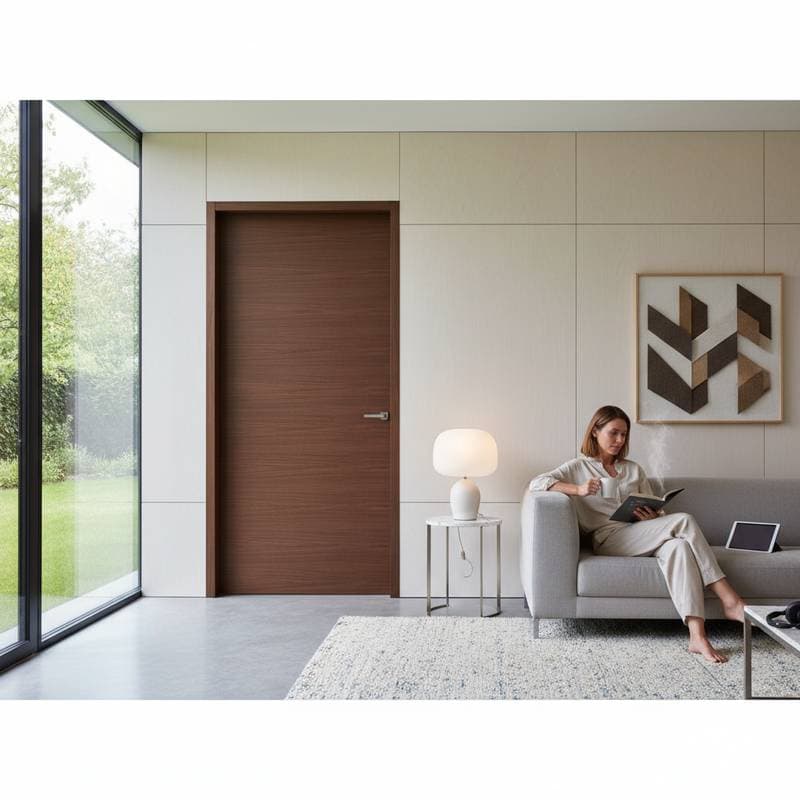
- Warm walnut featuring satin brass knobs fosters a luxurious ambiance in home offices or libraries.
Account for light reflection and surrounding wall colors during coordination. Lighter finishes expand compact areas, whereas darker shades anchor open layouts and mitigate glare.
Photography Checklist for Planning
Document current conditions meticulously before purchasing or engaging a contractor. Such preparation facilitates precise design matching and installation foresight.
- Capture clear images of each doorway from various angles.
- Photograph hinges, thresholds, and trim profiles in detail.
- Document wall colors, flooring types, and ceiling heights.
- Identify gaps, uneven surfaces, or misaligned jambs.
- Note local noise sources and targeted quiet areas.
These records enable suppliers to suggest suitable door ratings and sealing solutions tailored to the environment.
Climate Impacts on Performance
Climate variations affect the longevity and efficiency of acoustic doors. In warm regions, lighter finishes curb heat absorption and warping risks. Cooler areas benefit from insulated cores that diminish both sound and thermal conduction.
Humid locales necessitate moisture-resistant veneers and rustproof hardware for enduring reliability. Coastal residences or those proximate to airports gain from pairing acoustic doors with enhanced windows and siding for holistic noise control. The home's full envelope influences aggregate sound mitigation.
Checklist for Style and Sound Integration
Achieving a quieter home extends beyond door selection to encompass coordination, installation, and upkeep. Consult this reference prior to commitments:
- Establish budget parameters and target high-priority zones like bedrooms, offices, or media rooms.
- Align door style and finish with current design components for unity.
- Validate STC ratings and confirm system-wide testing of components.
- Engage professionals for accurate alignment.
- Plan yearly inspections of seals and hardware.
Integrating Acoustic Solutions for Enhanced Living
Acoustic doors merge engineering precision with aesthetic appeal to amplify comfort and property value. They attenuate household noise, sharpen focus, and refine living spaces overall.
Strategic material selection, finish harmony, and meticulous installation empower homeowners to cultivate serene, personalized environments. This approach yields enduring benefits in tranquility, seclusion, and design fulfillment.