Copper Door Handles: The Antimicrobial Shift in Home Design
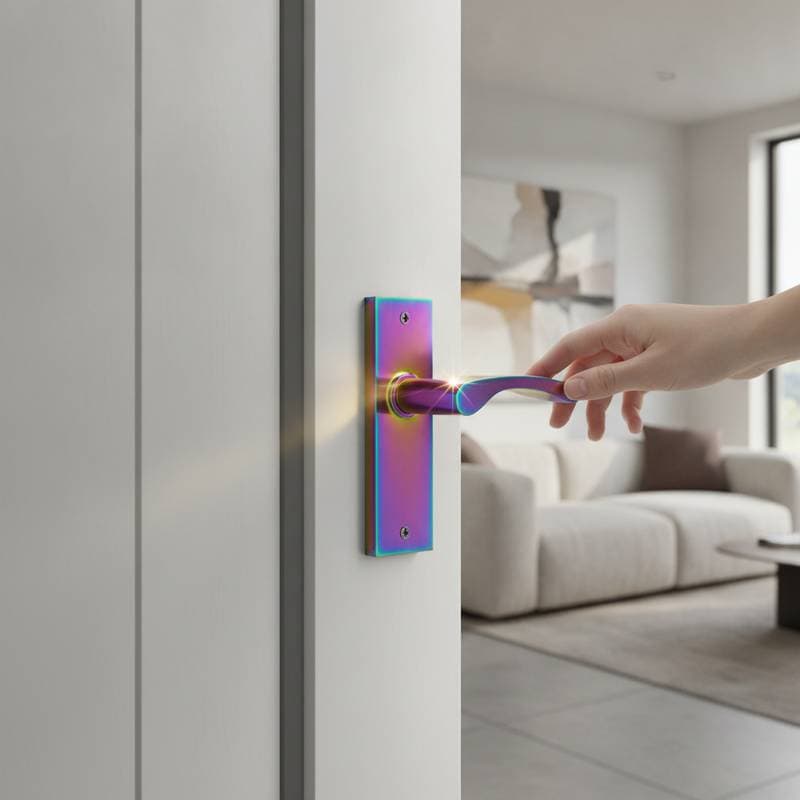
Homeowners increasingly scrutinize everyday touch surfaces for their impact on family health. Door handles, touched dozens of times daily, rank high among these concerns as potential bacterial hotspots. Copper door handles emerge as a smart, health-oriented option over standard finishes. Their built-in antimicrobial traits pair with enduring visual appeal, appealing to those who seek harmony among design, protection, and value.
The Science Behind Copper's Antimicrobial Power
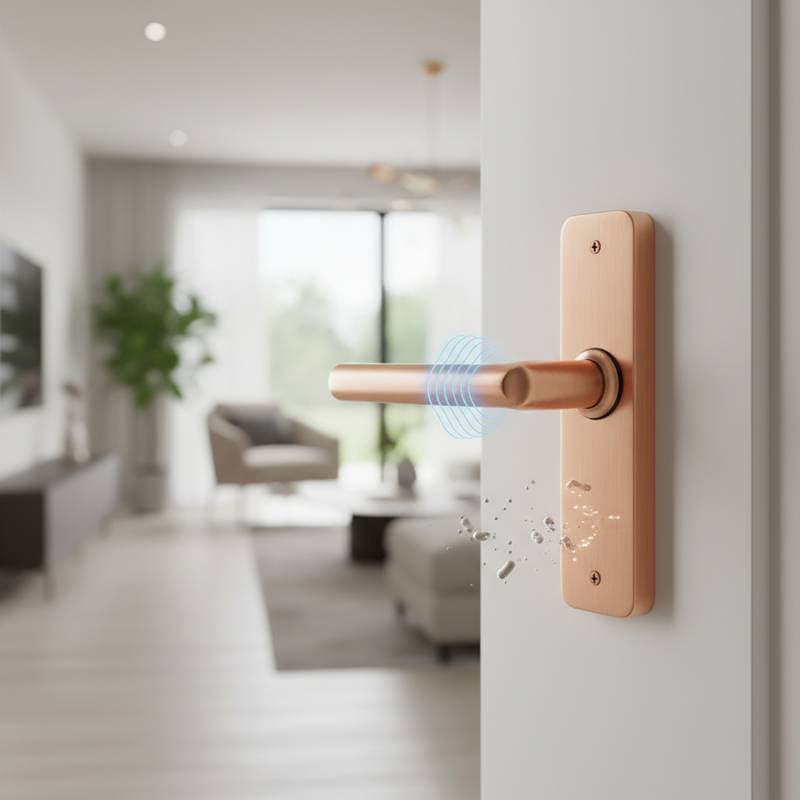
Copper eradicates bacteria through direct contact. Microorganisms landing on the surface trigger a reaction that ruptures cell walls and halts essential processes. This action persists indefinitely, independent of cleaners or added treatments. In contrast to surfaces that merely repel germs briefly, copper sustains its defensive role across years of use.
High-contact zones like interior doors, cabinet hardware, and bathroom elements benefit most from this feature. Stainless steel and chrome endure heavy use but lack copper's self-cleaning mechanism. Households aiming to minimize germ risks find copper adds reliable defense alongside standard sanitation practices.
Material Comparison for Door Handles
Door hardware selection often emphasizes appearance and surface treatment. However, the underlying material affects cleanliness and upkeep demands. The following table highlights distinctions among prevalent options.
| Material | Initial Cost | Lifespan | Maintenance | Best For |
|---|---|---|---|---|
| Copper | Moderate to High | Long | Occasional polishing | Health-focused and stylish homes |
| Stainless Steel | Moderate | Very Long | Regular cleaning | Durable, high-traffic settings |
| Brass | Moderate | Long | Periodic polishing | Classic or heritage interiors |
| Nickel | Moderate | Medium | Gentle cleaning | Sleek, contemporary spaces |
Copper acquires a patina with age, which bolsters rather than diminishes its bacteria-fighting efficacy. This gradual change imparts unique texture and depth to hardware. Individuals who favor shine can polish periodically; those embracing patina require less effort. Personal taste and daily routines guide the choice.
Key Benefits and Considerations
Benefits:
- Inherent Bacteria Reduction: Copper actively diminishes microbes on touched areas, fostering cleaner environments without extra effort.
- Robust Endurance: Though softer than steel, copper withstands corrosion in varied climates, from moist bathrooms to arid hallways.
- Design Flexibility: Its warm glow complements wooden doors, stone accents, and subdued palettes, fitting modern or classic schemes.
- Eco-Friendly Profile: Fully recyclable, copper often incorporates recycled content, aligning with sustainable renovation goals.
Considerations:
- Patina Development: The surface oxidizes to a darker tone over time. This evolution suits some aesthetics but demands polishing for others.
- Upfront Investment: Copper exceeds basic alloys in starting price, offset by its hygiene and durability gains.
- Style Integration: The metal's earthy shades demand careful pairing with doors and accents to avoid clashing.
Installation Process for Copper Handles
Copper handle setup mirrors standard door hardware procedures, with targeted steps for best outcomes.
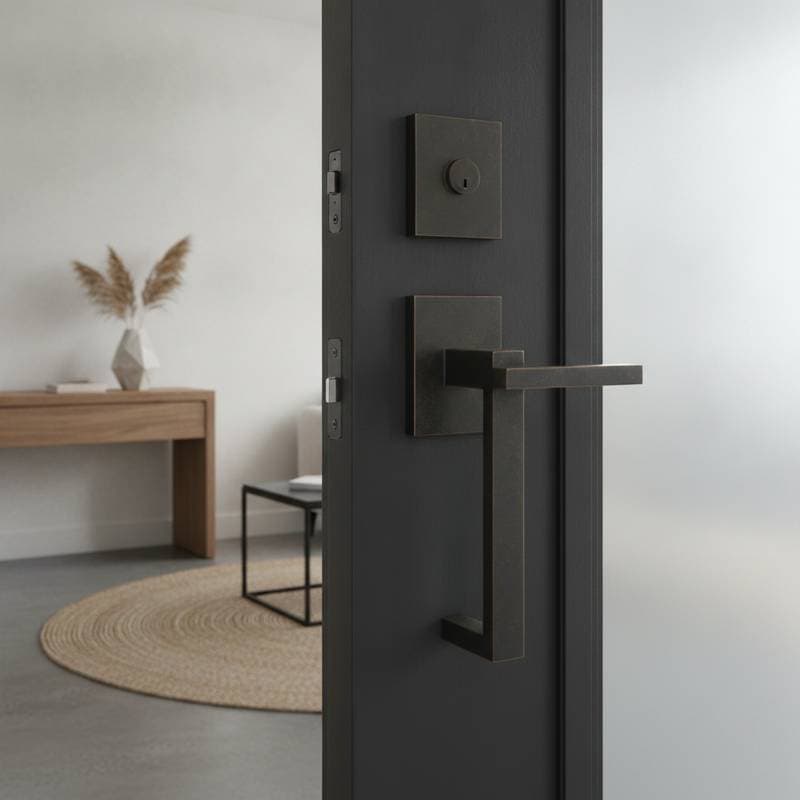
- Assess and Plan: Gauge door thickness, latch position, and opening direction. Select from lever, knob, or pull designs in matching sizes to avoid mismatches.
- Prepare the Area: Wipe the mounting zone clean and verify hole alignment. For replacements, patch and smooth prior fittings as needed.
- Secure the Hardware: Fasten with provided screws, applying even pressure to prevent warping the malleable metal.
- Verify Functionality: Operate the handle and test the latch for seamless action, adjusting if resistance appears.
- Finish Up: Buff away smudges with a soft cloth. Decide on patina allowance or initial polishing for desired sheen.
Maintenance Essentials for Lasting Performance
Copper demands little routine care. Dust weekly and wash monthly with mild soapy water to preserve clarity. Steer clear of abrasives or acids, which erode the natural oxide layer.
For shine enthusiasts, apply copper-specific polish sparingly and buff thoroughly. Patina fans need only rinse with water, permitting natural darkening.
Ongoing tips include:
- Check screws quarterly for tightness and smooth operation.
- Use microfiber cloths exclusively to prevent scratches.
- Limit polish to hardware, wiping adjacent areas immediately.
Proper habits ensure copper retains its protective qualities and charm for generations.
Aligning Copper with Household Needs
Beyond specs, copper suits specific living patterns. Parents of young children or caregivers for seniors value its germ control during busy days. In seamless layouts, copper unifies kitchen pulls with entry hardware for visual flow.
Low-effort households gain from reduced cleaning needs, cutting chemical use. Design enthusiasts leverage copper's subtle luster to enrich textures. Weigh health aims against style visions to confirm fit.
Pairing Copper with Wood Doors
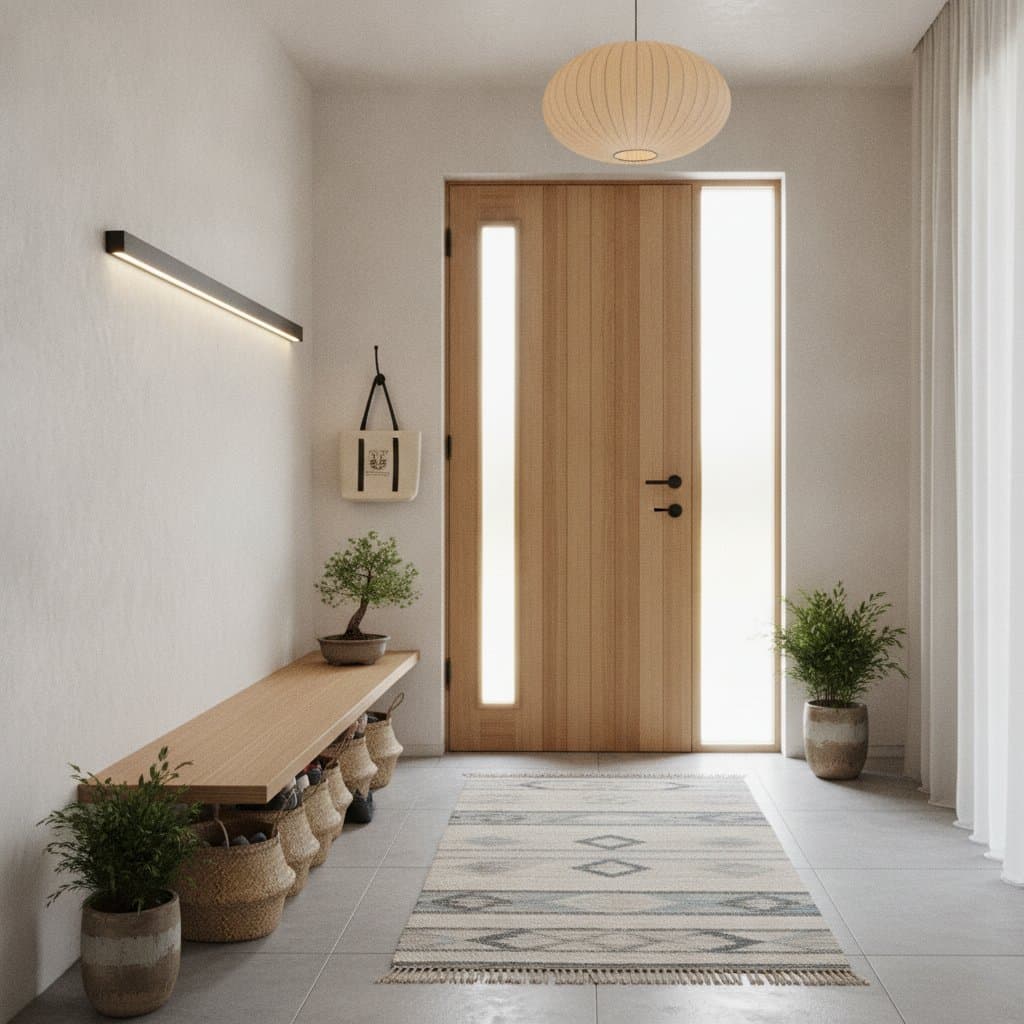
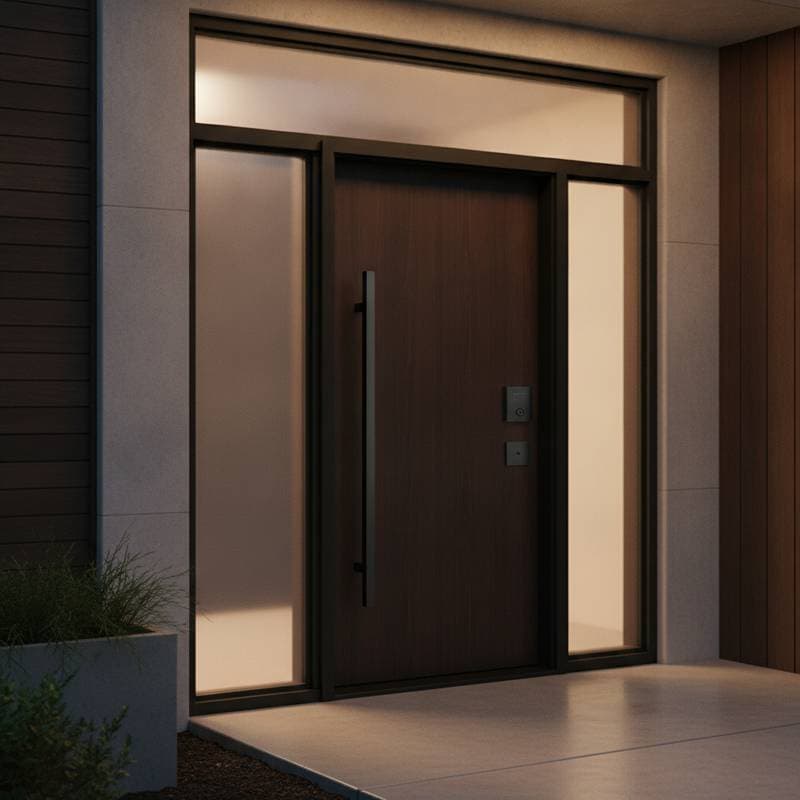
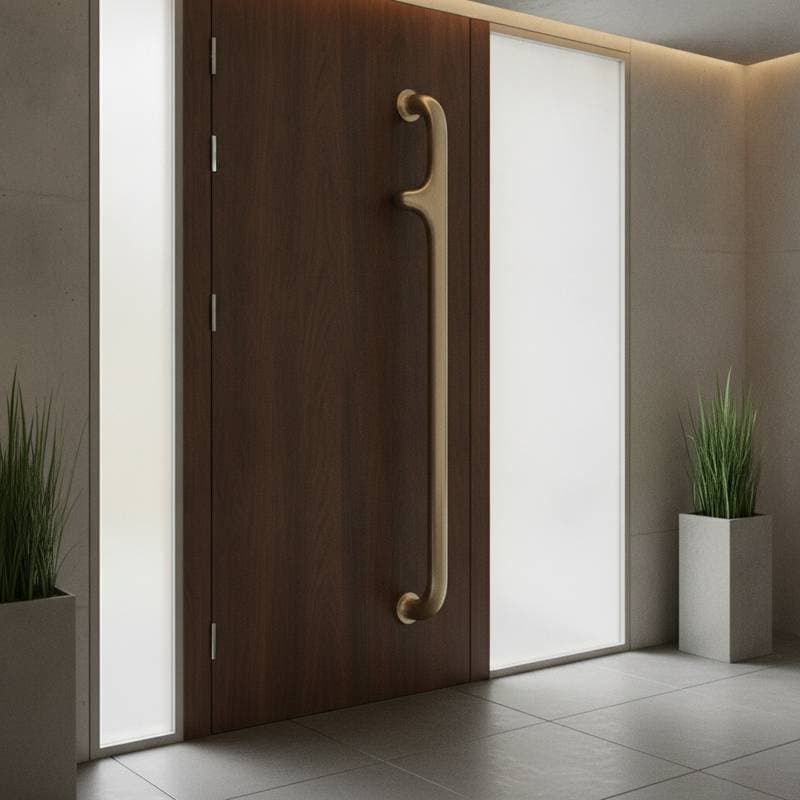
Copper enhances wood's organic beauty through strategic contrast. Pale grains in oak or birch amplify the metal's subtle red undertones. Deep shades like cherry or ebony yield sophisticated depth. Factor in room illumination: natural light accentuates warmth, while artificial sources highlight polish.
Selecting Copper for Your Home
Assess health, budget, and visual goals when considering copper handles. This material delivers multifaceted returns, from sanitation to sophistication. Thoughtful integration yields spaces that safeguard well-being while inspiring daily.
Target upgrades to frequent-touch doors first, expanding as needs evolve. Copper stands as a forward-thinking choice for resilient, refined interiors.