Privacy On-Demand: Smart Glass Doors Set for 2026 Launch
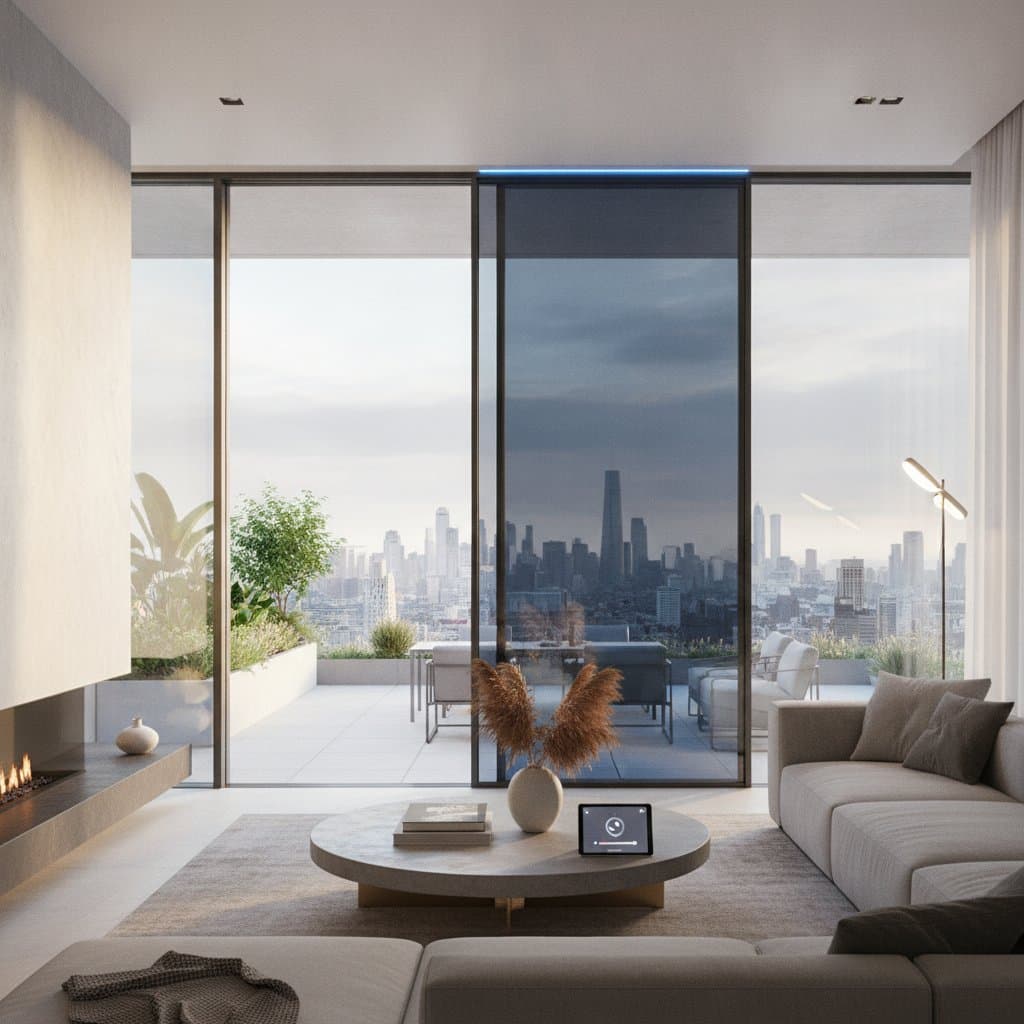
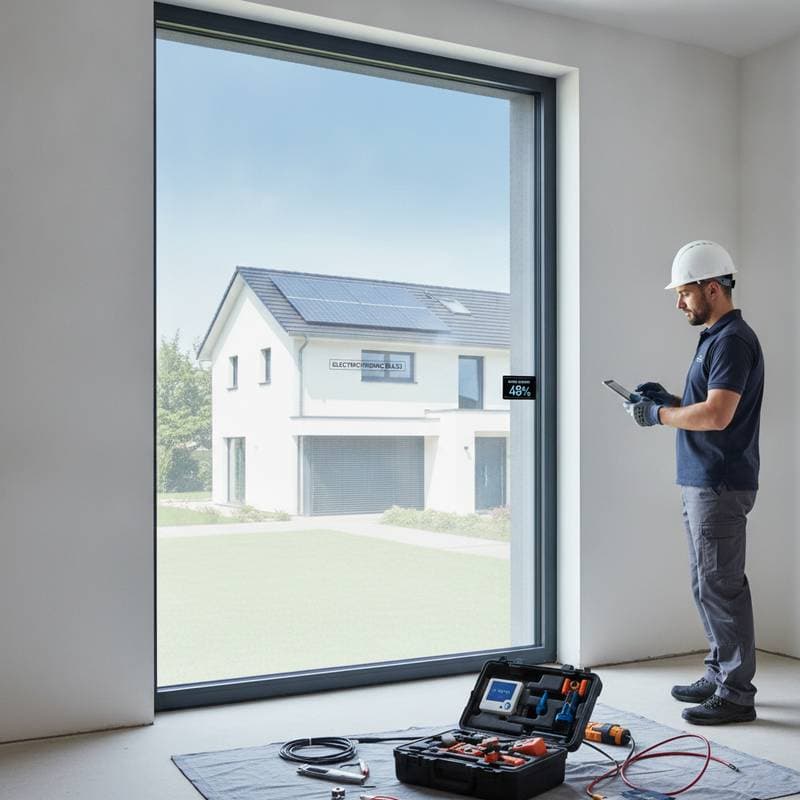
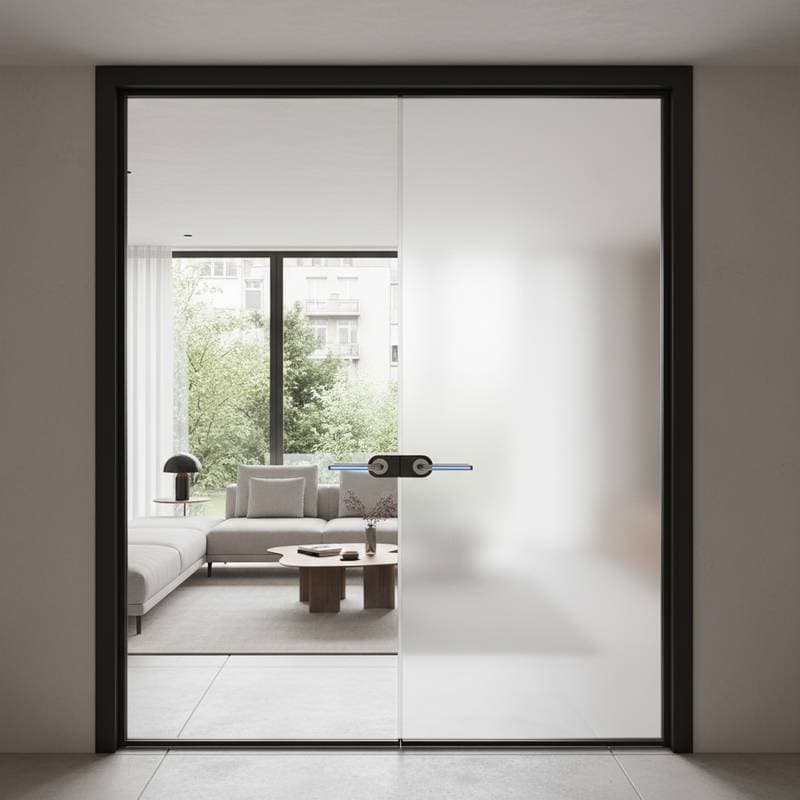
Homeowners now have access to technology that turns clear glass into a frosted barrier with a single touch or voice activation. Smart glass doors employ electrochromic technology to manage privacy, light, and design adaptability. This advancement merges visual elegance with functional intelligence, enabling glass panels to transition from transparent to opaque within seconds. As smart home systems advance, these doors prepare to reshape indoor and outdoor areas through a harmonious integration of form and utility.
Electrochromic layers, sandwiched between glass panels, respond to electrical currents by altering opacity levels. This process regulates light transmission and visibility without relying on traditional coverings like blinds or curtains. The outcome delivers on-demand seclusion while preserving a streamlined, modern appearance suitable for varied interior styles.
Why Smart Glass Doors Capture Attention
Demand for smart glass doors arises from their fusion of simple aesthetics and everyday utility. These doors permit abundant natural light during open moments and provide swift seclusion as required. Such versatility aids expansive floor plans needing adjustable divisions, including spaces for home offices, bathrooms, or sleeping areas.
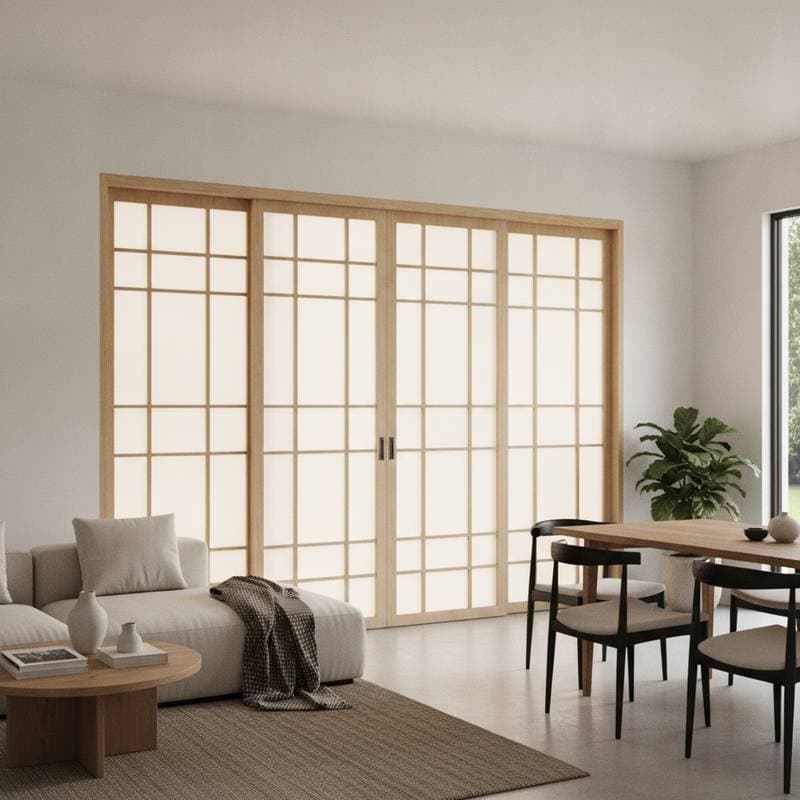
From an architectural perspective, smart glass doors feature clean profiles and variable transparency that suit contemporary and hybrid residences. Their uninterrupted surfaces integrate smoothly with wooden surrounds, metallic edges, or edge-free setups, accommodating multiple stylistic approaches.
Three Strategies to Achieve This Design
Budget Strategy ($2,000 - $4,000)
- Material Options: Use prefabricated smart glass panels fitted into current door structures. These inserts work well with standard wooden or aluminum interior doors.
- Expense-Reduction Methods: Target compact projects, like a single panel linking a bedroom to an attached bathroom. Restrict controls to basic switches instead of voice or app integrations.
- Key Areas for Investment: Prioritize durable glass treatments that withstand scratches and smudges. These choices maintain sharpness and reliability within constrained funds.
Mid-Range Strategy ($5,000 - $8,000)
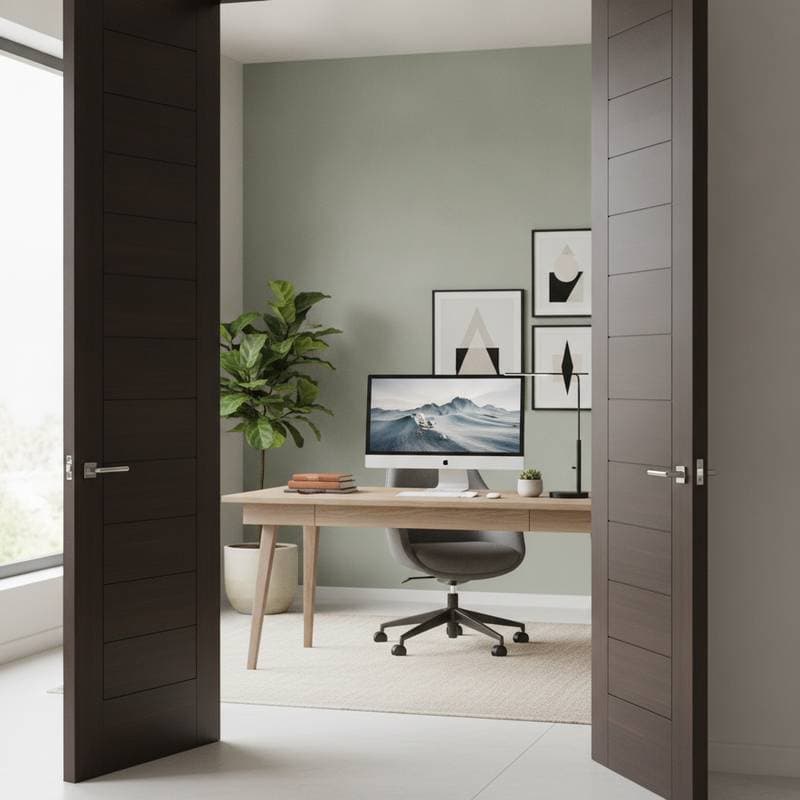
- Equilibrium in Materials: Select dual-pane smart glass doors equipped with built-in wiring for complete automation. Pair them with factory-finished wooden frames in walnut, oak, or ash to temper tech with natural warmth.
- Essential Enhancements: Integrate motion detectors or scheduled opacity adjustments for seamless operation. These features boost energy savings by modulating solar heat and illumination.
- Valuable Aesthetic Additions: Include unified trim sets and synchronized control interfaces. Such elements foster a unified appearance that aligns innovation with deliberate styling.
Premium Strategy ($9,000 - $15,000)
- Elite Material Selections: Choose bespoke electrochromic glass doors with hidden cabling and full smart home linkage. Combine with artisan hardwood frames or structural aluminum for polished results.
- Advanced Stylistic Touches: Incorporate engraved or textured glass surfaces that add depth in transparent mode. Equip with gentle-closing mechanisms and embedded handles in brushed brass or matte black.
- Sustainability Factors: Favor units with efficient low-voltage systems and modular film components. Although initial expenses rise, these designs promise extended lifespan and reduced power use.
Guide to Materials and Finishes
- Windows: Align smart glass doors with complementary window treatments for visual flow. Opt for subtle hues such as pale gray or neutral white to ensure smooth shifts between states. Match with understated black or bronze fittings to highlight the glass.
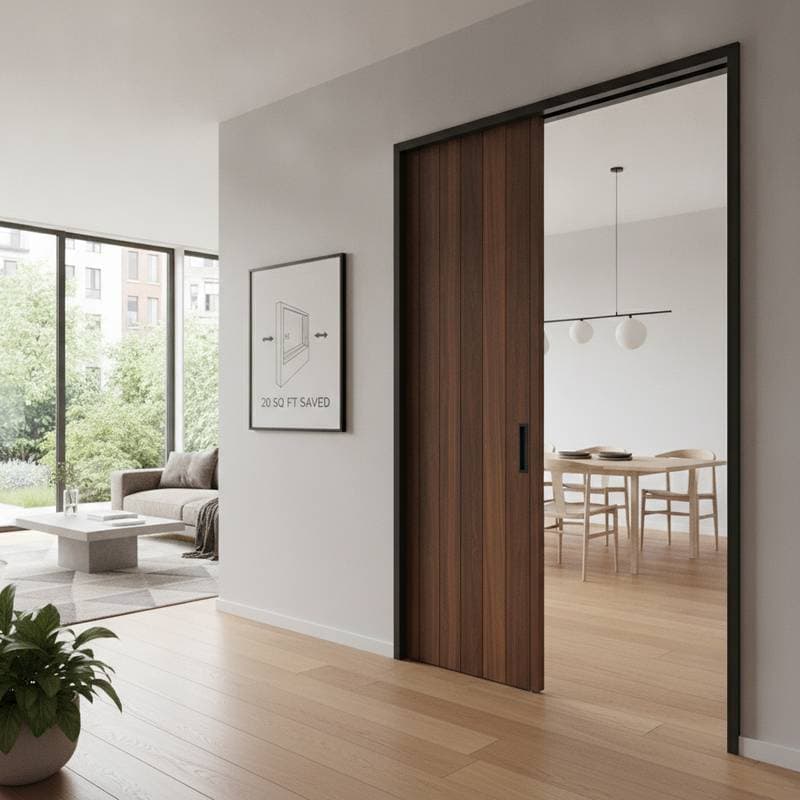
- Doors: Interior versions benefit from pivot or sliding mechanisms to accentuate sleek forms. For outdoor use, specify insulated panels with ultraviolet barriers and airtight enclosures.
- Siding: In facade integrations, smart glass harmonizes with fiber cement or synthetic panels imitating wood textures. This pairing of cutting-edge and earthy elements yields a fresh yet rooted exterior.
- Trim and Details: Employ narrow, structural moldings. Consistent metallic or wooden accents in aligned shades underscore the door's precise lines. Extend finish coordination to adjacent windows, balustrades, and lighting.
Maintenance Essentials
Compared to conventional privacy methods, smart glass doors demand minimal upkeep, yet routine attention sustains their performance. Clean surfaces using mild, non-scratch cleaners to protect conductive films. Professional setup of electrical and control elements guarantees reliable function.
Exterior installations require seal checks to block moisture buildup. In moist or seaside locales, select rust-proof fittings and enclosures to safeguard transparency and operation over years. Electronic part replacements occur infrequently, but factor them into ongoing care plans.
Common Pitfalls to Sidestep
- Neglecting Electrical Needs: These doors require stable power access. Overlooking conduit planning in remodels may result in visible wiring or extra labor expenses. Consult an electrician from the outset.
- Disregarding Illumination Harmony: Instant opacity offers ease, but excessive frosting can dim rooms. Balance with supplementary sources like edge-lit LEDs or ceiling-embedded lights to sustain ambiance.
- Selecting Inappropriate Frame Types: Pairing electrochromic glass with unstable softwoods risks distortion. Choose resilient options such as fabricated wood, alloys, or synthetics for steadfast results.
- Bypassing Expert Setup: Self-installation appeals for simplicity, yet flawed power delivery or controls can harm films. Specialist tuning delivers fluid changes and avoids inconsistencies like spotting.
Harmonizing Colors and Styles
Smart glass doors adapt to diverse schemes by syncing opacity with surface and shade for cohesive effects.
Suggested Schemes:
- Frosted White: Evokes serene, wellness-oriented settings in wet rooms or closets.
- Charcoal Gray: Suits professional or entertainment zones, lending depth in frosted form.
- Soft Bronze Tint: Introduces subtle glow to timber-rich spaces, offsetting tech with natural elements.
- Matte Black Frames: Deliver bold definition, framing glass like artwork.
- Natural Oak Trim: Eases transitions, linking doors to nearby storage or floors.
Consider interactions across glass phases during planning. Transparent clarity fosters openness, while opacity cultivates intimacy, enabling mood versatility.
Photography and Planning Checklist
Prospective buyers should photograph existing conditions and adjacent elements before committing. This practice confirms fit and averts stylistic conflicts post-installation.
Design Preparation Steps:
- Photograph broad views of walls and entry points.
- Document building style, overhead clearance, and molding specifics.
- Track daylight patterns across hours to pinpoint ideal smart glass locations.
- Check local rules or community standards for outdoor aesthetics or visibility.
- Assess environmental factors including moisture levels, thermal variations, and solar intensity.
- Define spending focuses, whether on panel excellence, control sophistication, or frame artistry.
Integrating Smart Glass for Lasting Impact
Smart glass doors capture the essence of contemporary architecture by uniting appearance and purpose. Their rapid state changes from visibility to seclusion enable adaptable spaces free of excess fixtures. Those pursuing streamlined, networked dwellings discover these doors as compelling and effective solutions.
Thoughtful material choices, precise finishes, and expert fitting raise a residence's structural sophistication. These doors link with prevailing automation networks, lessen dependence on coverings, and grant enduring command over illumination and seclusion. By addressing both visual and operational demands, smart glass doors advance toward intuitive habitats where adaptability enhances daily life.