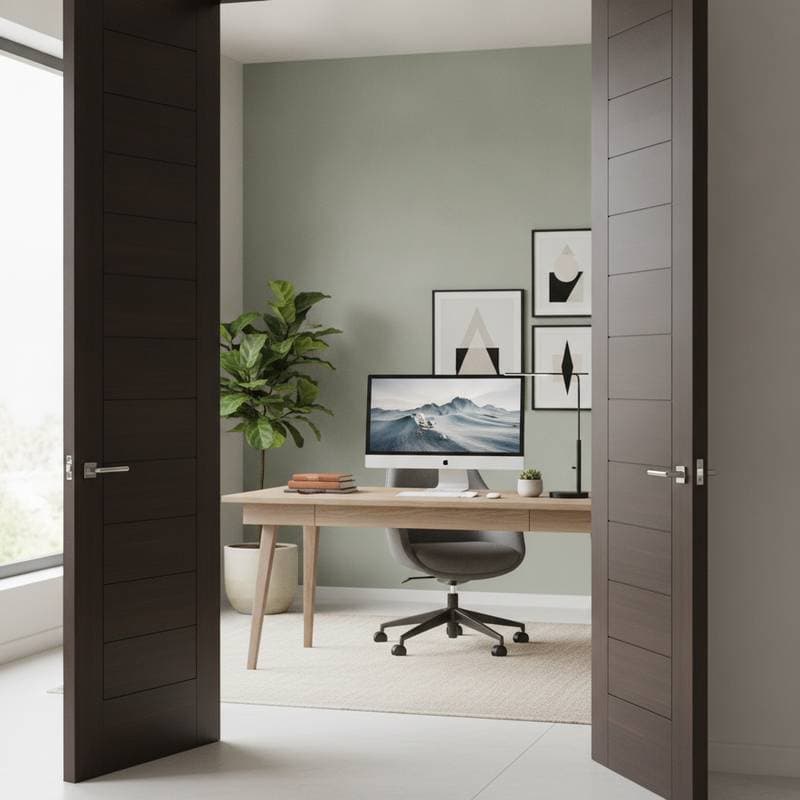
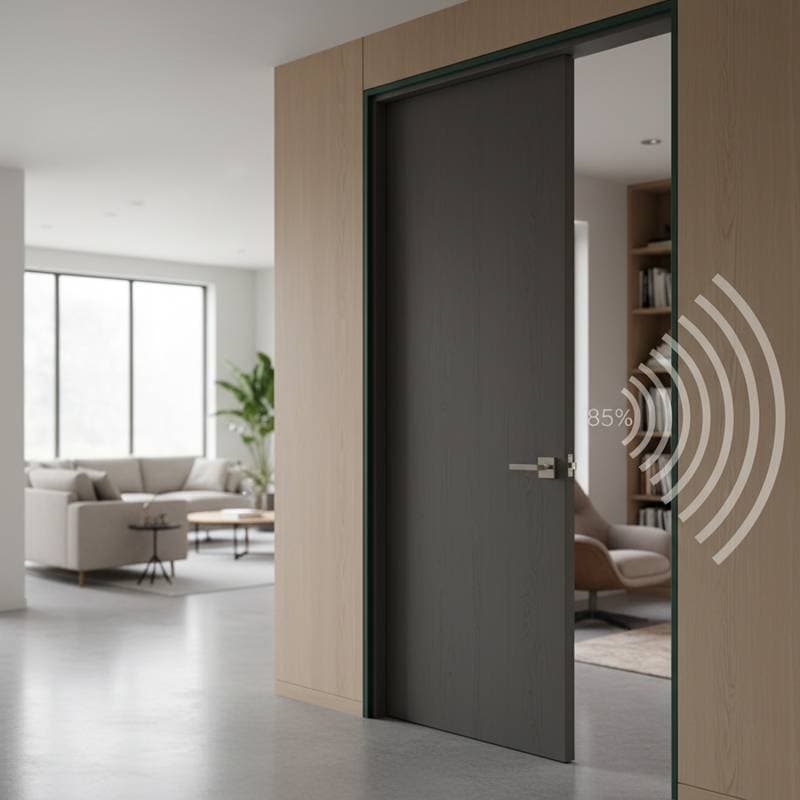
Acoustic Doors: Achieving Up to 85% Noise Reduction in Homes
Homeowners increasingly seek solutions for sound management in contemporary living spaces. With remote work, online learning, and family activities overlapping, the demand for serene areas intensifies. Acoustic doors offer a reliable method to minimize sound transmission across rooms. These doors integrate advanced engineering with everyday usability, fostering privacy and calm while preserving visual appeal.
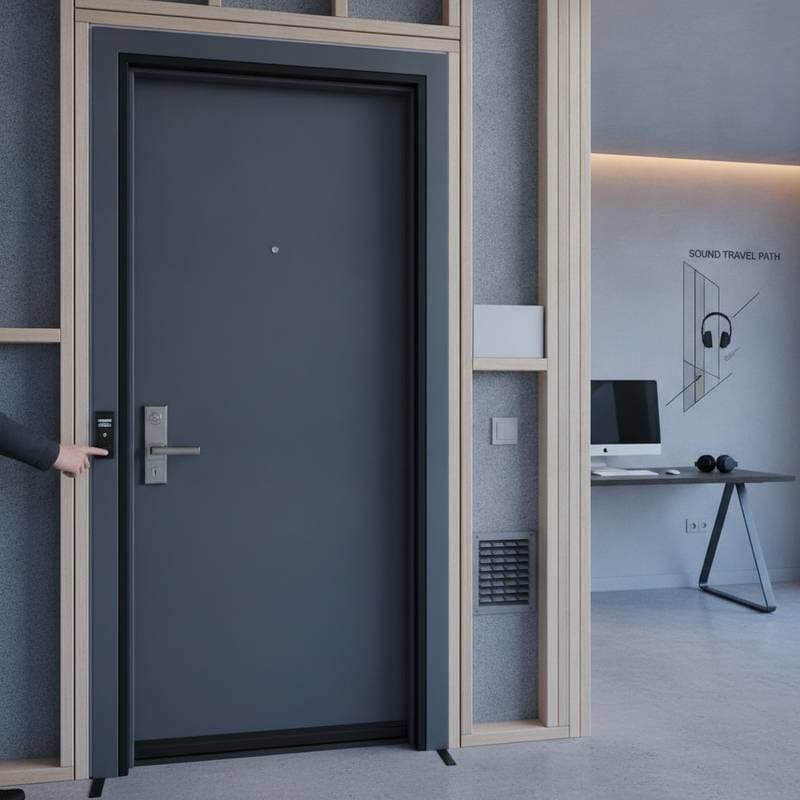
An acoustic door surpasses a standard interior door in complexity. It functions as a specialized barrier that controls sound wave propagation through solid structures and tight perimeters. When chosen and fitted correctly, such doors diminish noise by up to 85 percent. This capability elevates typical rooms into insulated havens of tranquility.
Key Materials for Acoustic Doors
Material selection shapes both the door's sound-blocking efficiency and its visual integration. Decisions hinge on the room's function and the home's decorative scheme. Below is a comparison of common options.
| Material Type | Noise Reduction Level | Maintenance Requirements | Common Applications | Visual Versatility |
|---|---|---|---|---|
| Solid Wood | High, enhanced by seals | Periodic surface treatment | Offices, bedrooms | Warm, organic textures |
| Composite Core | Superior, uniform density | Low | Media rooms, recording spaces | Wood-like or custom paints |
| Metal-Faced Core | Exceptional, robust barrier | Low | Utility spaces, workshops | Practical, minimal options |
| Glass Acoustic | Moderate, varies by thickness | Regular wiping | Offices, collaborative zones | Contemporary, transparent |
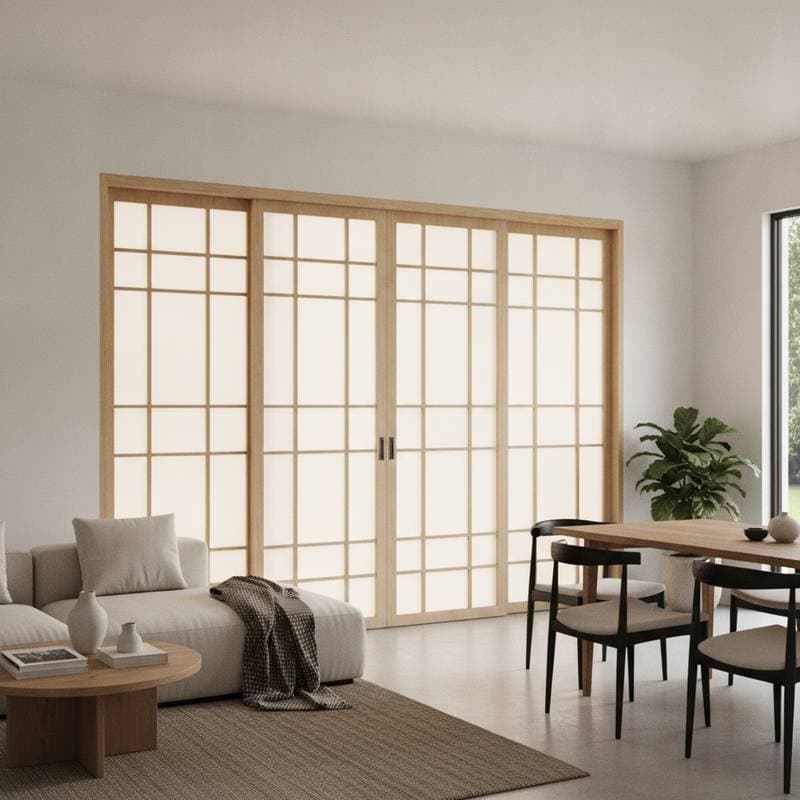
Individuals who prioritize organic warmth often select solid wood or veneered surfaces. For peak isolation in creative or entertainment areas, composite or blended cores prove ideal. Each material balances performance with practical needs, ensuring the door enhances rather than detracts from the space.
Step-by-Step Installation Guide
Acoustic door setup demands accuracy beyond routine interior installations. Follow these stages to secure optimal results.
-
Initial Assessment and Sizing
Measure the wall depth, opening dimensions, and door swing orientation. Accurate dimensions guarantee a snug fit that supports complete sealing against sound leaks. -
Frame Setup
Acoustic frames carry added weight and often feature built-in gaskets. Secure them firmly to the structure to prevent vibrations from compromising isolation. -
Door Mounting
Attach the door with reinforced hinges designed for heavier loads. Verify uniform gaps around the edges and test for effortless operation. -
Sealing Optimization
Adjust edge gaskets and threshold drops for uniform pressure on all sides. This step eliminates potential pathways for airborne noise. -
Performance Check
Inspect for light penetration, irregular spaces, or drafts. Address any issues immediately to confirm the assembly meets soundproofing standards.
Engage certified professionals for this process. Amateur efforts risk subtle errors that undermine the door's effectiveness over time.
Ongoing Maintenance Practices
These doors demand little daily attention, yet routine checks preserve their efficacy.
-
Seal Evaluation
Examine edge and floor seals biannually. Swap out any degraded parts to sustain airtight integrity. -
Finish Upkeep
Apply gentle, finish-appropriate cleaners. Steer clear of harsh substances that might harm surfaces. -
Hardware Maintenance
Secure loose fasteners and apply lubricant to hinges. This ensures reliable alignment and closure. -
Humidity Management
Maintain balanced indoor moisture levels. Fluctuations can distort wood elements and loosen seals.
Diligent habits extend the door's sound-dampening capabilities for years, often spanning decades.
Factors to Consider When Selecting Acoustic Doors
Narrow choices by evaluating these elements.
-
Room Functionality
Assign moderate STC-rated doors to sleep or study zones. Reserve higher-rated models for high-noise areas like home theaters. -
Surrounding Structure
Assess walls, floors, and ceilings for vulnerabilities. A superior door alone cannot compensate for porous enclosures. -
Cost and Style Alignment
Align performance levels with budget and decor needs. Prioritize premium aesthetics in visible locations. -
Expert Input
Seek advice from acoustics professionals. Their insights tailor selections to specific environments.
Realizing Lasting Sound Control Benefits
Properly installed and cared-for acoustic doors provide sustained quiet and seclusion. They extend beyond utility to enhance daily well-being, promoting concentration, rejuvenation, and harmony in shared living.