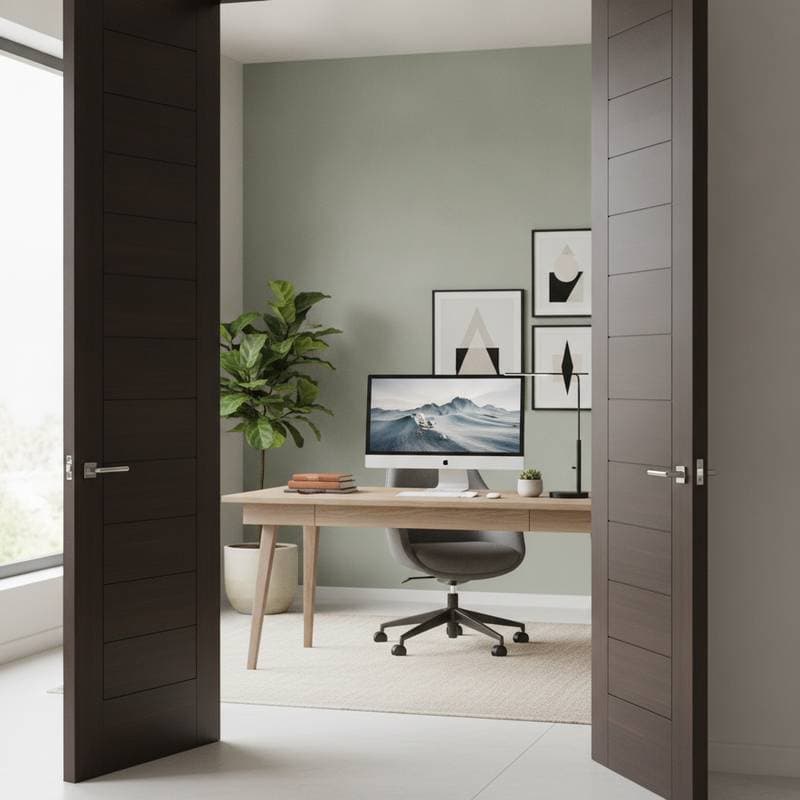
How Acoustic Doors Reduce Home Office Noise by Up to 80 Percent
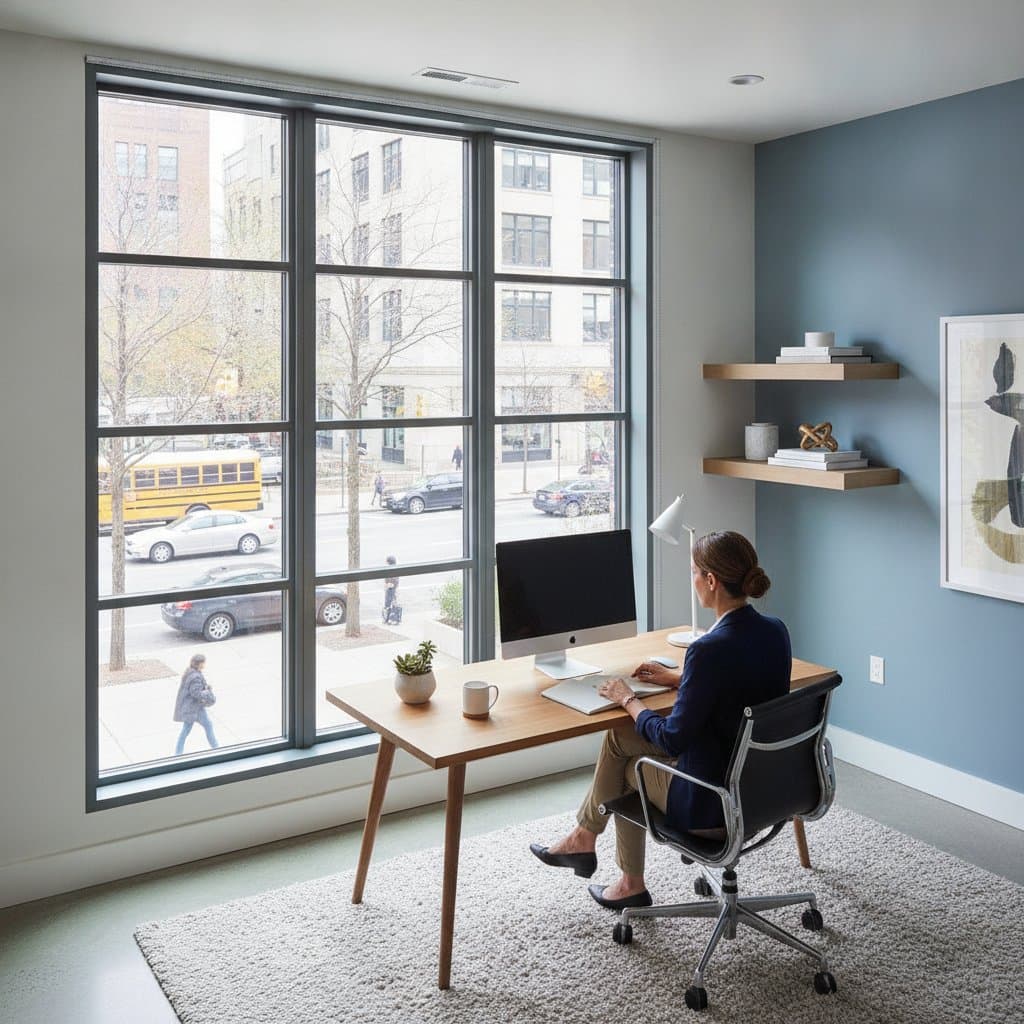
Remote work offers flexibility, yet everyday sounds from family activities, street traffic, or household pets often disrupt concentration. Standard interior doors fail to block these intrusions effectively, allowing noise to penetrate easily. Acoustic doors address this issue by minimizing sound transmission through specialized construction, potentially reducing noise by as much as 80 percent and fostering a more focused professional setting. Homeowners benefit from understanding the options in materials, pricing, and setup to select the ideal solution.
Pricing Overview for Acoustic Doors
Acoustic door expenses fluctuate according to construction quality, size, and sound-blocking capabilities. Expect to invest between $800 and $3,000 per door, with installation included, for most residential applications. Factors such as prehung units versus bespoke designs tailored to specific jambs influence the final figure.
| Door Type | Cost Range (Installed) | STC Rating | Best For |
|---|---|---|---|
| Solid-Core Wood | $800 to $1,500 | 35-45 | Moderate noise control in offices or bedrooms |
| Acoustic Laminated Wood | $1,200 to $2,000 | 40-50 | Enhanced soundproofing for dedicated workspaces |
| Metal Acoustic Door | $1,500 to $3,000 | 45-55 | Maximum isolation in studios or adjacent rooms |
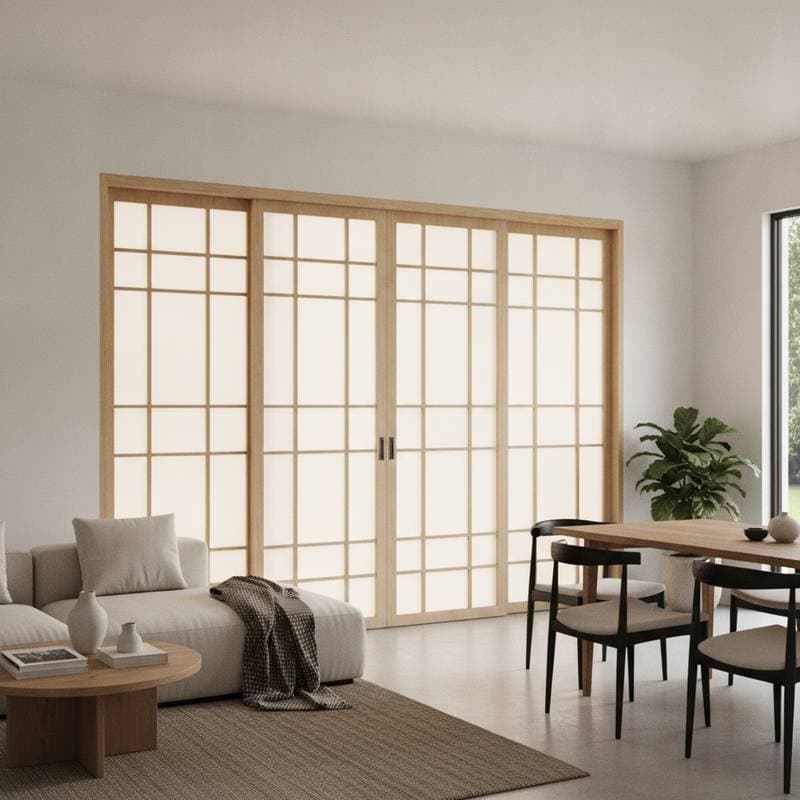
| Acoustic Glass Door | $1,000 to $2,500 | 35-45 | Contemporary style with solid noise reduction |
These estimates account for professional labor, perimeter seals, and standard hardware. Opting for custom stains, tempered glass inserts, or advanced gaskets can raise expenses by 15 to 25 percent. To refine your budget, measure the door opening and note any unique architectural features before consulting suppliers.
Step-by-Step Installation Guide
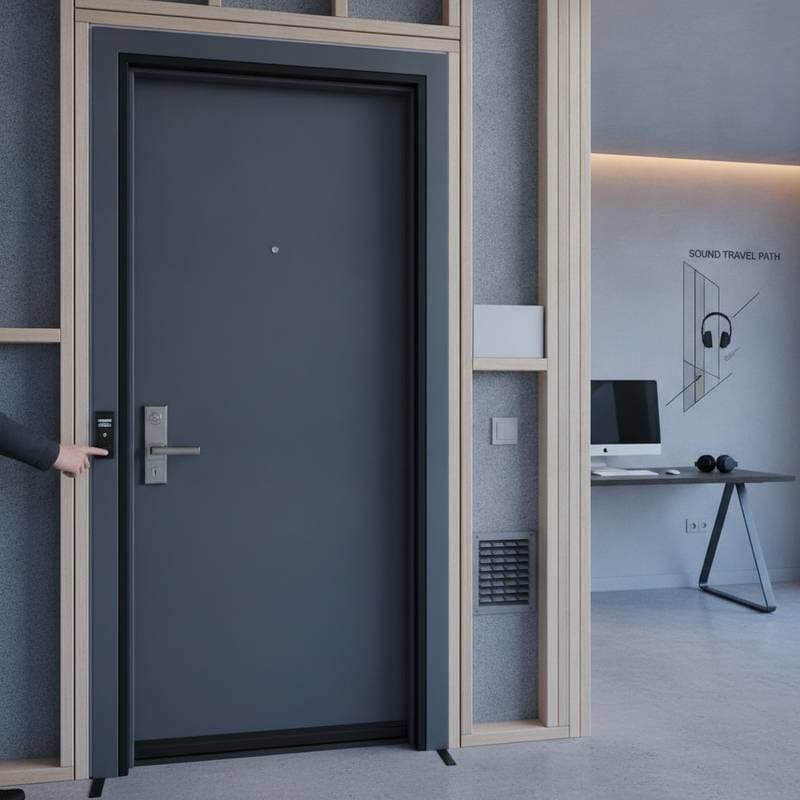
Professional replacement of a conventional door with an acoustic version typically requires one to two hours. This efficiency stems from standardized procedures that prioritize airtight seals to maximize sound isolation.
- Site Evaluation and Sizing: Technicians measure the rough opening precisely and inspect surrounding walls for potential flanking paths where sound might escape.
- Jamb and Trim Removal: Existing components come out cleanly, followed by reinforcement of the frame with isolation materials to prevent vibration transfer.
- Slab Mounting: The door panel installs with exact leveling to guarantee uniform edge contact and optimal acoustic performance.
- **Sealing ** Automatic drop seals at the threshold and perimeter gaskets undergo testing to confirm they form a complete barrier upon closure.
- Final Assembly and Verification: Hardware secures firmly, surfaces receive finishing touches, and an audible test confirms reduced transmission.
Such installations endure for years, provided seals remain intact, offering reliable value for noise-sensitive environments.
Ideal Scenarios for Acoustic Door Upgrades
These doors suit diverse home layouts, particularly where auditory privacy matters most. Consider them in these contexts:
- Proximity to Active Zones: Position near kitchens or play areas to shield video meetings from interruptions.
- Multi-Occupant Residences: Valuable in condos or family homes sharing thin walls.
- Creative or Media Spaces: Essential for containing instrument sounds or protecting against external echoes.
- Rest Areas: Beneficial for infant rooms or master suites adjacent to high-traffic zones.
Test your setup by shutting the current door and gauging audibility of typical household chatter. Clear transmission signals the need for an upgrade with at least a 40 STC rating.
Complementary Measures to Amplify Soundproofing
A single acoustic door yields strong results, yet pairing it with targeted enhancements creates comprehensive quiet. Integrate these approaches for superior outcomes:
- Wall-Mounted Absorbers: Install fabric-wrapped panels to capture mid-frequency echoes and soften room acoustics.
- Perimeter Sealing: Apply non-hardening acoustic sealant to edges around electrical boxes, baseboards, and light fixtures.
- Window and Vent Treatments: Add magnetic weatherstripping or foam tape to curb drafts carrying sound.
- Flooring Solutions: Layer area rugs over hard surfaces to dampen footsteps and lower overall noise levels.
- Furniture Barriers: Position loaded bookshelves against walls or hang heavy drapes to diffuse and absorb passing waves.
Layering these elements systematically can push total noise reduction beyond 80 percent, tailoring the space to individual workflow demands.
Upkeep Strategies for Sustained Performance
Routine care keeps acoustic doors functioning at peak efficiency with little effort. Schedule yearly reviews to spot issues early.
Inspect seals around the frame and threshold for compression loss or degradation, replacing components as needed to preserve the barrier. Lubricate hinges with silicone-based products to ensure smooth operation without squeaks. Wipe surfaces using mild soap solutions on microfiber cloths, avoiding harsh chemicals that might damage laminates.
Well-maintained units retain their sound-dampening properties for 20 years or more. Proactive checks on alignment and hardware prevent minor wear from escalating into performance dips.
Steps to Secure a Quieter Workspace
Elevating your home office through acoustic upgrades directly enhances daily output and well-being. Start by evaluating noise sources in your current setup, then match them to appropriate door specifications.
Engage a specialist for an on-site assessment to pinpoint the optimal STC level and material. With precise selection and execution, expect substantial cuts in distractions, paving the way for uninterrupted focus and elevated professional results.