Why Acoustic Doors Reduce Work-from-Home Noise by Up to 80 Percent
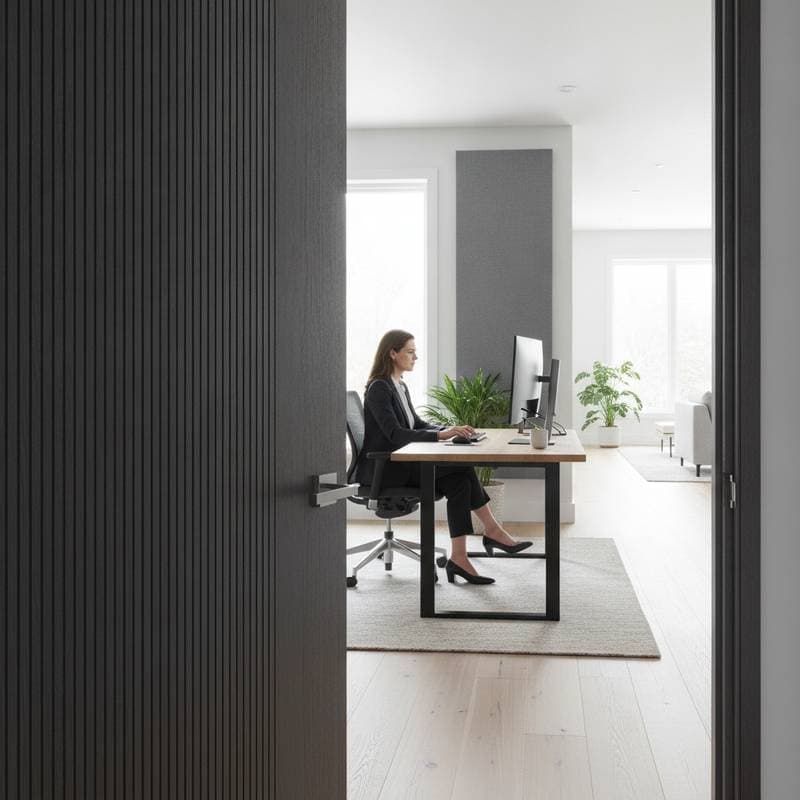
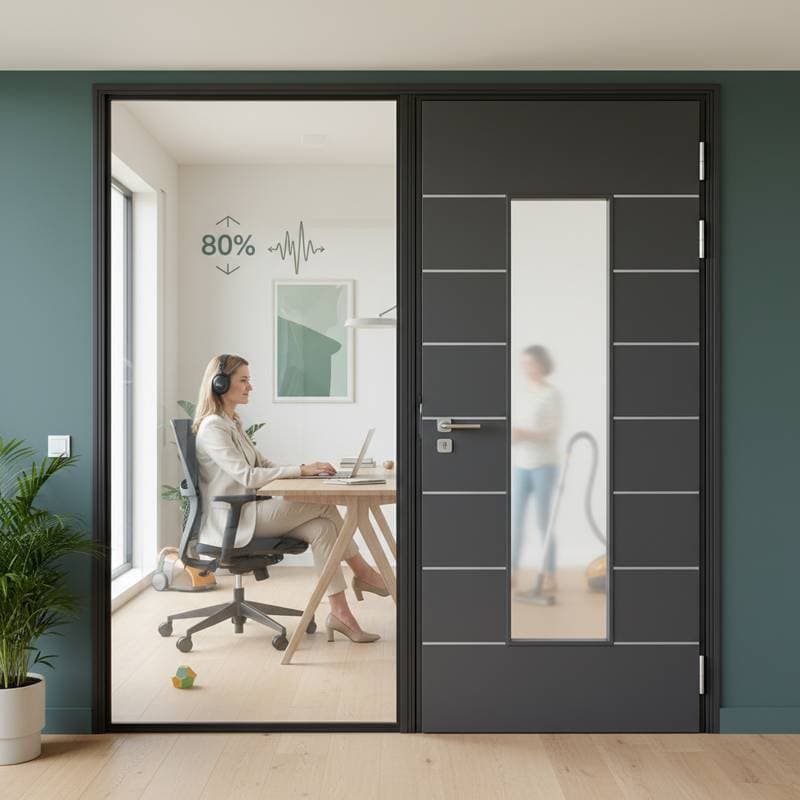
The shift to remote work has solidified for numerous professionals, yet domestic sounds frequently hinder concentration. Activities such as canine barking, culinary preparations, or family conversations can interrupt virtual meetings and intensive tasks. Acoustic doors provide a reliable solution to mitigate these interruptions, achieving sound reduction levels of up to 80 percent through specialized design elements.
Homeowners benefit from understanding the principles behind these doors, their financial implications, selection criteria, and upkeep routines. This knowledge empowers informed decisions that enhance daily productivity. Below, key aspects receive detailed examination.
How Acoustic Doors Achieve Superior Sound Reduction
Acoustic doors function by incorporating multiple layers that impede sound wave transmission. A dense core, often crafted from solid wood or composite materials, forms the foundation, absorbing vibrations effectively. Precision-engineered seals around the perimeter create an airtight barrier, preventing sound leakage through gaps.
The Sound Transmission Class (STC) rating quantifies performance, with higher numbers indicating greater efficacy. Doors rated at STC 35 to 45 block moderate noises like television audio or footsteps, while STC 50 or above handles louder disturbances such as vacuums or music. Automatic drop seals at the threshold further enhance isolation by conforming to floor surfaces upon closure.
Installation precision proves crucial, as even minor misalignments diminish effectiveness. Professional fitting ensures seals compress fully, maximizing the door's potential to foster a tranquil workspace amid household activity.
Typical Costs Associated with Acoustic Doors
Pricing for acoustic doors fluctuates based on construction quality, acoustic performance, and setup complexities. Most residential installations range from $600 to $1,800 per door, encompassing materials and labor. Premium variants designed for rigorous applications may surpass $2,500.
| Material/Type | Cost Range (Installed) | Key Features |
|---|---|---|
| Solid Wood Acoustic Door | $600 to $1,200 | Natural aesthetics, reliable noise dampening |
| Composite Core Door | $900 to $1,600 | Layered build for superior isolation |
| Metal-Clad Acoustic Door | $1,400 to $2,500 | Optimal blocking for high-noise areas |
Labor typically constitutes 20 to 30 percent of expenses, influenced by needs like frame adjustments or seal reinforcements. Budget-conscious buyers might opt for solid wood options, whereas those prioritizing maximum quiet select composite or metal-clad models. Additional costs could arise from custom sizing to fit non-standard openings.
Selecting the Ideal Acoustic Door for Your Home Office
Begin the selection process by evaluating primary noise origins within your living space. Proximity to high-traffic zones like hallways warrants a door with an STC rating of at least 40 to curb echoes and voices. Adjacent to lively areas such as kitchens, composite core doors excel in containing clanging utensils or appliance hums without sacrificing style.
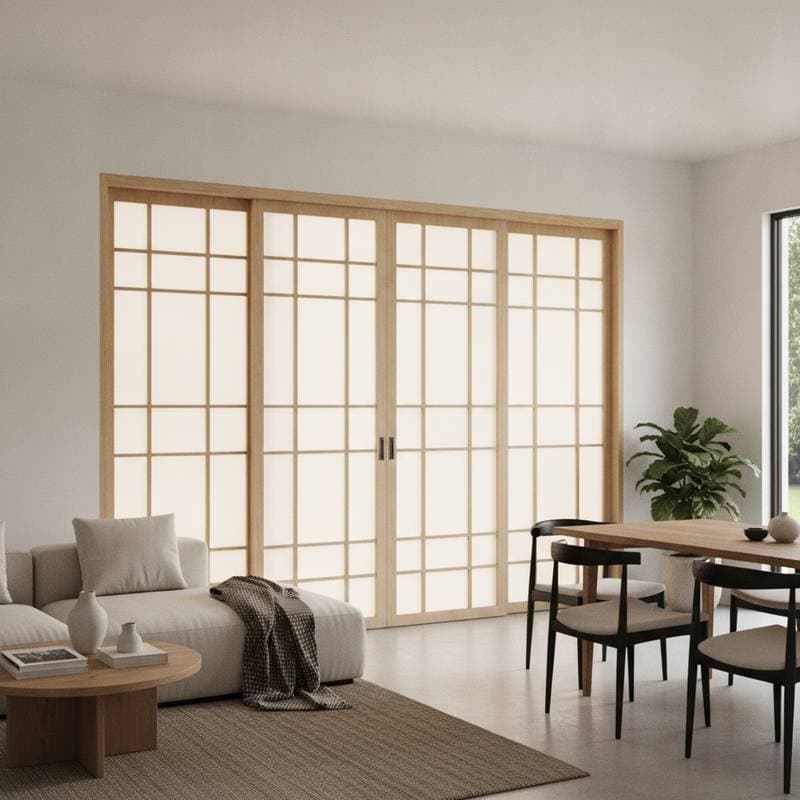
Aesthetic integration remains essential for seamless home incorporation. Available finishes span painted surfaces, wood veneers, and contemporary laminates to harmonize with interior decor. Certain designs incorporate tempered glass panels with acoustic laminates, permitting natural light entry while upholding privacy and sound barriers.
Consider door swing direction and hardware compatibility with existing setups. Left- or right-handed models accommodate room layouts, and soft-close hinges minimize operational noise. Testing samples in person, if possible, verifies tactile quality and visual appeal before commitment.
Maintenance Practices for Long-Term Acoustic Performance
Once installed, acoustic doors demand straightforward care to sustain efficacy over time. Quarterly cleaning of seals with a soft cloth removes accumulated dust, preserving their sealing integrity. Periodic hinge inspections ensure secure fastening, averting sagging that could introduce air gaps.
For doors equipped with automatic bottom seals, annual reviews detect material fatigue or misalignment. Lubricating moving parts with silicone-based products prevents sticking and maintains smooth operation. Avoiding harsh chemicals on surfaces protects finishes and core materials from degradation.
Incorporate complementary measures to amplify results. Acoustic panels on walls diffuse reflected sounds, while thick rugs or curtains absorb floor and air-borne noises. These enhancements prove particularly valuable in open-concept homes, where multiple noise paths challenge isolation efforts.
Enhancing Productivity Through Strategic Sound Management
Investing in an acoustic door extends beyond immediate quiet; it cultivates sustained focus and professional output. Reduced distractions correlate with fewer errors in tasks and shorter recovery periods from interruptions. This upgrade supports mental clarity, potentially alleviating stress from prolonged exposure to ambient chaos.
Professionals in creative fields or client-facing roles gain pronounced advantages, as clear audio during calls projects confidence. Families appreciate the boundary it establishes, promoting respectful quiet zones without isolating the user entirely. Over years, the door's durability justifies the initial outlay through consistent performance and minimal replacements.
To initiate this transformation, assess your current door's shortcomings and consult suppliers for tailored recommendations. Such steps yield a home office that not only silences noise but also invigorates daily work routines with purpose and efficiency.