Achieving 80 Percent Noise Reduction in 2026 Home Offices
Silence represents a growing priority in home design. As individuals convert additional rooms into dedicated workspaces, the demand for effective sound management increases. A thoughtfully constructed home office requires both visual appeal and the ability to maintain concentration and seclusion. Recent advancements in soundproofing focus on the door as a key component. Selecting an appropriate acoustic door achieves up to 80 percent reduction in external noise, fostering an environment suitable for focused tasks and virtual conferences.
This development avoids the need for extreme measures like professional recording facilities. Instead, it emphasizes practical sound mitigation through materials and features that integrate seamlessly with home aesthetics. Such doors provide quantifiable sound dampening while aligning with surrounding elements like moldings, floors, and walls.
Reasons This Approach Succeeds
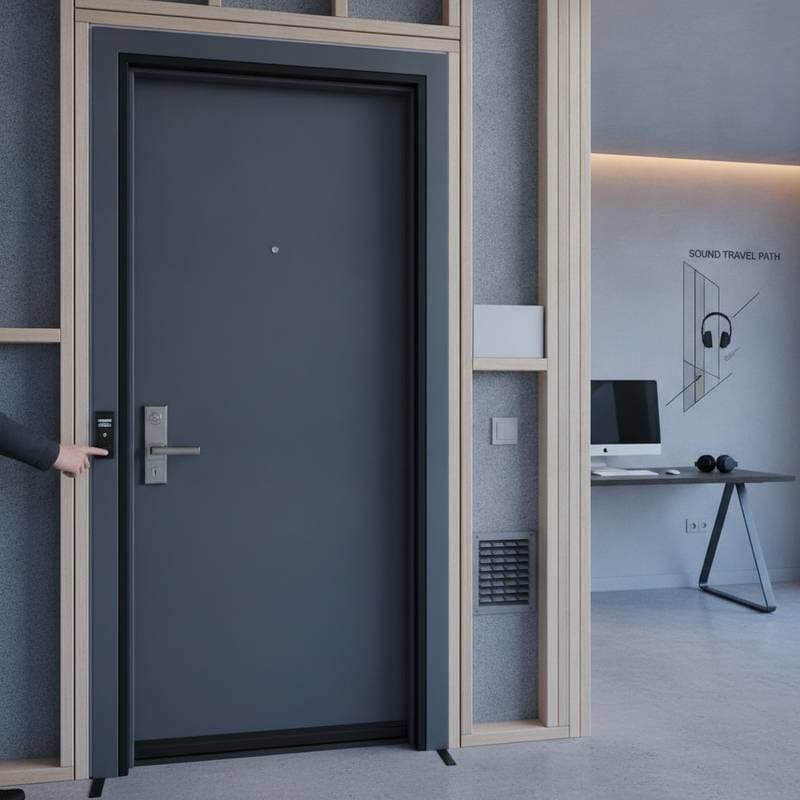
Home office doors advance beyond mere aesthetic dividers to serve as functional assets. Individuals seek areas insulated from daily household sounds without disrupting overall design unity. Acoustic doors address this need through dense interiors, secure seals, and reinforced frames that capture and contain audio. Consequently, the space attains a sense of isolation amid ongoing home activities.
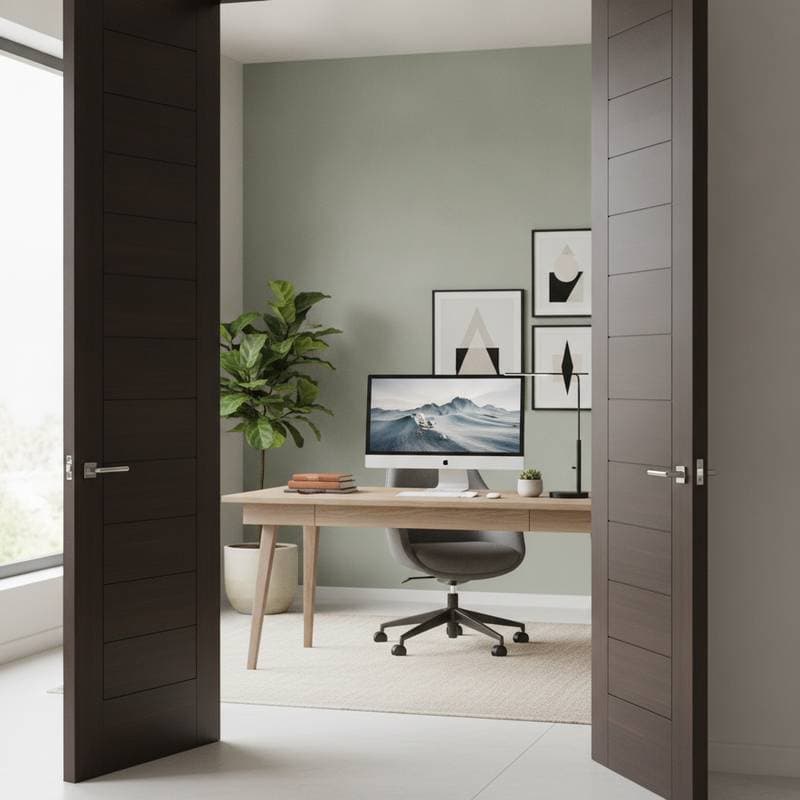
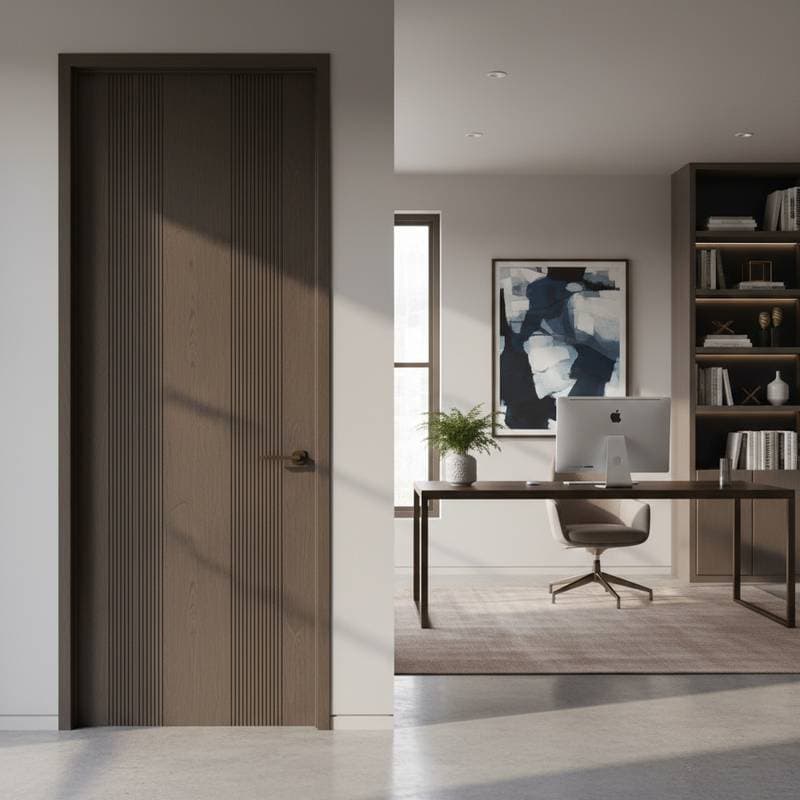
Professionals in design value the variety of contemporary acoustic door options, including wood veneers, painted surfaces, and designs with glass elements. Utility does not necessitate sacrificing visual appeal. A soundproofed area integrates effortlessly with the home's style, whether modern or classic.
Three Strategies to Implement Acoustic Doors
Budget Strategy ($400 to $1,000)
- Opt for a solid-core wood composite or medium-density fiberboard door. These materials provide greater mass than hollow alternatives and reduce sound transmission by approximately 50 percent at a reasonable expense.
- Install premium weatherstripping along the frame to eliminate air leaks. This secure barrier minimizes audio penetration even in cost-effective models.
- Apply paint or stain to align with current trim, avoiding full frame replacement. Simple additions like brushed nickel hinges enhance refinement without increasing expenditure.
Intermediate Strategy ($1,000 to $2,500)
- Select engineered wood or veneered acoustic doors featuring built-in sound seals. These deliver refined surfaces and elevated sound transmission class ratings.
- Incorporate a solid wood jamb with surrounding gaskets to enhance containment.
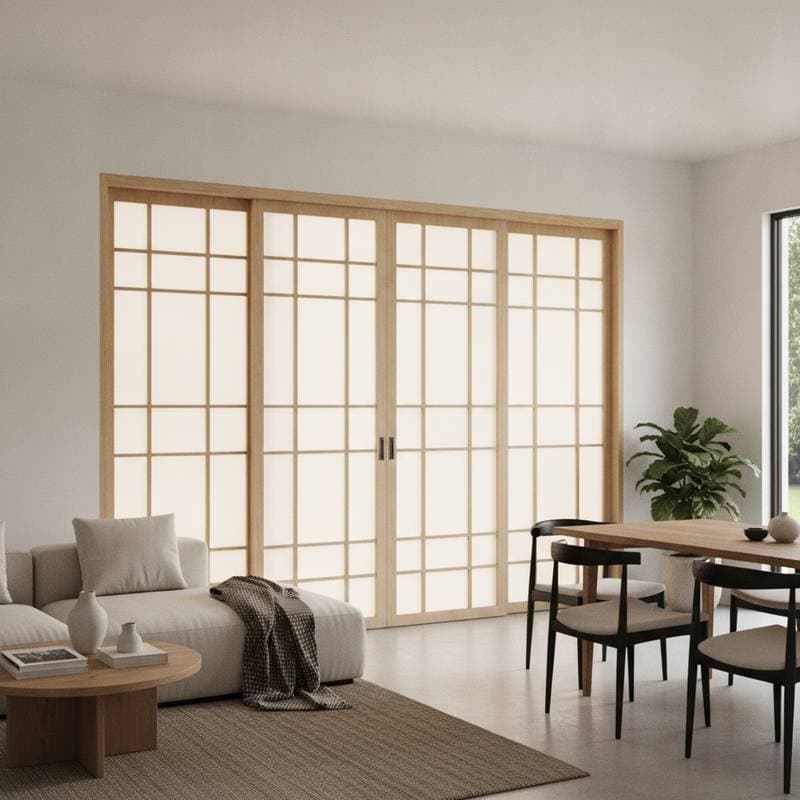
- Include a matching sidelight or transom equipped with laminated acoustic glass, allowing daylight entry while preserving quiet.
- Choose durable lever hardware that activates the seal upon closing, optimizing efficacy.
Premium Strategy ($2,500 to $5,000)
- Choose a comprehensive acoustic door assembly designed for demanding settings. This encompasses multi-layered cores, automatic drop seals, and exact-fit frames.
- Apply custom veneer or solid hardwood surfaces to uphold both style and soundproofing.
- Utilize automatic drop mechanisms and magnetic seals for advanced containment comparable to commercial standards, yet suitable for homes.
- Combine with enhanced wall insulation and sound-absorbing panels to achieve complete acoustic harmony in intensive work areas.
Guide to Materials and Finishes
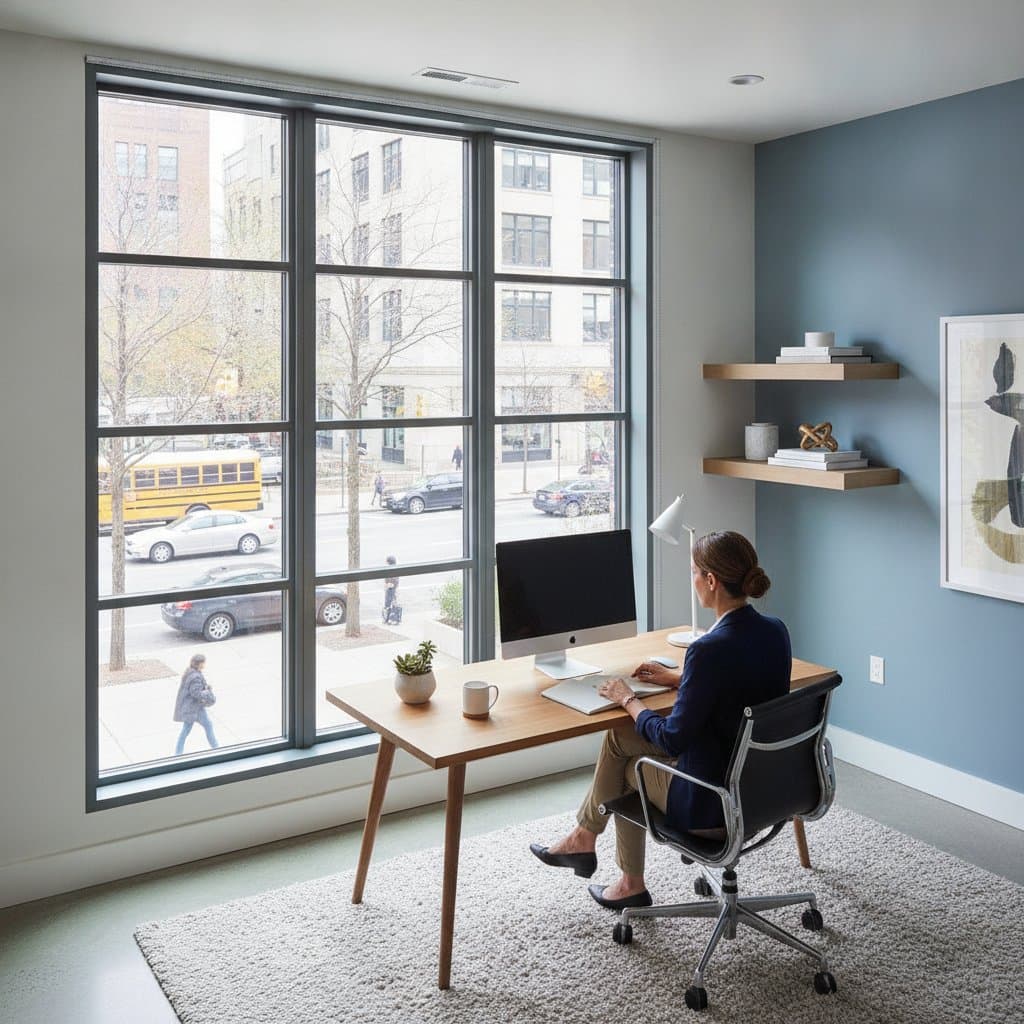
- Windows: Incorporate double- or triple-pane glass with sound-dampening layers for offices with external views. Finishes in dark bronze, black, or natural wood harmonize with door selections. Slim mullions maintain a streamlined appearance while improving audio isolation.
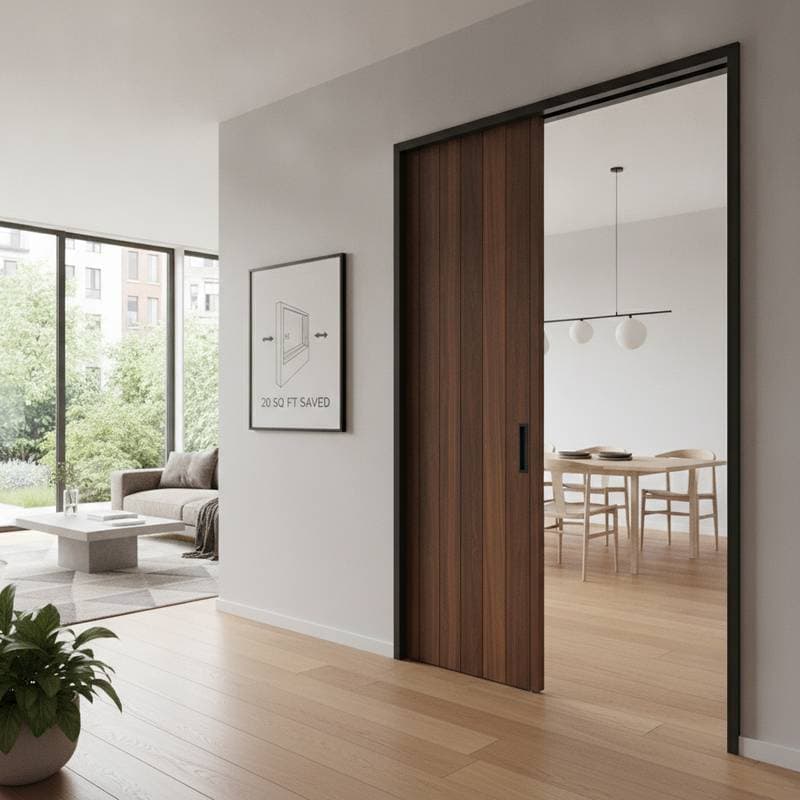
- Doors: Solid-core wood, medium-density fiberboard, or laminated veneer constructions offer optimal combination of elegance and sound control. Favored options include white oak for Nordic influences, walnut for retro warmth, and matte black paint for sleek minimalism.
- Siding: In standalone or repurposed garage offices, fiber cement siding ensures longevity and noise resistance. Smooth lap styles paired with wood-resembling entry doors create visual equilibrium.
- Trim and Accents: Employ broader casings around the door frame for a seamless shift from soundproof elements to wall treatments. Coordinated thresholds or saddles in oak or brushed aluminum finalize the barrier aesthetically.
Essential Maintenance Practices
Acoustic doors demand regular seal inspections to sustain effectiveness. Examine gaskets yearly to confirm flexibility and condition. Substitute weatherstripping if compression or degradation occurs. Refresh painted or stained surfaces promptly to block moisture that might compromise the interior structure.
Solid wood varieties require occasional re-oiling or resealing, particularly in moist regions. Medium-density fiberboard and laminate types involve minimal care but must remain dry to prevent expansion. Lubricate hinges and latches periodically to ensure seals function correctly.
For glass components, wipe both surfaces frequently with gentle cleaners. Accumulated residue near seals can diminish performance. Routine attention preserves the door's sound-blocking capacity over extended periods.
Common Pitfalls to Avoid
- Selecting Hollow-Core Doors: These light options prove economical yet permit easy sound passage. No amount of surface treatment offsets their insufficient density.
- Neglecting the Frame: A high-performing door in an inadequate or unsealed frame yields suboptimal results. View the frame and threshold as integral to the overall acoustic setup.
- Disregarding Ventilation Sounds: Air conditioning outlets or grilles may allow noise re-entry. Install sound baffles or insulated ducts to uphold tranquility.
- Emphasizing Only the Door Panel: Effective isolation relies on the interplay of door, frame, seals, and floor connections. Omitting any element weakens the system's impact.
Coordinating Colors and Styles
Soundproofing capabilities now support expansive design choices. Modern schemes emphasize neutral shades and organic textures that suit office settings. A unified color approach amplifies both visual and sensory appeal.
Recommended Color Options
- Soft White Oak: Provides a gentle hue that complements pale walls in tranquil, Nordic-style offices.
- Charcoal Gray: Suits contemporary residences with dark window frames and utilitarian fixtures.
- Deep Walnut: Delivers enduring depth for traditional spaces featuring detailed woodwork.
- Matte Black: Offers bold definition in current designs, while hiding marks effectively.
- Muted Sage: Introduces soothing subtlety, linking interior calm with external nature.
Pair these with hardware in brushed metals like stainless steel or bronze. Align door surfaces with office furniture or storage elements for harmony.
Photography and Planning Checklist
Prior to purchasing or fitting an acoustic door, record your current setup thoroughly. Precise images and dimensions facilitate precise choices and efficient setup.
Homeowner Preparation Steps
- Photograph the office from various perspectives, including the corridor view.
- Document the style of existing trim, flooring, and window surrounds.
- Identify any community or association guidelines impacting external modifications.
- Assess local weather factors like humidity or fluctuations that affect material suitability.
- Establish a budget limit upfront and target key performance zones for allocation.
These actions clarify product evaluations and consultations with installers or vendors.
Integrating Acoustic Doors for Optimal Home Office Performance
An effective home office door operates unobtrusively while fulfilling vital duties. An acoustic version reducing external noise by about 80 percent establishes serenity without imposing visual bulk. Various budget levels enable this outcome through emphasis on mass, closure, and stylistic integration.
Such enhancements transcend simple separation. They bolster attention, seclusion, and a professional atmosphere amid domestic life. Whether clad in natural timber, contemporary flat shades, or augmented with glass for illumination, the acoustic door shapes progressive, practical home architecture. Silence evolves from optional perk to foundational aspect of balanced living that honors professional and personal needs.