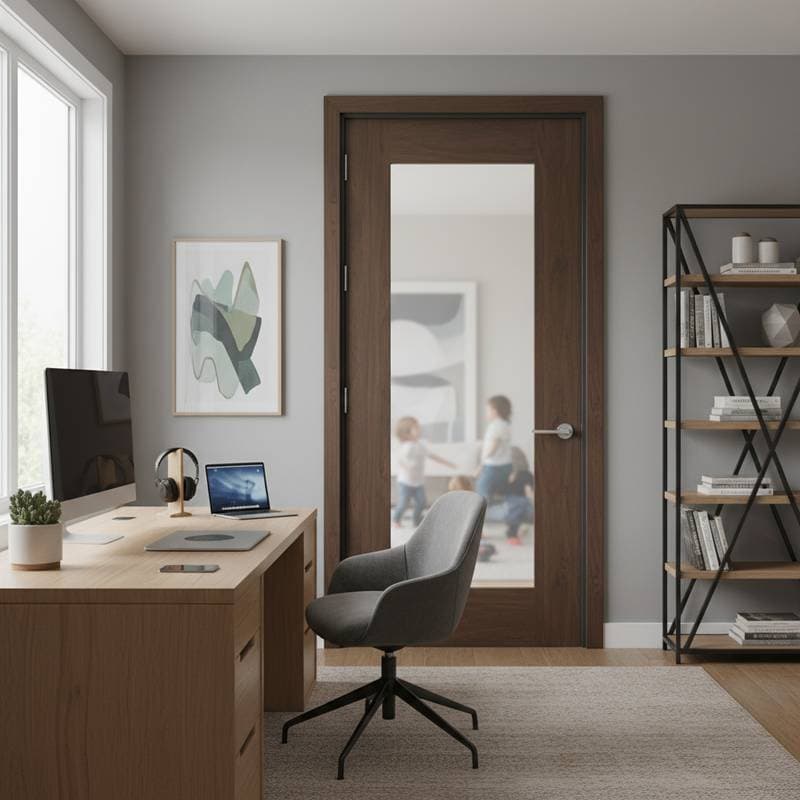
Cut 85% Noise: Soundproof Doors for WFH Bliss
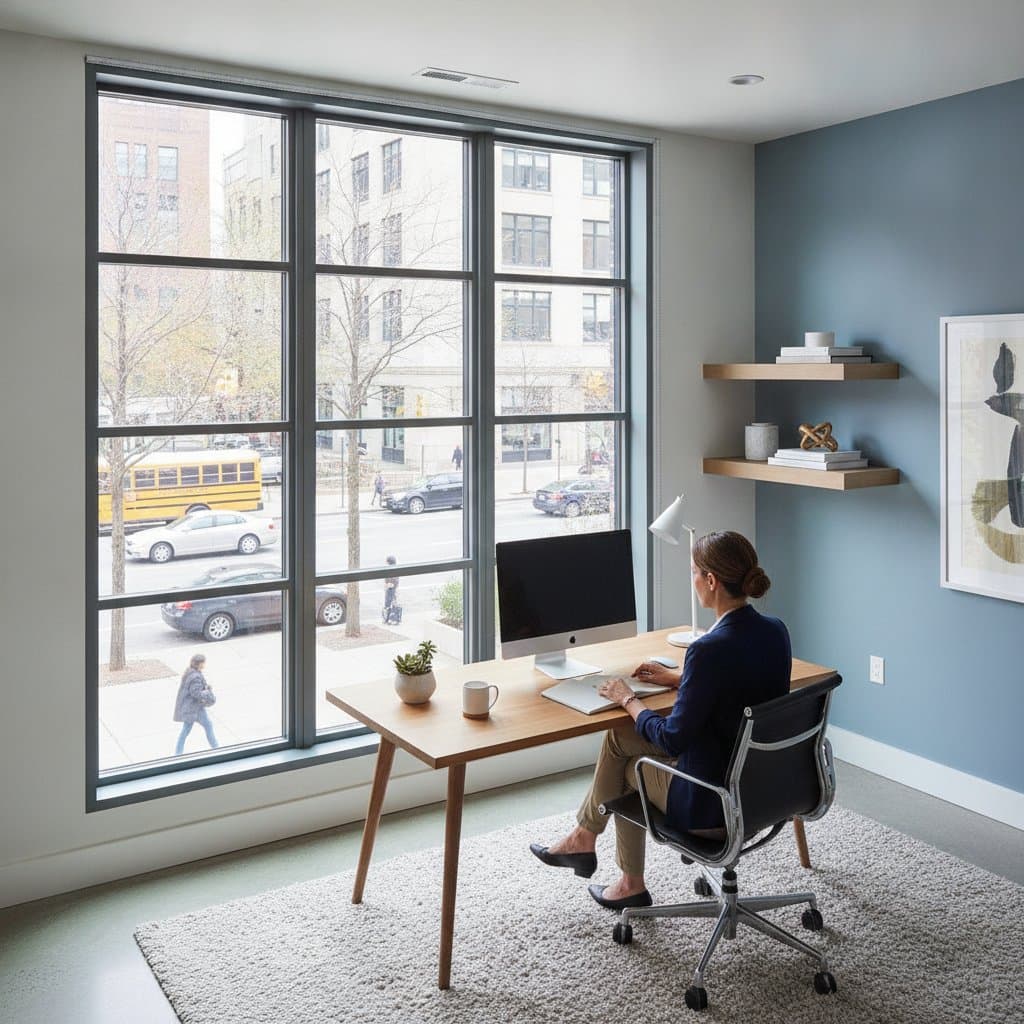
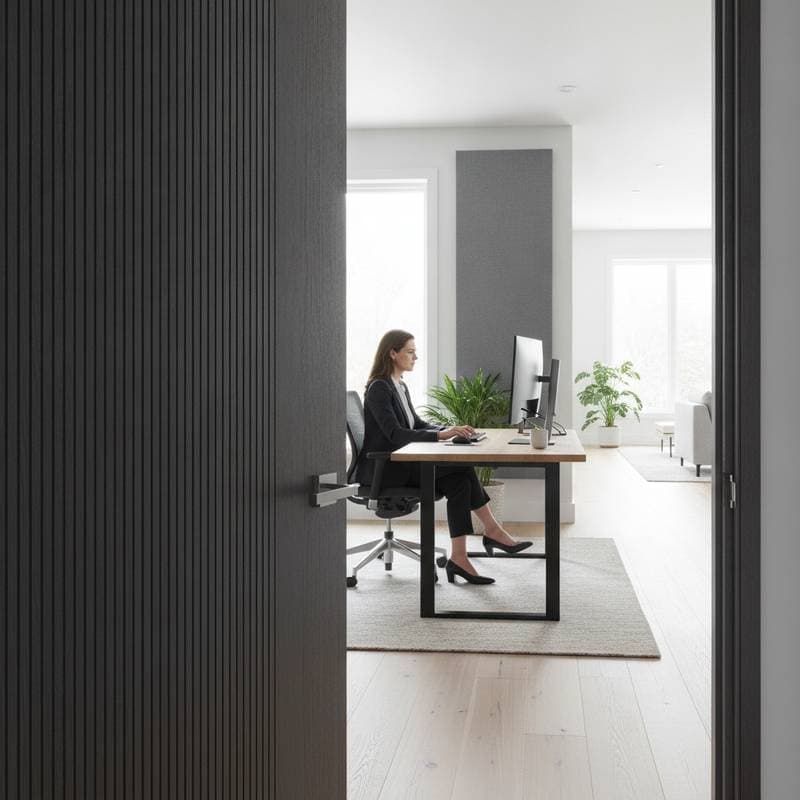
Creating a quiet home office has become essential for remote workers. Background noises from family members, pets, or external activities often disrupt concentration and lower productivity. Soundproof doors provide an effective solution to minimize interior noise without requiring extensive renovations. By grasping the mechanics of these doors, exploring available types, and planning their integration, homeowners can establish a workspace that fosters focus and comfort.
Understanding How Soundproof Doors Work
Soundproof doors are designed to block or absorb sound waves that pass through gaps, materials, and air spaces. Standard interior doors permit sound to travel freely, but soundproof models employ dense cores, specialized seals, and multilayered builds to limit transmission. The objective is significant noise reduction rather than total elimination, sufficient to ensure privacy for calls, typing, and discussions.
Effectiveness is quantified by the Sound Transmission Class (STC) rating. A hollow-core door typically scores around 20 on the STC scale, whereas a robust soundproof door achieves 45 or more. Each five-point increase in STC delivers a perceptible drop in noise volume. For home offices, a 25-point gain often converts a disruptive area into a serene one.
Material and Construction Options
Soundproof doors vary by material, each offering distinct acoustic benefits and visual appeals. Selection hinges on harmonizing aesthetics, budget, and noise-blocking capability.
| Door Type | Initial Cost | Lifespan | Maintenance | Best For |
|---|---|---|---|---|
| Solid Core Wood | Moderate | Long | Occasional refinishing | Traditional interiors |
| Acoustic Composite | Higher | Long | Minimal | Dedicated home offices |
| Metal Acoustic | High | Very long | Low | Studios or mixed-use spaces |
| Soundproof Glass | High | Medium | Cleaning and seal checks | Modern open layouts |
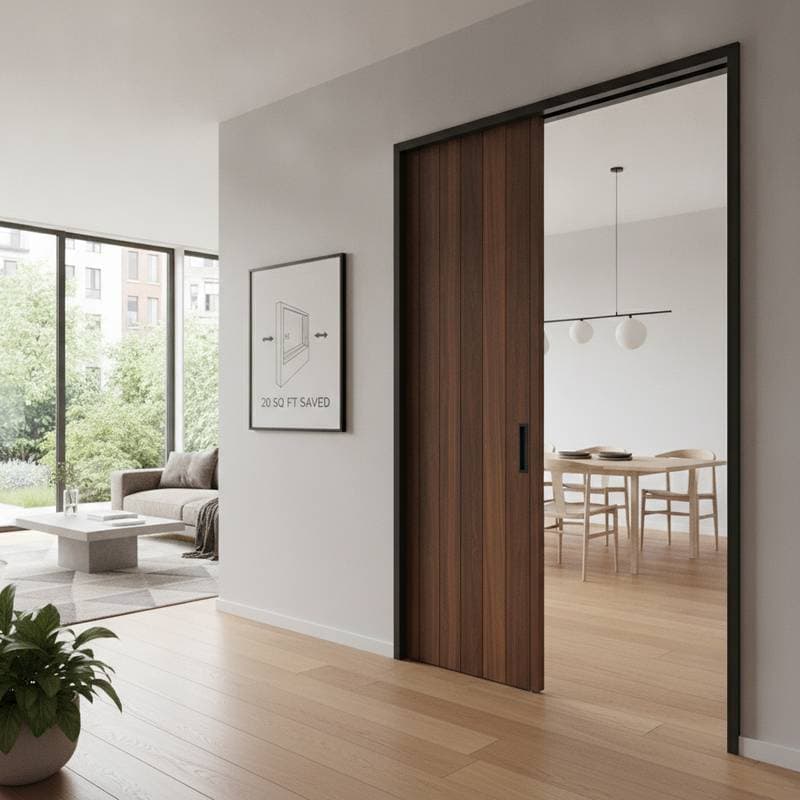
Solid core wood doors feature dense engineered lumber or hardwood veneers encasing a solid interior. These outperform hollow alternatives in sound dampening and deliver a classic, inviting appearance suitable for diverse home styles.
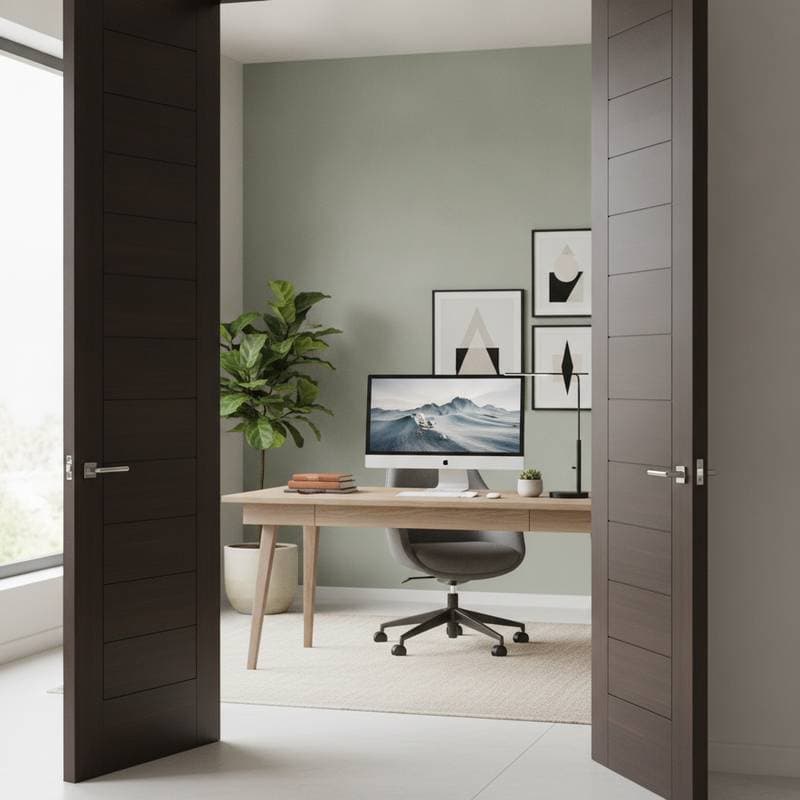
Acoustic composite doors integrate wood, vinyl, and insulating layers for optimal sound management and thermal efficiency. Many incorporate built-in panels or gaskets to curb vibrations and seal air leaks effectively.
Metal acoustic doors deliver peak noise isolation, commonly found in professional studios. Though their raw look suits industrial spaces, veneers or paints allow adaptation to residential decor.
Soundproof glass doors rely on laminated or dual-pane glass to suppress sound while preserving light flow. These suit contemporary designs prioritizing visibility alongside acoustic separation.
Key Design Features that Affect Noise Reduction
While materials form the foundation, precise elements dictate overall efficacy. Installation precision rivals the door's quality in importance.
- Door Core Density: Heavier cores absorb sound better and resist vibrational transfer across surfaces.
- Perimeter Seals: Gaskets along the frame block edge leaks, as even minor openings undermine results.
- Threshold and Sweep: Under-door gaps pose vulnerabilities; automatic bottoms or sweeps seal them securely.
- Frame Construction: Sturdy frames with secure joints halt sound paths through adjacent structures.
- Installation Method: Alignment and sealing during setup are crucial; misalignment negates superior materials.
Comparing Soundproofing Effectiveness
Performance levels among soundproof doors range widely, tailored to specific noise challenges.
| STC Rating | Noise Reduction Level | Typical Use |
|---|---|---|
| 25-30 | Reduces light conversation | Basic upgrade from hollow-core |
| 35-40 | Blocks normal speech and light music | Standard home offices |
| 45-50 | Makes loud conversation barely audible | High-privacy professional setups |
| 50+ | Blocks nearly all airborne sound | Studios, conference rooms |
In bustling households, an STC of 35 to 45 strikes an ideal balance. This level diminishes approximately 85 percent of intrusive sounds, retaining only subtle echoes that support sustained attention.
Planning and Preparation
Evaluate the office layout and sound pathways prior to purchase. Pinpoint noise origins, such as adjacent rooms, corridors, or outdoor sources. This analysis determines if a door suffices or if supplementary measures like wall padding, window coverings, or floor underlayments enhance outcomes.
Take precise doorway measurements, accounting for heavier door weights that demand reinforced frames. Note swing orientation and adjacent obstacles. For added features like sweeps, confirm floor compatibility to avoid irregularities.
Installation Process and Quality Checkpoints
Follow a structured approach to ensure seamless integration and peak performance.
- Planning and Evaluation: Verify dimensions, swing, and target STC. Select doors with included seals and gaskets.
- Preparation Steps: Dismantle the existing door and frame as required. Level walls and address imperfections.
- Main Implementation: Secure the new frame to walls with firm anchors. Mount the door on weight-appropriate hinges.
- Quality Assurance: Operate the door for fluidity and test seals using light or audio checks. Fine-tune components.
- Completion and Follow-up: Finish with paint or stain. Schedule regular seal inspections.
Balancing Function, Style, and Cost
Beyond noise control, soundproof doors enhance privacy, insulation, and property value. Expenses fluctuate with material, dimensions, and options; entry-level solid cores offer value, while advanced composites justify premiums for intensive use.
Prioritize skilled installation over marginal material upgrades, as execution profoundly impacts results. Allocate budget for expert labor to maximize acoustic gains.
Maintenance and Long-Term Care
These doors demand little routine care, yet proactive steps sustain efficacy. Wipe seals to remove debris that erodes sealing power. Monitor thresholds and sweeps for degradation, replacing as needed to maintain closure.
For wooden elements, refresh finishes to avert warping that invites sound entry. With consistent attention, a soundproof door endures for years, adapting to evolving needs through complementary room treatments like area rugs or drapes.
Selecting and Integrating for Optimal Results
Match the door to your setting: a sealed solid-core wood model handles hallway intrusions adequately. In high-activity zones, opt for composite acoustics. For aesthetic-driven homes, glass variants blend form and function seamlessly, delivering quiet without isolation.