Soundproof Doors Reduce Noise by 85% in Modern Homes
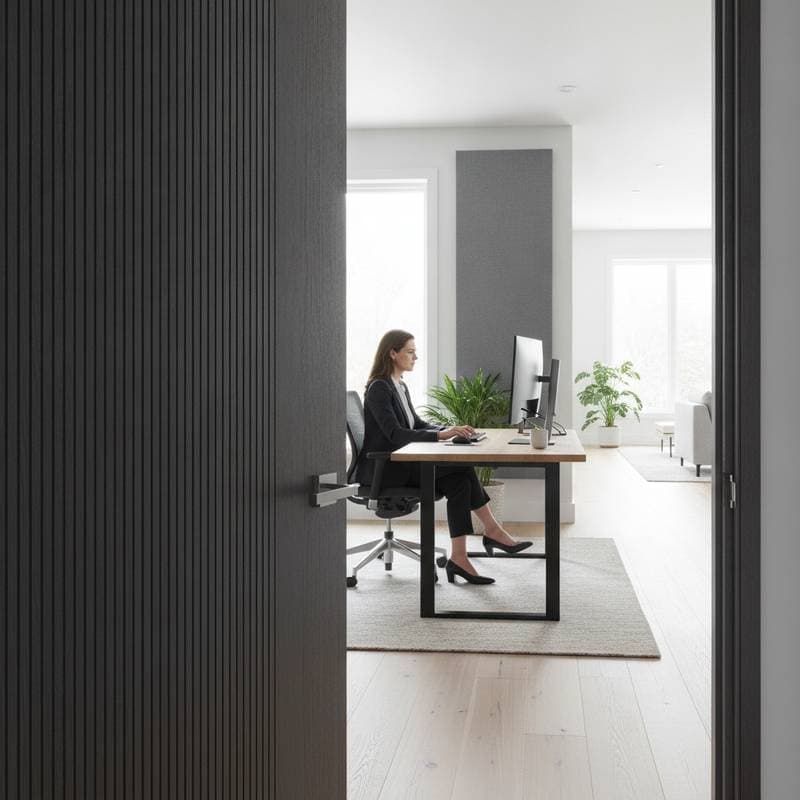
Outside noise often interrupts daily life, from traffic sounds to neighboring activities. Soundproof doors address this issue effectively by blocking up to 85 percent of unwanted sound. These upgrades create serene interiors that support better focus, enhanced privacy, and improved rest, all without requiring extensive renovations.
Homeowners find that replacing standard doors with acoustic models delivers significant results. This article examines costs, materials, and installation procedures for soundproof doors. It also includes expert advice and maintenance strategies to ensure long-term effectiveness.
Factors Influencing Soundproof Door Costs
Multiple elements determine the overall expense of a soundproof door project. A clear understanding of these components allows for precise budgeting and informed selections tailored to specific needs.
Door Construction Materials
The core composition of the door exerts the greatest impact on both soundproofing capabilities and pricing. Solid-core wood doors provide superior density compared to hollow-core alternatives, which offer minimal noise reduction. Advanced composite doors feature layered designs with acoustic foams, mass-loaded vinyl, or mineral wool to absorb and deflect sound waves effectively.
For instance, a basic solid-core door starts at $300, while high-end acoustic composites can reach $1,500 or more. Selection depends on the desired Sound Transmission Class (STC) rating, a standard measure of noise isolation where higher numbers indicate better performance.
Frame and Sealing Components
Effective noise barriers extend beyond the door itself to include the frame and perimeter seals. Acoustic seals, such as bulb gaskets or brush strips, prevent sound leakage around edges. Automatic door bottoms deploy upon closing to seal the threshold gap.
These systems typically add $150 to $400 if purchased separately. Investing in integrated sealing ensures the door achieves its full STC potential, often rating between 35 for general use and 50 or higher for specialized rooms.
Installation Labor Expenses
Professional installation ranges from $300 to $800 per door, influenced by project complexity. Retrofitting into an existing frame demands more time than a complete replacement. Additional frame reinforcements or adjustments for uneven walls can elevate labor costs by 20 to 30 percent.
Homeowners in urban areas may face higher rates due to accessibility challenges. Total project costs for a single door, including materials and labor, generally fall between $800 and $3,500, keeping most upgrades under $4,000.
Finish and Customization Choices
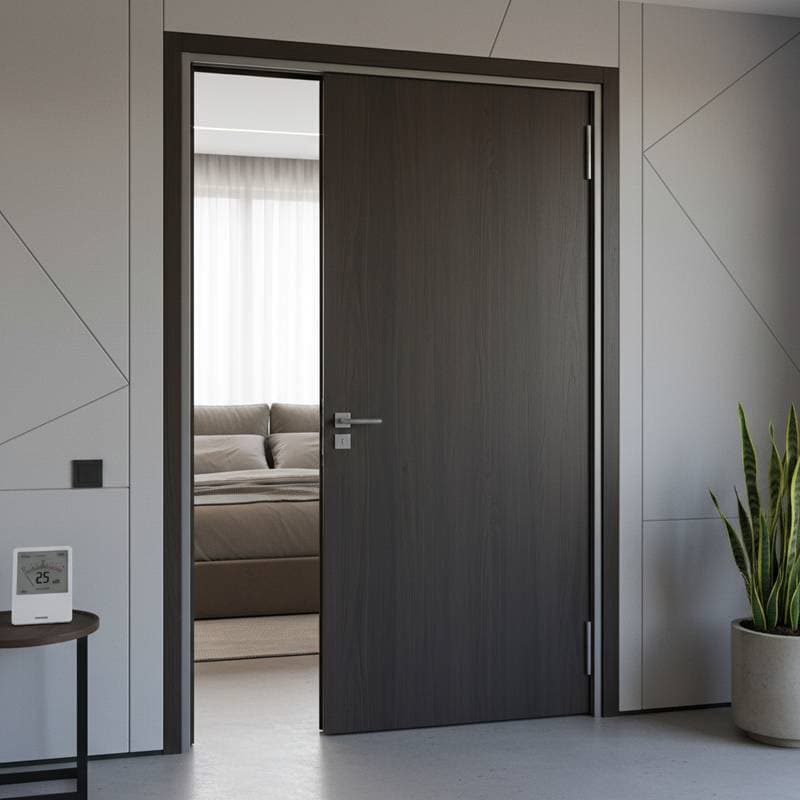
Soundproof doors come in various aesthetic finishes to match interior designs. Options include natural wood veneers, primed surfaces for painting, or durable laminates mimicking stone or metal. Custom sizes, stains, or hardware selections increase expenses by 10 to 20 percent.
Prioritizing function over form helps control costs, but blending style with acoustics enhances overall satisfaction. Consult manufacturers for samples to visualize integration with existing decor.
Room-Specific Requirements
Noise sensitivity varies by room function, affecting investment levels. Bedrooms or nurseries require STC ratings of 35 to 40 for adequate sleep protection. Professional spaces like home offices or recording studios demand 45 to 55 for minimal disturbances.
Tailoring the door to the space ensures optimal value. For high-demand areas, combining doors with flanking soundproofing measures amplifies results.
Step-by-Step Installation Guide
The installation of a soundproof door spans two to six hours, varying with frame condition and door weight. Professionals follow a structured approach to guarantee airtight integration and peak performance.
-
Initial Assessment and Measurements
Contractors evaluate the existing frame for plumb alignment and measure precise dimensions. Clearances around hinges, latches, and thresholds must allow for seals without impeding operation. -
Frame Preparation Work
Removal of the old door and surrounding trim occurs first. Frames may require shimming, planing, or full replacement to accommodate acoustic enhancements. -
Door Hanging and Alignment
The new door installs on heavy-duty hinges capable of supporting 100 pounds or more. Alignment ensures even gaps no wider than 1/8 inch, critical for seal efficacy. -
Sealing Application and Testing
Gaskets adhere to the frame, while sweeps and thresholds secure the bottom. Installers test closure for resistance and use sound meters to verify reduction levels. -
Final Finishing and Verification
Surfaces receive paint or stain as needed. A thorough inspection checks for rattles, gaps, or operational issues, confirming the setup meets STC specifications.
Mark Linton, a licensed contractor with SoundSeal Installations in Chicago, states, "A precise fit and proper sealing are what make or break acoustic performance. Even the best door loses efficiency if the frame is not airtight."
Advantages Extending Past Noise Control
Soundproof doors provide multifaceted improvements to home environments. Their benefits span comfort, efficiency, and lifestyle enhancements.
- Enhanced Privacy Levels: Reduced sound transmission safeguards conversations in bedrooms, home offices, or bathrooms from external ears.
- Thermal Insulation Gains: Insulated cores in many models minimize heat loss, lowering energy bills by up to 15 percent in drafty areas.
- Property Value Boost: Features promoting quiet living attract buyers in noisy locales, potentially increasing resale appeal by 5 to 10 percent.
- Wellness Improvements: Diminished disturbances promote deeper sleep cycles and sustained productivity, vital in shared or urban dwellings.
These doors integrate seamlessly into diverse settings, from apartments to family homes, delivering lasting tranquility.
Strategies to Optimize Acoustic Performance
A soundproof door performs best within a comprehensive noise-control strategy. Addressing adjacent surfaces prevents sound flanking, where noise bypasses the door through walls or floors.
- Integrate acoustic wall panels or double-layered drywall to absorb vibrations in shared walls.
- Apply weatherstripping to windows, vents, and outlets near the installation site.
- Opt for double-door configurations with staggered seals for studios requiring near-total isolation.
- Incorporate soft elements such as area rugs, upholstered furniture, or heavy drapes to dampen echoes.
- Caulk and seal all penetrations, including light fixtures or HVAC ducts, around the door area.
Erica Shaw, an acoustic consultant based in Denver, advises, "Soundproofing is about treating the weakest link. A great door helps, but surrounding materials must support the same goal. Focus on holistic treatments for measurable quiet."
Regular maintenance, such as cleaning seals and lubricating hinges annually, preserves efficiency. Avoid slamming to prevent frame shifts over time.
Selecting and Implementing Your Soundproof Solution
Soundproof doors stand out as a practical investment for fostering peaceful home spaces. With capabilities to block 85 percent of noise, they elevate daily living through reduced disruptions and added comfort.
Start by assessing noise sources and target STC levels. Review product specifications from reputable suppliers, then obtain detailed quotes from certified installers. Inquire about warranties covering defects, seals, and workmanship to protect your investment. This approach ensures a customized, durable upgrade that aligns with your home's needs.