Terrazzo's Resurgence in Entryway Design
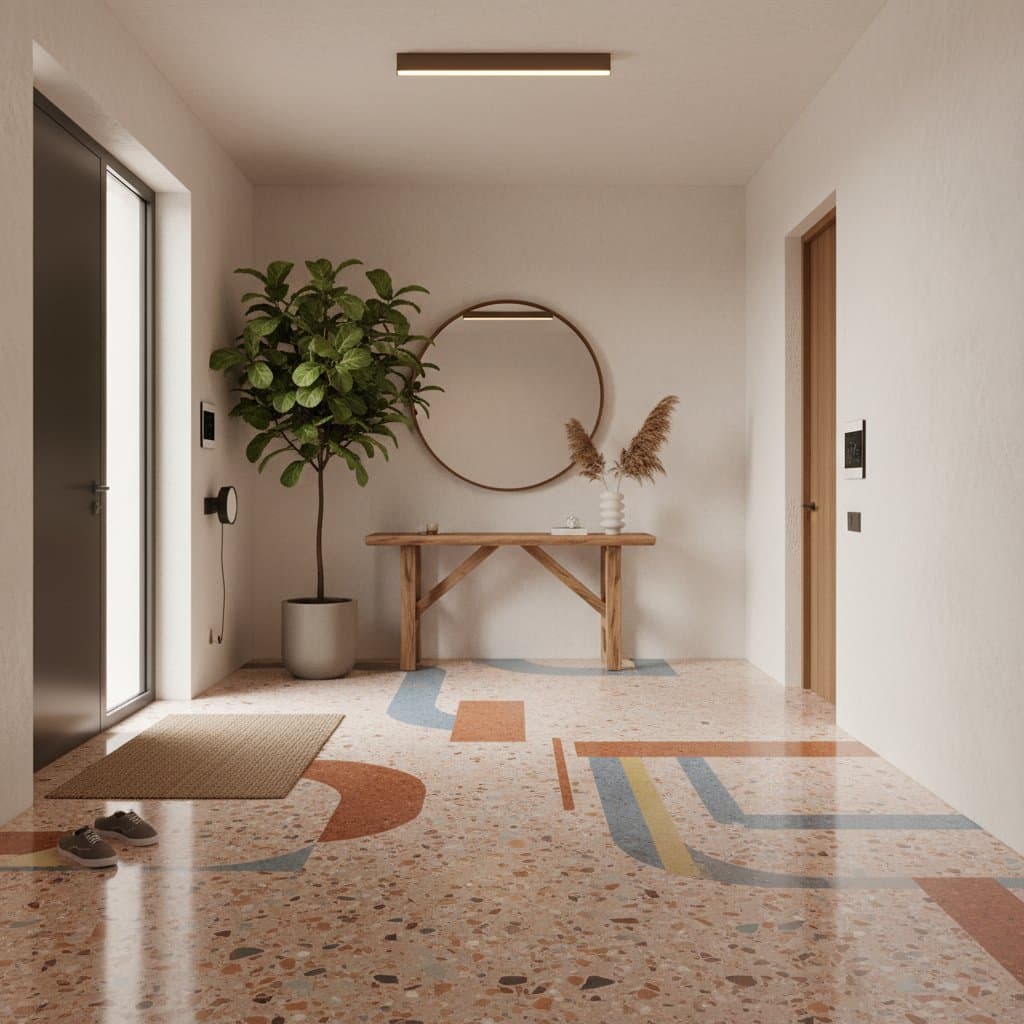
Terrazzo flooring reemerges as a versatile choice for entryways, combining nostalgic charm with contemporary functionality. This composite material, once prominent in mid-century architecture, now adapts to modern residential spaces. Homeowners value its durability against daily wear and its capacity to create striking first impressions.
The trend toward terrazzo aligns with preferences for sustainable, long-lasting materials. Entryways face high traffic and environmental exposure, yet terrazzo withstands these challenges while offering aesthetic customization. This balance of form and function positions terrazzo as an ideal solution for transitional areas.
The Essence of Terrazzo
Terrazzo consists of aggregate chips such as marble, quartz, or glass embedded in a cement or epoxy binder, then polished to reveal a mosaic surface. This process yields unique patterns that reflect light dynamically. Unlike uniform flooring options, terrazzo provides bespoke artistry that enhances personal style.
Its mid-century legacy features vibrant contrasts, but current applications favor subdued tones and seamless integration. This evolution allows terrazzo to harmonize with diverse interiors, from minimalist to rustic settings. Homeowners thus achieve distinctive entryways that endure over time.
Composition and Durability
Terrazzo variants include cement-based and epoxy-based formulations, each suited to specific needs.
| Type | Initial Cost | Lifespan | Maintenance | Ideal Application |
|---|---|---|---|---|
| Cement-Based | Medium to High | Decades | Periodic sealing | Heritage or variable climates |
| Epoxy-Based | Medium | Decades | Low, stain-resistant | High-traffic modern spaces |
Cement terrazzo offers a natural matte finish and resilience to temperature shifts, perfect for entryways near exterior doors. Epoxy terrazzo delivers a glossy, seamless look with superior moisture resistance. Both resist fading and cracking, outperforming many alternatives in longevity.
Design Flexibility
Terrazzo enables expansive creative options through aggregate size, color, and layout. Designers incorporate larger chips or recycled elements for textured effects. In compact entryways, these features add depth without overwhelming the space.
Traditional palettes use earthy tones with accents, while modern versions employ neutrals or pastels. Custom blends with glass aggregates introduce subtle iridescence. Patterns like borders or inlays direct visual flow, enhancing spatial cohesion.
Terrazzo Versus Alternatives
Terrazzo stands out when compared to common entryway materials.
| Material | Initial Cost | Lifespan | Maintenance | Key Strength |
|---|---|---|---|---|
| Terrazzo | Medium to High | Decades | Routine cleaning | Artistic durability |
| Ceramic Tile | Low to Medium | Moderate | Grout upkeep | Affordability |
| Natural Stone | High | Long | Sealing required | Natural luxury |
| Engineered Wood | Medium | Moderate | Moisture protection | Warmth |
Tiles may chip easily, stone demands frequent care, and wood absorbs moisture. Terrazzo combines resilience with visual appeal, minimizing long-term concerns.
Installation Overview
Professional installation ensures terrazzo's performance. Begin with subfloor assessment to confirm stability, particularly for heavier cement types.
- Site Preparation: Clean and level the surface; apply bonding agents as needed.
- Pouring and Setting: Spread the mixture, insert divider strips for patterns, and allow curing.
- Finishing: Grind to expose aggregates, fill imperfections, polish, and seal.
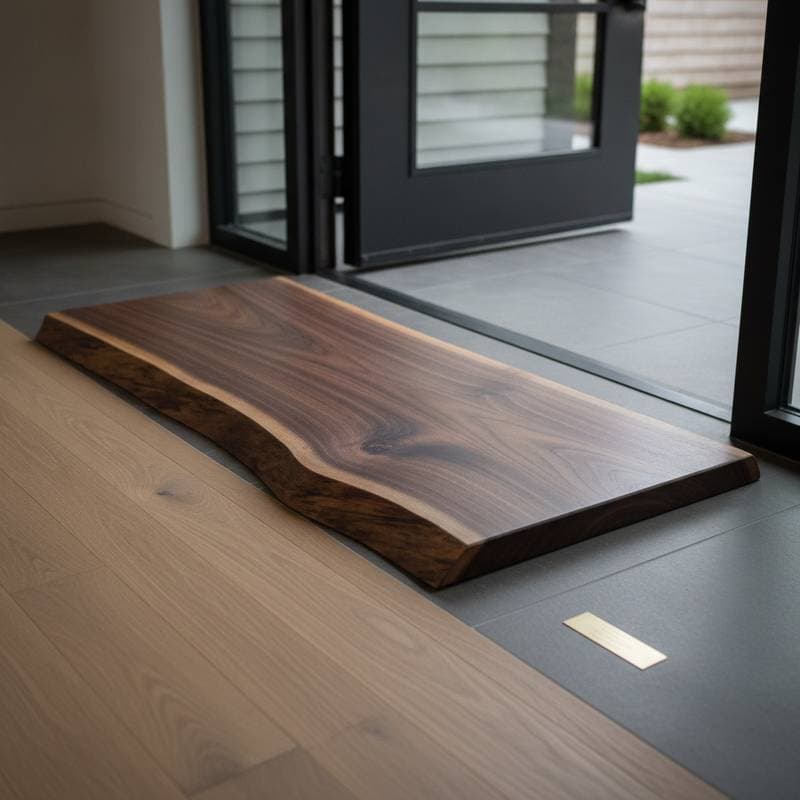
This process demands precision to avoid cracks and ensure smooth transitions at thresholds. Allow adequate curing time for optimal results.
Upkeep and Sustainability
Terrazzo requires simple care: sweep regularly and mop with mild solutions. Epoxy versions repel stains effortlessly, while cement types benefit from occasional sealing.
Its eco-profile shines through recycled content and refinishing potential, reducing waste. Reflective surfaces lower lighting needs, and thermal properties pair well with radiant heating for efficiency.
Harmonizing with Entryway Features
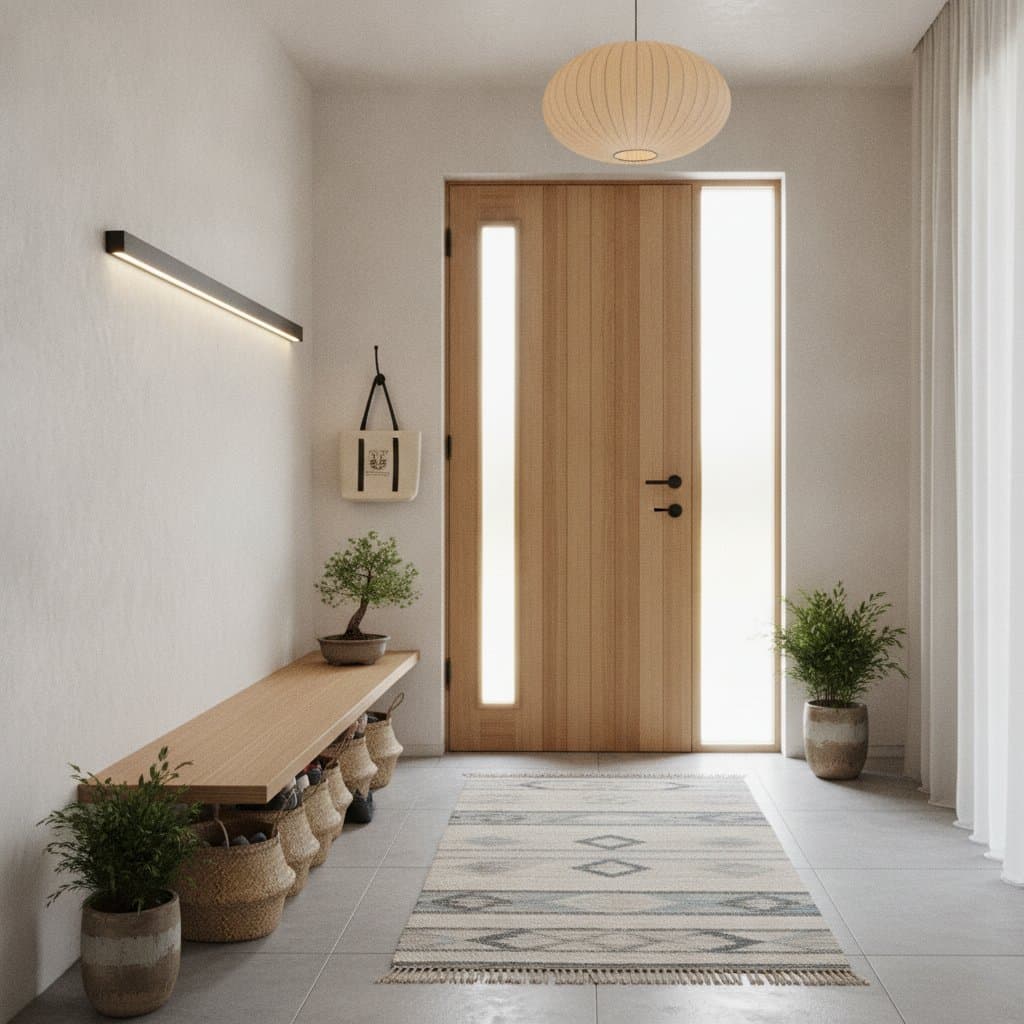
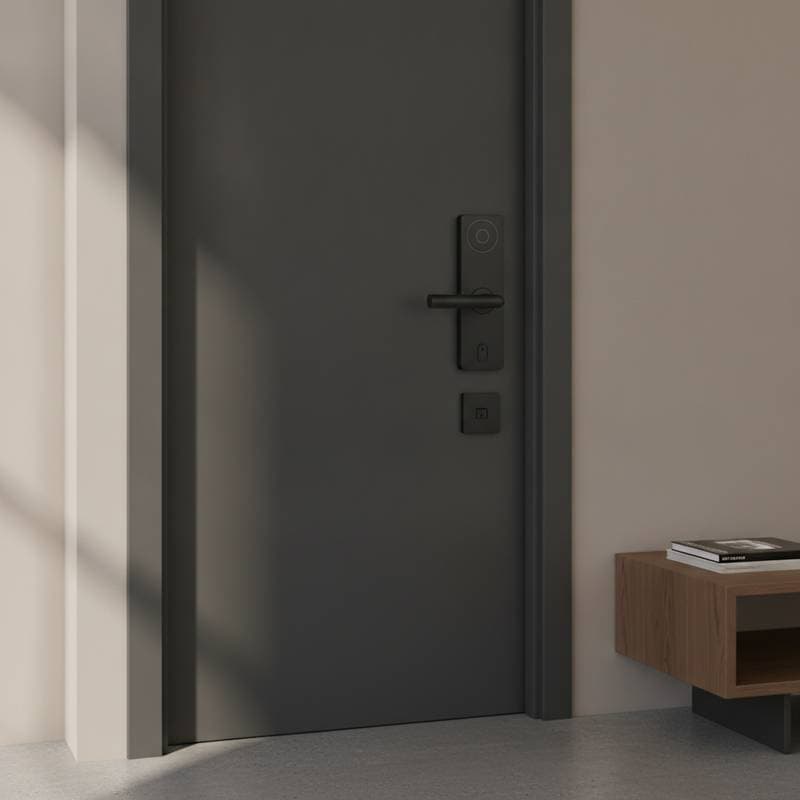
Select terrazzo tones to complement doors, walls, and accents. Light aggregates brighten spaces with wood elements; darker mixes suit metallic fixtures.
Lighting amplifies terrazzo's qualities: daylight reveals sparkle, while fixtures highlight patterns. This integration transforms entryways into welcoming focal points.
Practical Selection Guide
Consider these factors for terrazzo choices:
- Environmental Factors: Opt for cement in fluctuating climates; epoxy for consistent conditions.
- Style Alignment: Choose matte for organic feels, gloss for sleek modernity.
- Financial Outlook: Factor in upfront investment against decades of service.
- Daily Use: Prioritize low-maintenance for busy households.
Consult experts for samples and quotes to align with your vision.
Project Execution Tips
Engage certified installers familiar with residential projects. Review contracts for comprehensive finishing steps and joint placements.
Schedule around curing periods to prevent delays. Post-installation, adhere to care protocols for sustained beauty.
Enduring Value
Terrazzo invests in lasting quality, resisting wear while adapting to style shifts. It elevates property appeal and supports eco-conscious choices. Entryways floored in terrazzo welcome with artistry that persists.