Clay-Finish Hardware: Revolutionizing Matte Door Trends
Matte finishes have evolved from subtle accents to essential elements in contemporary interiors. Clay-finish hardware emerges as a standout innovation for interior doors, offering a textured matte surface that infuses warmth and refinement. This finish merges the organic feel of natural clay with robust modern coatings, delivering hardware that appears handcrafted yet withstands daily use. Homeowners aiming for a blend of aesthetics, ease, and functionality will find clay finishes a superior option over shiny metals or high-gloss alternatives.
Clay-finish hardware excels in versatility, aligning with diverse interior aesthetics from sleek minimalism to cozy rustic settings and hybrid transitional layouts. Grasping its role in design schemes, upkeep routines, and daily living helps inform choices that endure over time.
Defining the Clay Finish
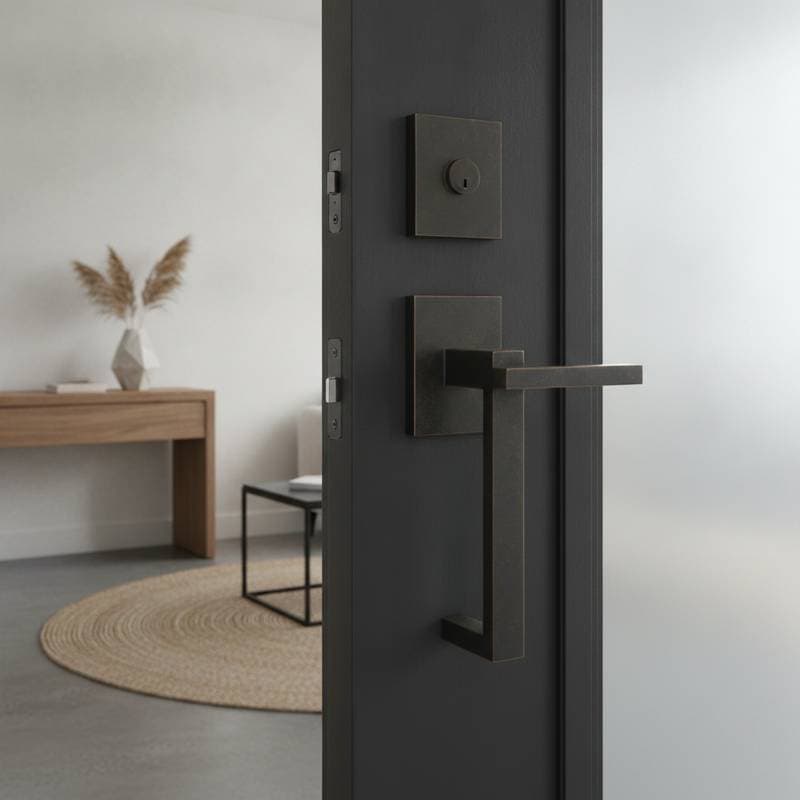
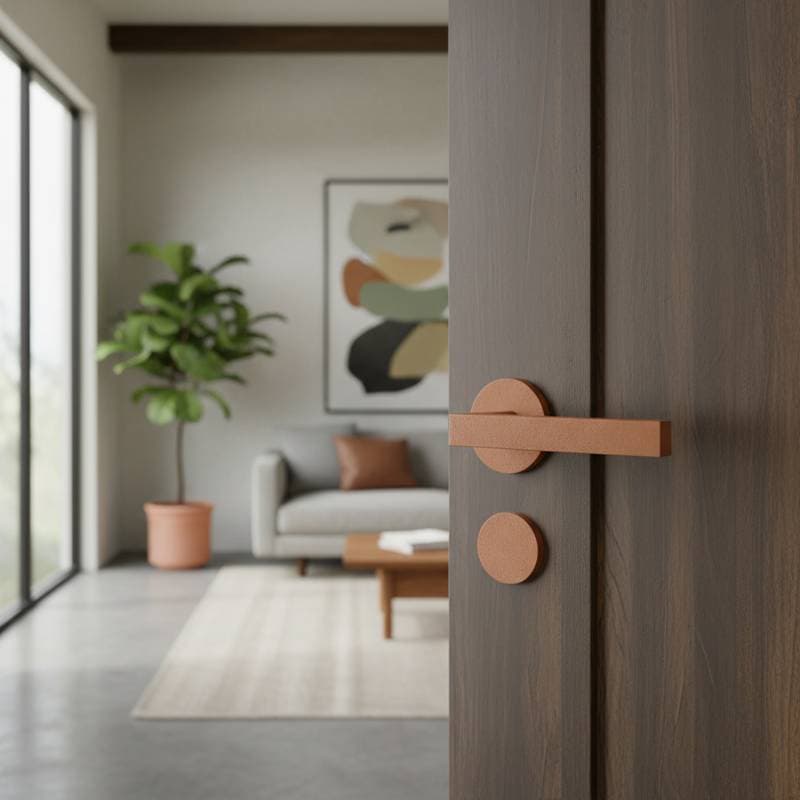
Clay finishes consist of matte or low-luster coatings that replicate the gentle, earthen quality of natural clay. These coatings produce a subdued hue that scatters light rather than mirroring it, often incorporating a fine grain for added depth. Applied to bases like stainless steel, brass, or aluminum through powder coating or electrostatic techniques, they yield a tough layer resistant to fingerprints and minor abrasions.
Unlike gleaming polished surfaces, clay finishes foster a restrained, inviting vibe.
Core Visual and Sensory Attributes
- Texture: A subtle grit adds dimension and intrigue, steering clear of raw or factory-like impressions.
- Color Palette: Earthy shades like gentle taupe, soft gray, or pale sand harmonize with wooden doors, painted walls, and stone features.
- Light Dynamics: By absorbing rather than reflecting light, the surface minimizes glare and promotes serene room atmospheres.
This combination crafts hardware that radiates natural warmth, aligning with the surge in demand for authentic, comforting materials.
Clay Finishes Versus Conventional Hardware
Choosing door hardware involves weighing looks, care needs, and endurance. The table below contrasts clay finishes with standard options to guide selections.
| Finish Type | Initial Cost | Lifespan | Maintenance | Ideal Settings |
|---|---|---|---|---|
| Clay Finish | Moderate | 10+ years | Low | Warm modern spaces with matte focus |
| Polished Chrome | Low to Moderate | 8–10 years | High | Vibrant contemporary areas |
| Brushed Nickel | Moderate | 10–12 years | Moderate | Blended traditional-modern designs |
| Black Matte | Moderate | 8–10 years | Low | Stark industrial or simple layouts |
| Oil-Rubbed Bronze | Moderate to High | 12+ years | Moderate | Cozy rustic or heritage styles |
Clay finishes bridge the starkness of black matte and the shine of chrome, retaining matte simplicity while introducing organic nuance that enhances wood grains and textiles.
Versatile Applications in Design
Clay finishes enhance rather than overshadow room elements, providing quiet elegance. They temper bold lines in architecture and amplify wood's inherent patterns. In open layouts, their low-key profile ensures smooth transitions between areas.
Integration with Door Types
Hardware appearance shifts based on door composition:
- Solid Wood Doors: Oak, walnut, or cherry's rich hues pair seamlessly with clay's warmth, highlighting wood texture without clashing.
- Painted Doors: On light shades like white or pastels, matte handles offer subtle contrast; darker tones gain unified depth.
- Veneer or Composite Doors: Uniform matte layers mask flaws and elevate perceived quality.
Alignment with Decor Themes
- Modern Minimalism: Subtle texture supports crisp forms and neutral schemes.
- Organic Modern: Earthy notes reinforce biophilic elements like plants and raw woods.
- Rustic Farmhouse: Matte softness echoes salvaged timbers and artisanal touches.
- Transitional Interiors: Neutral adaptability links old and new influences.
Such flexibility suits evolving tastes, allowing updates without full replacements.
Durability and Upkeep Essentials
Advances in coatings address matte finish vulnerabilities, making clay hardware corrosion- and fade-resistant with routine care.
Practical Cleaning Advice
- Wipe with a soft cloth dampened in mild soap solution; skip harsh scrubbers to protect the coating.
- In moist zones like baths, dry surfaces quickly to prevent water spots.
- Refresh periodically with wax-free polish to sustain the barrier layer.
These habits preserve texture while concealing fingerprints better than gloss options, cutting cleaning time.
Aging and Resilience
Over years, clay develops a light patina in high-touch spots, enhancing character like aged leather. Its build hides fine scratches, supporting extended use without obvious decline.
Installation Guidelines
Clay hardware installation mirrors standard processes, emphasizing careful handling to safeguard the finish.
Pre-Installation Checks
Measure door thickness, latch style, and backset for compatibility. Select sets for passage, privacy, or display functions to match room purposes and unify aesthetics.
Setup Procedures
- Review components for completeness and even coating.
- Align existing door prep with hardware specs.
- Assemble tools including screwdriver, drill bits, and level for accuracy.
Assembly Steps
Use gloves during handling to prevent oil transfer. Secure the latch first, then mount the knob or lever, torquing screws uniformly to avoid warping.
Final Checks
Operate the mechanism for fluid action and firm latching. Ensure screws sit flush without excess pressure that might mar the surface.
Post-Install Care
Buff away installation residue with a lint-free cloth. Schedule light cleanings and monitor for coating integrity; warranties often protect against qualified defects.
Pricing and Investment Rationale
Positioned in the moderate bracket, clay hardware delivers value through longevity and adaptability. It exceeds basic metals in cost but offsets via less upkeep and sustained appeal.
Lifecycle analysis favors clay for infrequent replacements, as matte hides aging gracefully.
Price Influences
- Core Alloy: Brass or steel boosts durability over aluminum, raising expense.
- Application Method: Premium powder work ensures uniform hue and toughness.
- Style Details: Elaborate forms or larger sizes add minor premiums for better space integration.
This balance provides upscale results at accessible rates.
Sustainability and Daily Living Impacts
Clay coatings align with eco-trends, using low-emission powder processes over solvent-heavy paints. Their enduring matte style counters fleeting glossy fads, promoting waste reduction.
In practice, the soft diffusion calms spaces by softening light, ideal for relaxed homes. Low-effort maintenance suits active families, keeping areas tidy effortlessly.
Selecting Optimal Clay Hardware
Beyond hue, assess environmental fit for lasting satisfaction.
Critical Selection Criteria
- Surface Synergy: Align finish temperature with door warmth or coolness.
- Usage Demands: Opt for secure locks in private rooms, simple sets for corridors, and robust grips for busy paths.
- Care Alignment: Pick resilient options matching your routine and climate.
- Aesthetic Unity: Standardize across elements for seamless flow.
Thoughtful picks weave hardware into floors, walls, and decor for cohesive, purposeful designs.
Sustaining Longevity and Appeal
Hardware outlasts many renos, so prioritize adaptive, tough finishes.
Clay maintains vibrancy for decades sans refinishing; updates involve simple recoats or swaps, fitting fixed or flipping properties.
For resale, matte details signal thoughtful upkeep, boosting value subtly. Neutral clay avoids clashing with buyer preferences, broadening appeal.