Why Minimalist Wood Defines Japandi Entryways in 2026
Japandi design appeals to those who seek tranquility, utility, and subtle elegance in their living spaces. This fusion of Japanese minimalism and Scandinavian coziness manifests most effectively in the entryway, a pivotal area that sets the home's initial impression. Essential characteristics include precise lines, organic materials, and skilled construction, with minimalist wood doors and features serving as the ideal representation.
Core Principles of Japandi Entryway Design
Japandi entryways integrate Japanese and Scandinavian approaches, both centered on balance, organization, and nature's influence. The objective involves crafting a subdued transitional zone that conveys warmth and deliberation. Selections for lighting, flooring, and doors prioritize functionality and cohesion.
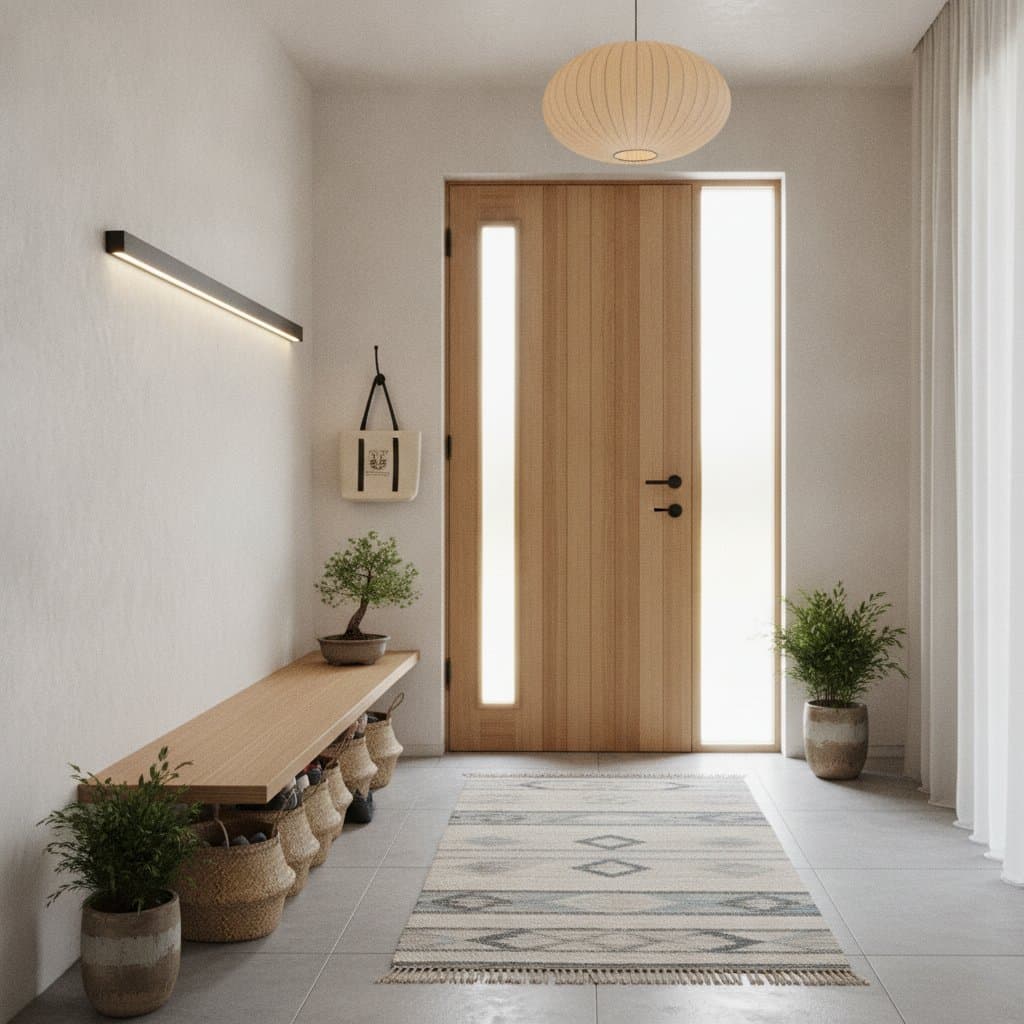
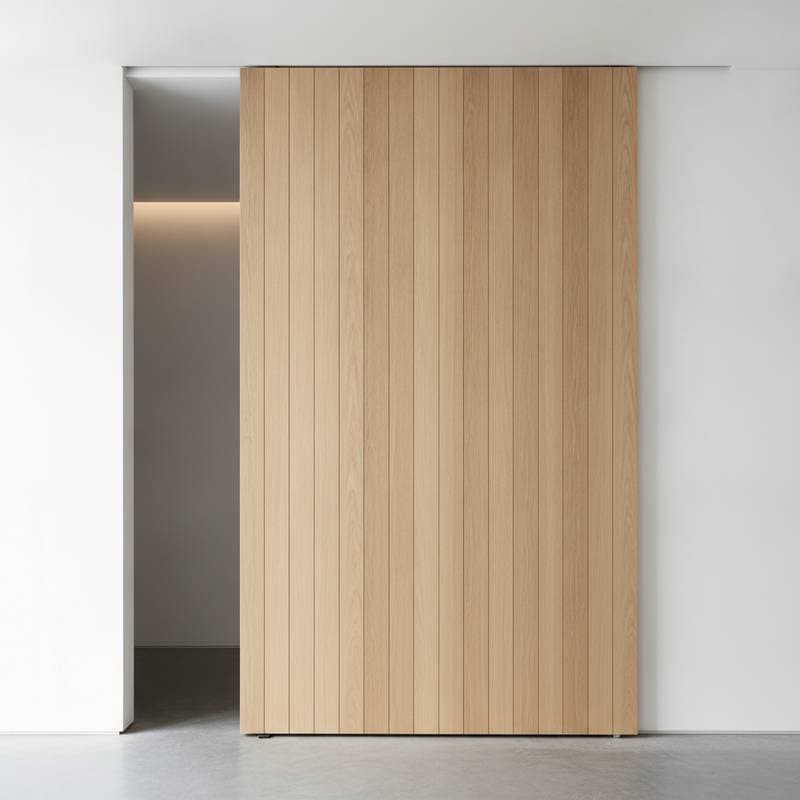
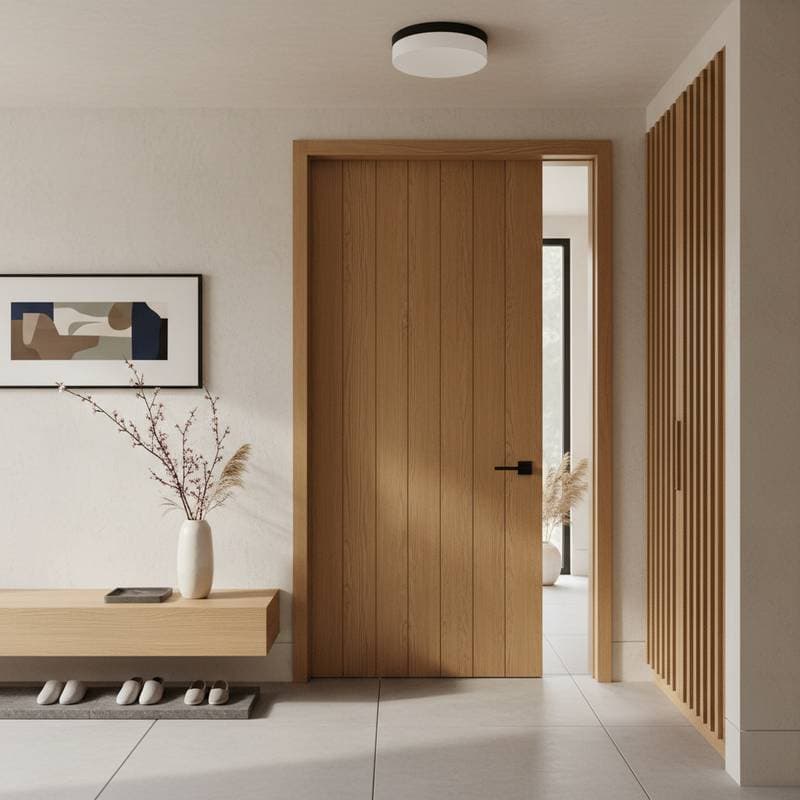
Wood assumes a primary position due to its inherent texture and comforting presence, free from unnecessary complexity. Popular choices encompass light oak, ash, and birch for their subtle tones, while walnut or cedar provides richer depth in select settings. A minimalist wooden entry door establishes the foundational visual and sensory experience for the home's interior.
Alignment of Minimalist Wood with Japandi Principles
Minimalist wood doors harmonize seamlessly with Japandi tenets through their straightforward silhouettes, understated grain, and untreated surfaces that emphasize inherent quality rather than embellishment. Minimal hardware and plain panels permit the wood's integrity to stand out.
Interior designer Mika Tanaka of Kyoto Interiors observes, "Homeowners shift from dense stains and polished coatings toward matte or oiled treatments that preserve the wood's vitality." This sensory appeal positions minimalist wood doors as contemporary yet rooted, linking Japanese wabi-sabi imperfection with Scandinavian hygge comfort.
To incorporate this effectively, select doors with flush surfaces and integrated handles that avoid protrusion. Pair them with adjacent walls in pale neutrals to amplify the wood's natural patina, ensuring the entryway radiates quiet sophistication from the moment of arrival.
Material Options and Budgeting Essentials
Renovating an entryway in Japandi style offers a focused opportunity to introduce cohesive elements. Expenses fluctuate based on wood type, surface treatment, and fabrication method, whether bespoke or standard.
| Material/Service | Cost Range | Key Features |
|---|---|---|
| Solid Oak Door | $800 to $2,000 | Strong durability, prominent grain, receptive to subtle oils and stains |
| Walnut Veneer Door | $600 to $1,400 | Deep hue, sleek profile, economical alternative to solid wood |
| Birch or Ash Door | $700 to $1,600 | Pale shade, even surface, suited for light-filled areas |
| Custom Japandi Entry System | $2,500 to $5,000 | Unified cabinetry, seamless panels, tailored fittings for storage and flow |
These estimates cover materials alone; installation fees range from $300 to $800, influenced by frame modifications and precise fitting. For cost efficiency, opt for prefinished options from reputable suppliers, and allocate 10 to 15 percent extra for unforeseen adjustments like threshold leveling.
Key Components Shaping Japandi Entryways
Beyond the door, complementary features ensure seamless integration and equilibrium. Consider these foundational aspects:
- Subdued Color Scheme: Employ gentle whites, soft grays, and wood's organic shades to establish a restful foundation.
- Integrated Storage Solutions: Incorporate recessed benches or hidden compartments for shoes and accessories to promote order.
- Daylight Integration: Utilize diffused glass panels or overhead clerestory windows to invite light without compromising seclusion.
- Low-Luster Surfaces: Choose textured yet non-reflective finishes to evoke artisanal quality and tactile interest.
These decisions sustain minimalism while supporting everyday practicality, such as quick access during inclement weather.
Professional Guidance for Implementation
Contractor Lars Henriksen of Nordic Build Solutions suggests viewing the entryway as the home's narrative opener. He urges selection of premium woods over imitation veneers, which may dull in ambient illumination.
Proportion plays a crucial role; Henriksen explains, "An oversized or ponderous door disrupts harmony. Japandi thrives on scaled elements that invite rather than intimidate."
To apply this, measure the space meticulously, aiming for door heights around 80 inches and widths proportional to the hallway—typically 32 to 36 inches. Test samples in situ to confirm how light alters the wood's appearance, and consult local artisans for custom milling that aligns with regional climate demands.
Preservation Strategies for Longevity
Minimalist wood doors in Japandi settings demand routine, straightforward upkeep to retain their appeal. Clean monthly using a damp microfiber cloth and pH-neutral solution, steering clear of abrasives that erode protective layers.
Rejuvenate with tung or linseed oil every two to three years, applying thinly to enhance grain without altering tone. Monitor for environmental shifts, such as humidity fluctuations, by inspecting seals and hardware quarterly; minor expansions contract naturally but benefit from balanced indoor conditions around 40 to 60 percent relative humidity.
Over time, this regimen fosters a subtle aging process, where faint scratches or warmed hues contribute to the design's evolving authenticity, mirroring nature's gradual refinement.
Steps to Integrate Japandi Wood into Your Entryway
Embracing Japandi's composed elegance begins with the entryway, yielding practical and aesthetic returns. Select a minimalist wood door that complements existing architecture, then layer in balanced illumination and organic accents for sustained resonance.
Begin by sketching a layout that incorporates storage and flow, sourcing materials from sustainable forests to align with the philosophy's environmental ethos. The result: an entry that not only welcomes but also inspires daily renewal through its serene, crafted presence.